

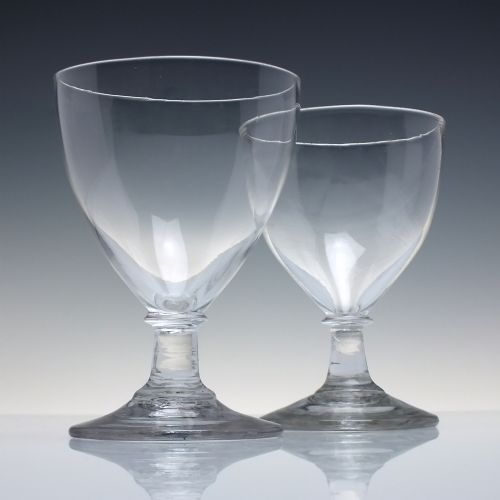


Pair Georgian Wine Glasses
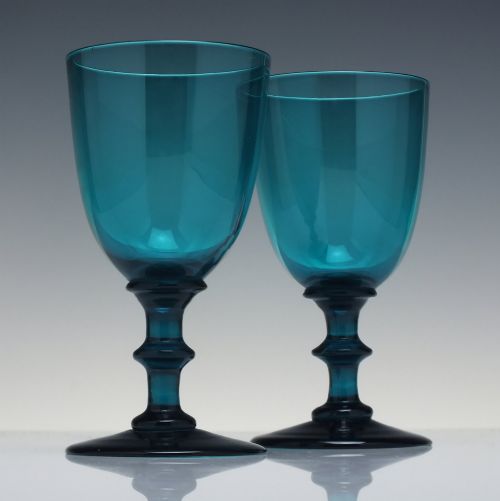
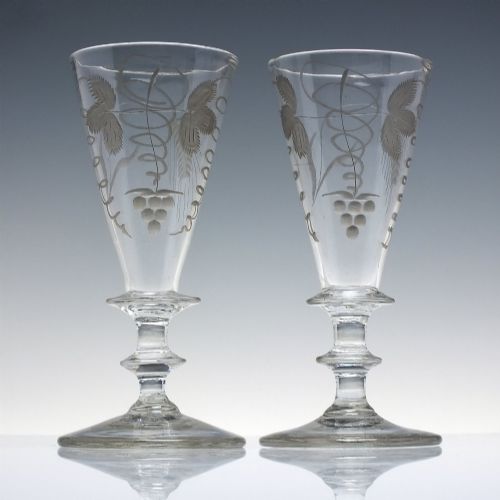
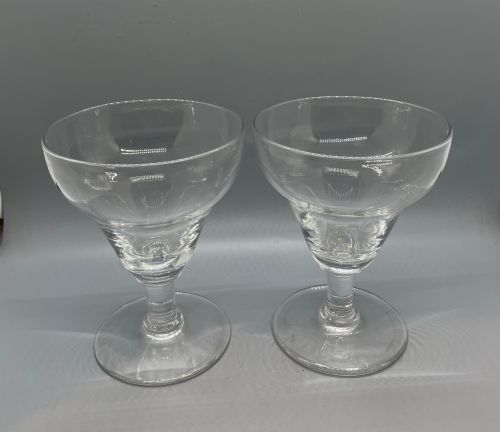
These pair georgian wine glasses combine heavy lead crystal and deep colour, offering a tactile drinking vessel from the Georgian, Regency and Victorian eras.
Pair Georgian Wine Glasses
When searching for pair georgian wine glasses, collectors encounter lead crystal drinking vessels alongside matching rummers and decanters. The selection on this page centres primarily on Georgian and Regency forms, alongside later 19th Century and Edwardian examples.
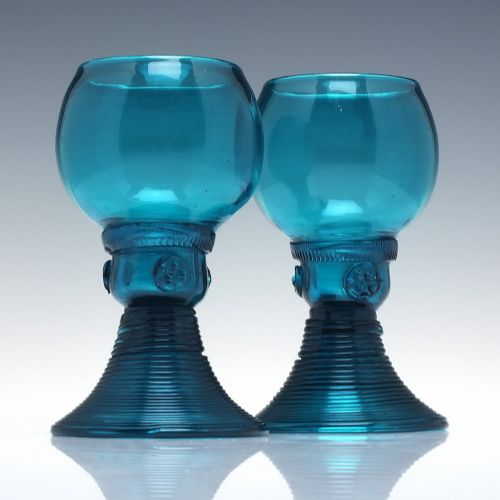
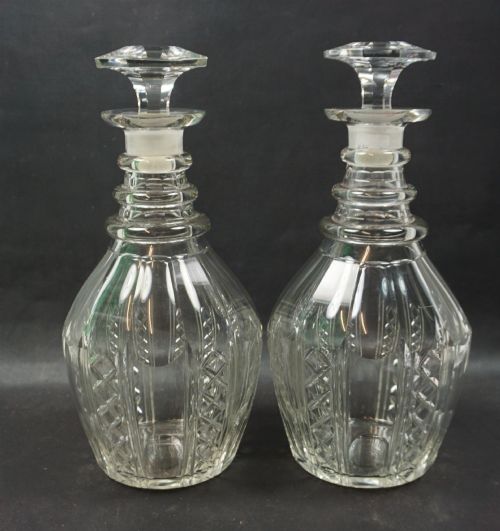
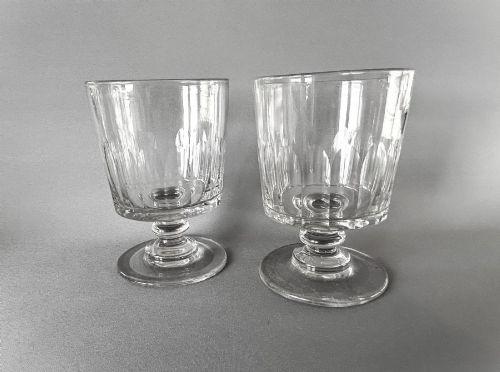
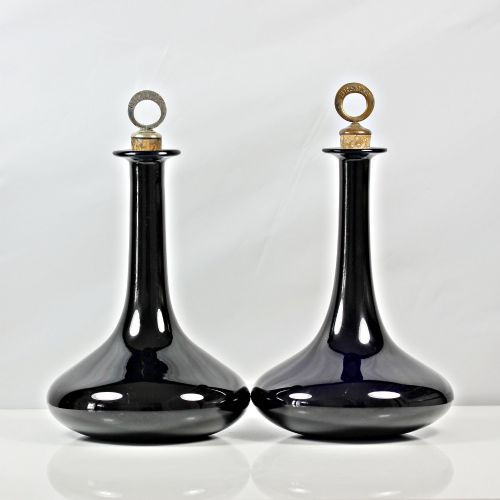
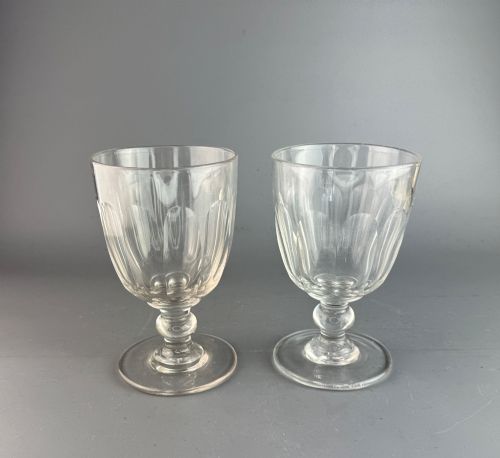
Most pieces date from around 1780 to 1830, spanning emerald, peacock and Bristol blue glass, as well as clear cut crystal. Alongside wine glasses, buyers find ovoid rummers and three-ring Prussian style decanters that share the same periods.
The assortment includes engraved barley designs, facet cut Jacobite sympathy glasses and heavy pillar cut decanters. These matched pairs demonstrate the distinct optical weights and bowl shapes typical of early English glasshouses.
What varies in quality
Quality rests upon the clarity of the lead crystal and the crispness of the wheel-cut facets. Superior items show deep, sharp cutting that catches the light cleanly without softening at the edges.
The depth and consistency of the coloured glass, whether peacock blue, emerald or Bristol blue, distinguish finer vessels from standard production. Weight, balance and the absence of heavy internal bubble clouds also separate the better pairs.
Pair Georgian Wine Glasses Retail Price Guide 2026
Typical asking prices for pair georgian wine glasses among the pieces listed under this phrase on Sellingantiques today, from the lower quarter to the upper quarter. They describe what is for sale here now, not the wider market.
Jacobite sympathisers hid treasonous toasts within engraved barley motifs on wine glasses, whispering loyalty to the exiled crown over claret.
The Pair Georgian Wine Glasses Glossary
- Lead crystal
- Glass containing a significant proportion of lead oxide, which increases weight, brilliance and workability for cutting. This material gives Georgian glassware its characteristic heavy feel and clear ring.
- Rummer
- A large, heavy drinking glass popular in the Georgian and Victorian periods, often featuring an ovoid bowl on a short stem and foot. They were utilised for ale, wine or punch.
- Prussian decanter
- A wine bottle form characterised by a tapering neck with three concentric glass rings and a stout, mallet-shaped body. They date predominantly from the late 18th and early 19th centuries.
- Facet cut
- A decorative technique involving the grinding of flat planes into the surface of the glass to create geometric patterns. This method enhances the sparkle of clear lead crystal.
- Ogee
- A double-curved architectural line that forms an 'S' shape, frequently describing the graceful profile of a wine glass bowl. The contour helps concentrate the aromas of aged wine.
Pair Georgian Wine Glasses: Frequently Asked Questions
What is a rummer?
A rummer is a substantial drinking vessel with a short stem, sturdy foot and deep bowl, designed for everyday tavern or domestic use.
These pieces appeared frequently during the Georgian and Victorian eras, handling larger volumes of wine, ale or punch than delicate cordial glasses.
How do I identify Georgian glass?
Georgian glass is characterised by heavy lead crystal, a dark greyish or bright refractive tone, and often a pontil mark on the underside of the base.
Items from this period frequently display hand-cut facets, wheel engraving or deep colour rather than modern machine moulding.
Were these glasses used daily?
Many robust rummers and decanters served regular dining duties, while finer engraved wine glasses appeared for formal toasts and gatherings.
Their heavy lead metal construction made them durable enough for regular household employment on the dining table.
What is Bristol blue glass?
Bristol blue is a deep, cobalt-tinted glass produced in English glassworks, particularly around Bristol, during the late 18th and 19th centuries.
This striking colour became popular for finger bowls, decanters and matching wine glasses.