





Pair Georgian Mirrors
Pair georgian mirrors bring symmetrical reflection and classical proportion to a room, uniting eighteenth-century design with striking decorative presence.
Pair Georgian Mirrors
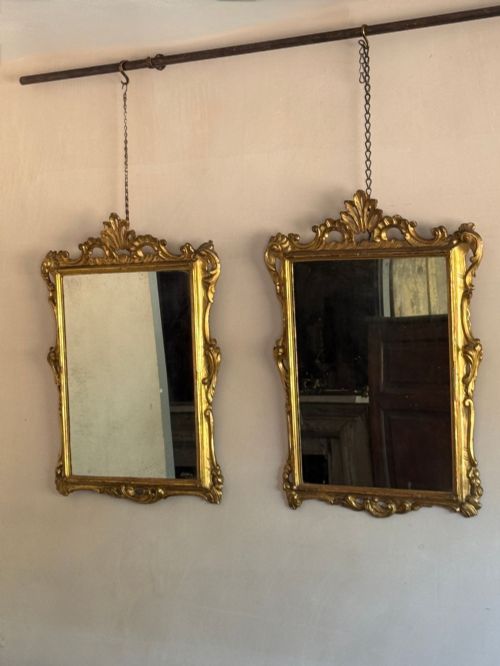
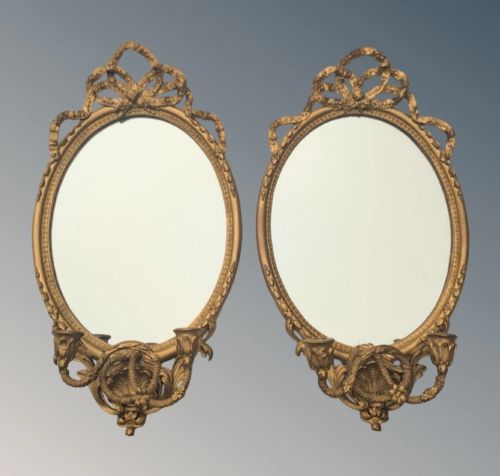
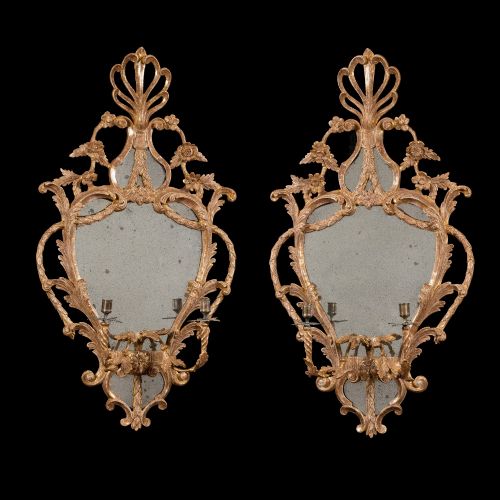
Pair georgian mirrors encompass symmetrical looking glasses created during the eighteenth and early nineteenth centuries, alongside later revivals reflecting the same aesthetic. These pieces range from grand wall-hanging pier mirrors and girandoles fitted with candle sconces to smaller oval, circular, and fret-cut frames designed for domestic chambers.
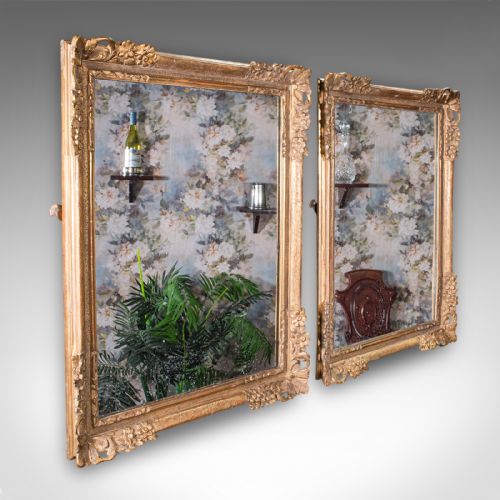
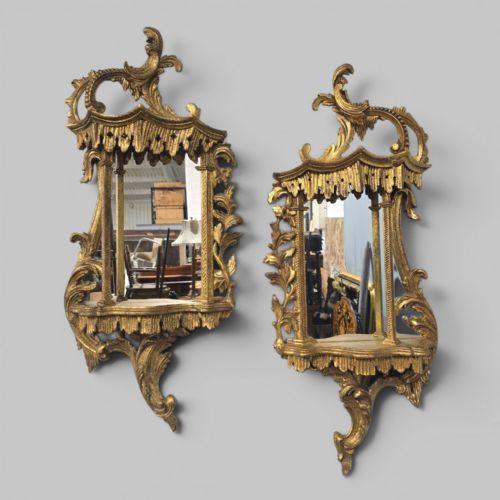
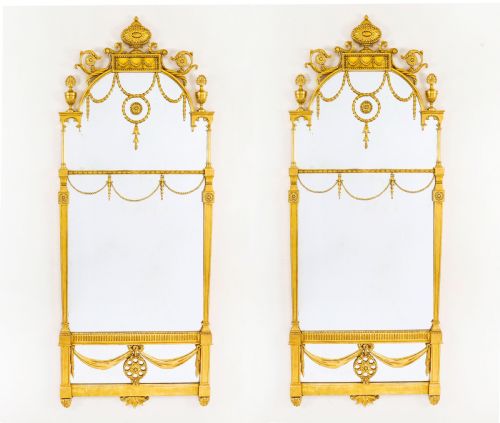
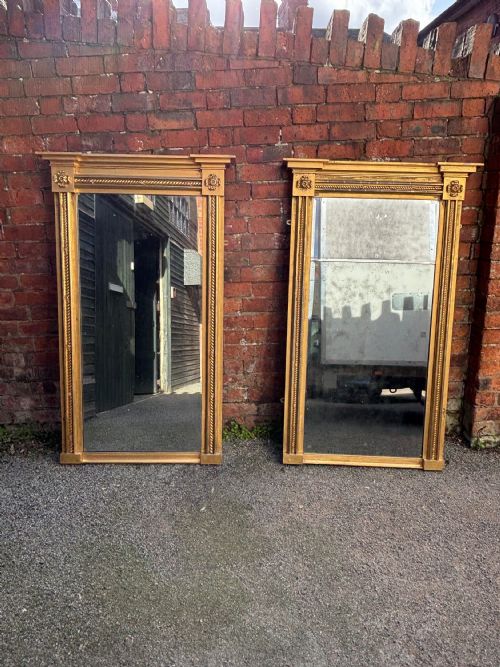
The selection on this page demonstrates remarkable variety in form, moving from walnut and parcel-gilt constructions to elaborate giltwood frames carved in Chinese Chippendale, Adam, and Regency styles. Buyers encounter authentic period examples alongside later nineteenth- and twentieth-century revival interpretations sharing identical decorative traditions.
How they were made
Makers constructed these frames predominantly using timber foundations such as mahogany, walnut, or pine, which provided structural stability for intricate carving. Carvers then applied layers of gesso to the wood, smoothing and cutting the surface to receive fine applications of gold leaf or paint.
Mirrors relied on silvered mirror glass, often executed in Vauxhall plates or border-glass configurations, secured within the rebated frame. Composition ornaments frequently supplemented hand-carved elements on later revival pieces, allowing for crisp architectural details.
Pair Georgian Mirrors Retail Price Guide 2026
Typical asking prices for pair georgian mirrors among the pieces listed under this phrase on Sellingantiques today, from the lower quarter to the upper quarter. They describe what is for sale here now, not the wider market.
Listings feature eighteenth-century, Regency, and revival periods alongside materials including giltwood, gesso, brass, walnut, and composition.
What varies in quality
The depth and crispness of the hand-carved ornament dictate the primary visual distinction between ordinary frames and superior examples. Fine pieces exhibit undercut foliage, sharp moulding profiles, and harmonious symmetry across both halves of the pair.
Originality of surface finish and mirror glass further separates higher-grade items from heavily restored pieces. Retained original gilding, untouched backboards, and authentic mirror plates carry the integrity of the original workshop output.
Strahan of Dublin
The Pair Georgian Mirrors Glossary
- Giltwood
- Timber carved and coated with gold leaf over a prepared gesso ground. This technique creates a luminous metallic surface that catches interior candlelight and daylight.
- Girandole
- A wall mirror featuring attached candle sconces or branches. The arms project forward to multiply the reflected light in a room.
- Pier mirror
- A tall looking glass designed specifically to hang on the wall space between two windows. These vertical frames often coordinate with console tables placed below them.
- Fret mirror
- A frame featuring flat-sawn fretwork outlines, frequently associated with mahogany or walnut wall mirrors from the eighteenth century. The jigsaw or scroll-cut silhouettes define the outer edges.
- Vauxhall mirror
- A looking glass produced or styled after the historic London glasshouse plates. These plates often feature bevelled edges or multiple segmented panes.
Pair Georgian Mirrors: Frequently Asked Questions
Where should I hang these mirrors?
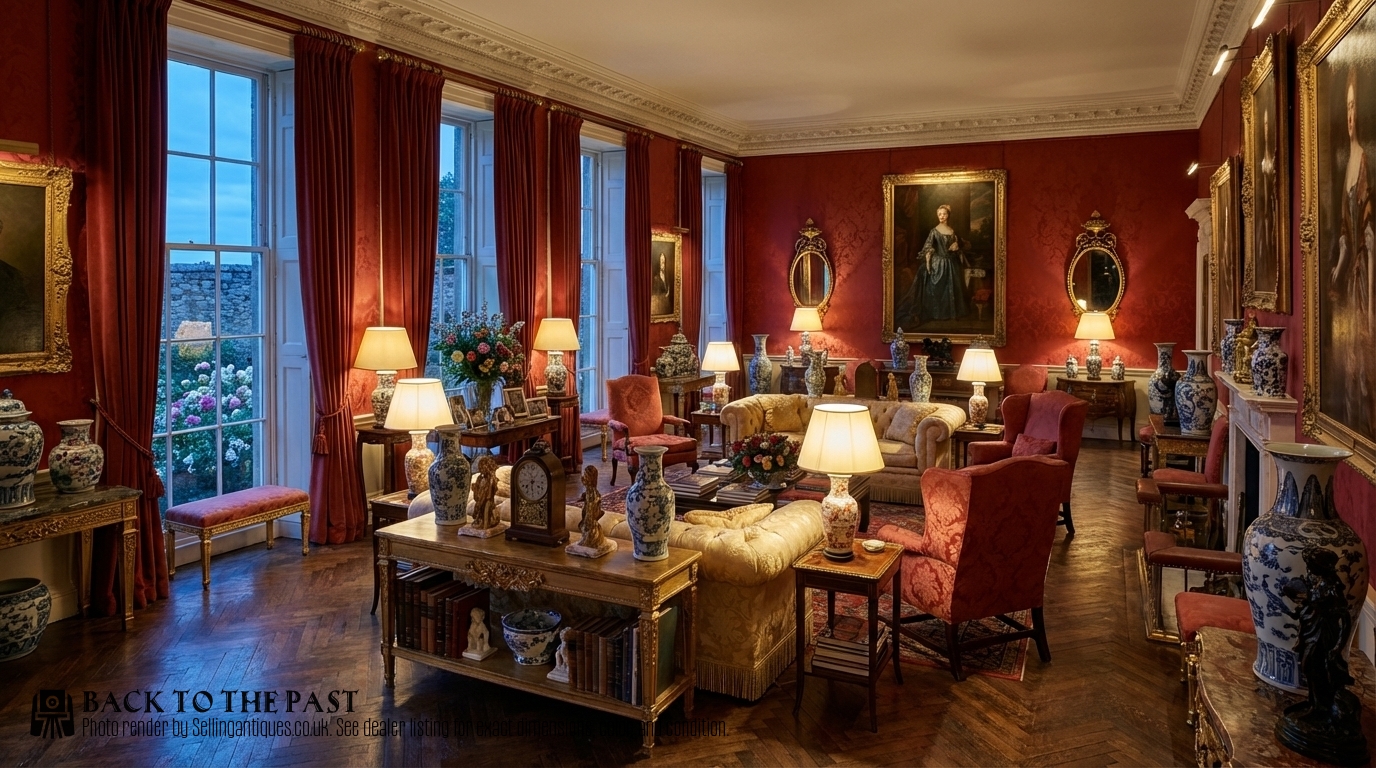
These pieces suit positions above mantelpieces, flanking doorways, or over low chests of drawers where symmetry enhances the room.
Matching pairs work exceptionally well when hung opposite windows to maximise natural light reflection.
How do I identify period pieces?
Examine the construction joints, timber species behind the gilding, and the oxidation patterns within the glass plates.
Period frames show hand-cut joinery and traditional gesso preparation rather than modern synthetic mouldings.
What is a girandole mirror?
A girandole is a wall mirror equipped with integrated candle arms extending from the frame.
These arms allowed reflected candlelight to illuminate dark evening interiors.
Are revival pieces well made?
Revival items from the nineteenth and twentieth centuries often utilised traditional carving and gilding techniques.
Skilled craftsmen replicated earlier Georgian styles with considerable fidelity and robust materials.
How do I clean giltwood frames?
Dust giltwood surfaces gently with a soft, dry brush to prevent abrasion to the delicate gold leaf.
Avoid liquid cleaners entirely, as moisture damages the underlying gesso and historical finish.