

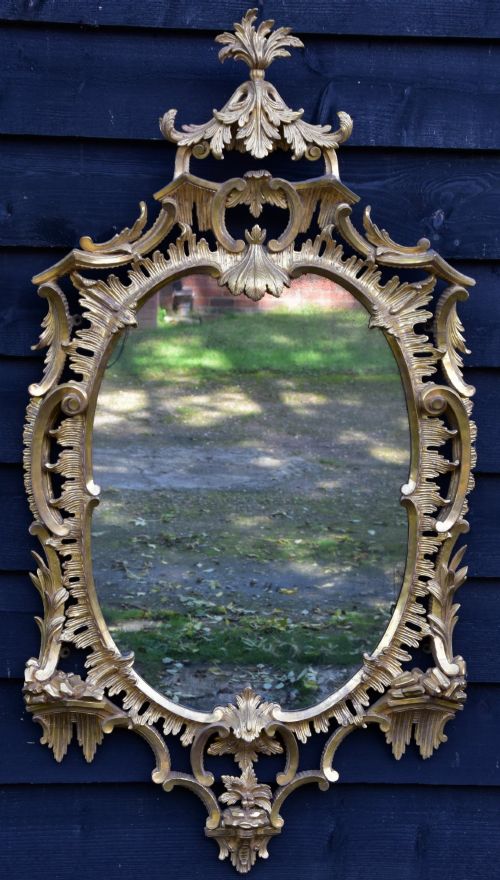
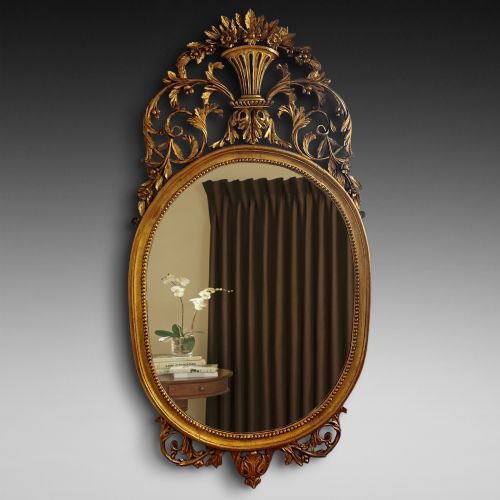


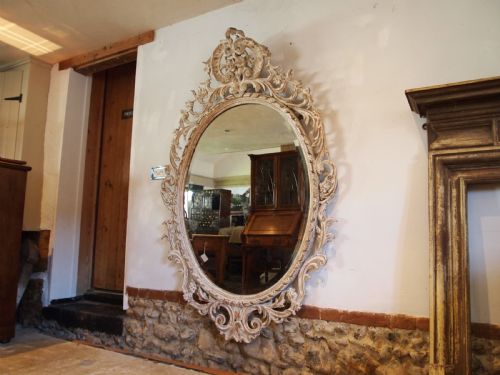


Antique Oval Pier Glass
An antique oval pier glass brings architectural poise and reflected light to a room, framing a wall space between windows with graceful curves.
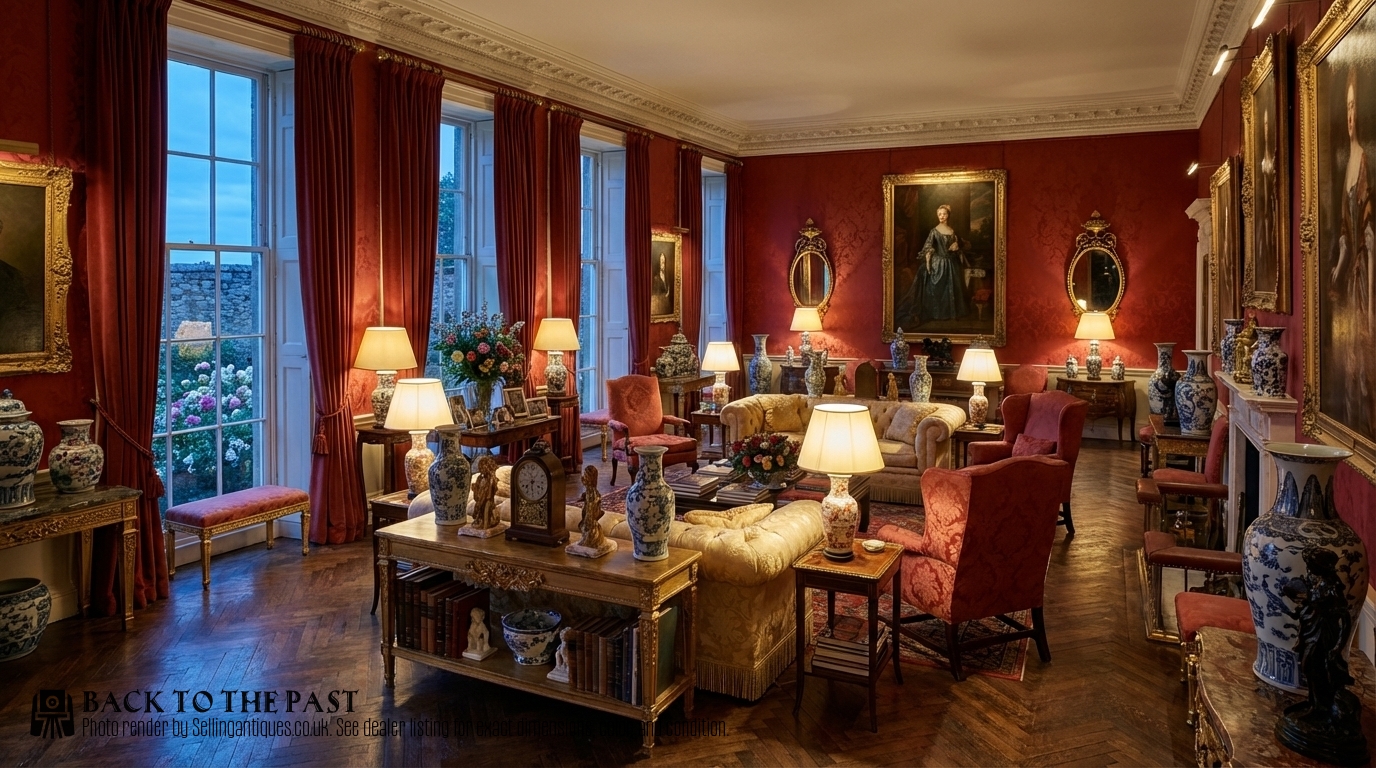
Antique Oval Pier Glass
An antique oval pier glass is a wall mirror designed to hang between windows or above a pier table, bringing light and scale to a room. The selections on this page span the Georgian and Victorian periods, alongside specific dates from the eighteenth and nineteenth centuries.
The dominant forms are grand wall mirrors built in giltwood, accompanied by occasional pier cabinets in figured walnut. Buyers will most frequently encounter nineteenth-century giltwood examples alongside Georgian and eighteenth-century pieces with original plates.
Stylistically, the selection embraces Neoclassical symmetry, George III refinement, and exuberant Rococo Revival curves. Italian and French influences appear alongside British cabinetmaking traditions, offering varied interpretations of classical ornament.
How they were made
Frames are constructed from timber finished in gesso and giltwood, utilising gold leaf to achieve a luminous metallic surface. Carved wooden elements rely on traditional joinery and hand-applied ornamentation to shape the distinctive oval borders.
Mirrored glass is set within the carved housings, sometimes retaining original plates that show the slight imperfections and soft reflection characteristic of earlier manufacturing methods. Walnut variants employ figured veneers applied to solid carcases for pier cabinets.
Antique Oval Pier Glass Retail Price Guide 2026
Typical asking prices for oval pier glass among the pieces listed under this phrase on Sellingantiques today, from the lower quarter to the upper quarter. They describe what is for sale here now, not the wider market.
Several mirrors carry reflections older than the United States, watching quiet drawing rooms shift from candlelight to electric bulbs over the centuries.
What varies in quality
The distinction between tiers rests upon the crispness of the wood carving and the depth of the gesso preparation beneath the gold leaf. Finer examples display meticulous hand-chiselled detail in the Neoclassical or Rococo motifs rather than softened or mass-produced cast ornament.
The integrity of the mirror plate contributes significantly to the character of the piece, with original eighteenth-century glass holding greater historical weight than later replacements. Proportions that harmonise the width of the frame with the curve of the oval glass define the most successful compositions.
The Antique Oval Pier Glass Glossary
- Pier glass
- A tall mirror designed specifically to hang on the narrow pier of wall between two windows. It often sits above a matching pier table.
- Giltwood
- Timber, commonly pine or gesso-coated wood, covered with thin sheets of gold leaf. This technique provides a durable and brilliant metallic finish.
- Gesso
- A plaster-like mixture applied to wood frames to create a smooth surface for carving and gilding. It allows for intricate relief ornamentation.
- Neoclassical
- A style spanning the eighteenth and nineteenth centuries inspired by classical antiquity. It favours symmetry, restraint, and classical architectural motifs.
- Figured walnut
- Timber exhibiting highly decorative grain patterns, such as whorls or flames. Cabinetmakers use it selectively on prominent exterior surfaces.
Antique Oval Pier Glass: Frequently Asked Questions
Where should I hang a pier glass?
Historically, a pier glass hangs on the narrow wall space between two windows to reflect natural light back into the interior. They work equally well above a mantelpiece or a console table in a hallway.
Ensure the wall construction can support the weight of a heavy timber and glass frame, securing it with appropriate fixings.
How do I identify a Georgian mirror?
Georgian mirrors typically display hand-carved wooden frames finished in giltwood, often incorporating Neoclassical urns, swags, or architectural moulding. The proportions follow classical design rules established during the reigns of the Georges.
Closer inspection of the reverse often reveals Baltic pine timber construction and hand-cut joining methods specific to the eighteenth century.
What is the difference between a pier glass and a pier cabinet?
A pier glass is a wall-mounted mirror designed for the architectural space between windows, whereas a pier cabinet is a low standing piece of furniture placed in the same position. Both serve to furnish the difficult narrow wall spaces in formal rooms.
While mirrors maximise light, pier cabinets provide enclosed display space for porcelain and small objects.
How should I clean giltwood frames?
Dust giltwood frames gently with a soft, dry brush to prevent damage to the delicate gold leaf surface. Avoid liquid cleaners, polishes, moisture, and modern chemical sprays.
Water and abrasive cloths can strip the historical gesso and gilding entirely, permanently harming the finish.