
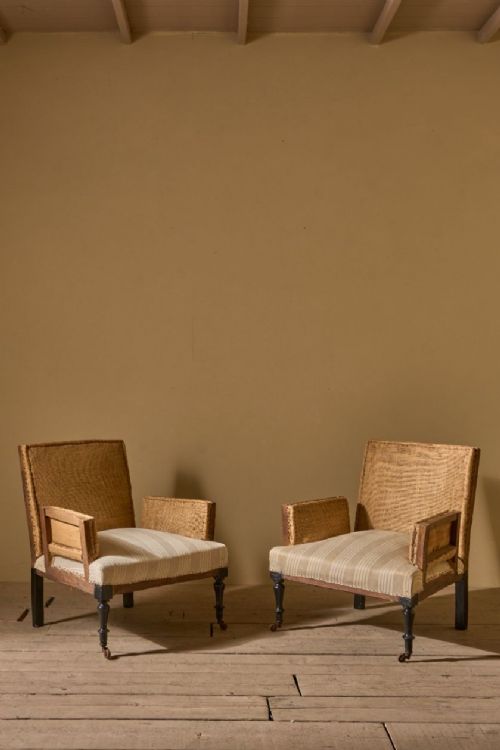
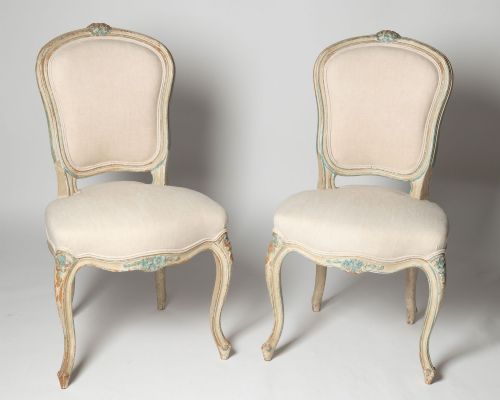
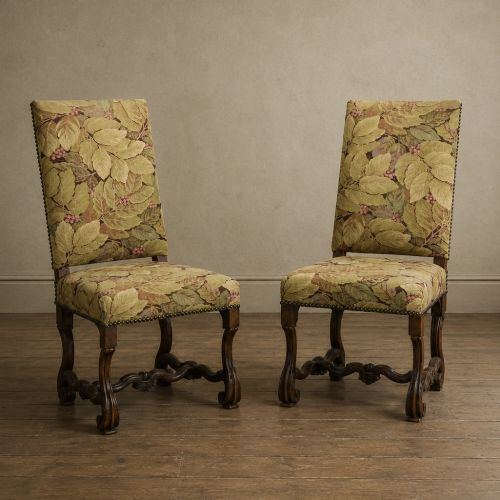
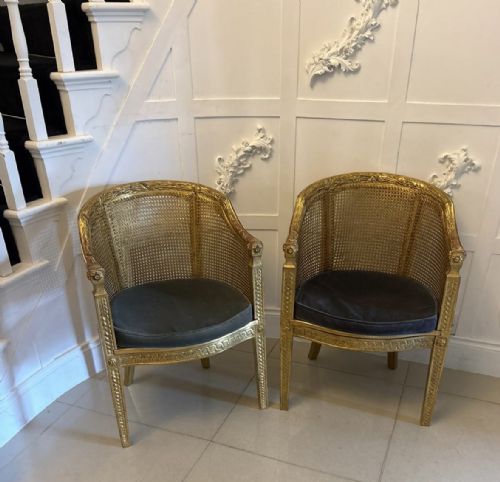


Pair French Side Chairs
A pair french side chairs brings both decorative elegance and practical seating to a room, spanning styles from Louis XV to Empire Revival.
Pair French Side Chairs
A buyer seeking a pair french side chairs will encounter seating designed for salons, boudoirs, and halls, predominantly originating from the nineteenth century alongside later twentieth-century interpretations.
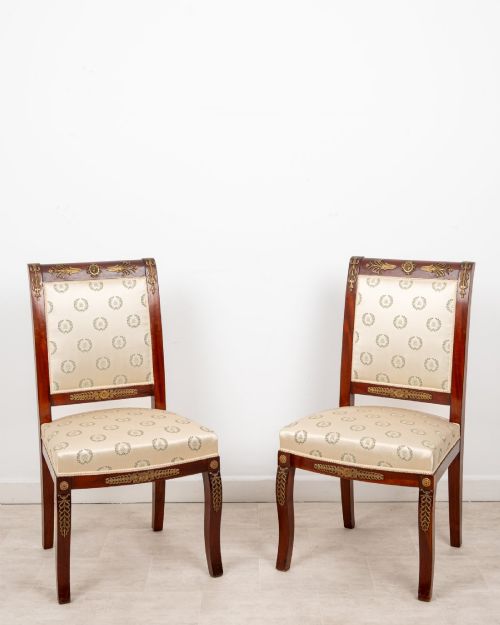
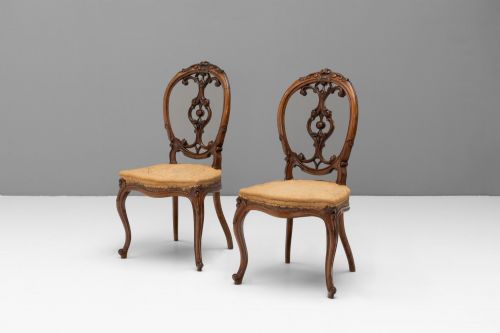
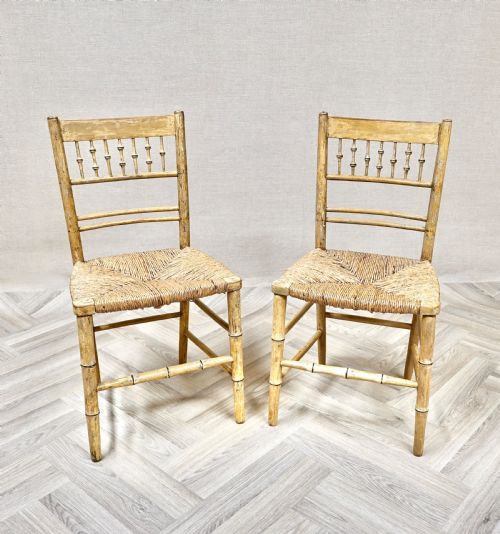
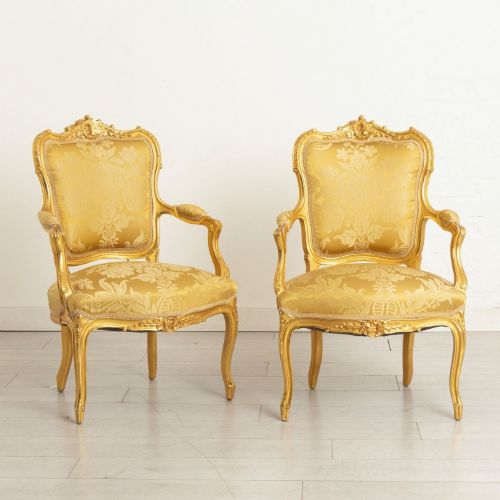
The selections range from heavily carved walnut and giltwood formal chairs to lighter painted, bamboo-effect, and caned bedroom or occasional seats.
Stylistic influences heavily draw upon Louis XV, Louis XVI, and Neoclassical revivals, offering matching pairs that function well in both traditional and contemporary interiors.
Materials and Construction
Construction relies heavily on traditional timbers such as walnut, mahogany, and beech, frequently shaped into cabriole or square-sided forms.
Surface finishes include intricate hand-carving, gilding, and painted or simulated bamboo treatments, often accented with ormolu mounts.
Seating portions incorporate cane work, solid wood panels, or traditional upholstery finished in silk, velvet, damask, or needlepoint.
Pair French Side Chairs Retail Price Guide 2026
Typical asking prices for pair french side chairs among the pieces listed under this phrase on Sellingantiques today, from the lower quarter to the upper quarter. They describe what is for sale here now, not the wider market.
Some nineteenth-century makers cleverly carved plain beech to mimic exotic bamboo.
Craftsmanship and Proportion
The refinement of the hand-carved detailing on the wooden frames distinguishes higher-grade pieces from standard production.
Proportion and symmetry between the two chairs dictate overall visual harmony, ensuring that the paired pieces match precisely in line and stance.
The integrity of the structural joints and the preservation of original or period-appropriate surface finishes, such as gilding or paint, elevate the status of the item.
The Pair French Side Chairs Glossary
- Giltwood
- Wood that has been coated with gold leaf or a gold-coloured finish. This technique was widely utilised in formal French seating to create a luxurious metallic sheen.
- Bergere
- An enclosed upholstered armchair with wooden framing and a built-in upholstered back and sides. These pieces often feature cane work or cushion bases.
- Cabriole
- A furniture leg that curves outward and then tapers inward, typically ending in a ornamental foot. This design is a defining characteristic of Louis XV style seating.
- Caning
- Woven rattan or split cane material used for chair seats and backs. It provides a lightweight, flexible surface popular in various nineteenth-century designs.
- Ormolu
- Gilded bronze detailing applied as decorative mounts onto furniture frames. These metal accents frequently appear on Empire and revival pieces.
Pair French Side Chairs: Frequently Asked Questions
Where should I place a pair french side chairs?
These chairs work well flanking a fireplace, positioned against a hallway wall, or serving as dressing table seating in a bedroom. Their decorative frames ensure they contribute visual interest even when not in active use.
Because they arrive as matched pairs, placing them symmetrically enhances the balance of a room. They also fit comfortably into compact spaces as occasional seating.
How do I identify a revival style?
Revival pieces replicate the proportions, motifs, and silhouettes of earlier royal French eras, such as the reign of Louis XV or Louis XVI. Nineteenth-century makers frequently reinterpreted these classical designs using contemporary woodworking methods.
Examining the timber ageing, joinery techniques, and secondary woods helps differentiate an authentic nineteenth-century revival piece from an older original model.
Are these chairs suitable for daily use?
Many of these pieces were constructed with robust hardwoods like walnut and mahogany, making them structurally sound for regular sitting. However, older frames and delicate gilt surfaces benefit from careful handling.
Upholstered versions may require periodic reinforcement or new fabric depending on their current condition, ensuring they remain comfortable and stable.