

Vintage Occasional Chairs
Vintage occasional chairs are versatile smaller seats that bring character and extra seating to a room.
Vintage Occasional Chairs
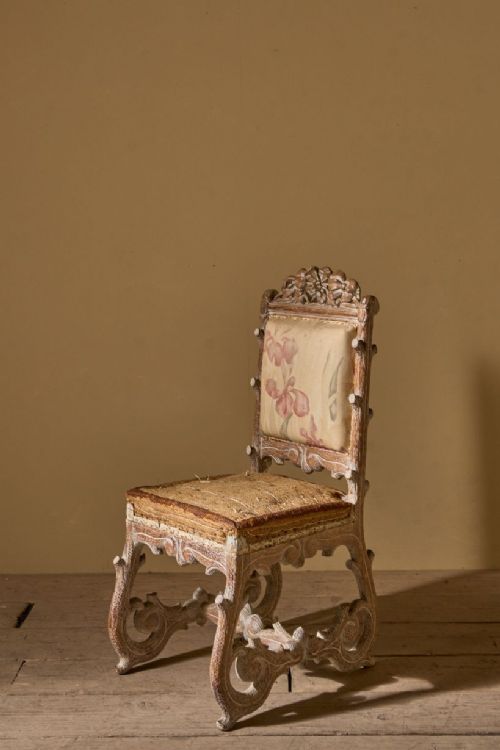
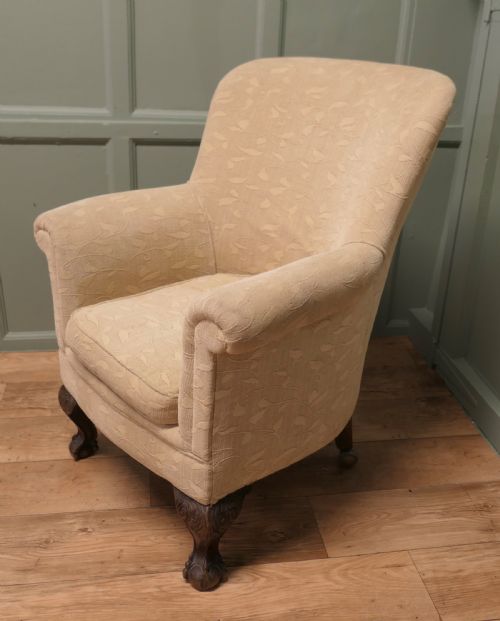
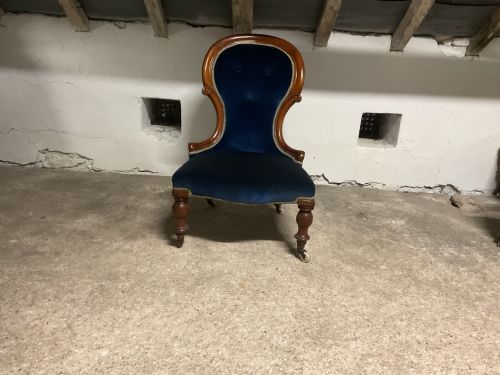
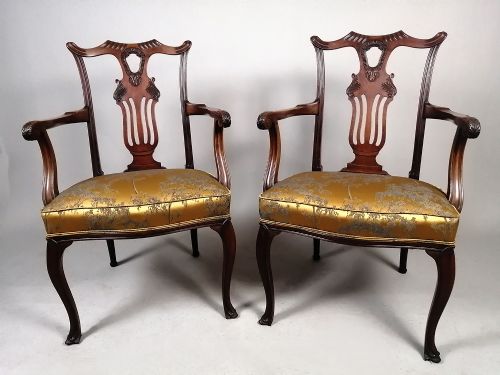
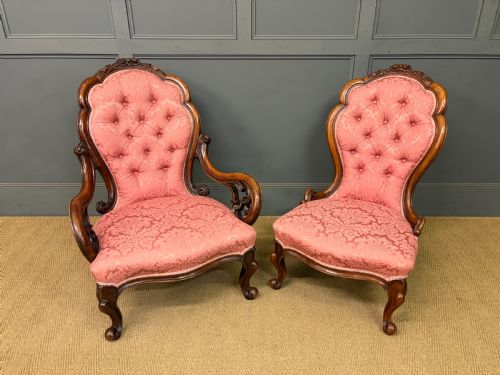
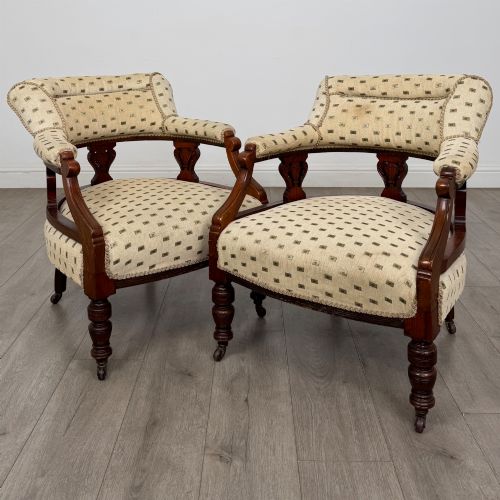
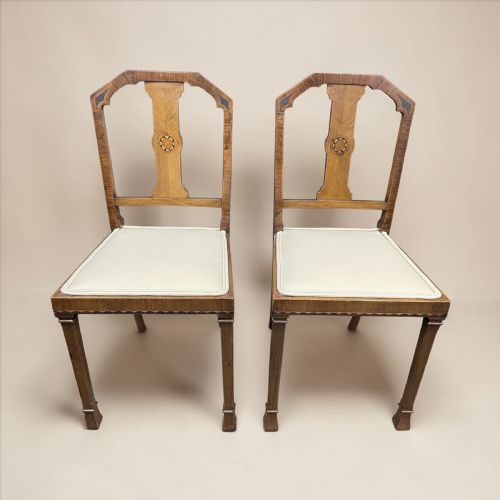
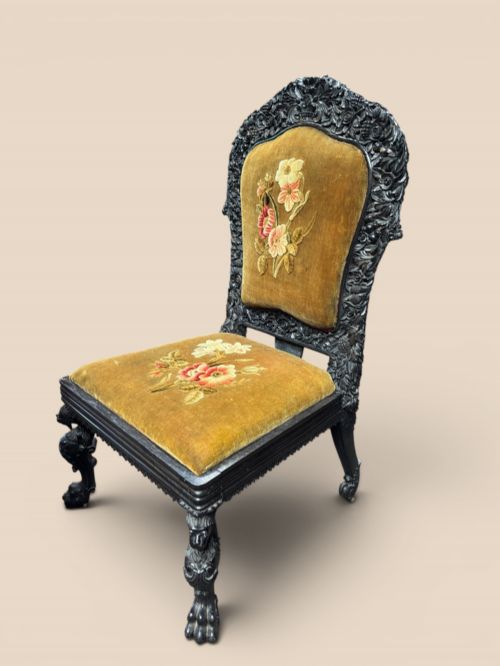
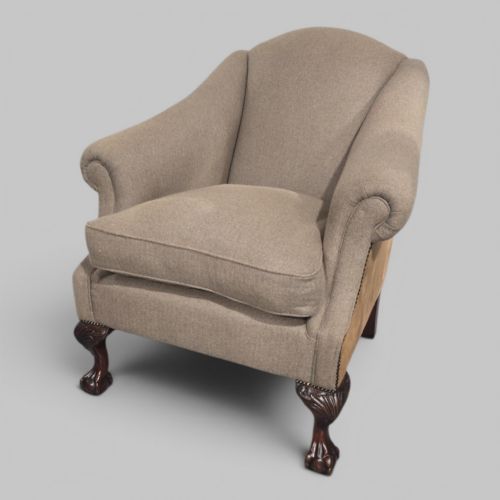
Vintage occasional chairs encompass a wide variety of secondary seating used throughout the home, from bedrooms to parlours. When searching for vintage occasional chairs, buyers encounter diverse forms including nursing chairs, tub chairs, salon chairs, and elbow chairs.
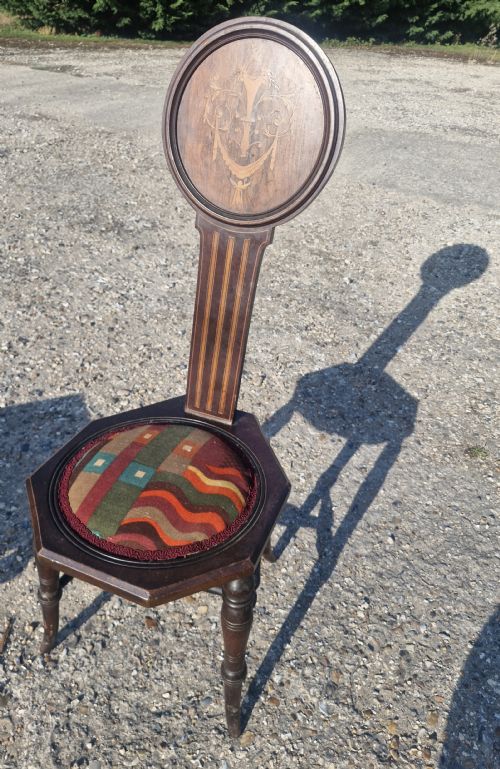
The selections span multiple periods, notably the Victorian, Edwardian, and Art Deco eras, alongside nineteenth-century examples. Mahogany, walnut, and beech appear frequently as the primary woods shaping these designs.
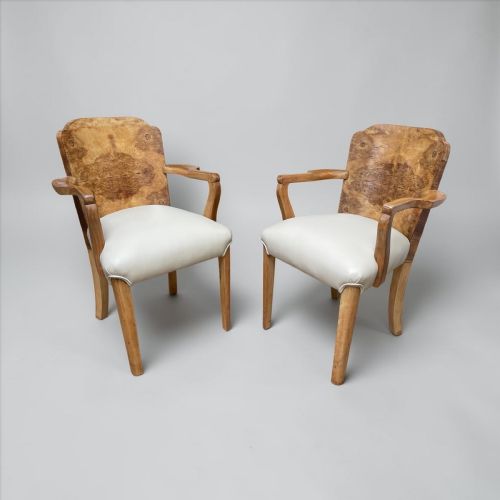
Stiles range from straightforward side chairs to ornate carved library armchairs and inlaid bedroom seating. Buyers find both single statement pieces and matched pairs ready for placement.
Materials and construction methods
Traditional cabinetmaking underpins these pieces, utilising dense timbers like mahogany, walnut, and satinwood for frames. Inlayers added contrasting stringing and decorative motifs to flat surfaces, while other frames relied on carved beech or oak.
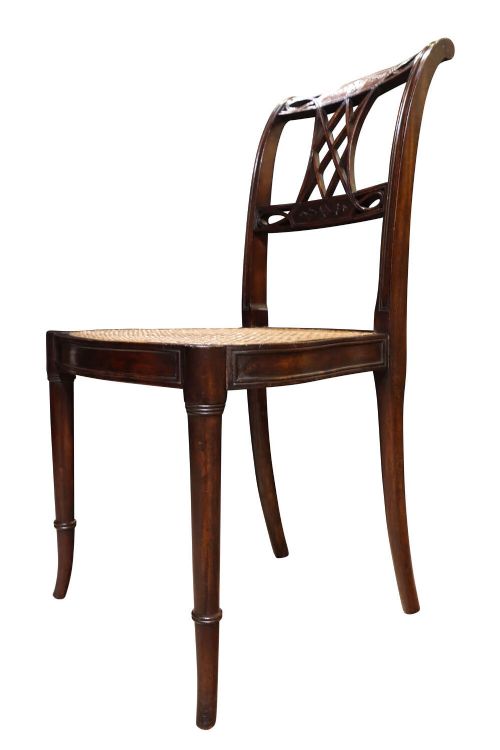
Upholstery techniques varied by period, utilising supportive internal padding finished in velvet, leather, or patterned fabric. Caning provided lightweight seating surfaces on specific Edwardian and nineteenth-century bedroom chairs.
Metal components appear selectively, including brass framework on salon chairs and wrought iron on French garden or conservatory armchairs. Faux bois techniques replicated natural timber textures using alternative mediums on nineteenth-century frames.
Vintage Occasional Chairs Retail Price Guide 2026
Typical asking prices for vintage occasional chairs among the pieces listed under this phrase on Sellingantiques today, from the lower quarter to the upper quarter. They describe what is for sale here now, not the wider market.
Listings feature woods including mahogany, walnut, beech, oak, and satinwood alongside brass and wrought iron.
Judging quality and craftsmanship
Quality rests primarily in the crispness of the woodwork carving and the precision of any wood inlay. Superior pieces display tight joinery and well-selected timber grains, particularly on visible mahogany and walnut surfaces.
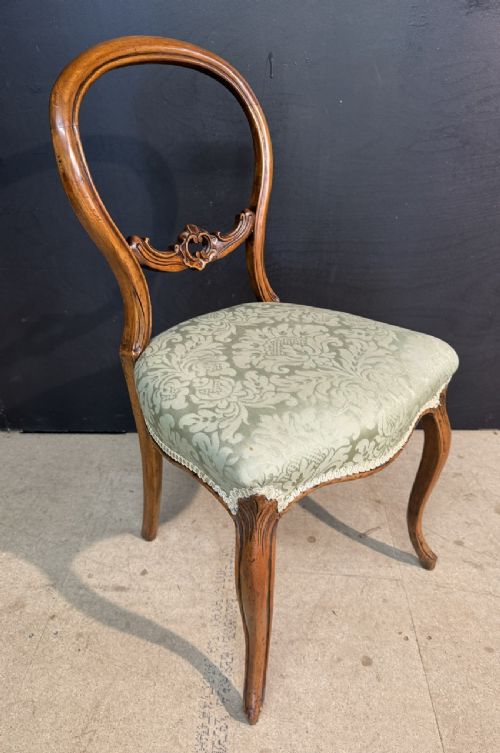
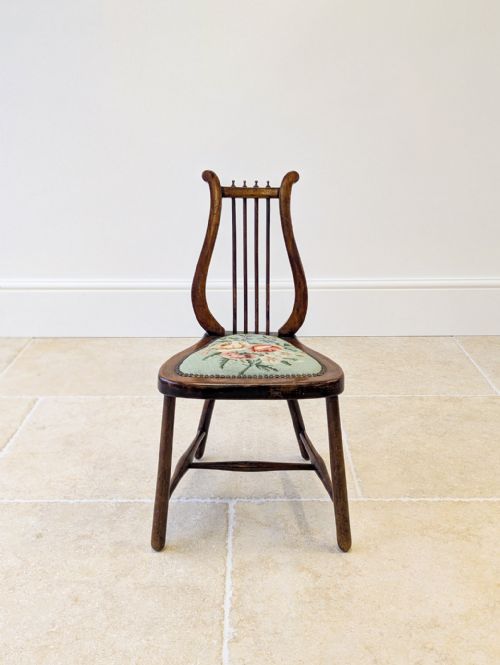
The integrity of the original frame construction dictates durability, separating robust library armchairs from lighter bedroom chairs. Finer examples retain balanced proportions and sophisticated stylistic details such as lyre backs or cabriole legs.
Hille·Harry and Lou Epstein·Heals
The Vintage Occasional Chairs Glossary
- Occasional chair
- A lightweight, movable seat designed to be used in various rooms as needed rather than remaining fixed in one spot.
- Nursing chair
- A low-seated Victorian chair originally designed to allow a mother to nurse an infant in comfort.
- Tub chair
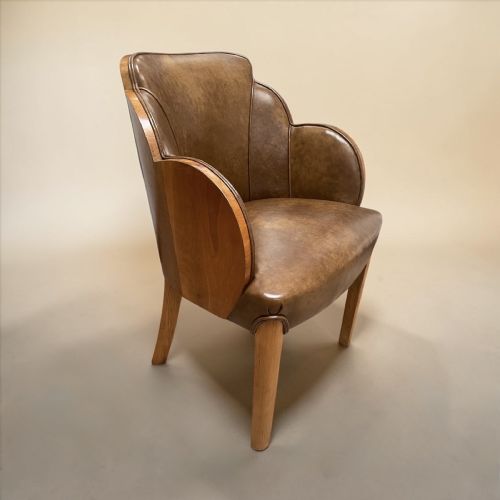
- An armchair featuring a rounded, enclosed back that curves continuously into low arms.
- Fauteuil
- An open-framed French armchair featuring upholstered armrests and exposed wooden framing, common in eighteenth and nineteenth-century styles.
- Stringing
- A thin inlay of contrasting wood used to create decorative geometric lines on furniture surfaces.
- Cane
- Plant material woven into an open mesh pattern to form lightweight seats and backrests.
Vintage Occasional Chairs: Frequently Asked Questions
Where should I place an occasional chair?
These seats suit empty corners, bedrooms, or hallways where space is limited but extra seating is required. They offer an accent point without dominating a room's primary layout.
Pairs work well flanking a fireplace or positioned beneath a window, while single chairs complement larger bedroom suites or dressing areas.
What is the difference between an armchair and a salon chair?
Armchairs offer substantial wooden or upholstered armrests designed for extended sitting in libraries or living spaces. They generally feature heavier timber frames.
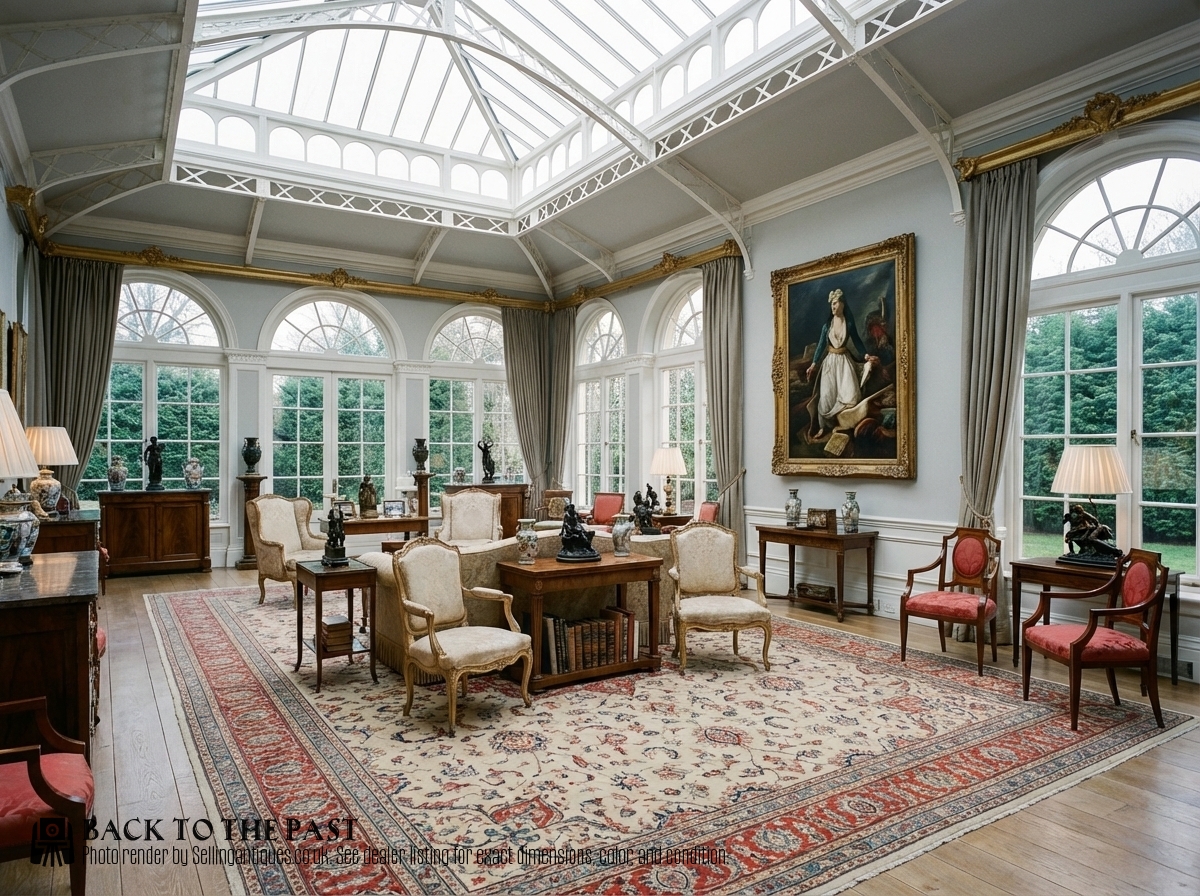
Salon chairs are lighter, more decorative seats intended for entertaining in formal reception rooms. They prioritise delicate styling over deep lounging comfort.
Can I mix different chair styles in one room?
Mixing periods like Art Deco with Victorian pieces adds visual depth and prevents a room from looking uniform. Shared timber tones or complementary upholstery help bridge disparate styles.
Occasional chairs act as accent pieces precisely because they do not need to match dining or main sofa sets.