


Pair French Bronzes
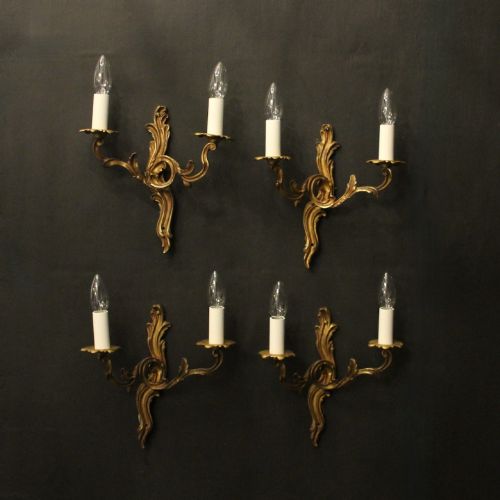
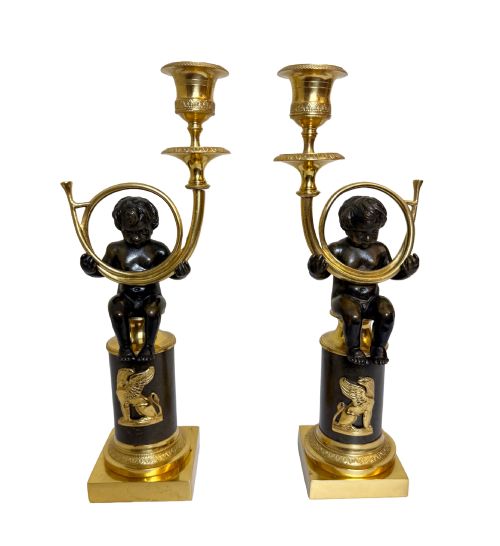
These pair french bronzes bring decorative symmetry to a room, spanning wall lights, candelabra, and figural sculptures cast across the nineteenth and twentieth centuries.
Pair French Bronzes
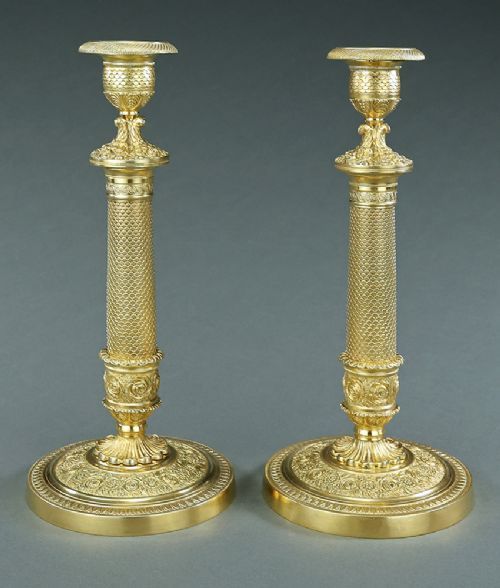
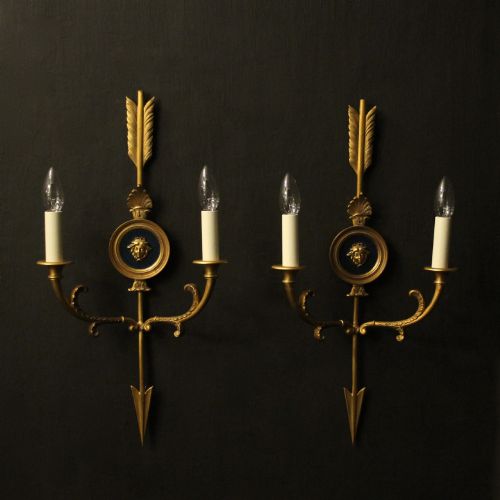
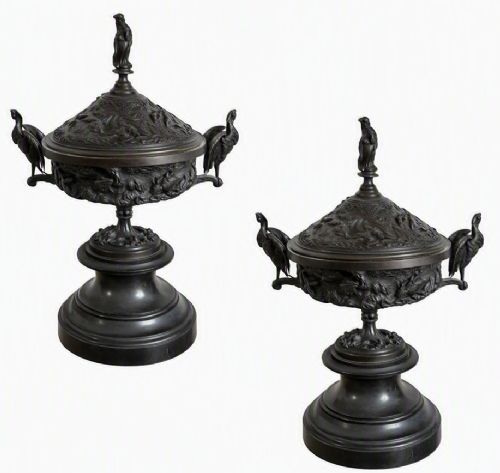
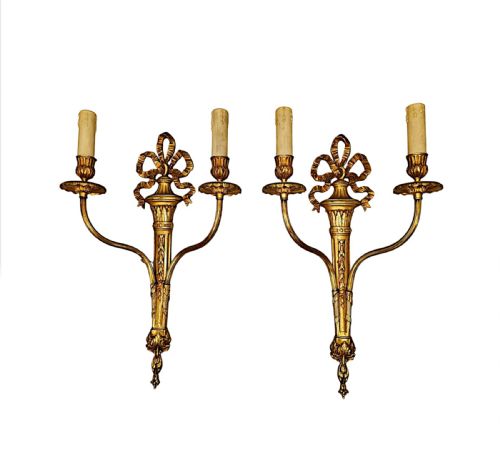
Pair french bronzes encompass matched sets of decorative metalwork, lighting fixtures, and sculptural ornaments originating from France across the eighteenth, nineteenth, and early twentieth centuries. These objects frequently take the form of candelabra, wall lights, garniture vases, and figural groups cast in bronze or patinated metal.
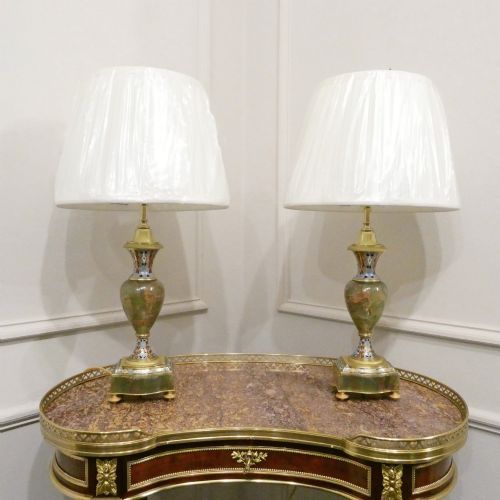
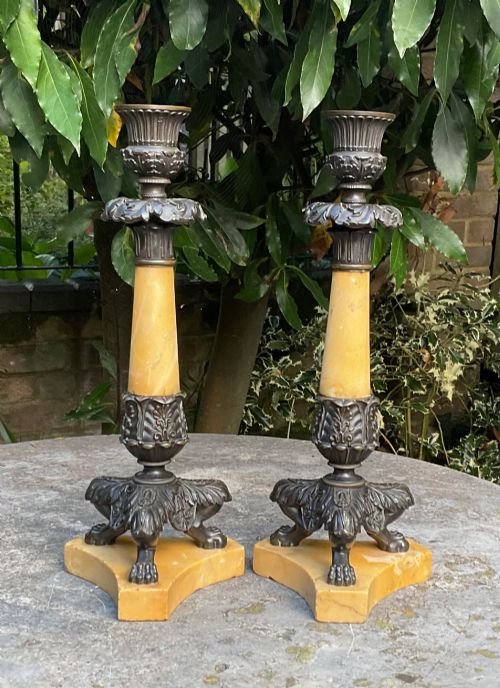
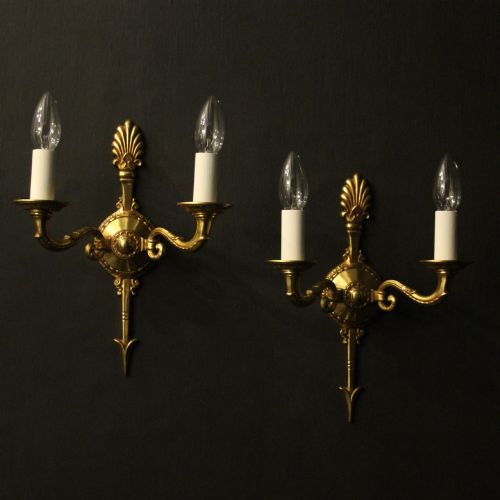
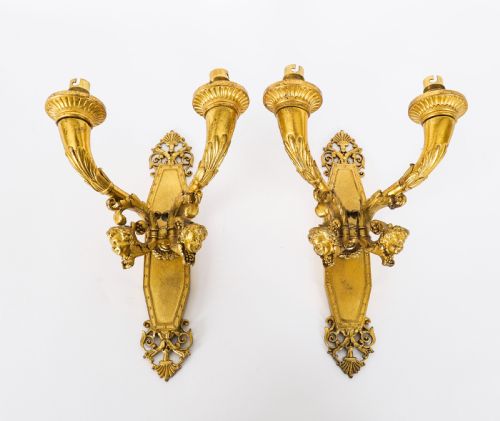
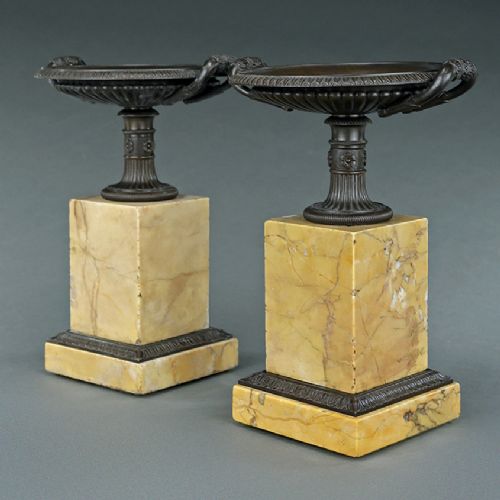
The selections encountered on this page range from neoclassical candelabra and gilt bronze wall sconces to marble-based tazzas and table lamps. Pieces from the 1860s and 1880s frequently display classical revival motifs, while later examples incorporate champleve enamel and porcelain elements.
Buyers select these matching dual objects to anchor mantelpieces, flank mirrors, or provide balanced illumination in formal interiors. The inventory reflects diverse functional types, uniting utilitarian lighting with pure decorative sculpture.
Materials and casting methods
Foundries utilised bronze, brass, and spelter as base metals, frequently applying mercury gilding or ormolu finishes to create the characteristic golden surface sheen. Many items incorporate contrasting natural materials, pairing metal components with white marble, onyx, or porcelain bases.
Casting techniques combined lost-wax or sand-casting methods with subsequent hand-chasing to sharpen surface details on figures and foliage. Ormolu mounts and collars were then pinned or screwed to stone pedestals, uniting metalwork with mineral supports.
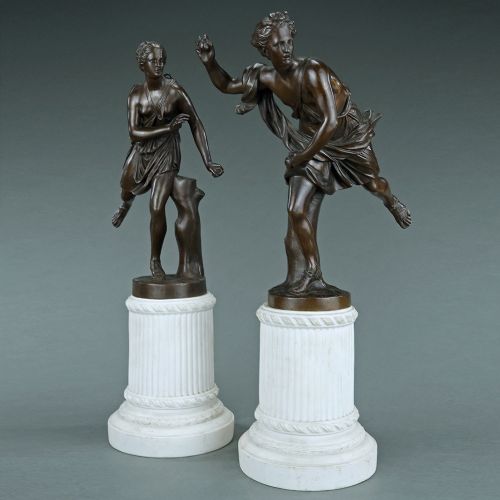
Several matched pairs capture frolicking cherubs and mythological figures mid-mischief, guarding mantelpieces with celestial charm.
Distinctions in craftsmanship
The richness and durability of the gilding or patination differentiate workshop standards, alongside the selection of supporting materials like finely turned marble or genuine champleve enamel rather than plain brass.
Barbedienne·E Rousseau·Louis Marie Moris·Jean Gautherin
The Pair French Bronzes Glossary
- Ormolu
- Gilt bronze mounted on decorative objects, created by applying a mercury and gold amalgam to the metal surface before firing.
- Champleve
- An enamelling technique where troughs are dug into the metal surface and filled with vitreous paste before firing.
- Tazza
- A shallow ornamental cup or vase mounted on a pedestal foot, frequently executed in bronze and marble.
- Chenet
- An ornamental firedog placed at the hearth, often cast in matched pairs with figural or architectural decoration.
- Patination
- The surface coloration and ageing achieved naturally over time or accelerated through chemical application on bronze.
Pair French Bronzes: Frequently Asked Questions
How do I clean antique bronze?
Dust gently with a soft dry brush to preserve the historic surface patination without removing the underlying finish.
Avoid commercial metal polishes, as abrasive compounds strip away original gilding and ormolu highlights permanently.
Were these lighting pieces converted?
Many nineteenth-century candelabra and oil lamps underwent later conversion to electricity during the twentieth century to suit modern domestic requirements.
Inspect the wiring paths and internal channels to determine whether original candle sockets were adapted for electrical fittings.
How can I date these items?
Stylistic indicators such as Neoclassical motifs, Empire draping, or Rococo asymmetry provide initial chronological markers alongside casting characteristics.
Foundry marks, bronze signatures, and the type of underlying marble or mounting screws help narrow the production era.
Where should I place a pair?
Symmetrical placement works best on mantelpieces, sideboards, or flanking large mirrors to create visual balance in a room.
Ensure wall sconces and heavy candelabra are anchored securely into structural framing due to the substantial weight of the bronze and marble.