




French Rococo Sculptures
French rococo sculptures bring fluid 18th-century movement and playful mythological figures into domestic spaces through enduring bronze and porcelain forms.
French Rococo Sculptures
When you search for french rococo sculptures, you encounter cast bronze figures, ormolu mounts, and delicate porcelain groups that channel the exuberance of the 18th century. The pieces on this page span the 18th and 19th centuries, capturing both original period output and later revivals inspired by classical models.
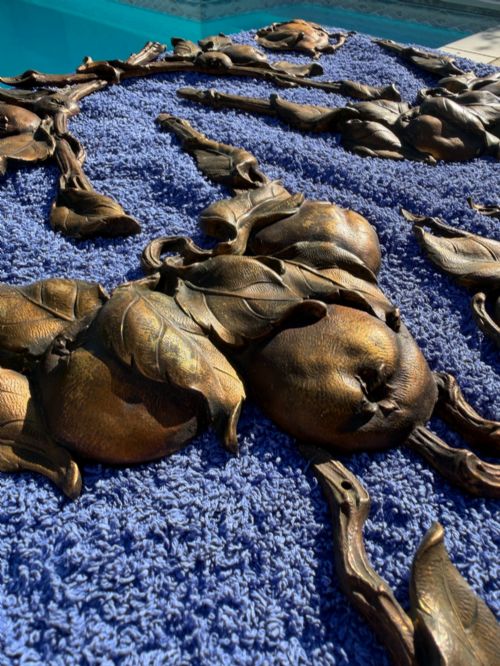
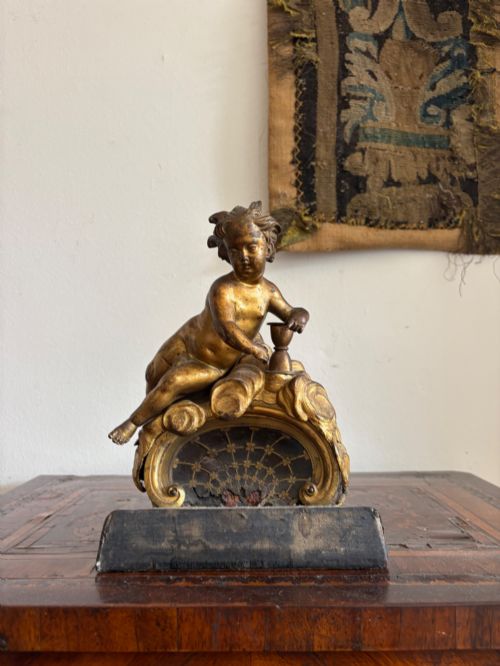
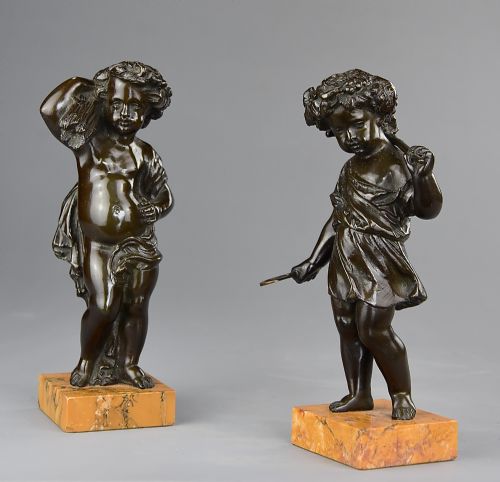
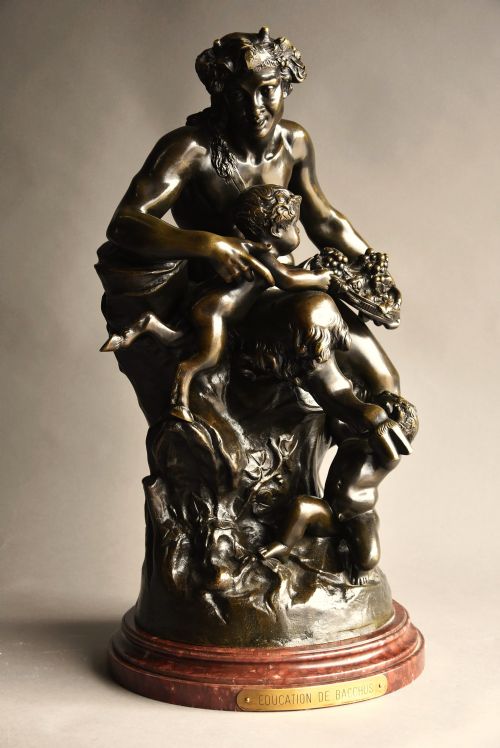
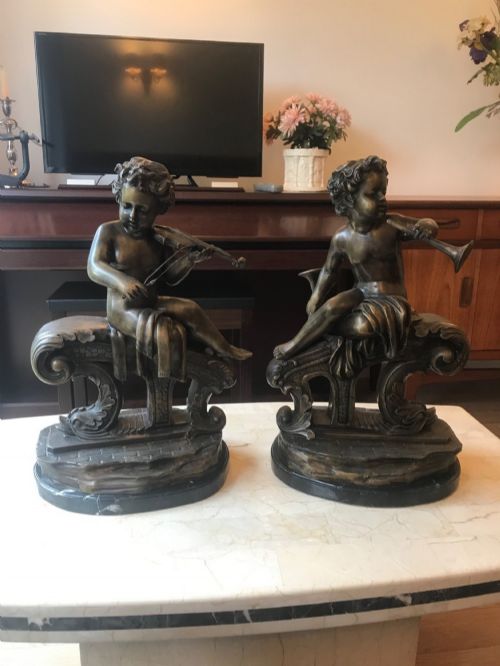
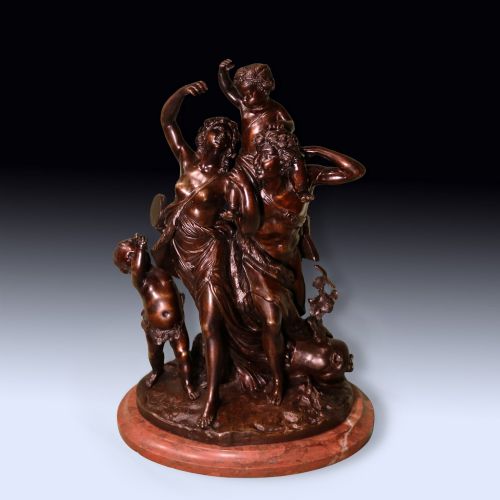
Moulders and modellers frequently turned to mythological subjects, depicting putti, satyrs, and pastoral shepherds in dynamic poses. These works appear as standalone statuettes, clock ornaments, and decorative furniture mounts.
Pedestals and plinths often accompany these sculptures, providing architectural support for heavy bronze and marble compositions. The dominant style is Rococo Revival, marked by asymmetrical scrolls, naturalistic foliage, and lively theatrical gestures.
How they were made
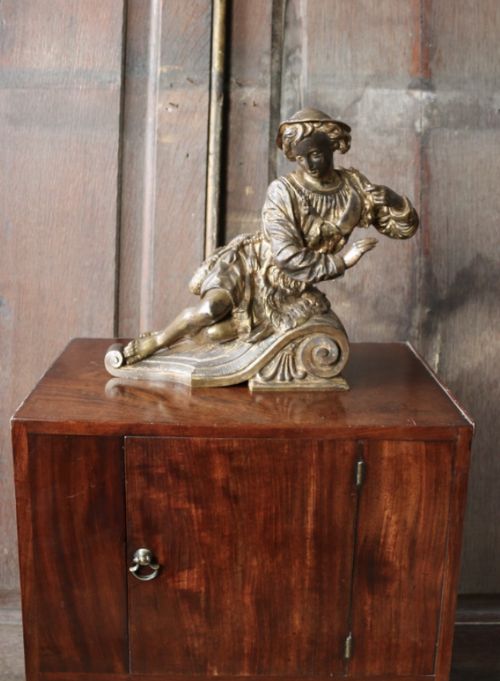
Foundries and studios relied on the lost-wax method and sand casting to shape molten bronze into intricate figures and decorative appliques. Artisans then applied fire-gilding to create the bright ormolu surfaces seen on clock mounts and andirons.
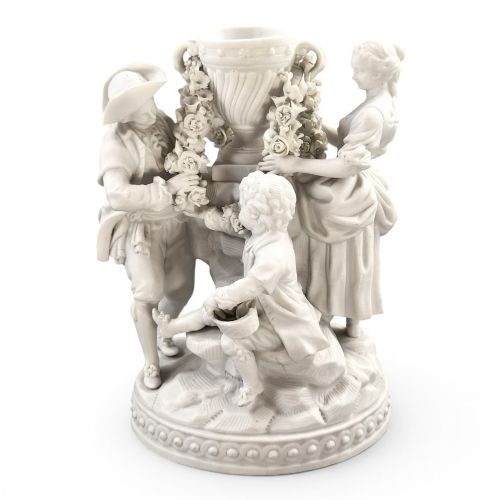
Porcelain works utilised soft-paste and biscuit clay bodies, shaped in moulds and hand-finished with enamel colours or left unglazed to mimic marble. Carvers also worked with walnut, alabaster, and marble to construct complementary pedestals and sculptural bases.
Bronze putti cheerfully harvest grapes and play musical instruments across multiple centuries without dropping a single ceramic grape.
What varies in quality
The crispness of the chording and chasing on bronze surfaces separates standard commercial castings from finer workshop output. Skilled metalworkers spent hours refining cast details by hand, sharpening feathers, hair, and facial expressions.
In porcelain groups, the delicacy of applied floral garlands and the smoothness of the glaze reveal the maker's technical proficiency. Early soft-paste pieces and marked workshop productions display superior body density and modelled depth compared to later commercial reproductions.
Poix Blin·Leon Message·Jollet et Cie·Vion & Baury·Charpentier Paris·Eugene Clauss
The French Rococo Sculptures Glossary
- Ormolu
- Gilded bronze, produced by applying a mercury and gold amalgam to a bronze base and heating it to drive off the mercury. This technique creates a rich, durable golden surface characteristic of fine French decorative arts.
- Biscuit porcelain
- Unglazed porcelain with a matte, fine-grained texture resembling white marble. Makers utilised this finish to highlight sculptural modelling without the distraction of surface gloss.
- Putto
- A plump, naked male child depicted in classical art, often winged and representing a cherub or cupid. These figures recur frequently in mythological and pastoral bronze groups.
- Andiron
- A horizontal metal support raised on legs, used to hold logs in a fireplace while displaying decorative front statuettes. French examples frequently incorporate cast bronze and ormolu figures.
- Applique
- An ornamental metal fitting attached to furniture or walls. These elements provide decorative relief through rococo scrolls and figural motifs.
French Rococo Sculptures: Frequently Asked Questions
What materials make up these sculptures?
The pieces utilise cast bronze, ormolu, biscuit porcelain, and soft-paste ceramic bodies. Many incorporate marble bases and carved wooden pedestals.
Surfaces feature hand-applied gilt, enamel painting, and natural patination developed over centuries.
Are these pieces from the 18th century?
The selection includes original 18th-century items alongside a significant number of 19th-century revival pieces. Nineteenth-century founders frequently reproduced earlier models after classical sculptors.
Maker marks, material composition, and casting style help determine the specific period of production.
How were these decorative figures displayed?
Owners placed bronze statuettes on mantelpieces, furniture tops, and dedicated pedestals or plinths. Smaller pieces served as clock ornaments, andirons, or furniture mounts.
Larger porcelain groups stood as centrepieces on dining tables or within glazed cabinets.
Who was Clodion?
Claude Michel, known as Clodion, was an 18th-century French sculptor celebrated for his terracotta and bronze works of nymphs, satyrs, and putti. Later 19th-century foundries frequently cast editions after his popular models.
His dynamic compositions define the playful spirit of the rococo revival.
What is Vieux Paris porcelain?
Vieux Paris encompasses the output of numerous independent porcelain workshops operating in and around Paris during the 18th and 19th centuries. These factories produced highly decorative figures, vases, and sculptural groups.
They are noted for rich enamel colours and fine biscuit porcelain bodies.