


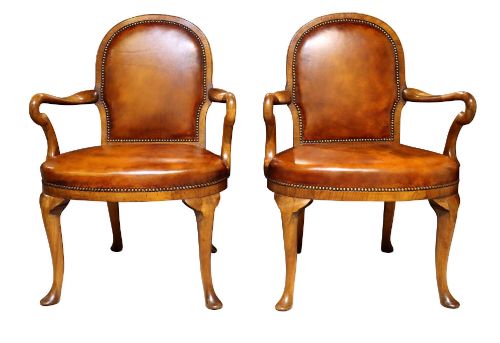
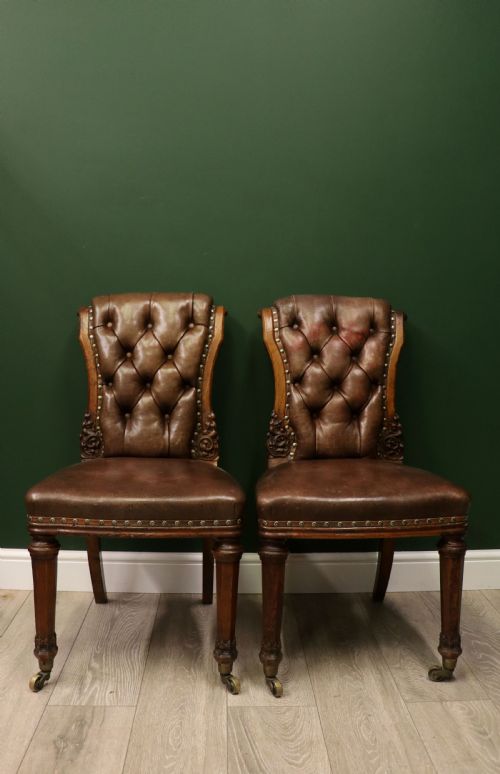
Pair Edwardian Accent Chairs
When you search for pair edwardian accent chairs, you step into a selection of versatile seating designed for domestic comfort and reception.
Pair Edwardian Accent Chairs
When seeking pair edwardian accent chairs, buyers encounter seating originating primarily from the Edwardian period, alongside related examples spanning the late nineteenth century to the early twentieth century.
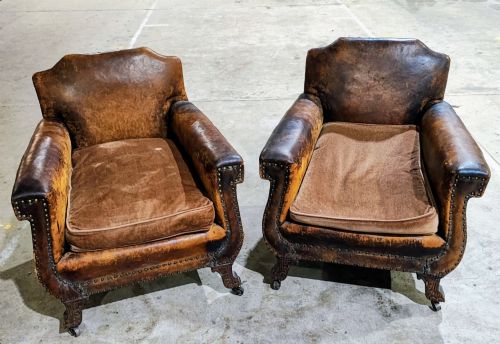
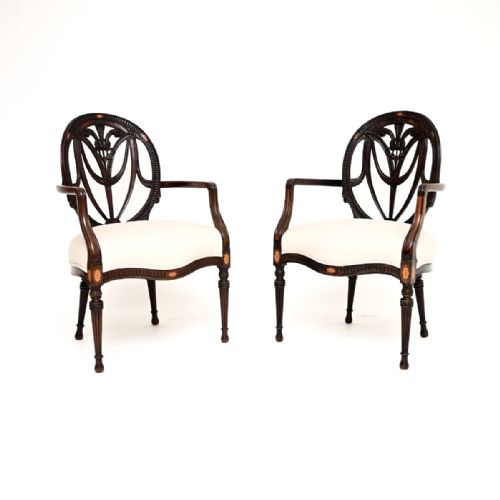
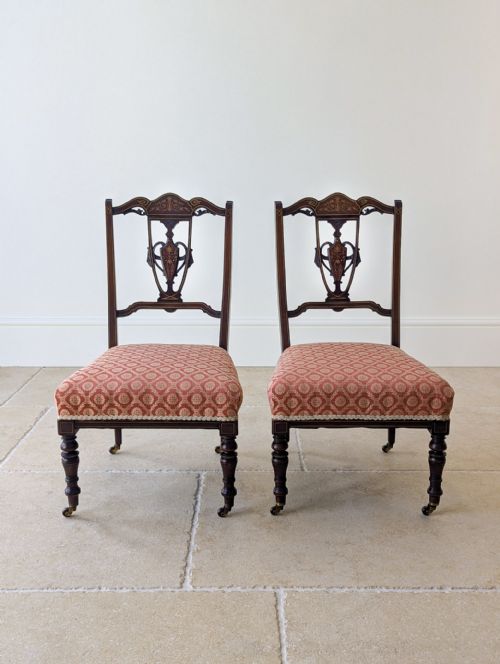
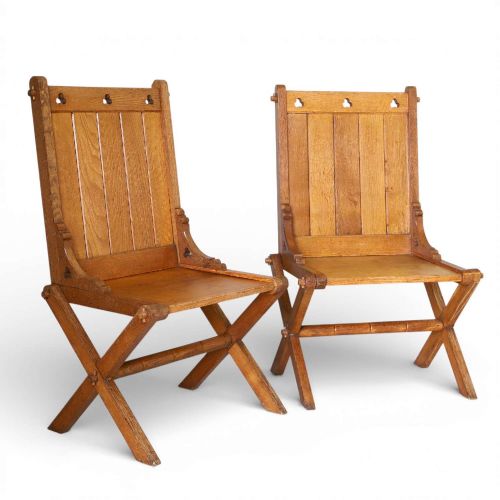
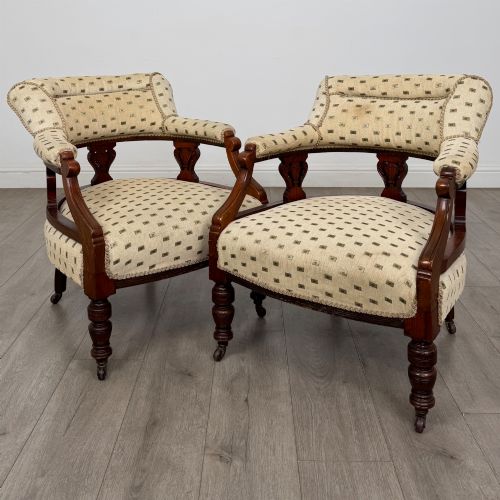
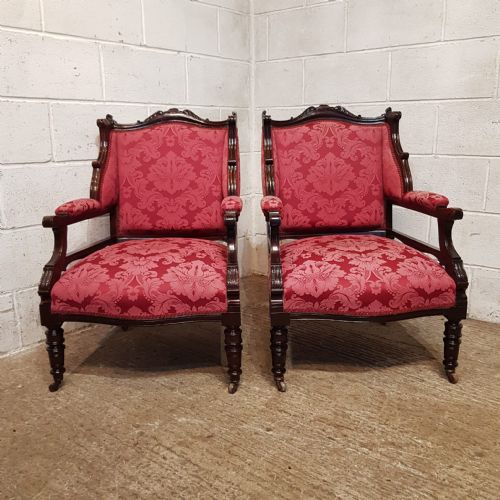
The selections on this page encompass various forms suited for domestic spaces, ranging from inlaid mahogany salon chairs and tub chairs to carver armchairs and upholstered easy chairs.
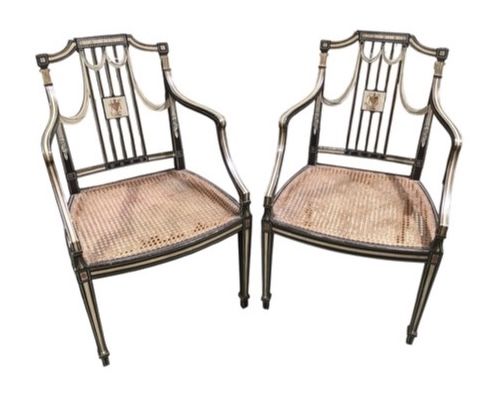
Makers and designers of these periods drew upon earlier stylistic vocabularies, resulting in pieces reflecting Sheraton revival, Arts and Crafts, and Art Nouveau influences alongside standard Edwardian domestic designs.
Materials and construction
Frames rely predominantly on hardwoods such as mahogany, walnut, and oak, frequently shaped through traditional joinery and carved detailing.
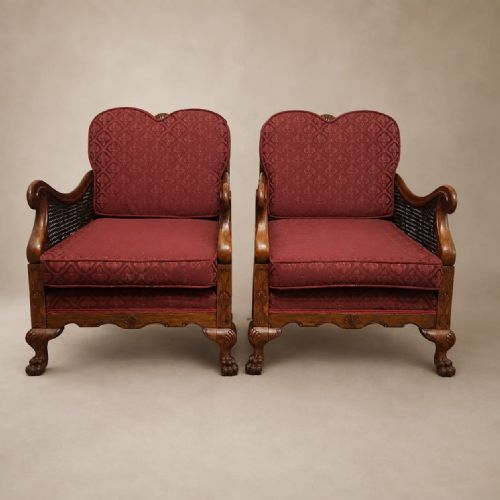
Upholstery incorporates materials like leather, velvet, and woven fabric, often paired with structural elements including split cane and brass castors.
Gossip chairs included built-in trays and angled seats for prolonged telephone conversations.
Distinctions in construction and design
The standard of carving, the precision of inlaid woodwork, and the selection of primary timbers differentiate simpler production pieces from finer workshop outputs.
Integrity of structural framing, the retention of original upholstery materials, and the sophistication of stylistic revival details dictate the standing of individual examples.
Charles Tozer·Howard and Sons·A W N Pugin
The Pair Edwardian Accent Chairs Glossary
- Edwardian
- A stylistic period spanning the reign of King Edward VII from 1901 to 1910, though the term often encompasses domestic design from the broader turn of the twentieth century.
- Bergere
- An enclosed upholstered armchair featuring wooden framing and cane panelling on the back and sides.
- Tub chair
- A seating form characterised by a continuous curved back and arms wrapping around a low seat.
- Carver armchair
- A sturdy wooden chair with armrests, traditionally placed at the head of a dining table or utilised as a substantial accent seat.
- Inlay
- A decorative technique where contrasting woods or other materials are inserted into recessed portions of the primary timber surface.
Pair Edwardian Accent Chairs: Frequently Asked Questions
What defines Edwardian accent chairs?
These chairs originate from the early twentieth century and prioritise lighter proportions compared to heavy Victorian predecessors. They often utilise mahogany or satinwood frames.
Design influences frequently draw on Sheraton revival themes, incorporating subtle inlay work and polished woodwork suitable for drawing rooms and parlours.
How are bergere chairs constructed?
Bergere chairs feature exposed wooden frames enclosing woven cane panels along the back and sides. This technique provides a lighter physical profile while maintaining structural strength.
Upholstered seat cushions rest within the timber base, offering accessible comfort for daily use.
Where should accent chairs be placed?
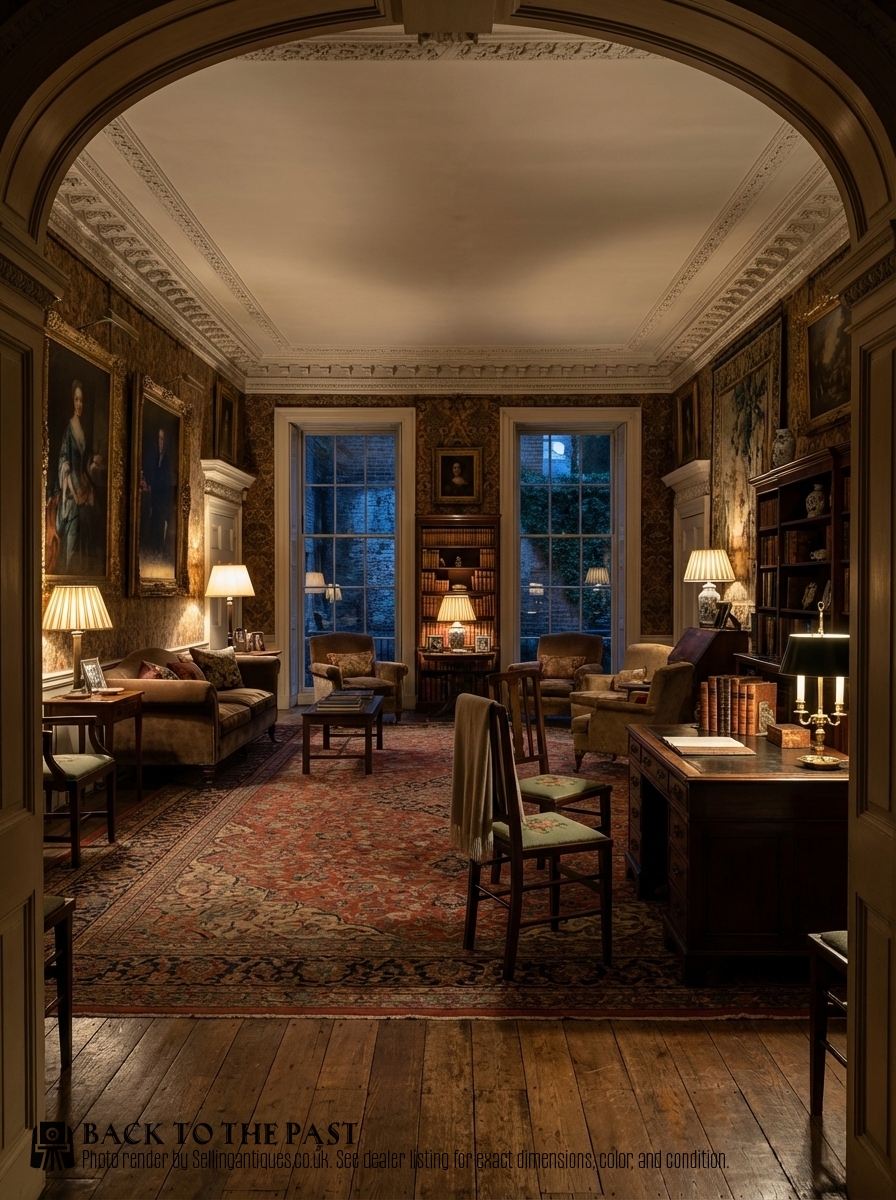
Historically, these pairs served in drawing rooms, bedrooms, and reception spaces to provide flexible seating. Their balanced proportions allow placement flanking a fireplace or beneath a window.
Living with a pair involves arranging them to facilitate conversation while maintaining clear pathways through a room.
How do I distinguish Edwardian from Victorian furniture?
Victorian seating generally displays heavier proportions, darker timbers, and more exuberant carved ornamentation. Edwardian pieces favour lighter construction, brighter mahogany, and refined neoclassical revival details.
Material choices and stylistic motifs help clarify the chronological span of individual pieces.