
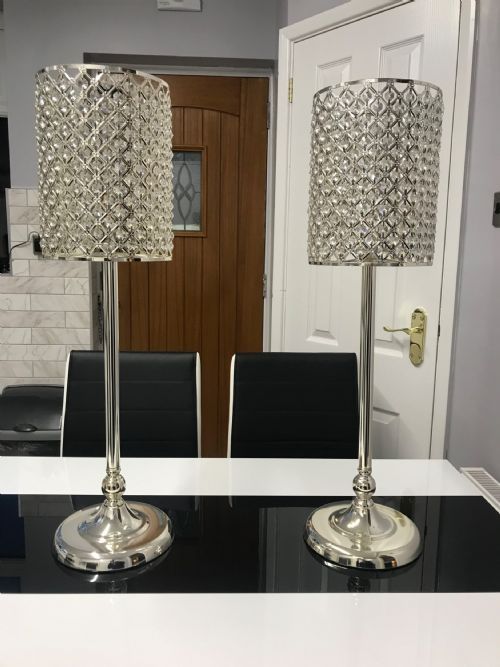


Pair Crystal Candlesticks
These pair crystal candlesticks bring brilliant light and historic cut glass into a room, offering both decorative presence and functional elegance.
Pair Crystal Candlesticks
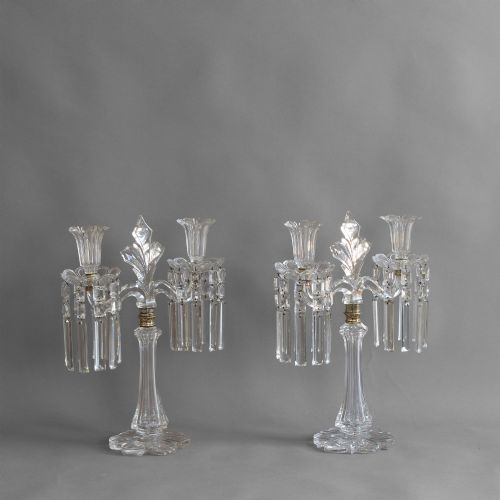
When you search for pair crystal candlesticks, you encounter matched sets designed to hold candles or illuminate dining tables and mantelpieces. The selections span multiple periods, ranging from the Regency era and Victorian times through to the early twentieth century and the nineteen-thirties.
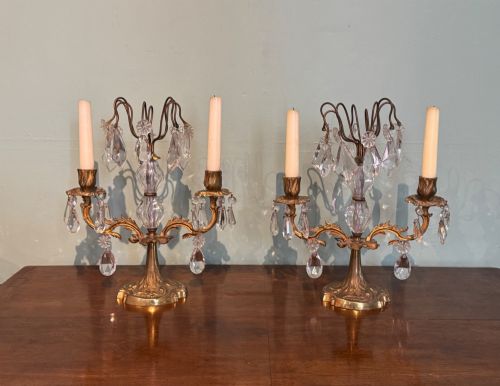
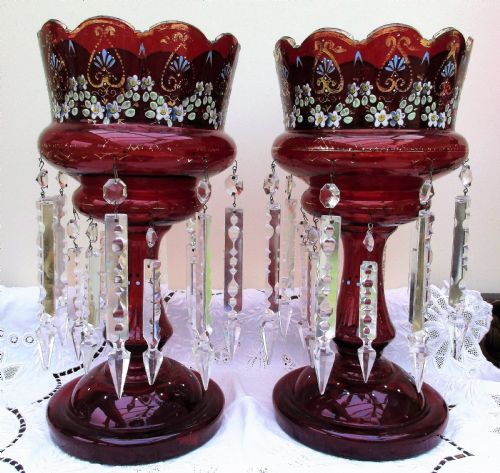
The forms extend beyond simple sticks to include table candelabra, lustres with hanging drops, and specialised designs incorporating storm shades or patent fittings. You will regularly find pieces featuring cut glass and crystal combined with brass, bronze, or ormolu mounts.
Originating from English, French, and Italian workshops, these items demonstrate diverse regional aesthetics from French Empire and Rococo Revival to clean Art Deco lines. The inventory encompasses clear glass alongside coloured variants like ruby red and green.
How They Were Made
The manufacture of these pieces relies heavily on heavy lead crystal or cut glass, shaped by blowing, moulding, and extensive hand-cutting to create facets that catch the light. Glass components are frequently paired with metalwork elements, utilising cast brass, gilt bronze, and ormolu for structural frames, candle sockets, and bases.
Hanging crystal drops and prisms are attached to many designs using wire loops or metal pins, dangling from rims to enhance the refractive display. Supplementary materials such as marble bases, enamel details, and silver plating appear across various examples from the nineteenth and twentieth centuries.
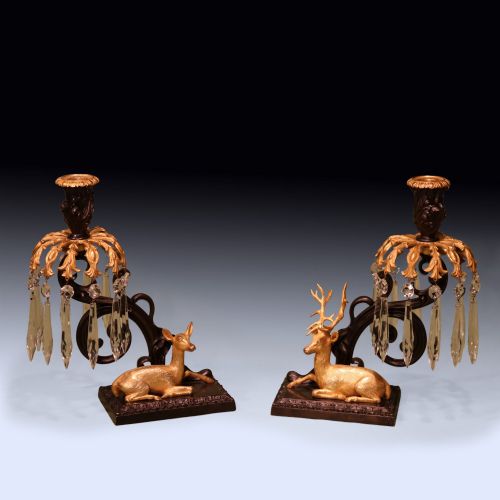
Some nineteenth-century examples feature bronze stags and does standing steadfastly beneath the candle cups.
What Varies in Quality
Quality in these objects rests upon the crispness of the glass cutting and the clarity of the material itself. Superior examples display deep, sharp facets that refract light brilliantly without cloudiness or heavy bubbles.
The integration between the glass body and its metal mounts dictates the overall refinement of the piece. Finely chased ormolu, robust bronze castings, and securely fitted crystal lustres distinguish the finest workshop productions from simpler domestic wares.
Baccarat·Clarke
The Pair Crystal Candlesticks Glossary
- Lustre
- A decorative table ornament featuring a bowl or stem hung with cut glass pendants, designed to reflect candlelight.
- Ormolu
- Gilt bronze ornamentation applied to furniture and decorative objects, popular in French and English Regency designs.
- Candelabra
- A branched candlestick holding multiple lights on separate arms.
- Cut Glass
- Glass shaped and patterned by abrasive wheels, creating faceted surfaces that maximise light refraction.
- Cricklite
- A proprietary brand of patent glass candlestick often utilising specialised shades and fittings.
Pair Crystal Candlesticks: Frequently Asked Questions
How do I clean antique crystal candlesticks safely?
Wash glass components gently in lukewarm water using mild detergent, taking care to remove any hanging drops first so they do not break.
Dry every part thoroughly with a soft lint-free cloth to preserve the sparkle of the cut facets without damaging metal mounts.
What is the difference between candlesticks and lustres?
Candlesticks are straightforward holders designed purely to support a single candle upright on a surface.
Lustres incorporate suspended crystal pendants or drops that catch and multiply the candlelight, serving as decorative ornaments even when unlit.
How do I date a pair of crystal candlesticks?
Examine the cutting style, the composition of the metal mounts, and the overall form to align the piece with known historical periods.
Victorian and Regency examples often display heavier bronze work or distinct facet patterns compared to later twentieth-century productions.
Where should I place these in my home?
Position them on mantelpieces, sideboards, or dining tables where natural light or evening candle flames can pass through the glass.
Ensure they sit on stable surfaces away from heavy traffic areas to protect delicate hanging pendants from accidental knocks.