


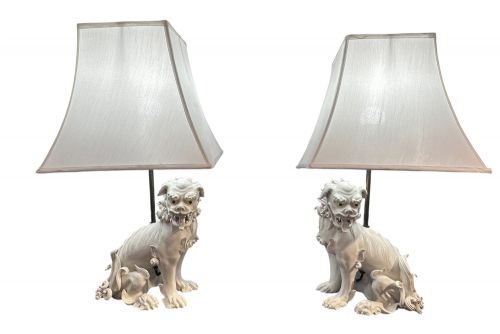
Pair Ceramic Lamps
These pair ceramic lamps bring matched symmetry and hand-painted artistry to interior lighting through centuries of global ceramic traditions.
Pair Ceramic Lamps
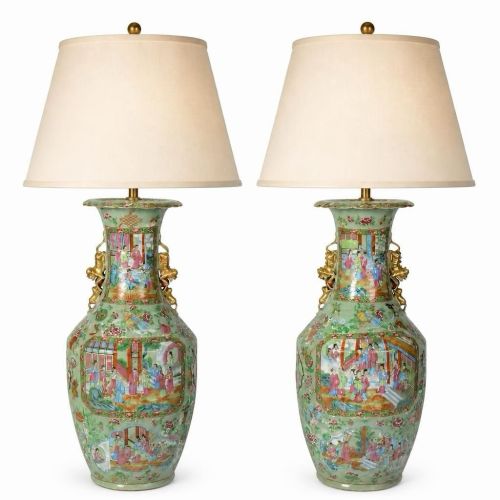
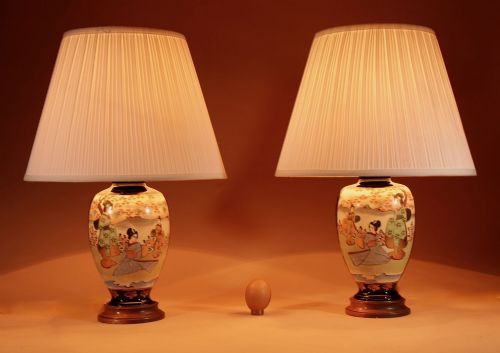
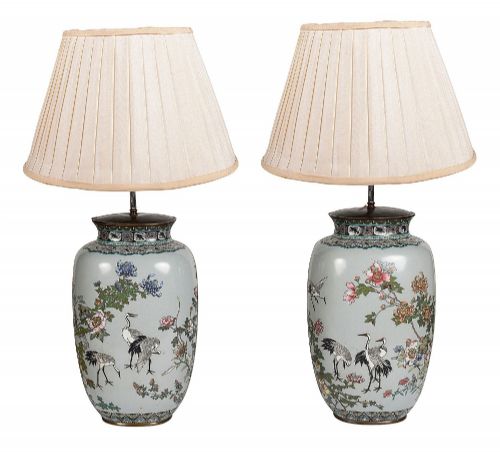
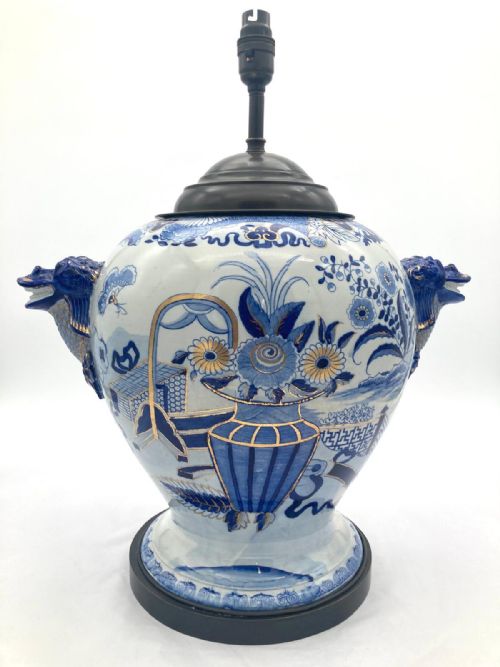
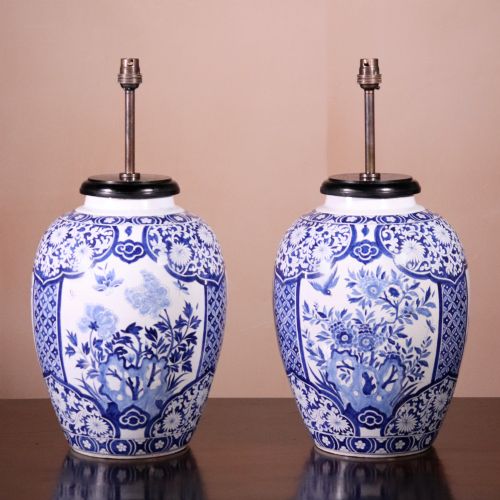
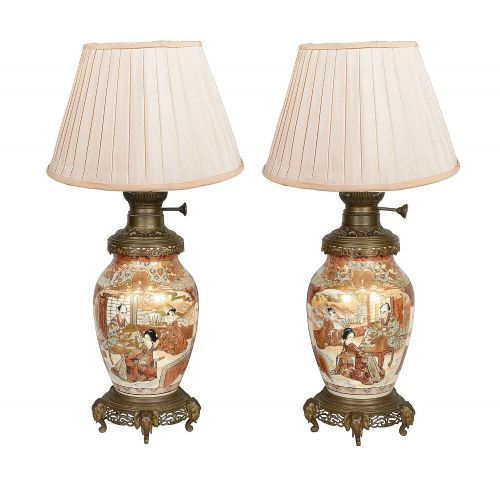
When you search for pair ceramic lamps, you encounter symmetrical groups of lighting fixtures transformed from earlier vessels, jars, and vases. Many examples originate from nineteenth-century Chinese export workshops, Japanese Satsuma and Kutani kilns, and European porcelain centres.
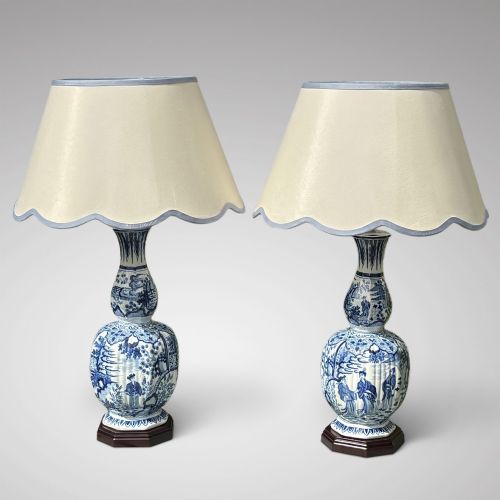
The most common items on this page are converted vases and ginger jars mounted onto brass, gilt bronze, or ormolu bases. These pieces frequently retain their original hand-painted palettes, including blue and white, famille rose, and polychrome enamels.
Makers often adapted utilitarian vessels or decorative display pieces into table lighting during conversion processes in later periods. Consequently, traditional forms such as double-gourd vases, apothecary jars, and tobacco jars now function primarily as domestic lamps.
Materials and construction
Potters shaped these bodies from clay, earthenware, ironstone, and hard-paste porcelain before applying underglaze blue, crackleware glazes, or overglaze enamels. Artisans then fired the ceramics in kilns to fix the pigments and vitrify the material.
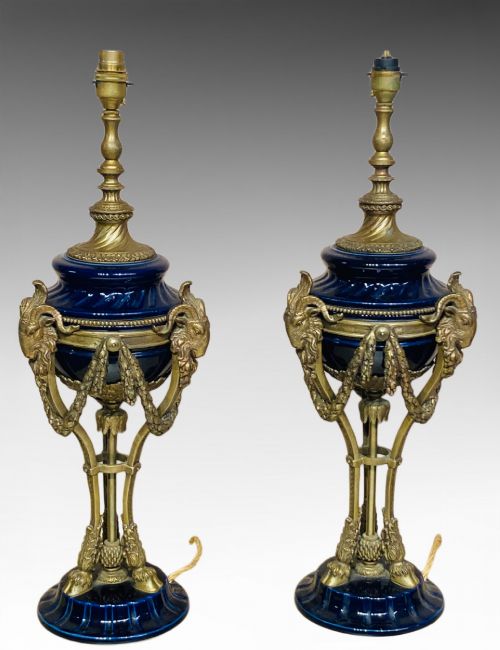
Metalworkers added structural support and decorative accents by mounting the ceramics onto cast brass, ormolu, or silvered bronze bases. Workshops frequently fitted these completed bodies with handmade fabric, silk, or ceramic shades.
Certain fierce Foo dogs guarding these lamps spent centuries warding off evil spirits before settling for hallway illumination.
Factors determining quality
The finesse of the hand-painted brushwork and the clarity of the ceramic glaze dictate the visual standard of each pair. Pieces featuring intricate, multi-coloured enamel work or finely detailed figural scenes represent the upper tier of production.
The integration of the metal mounts relative to the ceramic body defines the structural execution. Heavy cast ormolu or finely chased bronze mounts indicate superior workshop standards compared to simpler secondary fittings.
Sitzendorf·Royal Doulton·Gien·Hicks and Meigh
The Pair Ceramic Lamps Glossary
- Ormolu
- A gold-coloured bronze alloy used for decorative mounts and bases. It provides a bright, gilded contrast to dark ceramic bodies.
- Famille Rose
- A palette of opaque enamels dominated by pink or rose colours, popular in Chinese export porcelain. This style often depicts floral and figural scenes.
- Satsuma
- A type of Japanese earthenware featuring a crackled ivory glaze decorated with polychrome and gilt motifs. These ceramics were widely produced for export.
- Cracklure
- A network of fine cracks in the glaze formed naturally during the cooling process or applied deliberately for texture. It appears frequently on Asian export wares.
- Paste
- The ceramic body material of a piece, categorised into soft or hard varieties. Hard-paste porcelain contains specific clays that vitrify at high temperatures.
Pair Ceramic Lamps: Frequently Asked Questions
How do I clean antique ceramic lamp bases?
Dust the ceramic body gently with a dry, soft cloth to prevent accumulation in textured areas. Avoid harsh chemical cleaners that might damage hand-painted overglaze enamels or gilt highlights.
Keep moisture away from any metal mounts and electrical components during maintenance. Professional advice should be sought if deep cleaning becomes necessary.
Were these always electric lamps?
Almost none of these objects began life as electric lighting fixtures. Most started as decorative vases, ginger jars, or apothecary containers before conversion.
Craftsmen adapted the vessels into lamps by running internal wiring and adding appropriate hardware during the nineteenth or twentieth centuries.
How do I match lamp shades to these bases?
Select shades that complement the proportions and period style of the ceramic body. Silk and handmade fabric shades echo historical mounting practices found on nineteenth-century pieces.
Consider the predominant colours in the glaze, such as blue and white or famille rose, when choosing shade fabrics. Neutral cream or white tones allow intricate hand-painted patterns to remain the visual focus.
How do I date an antique ceramic lamp?
Examine the base material, glaze characteristics, and any makers' marks stamped or painted on the ceramic. Stylistic clues such as Meiji period motifs or Regency forms provide a reliable chronological window.
Inspect the metal mounts and wiring hardware for secondary indicators of age. Converted pieces often carry physical evidence of their original function as vases or jars.