






Pair Ceramic Bedside Lamps
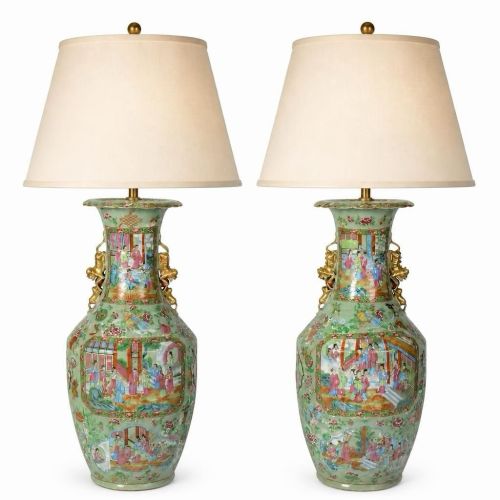
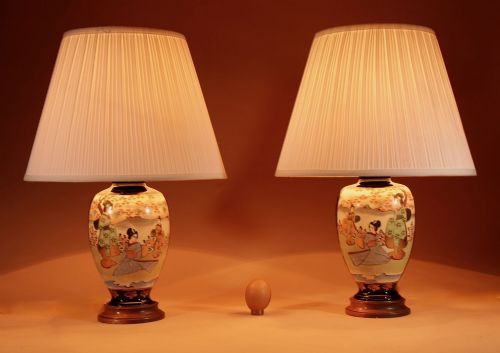
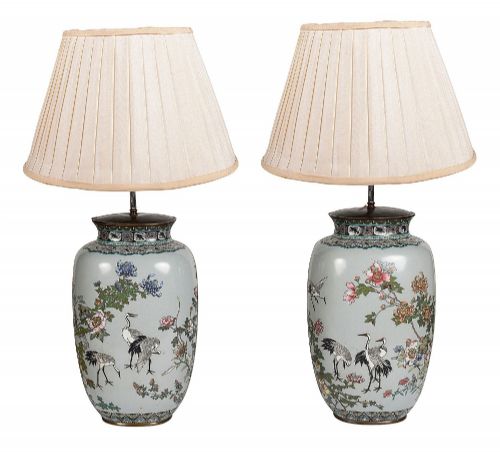
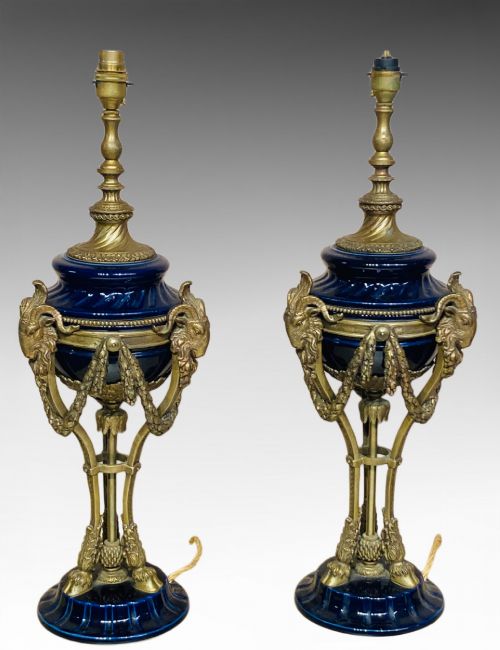
Pair ceramic bedside lamps bring symmetrical light and heritage craft to a room, turning antique vases and jars into functional lighting.
Pair Ceramic Bedside Lamps
When you search for pair ceramic bedside lamps, you encounter matched pairs of antique vessels that have been wired for illumination. These pieces originate predominantly from nineteenth century Chinese export kilns, Japanese Meiji workshops, and European factories.
The forms span ginger jars, tobacco jars, apothecary jars, and decorative vases adapted into table lamps. Nineteenth century examples sit alongside early twentieth century pieces featuring porcelain, earthenware, and crackleware bodies.
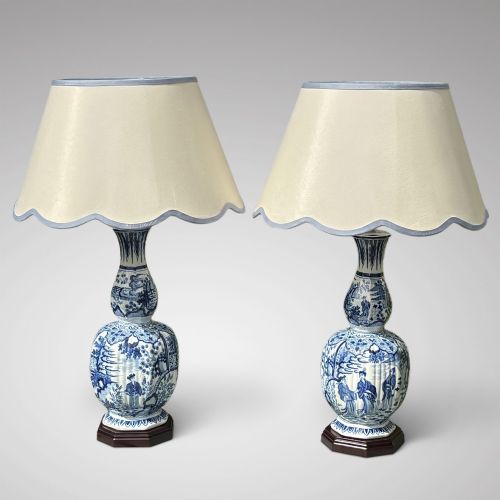
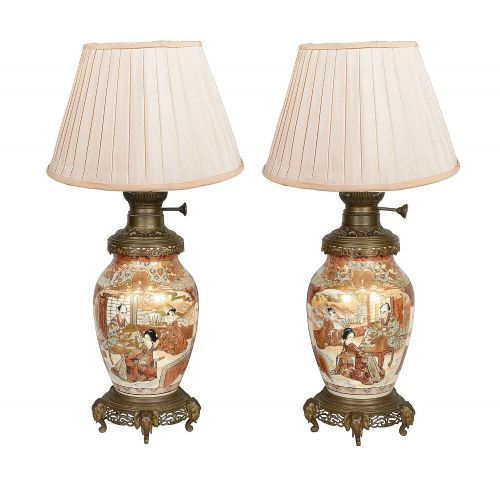
Many of these lamps combine Asian export ceramics with European ormolu, gilt bases, and handmade fabric shades. Others present classic blue and white glazes, Satsuma enamels, and famille rose palettes designed for bedside placement.
How they were made
Potters shaped these bodies from clay and porcelain, applying glazes such as celadon, crackleware, and cobalt blue before firing them in kilns. Artisans then added hand-painted enamel decoration, including floral motifs and traditional figural scenes.
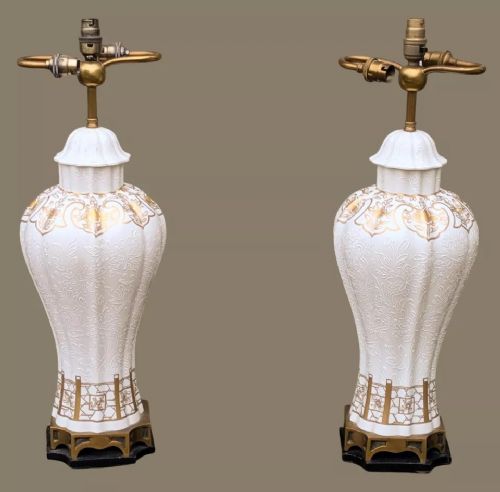
Metalworkers mounted many of these ceramic bodies onto brass or ormolu bases to provide stability and height. Workshops fitted them with electrical components, often pairing the converted vessels with silk or fabric shades.
The listings span periods from eighteen-sixty to nineteen-forty, featuring ceramic, brass, silk, and wood materials.
What varies in quality
The distinction between ordinary and exceptional pair ceramic bedside lamps rests on the precision of the hand-painted decoration and the crispness of the ceramic moulding. Fine pieces exhibit intricate brushwork and rich, stable glazes that remain clear and vibrant.
Integration of the conversion matters significantly for the overall success of the piece. Superior examples utilise mounts in brass or ormolu that complement the ceramic body without damaging the antique material.
Sitzendorf porcelain·Royal Doulton·Gien France·Fukagawa porcelain
The Pair Ceramic Bedside Lamps Glossary
- Ormolu
- Gilded bronze mounts used to decorate and support porcelain bodies. This technique originated in France and adds weight and architectural detail to lamp bases.
- Crackleware
- Pottery featuring a network of fine cracks in the glaze, intentionally created during the firing process. It appears frequently on nineteenth century Chinese vases.
- Satsuma
- Japanese earthenware pottery characterised by a ivory-coloured crackle glaze and elaborate polychrome enamel designs. These wares were widely exported from the Meiji period onwards.
- Famille rose
- A palette of opaque rose-pink enamel introduced to Chinese porcelain decoration during the eighteenth century and continued into later periods.
- Blanc de chine
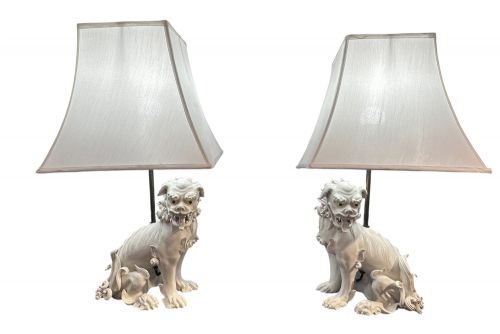
- White porcelain produced in Dehua, China, featuring a glossy milky glaze. Pieces often take the form of figures or mythical animals adapted into lighting.
Pair Ceramic Bedside Lamps: Frequently Asked Questions
How are antique jars converted into lamps?
Makers drill through the ceramic base or fit the vessel with internal wiring rods to support a lamp holder. They secure the ceramic body to metal or wooden plinths for stability.
This conversion process allows decorative vessels to serve as functional bedside lighting while preserving the antique body.
What periods do these lamps date from?
The listings span from the mid-nineteenth century through the early twentieth century, encompassing Victorian and Meiji eras. Many pieces date specifically from the nineteenth century.
European factories and Asian export kilns produced these decorative items during overlapping decades before later conversion into lamps.
How do I style them on a bedside table?
Place one lamp on each side of the bed to create visual symmetry in the bedroom. Their height makes them suitable for reading while casting a warm glow across the room.
Pair them with complementary fabric or silk shades that match the colours present in the ceramic glaze.
What is crackleware?
Crackleware refers to pottery featuring deliberate decorative cracking within the glaze layer. The effect occurs during kiln cooling when the glaze contracts faster than the clay body.
This technique creates a textured surface pattern found on various nineteenth century Chinese vases and jars.