


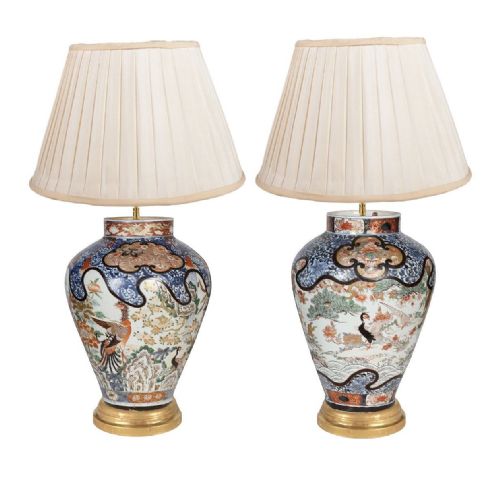


Japanese Porcelain Lights
Japanese porcelain lights bring hand-painted eastern tradition into western interiors, offering character and warm illumination through centuries-old ceramics.
Japanese Porcelain Lights
When buyers search for japanese porcelain lights, they encounter historic vessels adapted into functional illumination. The selection relies heavily on table lamps created from antique ceramic bodies.
Most examples originate from the Edo and Meiji periods, utilising porcelain vases originally shaped in centres like Arita, Satsuma, and Kutani. These pieces span from the late seventeenth century into the twentieth century, often mounted for electrical use.
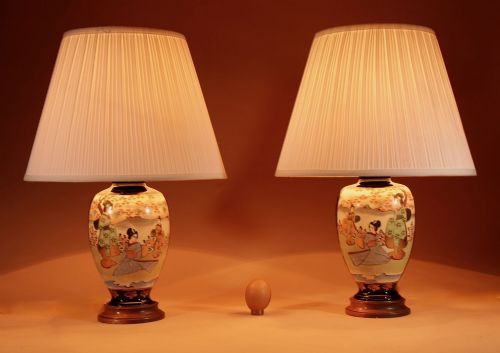
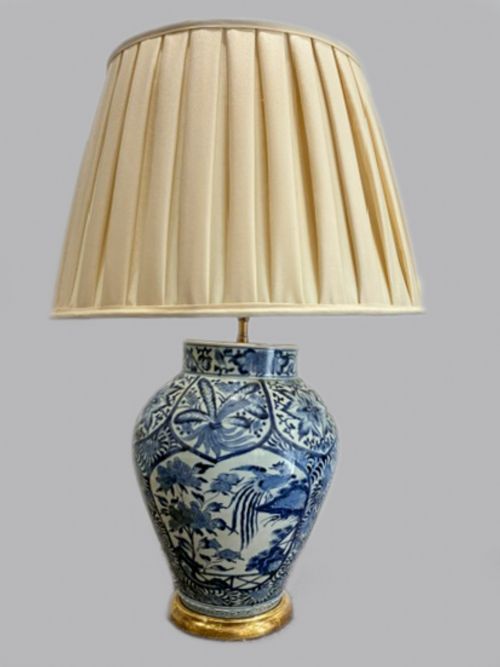
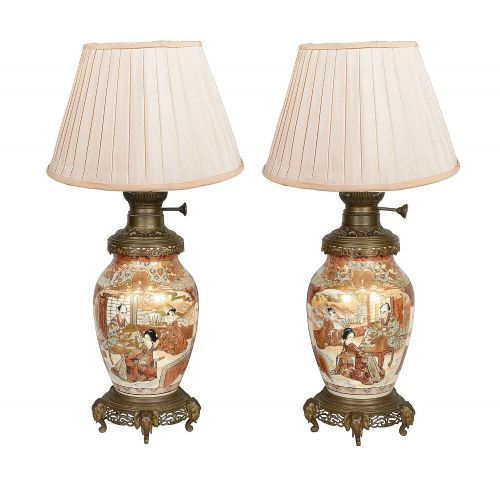
Vessels take many forms, including blue and white jars, Imari palettes, and polychrome Satsuma wares. Buyers find both single statement pieces and matched pairs ready for domestic placement.
How they were made
Potters shaped clay bodies by hand or on wheels before applying cobalt, enamel, and gilt decoration. Artisans then fired these ceramic vessels in kilns to achieve durable, glazed finishes.
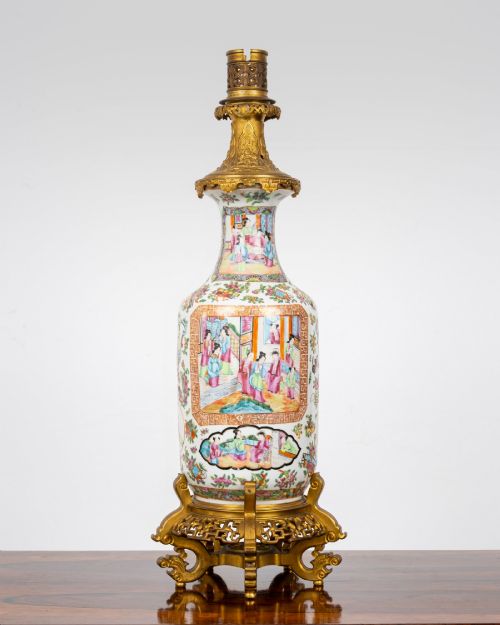
Mounting hardware typically involves brass or gilt bronze attached to secure electrical components. Lamps frequently incorporate fabric or silk shades that complement the historic ceramic palettes.
Materials documented across the inventory include porcelain, earthenware, brass, silk, fabric, and gilt bronze.
What varies in quality
The sophistication of the hand-painted brushwork distinguishes standard production from finer artistry. Detailed motifs, crisp glazing, and balanced proportions elevate the visual impact of individual pieces.
The integrity of the original ceramic body and the quality of metal mounts dictate overall desirability. Retaining the authentic character of the antique vase during conversion preserves its aesthetic value.
The Japanese Porcelain Lights Glossary
- Satsuma
- A type of Japanese earthenware featuring a crackle glaze and elaborate polychrome enamel decorations. These wares were widely produced for export during the nineteenth and early twentieth centuries.
- Imari
- A distinct style of Japanese porcelain characterised by underglaze blue, iron red, and gold ornamentation. Originating in Arita, these export wares became immensely popular in European interiors.
- Arita
- The historic Japanese town where porcelain production first began in the seventeenth century. Kilns here supplied refined wares for both domestic use and international trade.
- Kutani
- A style of Japanese coloured porcelain known for bold palettes, particularly greens, blues, yellows, and purples. Pieces often display intricate pictorial scenes and nature motifs.
- Meiji Period
- The era in Japanese history spanning from 1868 to 1912, marked by increased cultural exchange with the West. Many decorative export items date from this dynamic period of craftsmanship.
Japanese Porcelain Lights: Frequently Asked Questions
How do I wire antique lamps?
Professional electricians should handle the rewiring of historic ceramic vessels to ensure safety and compliance with modern standards. They fit appropriate internal cord paths without damaging the antique body.
Most setups utilise standard brass lampholders that integrate neatly with existing metal mounts or custom fitted stems. This protects the historic integrity of the porcelain while providing reliable daily illumination.
Are these original antique vases?
The ceramic bodies originate from historic periods ranging from the seventeenth through the early twentieth century. Artisans or later workshops converted these genuine vessels into functional lighting.
Listing details specify the estimated era of the porcelain, such as Edo or Meiji. This allows collectors to identify the age and origin of the base ceramic.
Do they come with shades?
Many examples include complementary fabric or silk shades ready for immediate placement in a room. Buyers should check individual descriptions to confirm whether a shade is supplied.
When shades are absent, collectors select neutral linen or silk designs to balance the ornate patterns of the ceramic base. Proportions matter when pairing a historic vase with new lighting accessories.