





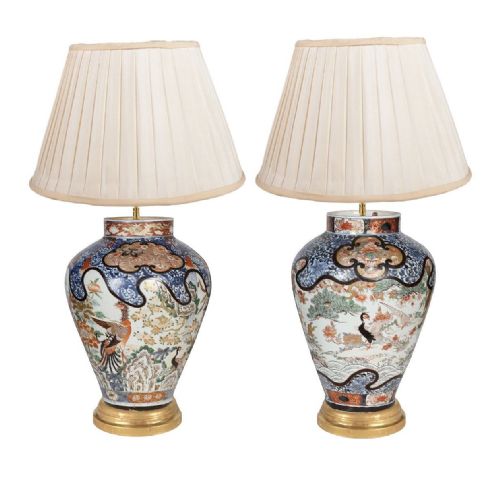

Vintage Asian Porcelain Lamps
These vintage asian porcelain lamps bring character and rich colour to a room through converted ceramic vessels.
Vintage Asian Porcelain Lamps
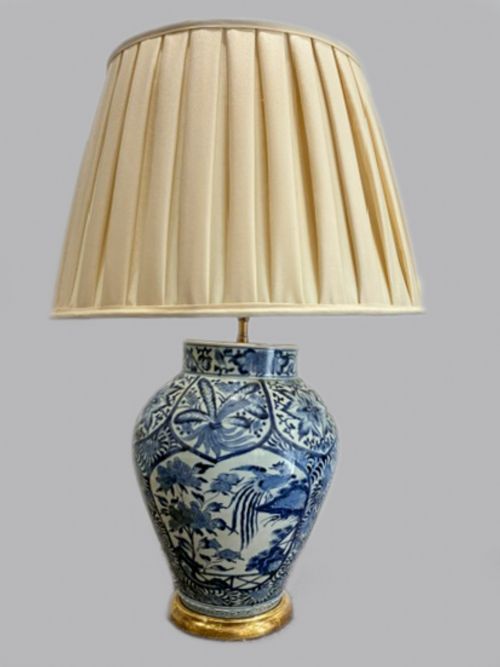
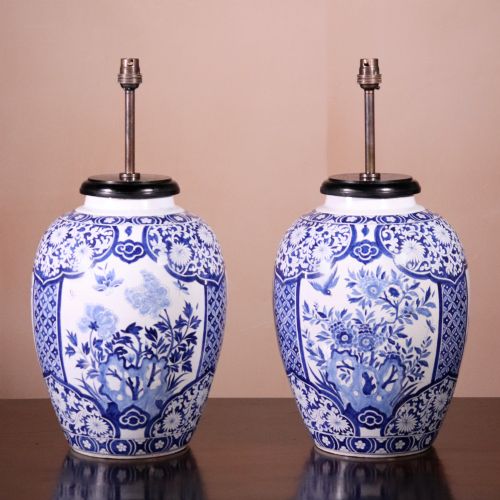
When you search for vintage asian porcelain lamps, you encounter decorative table lighting formed from converted vases and jars. These pieces originate from various periods including the seventeenth, eighteenth, nineteenth, and early twentieth centuries.
How they were made
Potters shaped ceramic and earthenware bodies before applying intricate hand-painted designs in cobalt blue, turquoise glaze, and multi-coloured enamels. Artisans frequently mounted these porcelain vessels onto brass bases to support electrical fittings.
Vases and jars from the Edo period and Qing dynasty were later adapted into lamps, combining traditional Far Eastern ceramic artistry with functional western lighting requirements.
Materials across these listings include porcelain, earthenware, brass mounts, silk, fabric, and wood.
What varies in quality
The standard of painting on the porcelain body defines the upper tier of these lamps, showing fine brushwork and detailed pictorial scenes. Simpler monochrome or standard blue and white designs sit lower in the decorative scale.
The presence of matching pairs, original brass mounts, and the preservation of the antique ceramic body without extensive hairline cracks separate exceptional decorative pieces from simpler single conversions.
The Vintage Asian Porcelain Lamps Glossary
- Satsuma
- A type of Japanese earthenware or porcelain featuring a crackle glaze and elaborate polychrome and gilt decoration. These pieces were widely exported to Europe and Britain during the nineteenth and early twentieth centuries.
- Kutani
- Japanese porcelain distinguished by bold colour palettes, frequently incorporating rich iron red and gold. Kutani wares often depict natural scenes and figures.
- Imari
- A style of Japanese and Chinese export porcelain decorated in underglaze blue, iron red, and gold. This palette became immensely popular in European interiors.
- Cloisonné
- An enamelwork technique where metal wire creates small compartments on a vase surface before the application of coloured glass paste. It offers a textured, metallic finish.
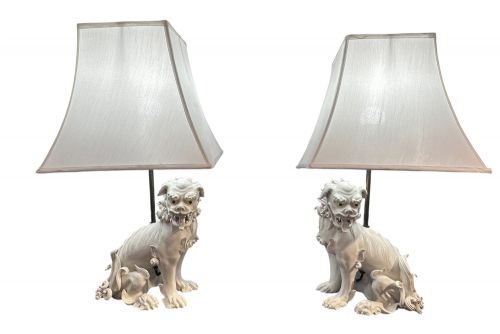
- Blanc de Chine
- White porcelain produced in China, particularly during the Ming and Qing dynasties. This term translates directly from French as white from China.
Vintage Asian Porcelain Lamps: Frequently Asked Questions
Are these lamps converted from old vases?
Many of these lighting pieces began life as decorative vases, jars, or temple vessels produced in China and Japan during earlier centuries. Artisans subsequently adapted them for electrical use by adding mounts and wiring.
This conversion process preserves the antique ceramic body while rendering the vessel functional as a modern table lamp for interior placement.
How do I identify Satsuma ware?
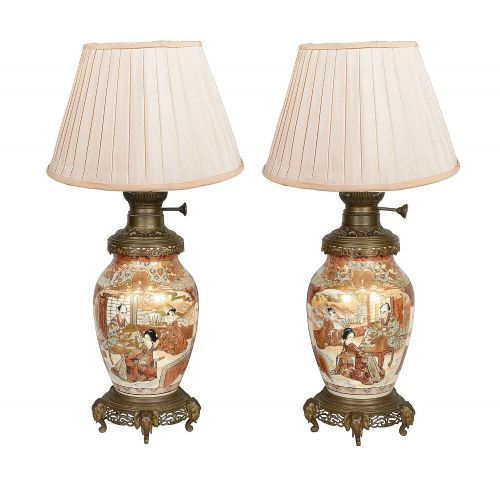
Satsuma porcelain and earthenware is generally recognised by its distinct ivory-coloured crackle glaze and dense hand-painted decoration involving figures and floral motifs. Much of this ornamentation incorporates gilt highlights.
These pieces range from the nineteenth century into the 1920s and appear frequently as matched pairs within lighting selections.
Can I find matching pairs?
The current selection contains numerous matched pairs of table lamps sharing identical decorative schemes, forms, and period characteristics. These pairs include Satsuma, Kutani, and blue and white Chinese styles.
Placing matched pairs on sideboards or bedside tables creates a balanced look within a room.
What periods do these lamps cover?
The available pieces span several centuries, reaching back to seventeenth-century Japanese and eighteenth-century export vessels. Other examples date from the nineteenth century and the early decades of the twentieth century up to the 1930s.
Each period reflects distinct aesthetic choices in ceramic production, from Qing dynasty celadon to Meiji period Satsuma.