
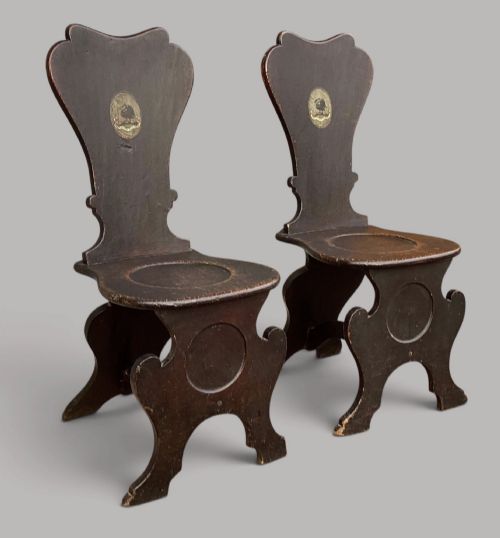
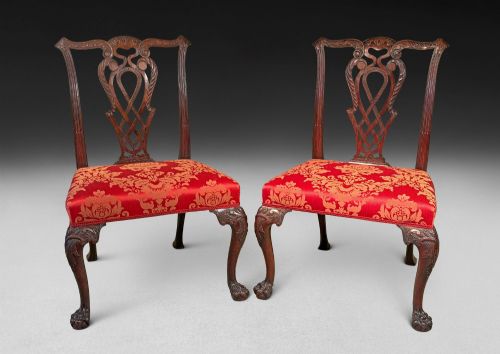
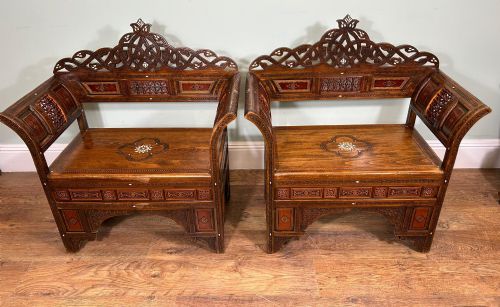
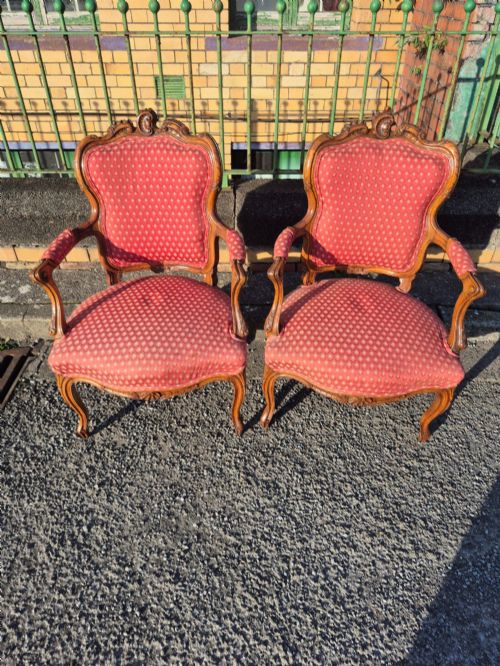
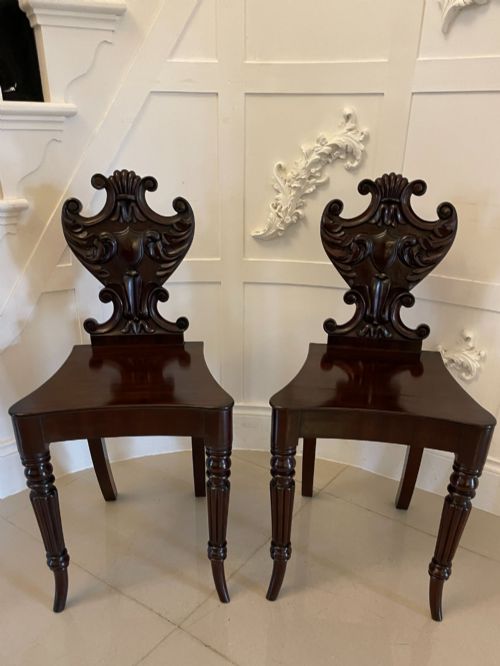
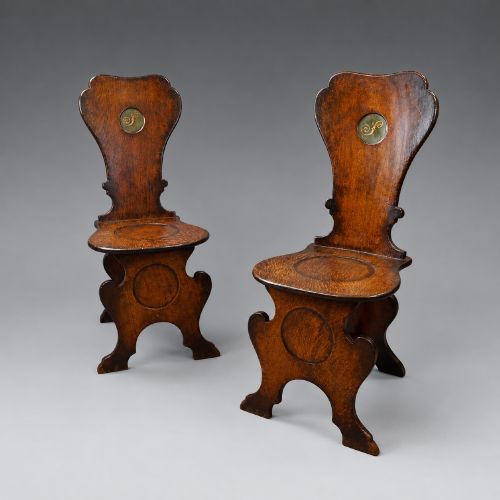
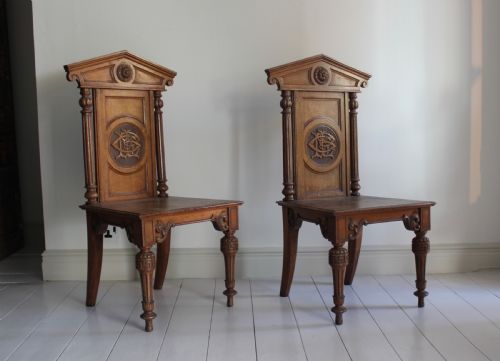
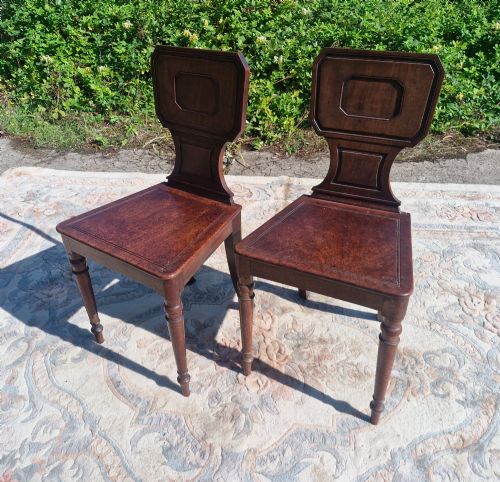
Pair Carved Wooden Chairs
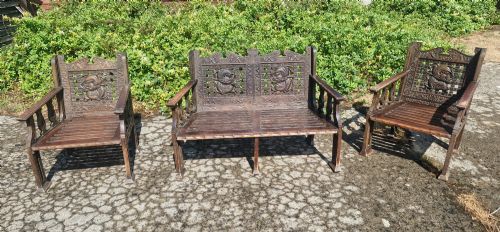
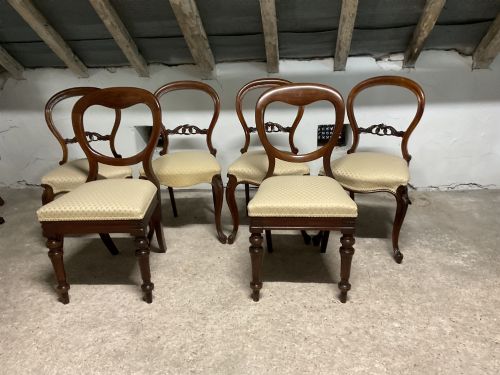
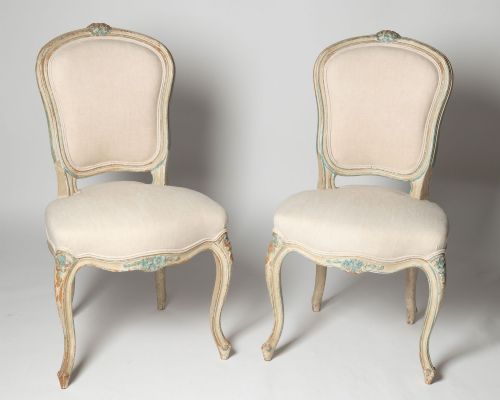
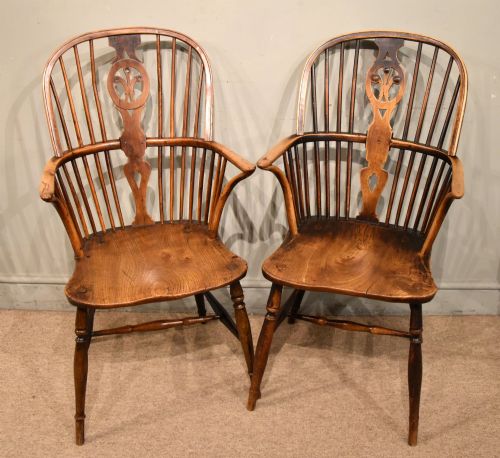
A pair carved wooden chairs brings symmetry and proportion to a room, offering matched seating fashioned from solid timber and shaped by the carver's chisel.
Pair Carved Wooden Chairs
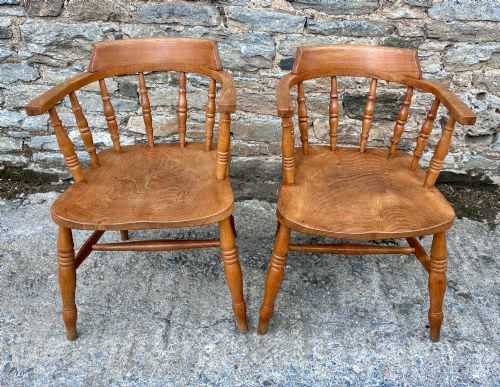
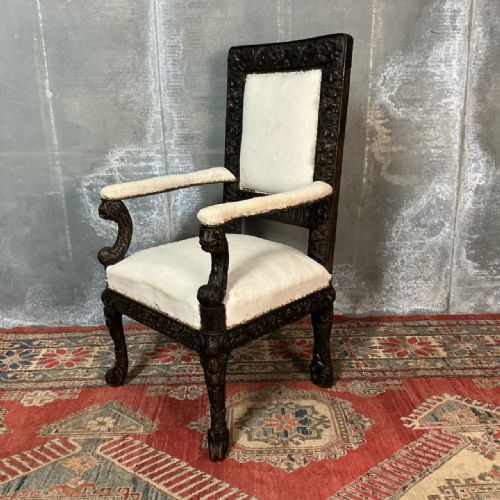
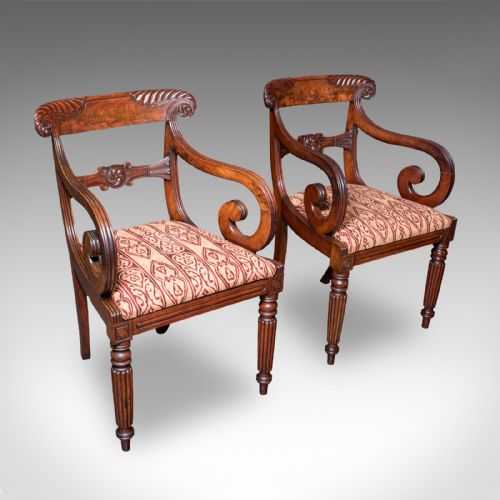
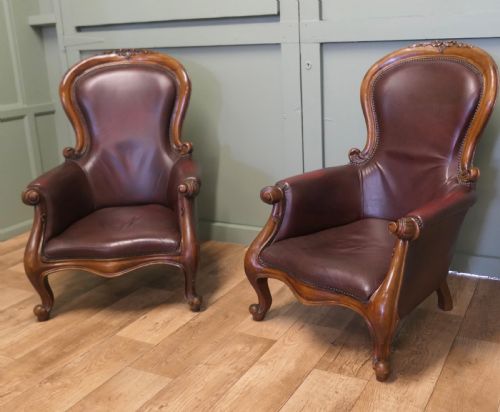
When you search for pair carved wooden chairs, you encounter seating built in periods spanning the eighteenth, nineteenth, and early twentieth centuries. These pieces appear in forms such as hall chairs, side chairs, armchairs, and dining chairs.
The options range from vernacular elm windsor and captain's chairs to formal mahogany or walnut seating shaped in regency, victorian, and baroque revival styles.
Many examples originate from english workshops, while others arrive from continental europe and china, showcasing regional tastes in timber shaping and ornament.
Materials and construction
Cabinet makers and carvers utilised native and exotic hardwoods including mahogany, walnut, oak, elm, and pitch pine to build these frames. Timber selection determined the depth and crispness achievable in carved details such as scrollwork, foliage, and crests.
Construction relied on traditional joinery techniques like mortise and tenon joints, augmented by lathe turning for bobbin-turned legs and steam-bending for curved elements like horseshoe and balloon backs.
Upholstered variants integrated supportive webbing and stuffing covered in fabrics such as leather, velvet, and aubusson tapestry.
The listings show materials ranging from mahogany and walnut to pitch pine and bronze-hued elm, spanning the eighteenth to the twentieth century.
Factors that distinguish quality
The hierarchy among these chairs rests upon the depth, sharpness, and intelligence of the carving on the timber. Skilled hands produce relief work with distinct undercut edges and naturalistic flow, whereas lesser pieces show shallow, mechanical stamping.
The integrity of the structural timber dictates longevity, with tight-grained woods and stable joints maintaining form through centuries of use. Surface finish plays a role, as a deep, natural patina developed through age surpasses heavily stripped or artificially distressed surfaces.
The Pair Carved Wooden Chairs Glossary
- Hall chair
- A rigid wooden seat placed in an entrance hall, often featuring a carved shield or crest on a solid back. These pieces prioritise heraldic display over cushioned comfort.
- Sgabello
- An early form of chair featuring a wooden seat supported by shaped board legs rather than traditional posts. This Italian Renaissance design showcases carved ornamentation.
- Bobbin turned
- A style of furniture leg or stretcher shaped on a lathe to resemble a string of beads or bobbins. This technique appears on seventeenth and eighteenth-century oak seating.
- Grecian
- A nineteenth-century design style drawing on classical Greek antiquity, seen in curved legs and scrolled frames. Mahogany often serves as the primary medium for these chairs.
- Patina
- The surface sheen and colour acquired by wood through decades of handling, exposure, and polishing. A good patina indicates untouched historical age.
Pair Carved Wooden Chairs: Frequently Asked Questions
Where should I place these chairs?
These chairs find natural placement flanking a fireplace, framing a hallway console, or providing symmetrical seating in a reception room.
Their matched nature allows them to anchor empty wall space or serve as deliberate conversation seats.
How do I care for wooden frames?
Maintain the timber by keeping the chairs away from direct heat sources and sudden humidity shifts that cause wood to split.
Apply traditional beeswax periodically to nourish the grain and preserve the surface sheen without building up heavy residue.
Can these chairs handle daily sitting?
Many sturdy examples, particularly oak or elm dining and captain's chairs, suit regular daily use when joints remain firm.
Delicate giltwood or intricate ribbon-back salon chairs warrant more cautious treatment to protect fragile carvings and antique finishes.
How do I identify the period?
Dating relies on observing timber choices, tool marks, and stylistic indicators such as regency curves or victorian balloon backs.
Comparing the construction methods against documented regional cabinet-making traditions clarifies the era of manufacture.