


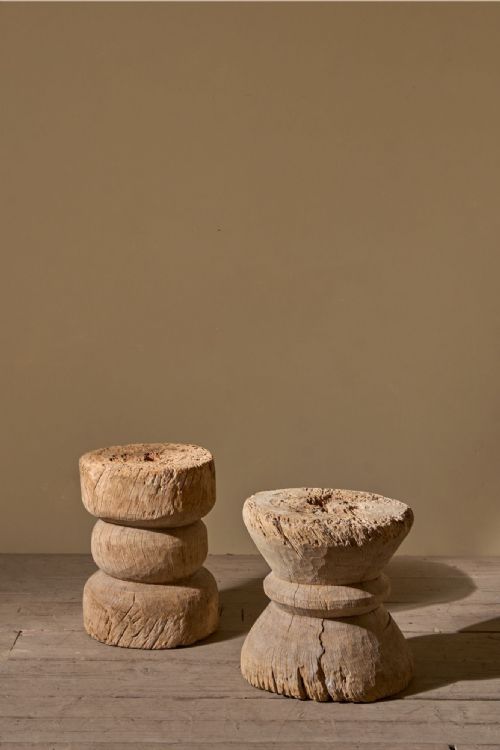
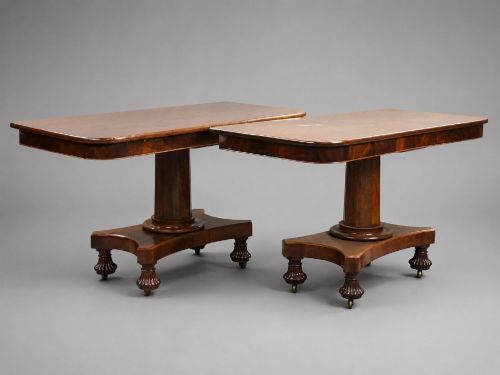
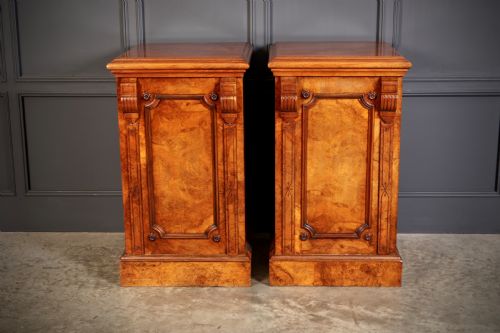


Pair Carved Plinths
Pair carved plinths elevate sculpture and urns with matched architectural symmetry.
Pair Carved Plinths
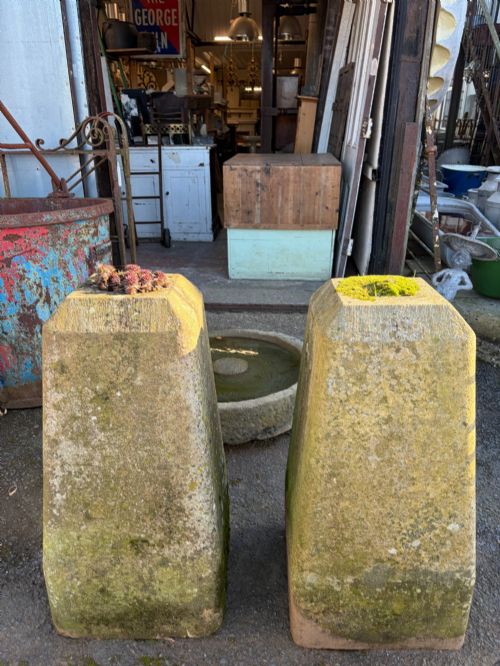
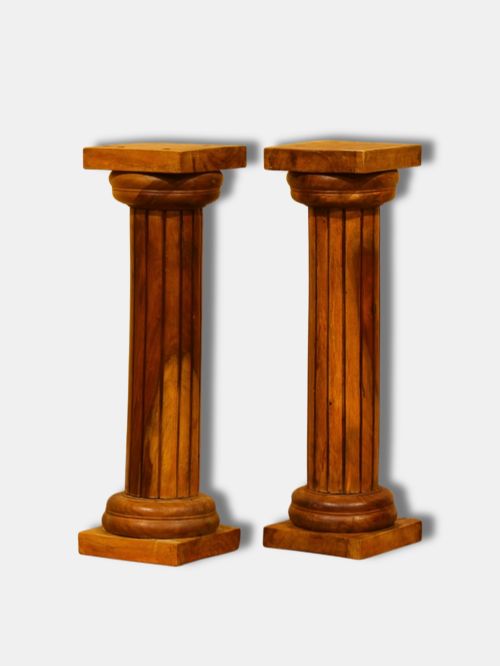
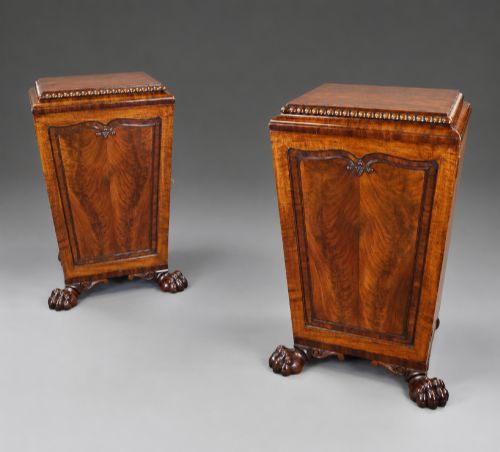
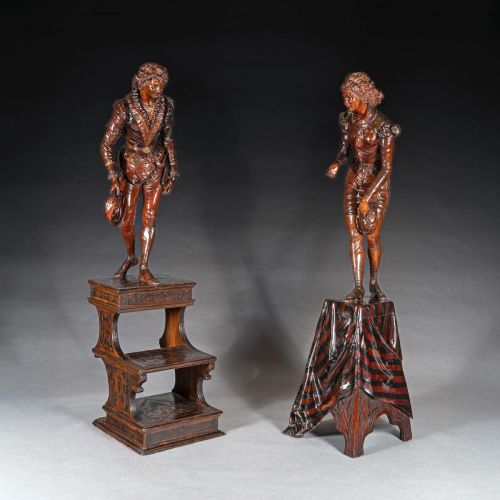
When you search for pair carved plinths, you find matched supports designed to elevate sculpture, urns, or decorative objects within a room. These dual architectural items range from classical columns and pedestals to low stands and wall brackets.
The versions met most frequently on this page date from the nineteenth century and the early twentieth century. They appear in forms such as wood columns, marble pedestals, and stone plinths originating from English, French, and Italian makers.
How they were made
The makers of these supports worked primarily in timber, stone, and marble. Mahogany, hardwood, oak, and limewood provide the structural carcase for many items, shaped through turning and hand carving.
Mineral materials such as Derbyshire alabaster, variegated marble, and green serpentine give other examples heavy mass. Surface finishes include gesso, gold leaf, paint, and parcel gilding applied over the carved substrate.
Pair Carved Plinths Retail Price Guide 2026
Typical asking prices for pair carved plinths among the pieces listed under this phrase on Sellingantiques today, from the lower quarter to the upper quarter. They describe what is for sale here now, not the wider market.
Secret compartments occasionally hide within the wooden pedestals, offering a covert spot for valuables.
What varies in quality
The distinction between ordinary and superior pairs lies in the ambition of the carving and the selection of the raw material. Solid hardwoods and finely figured veneers indicate higher workshop standards than softer secondary woods.
Proportion and architectural rigour dictate visual success in matched columns and pedestals. Sharp relief work and clean fluting separate master carvers from commercial production.
Valentino Besarel·Bright And Sons
The Pair Carved Plinths Glossary
- Plinth
- The heavy base supporting a column, statue, or pedestal. It provides physical stability and visual grounding to the structure above.
- Pedestal
- An upright architectural support designed to elevate an urn or sculpture. They appear in wood, stone, and marble across various historic periods.
- Gesso
- A plaster-like mixture applied to wood surfaces as a base for gilding or painting. It accepts fine detail work from the carver's tools.
- Serpentine marble
- A green, mottled stone resembling serpent skin, used for decorative columns and pedestals. It takes a high polish.
- Parcel gilt
- Partially gilded with gold leaf, highlighting specific carved details against a painted or wood ground.
Pair Carved Plinths: Frequently Asked Questions
What were pair carved plinths used for?
These matched supports held bronze figures, marble urns, and portrait busts in grand interiors. Placing an object on a plinth raised it to eye level for display.
They also served as architectural elements in halls and libraries, balancing room symmetry when used in matching pairs.
How do I place them in a modern room?
Use matched columns or pedestals to frame doorways, fireplaces, or large artworks. Their vertical lines draw the eye upward and anchor heavy decorative objects.
Ensure the floor surface is level so tall wood or stone columns stand securely without rocking.
How do I tell nineteenth century pieces apart?
Examine the timber selection, tool marks, and surface finishes under good light. Nineteenth-century workshops utilised dense hardwoods like mahogany and walnut alongside hand-applied gesso.
Neoclassical and Gothic Revival styles indicate specific aesthetic movements within that century, reflected in column fluting and capital carvings.
What is the difference between a plinth and a column?
A plinth is typically a low, solid block serving as a base for a statue or a column. Columns incorporate a distinct shaft, base, and capital in classical architectural orders.
Many listings combine these terms to describe tall vertical supports designed for display.