
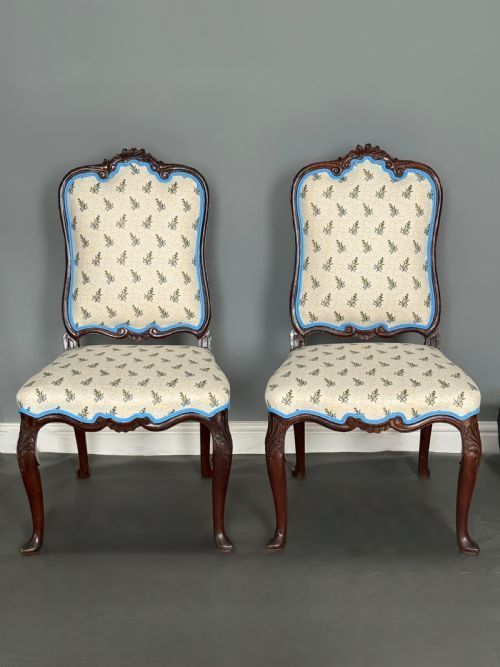
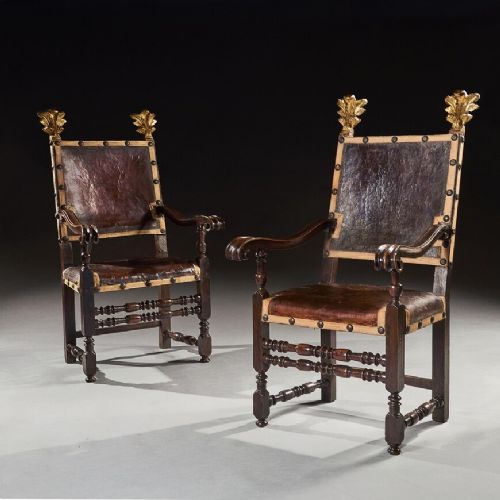
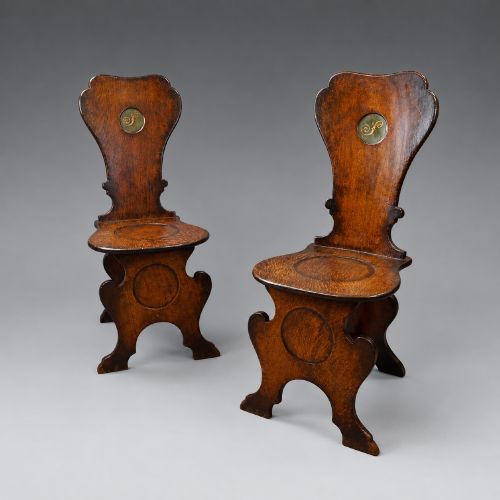
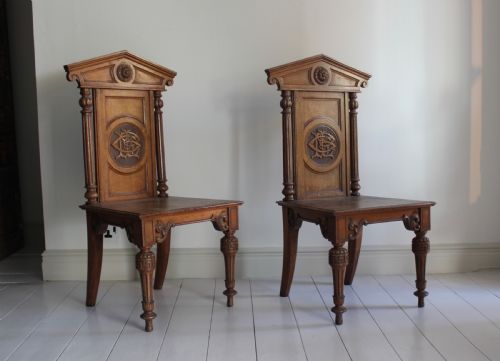


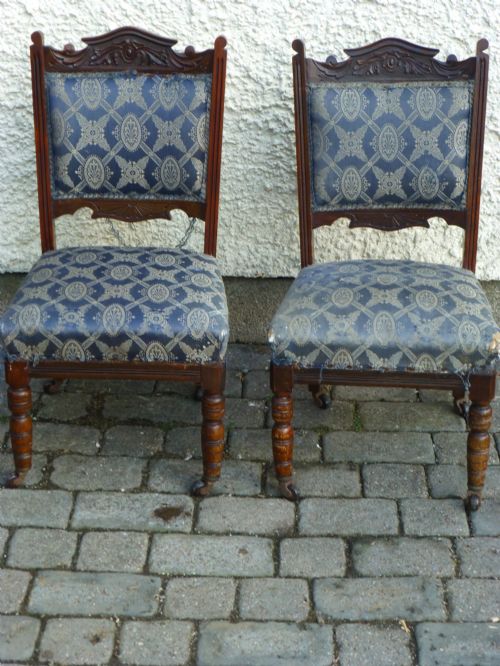
Pair Carved Accent Chairs
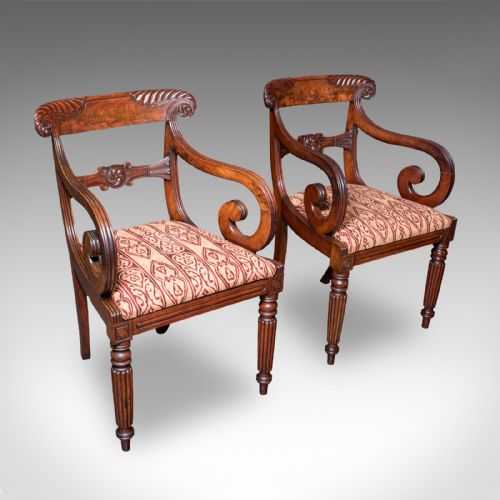
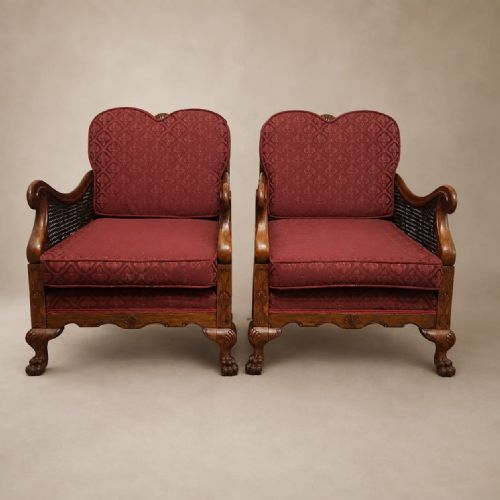
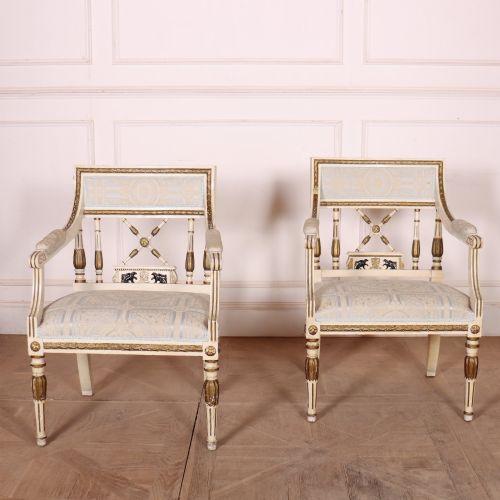
These pair carved accent chairs bring symmetry to a room, offering matched seating fashioned from walnut, oak, and mahogany across centuries of design.
Pair Carved Accent Chairs
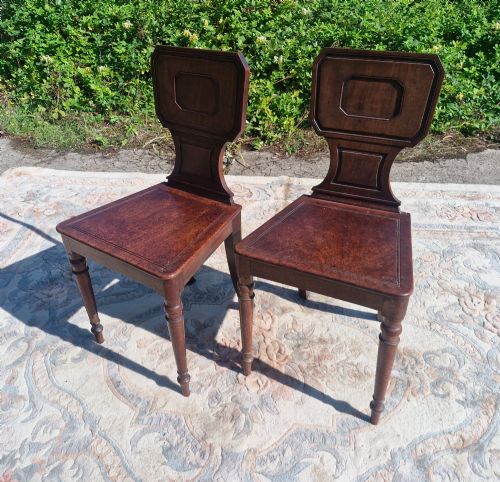
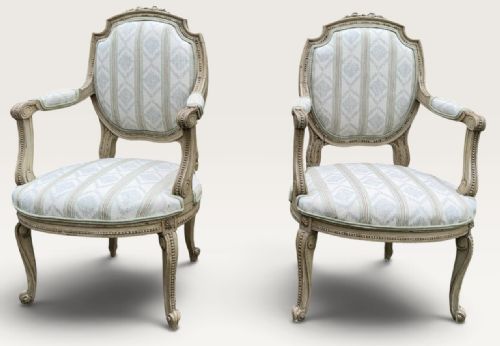
When you search for pair carved accent chairs, you encounter matched seating designed to sit apart from main dining or office layouts, serving as decorative and functional furniture in parlours, reception rooms, and halls. These items range from compact nursing chairs and elbow chairs to grand giltwood armchairs and sturdy side chairs.
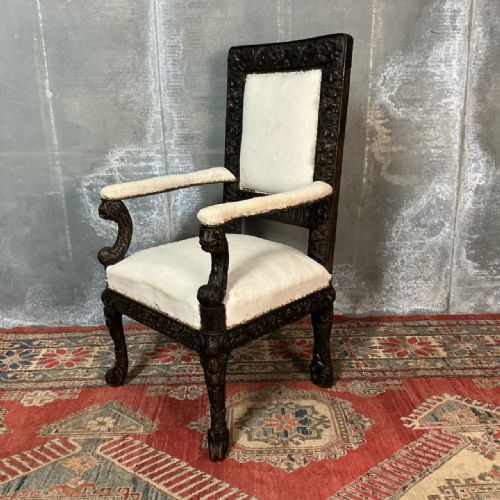
The selections span multiple eras, including the eighteenth, nineteenth, and early twentieth centuries, drawing upon styles such as Victorian, Regency, Baroque, and French Rococo Revival. You are most likely to meet nineteenth-century walnut and oak examples, often featuring carved details and various upholstered or wooden seats.
How they were made
Cabinetmakers utilised hardwoods such as walnut, oak, mahogany, and exotic timbers like Cuban mahogany and Chinese elm, shaping frames through traditional joinery and carving techniques. Surface enrichment involved parcel-gilding, original paint, red lacquer, and bobbin turning.
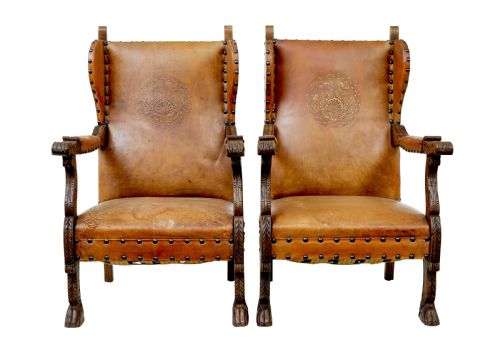
Upholstery methods varied from exposed timber cane seats and split cane bergere panels to embossed leather, tapestry, velvet, and textile coverings secured over padding.
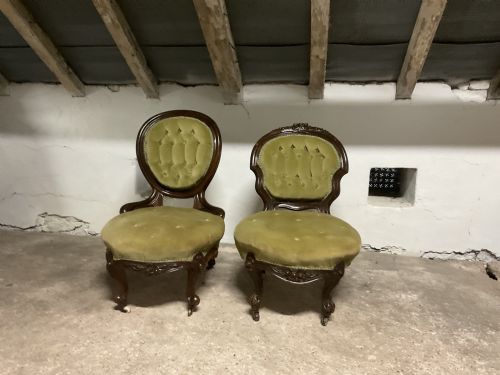
His and hers salon chairs from the Victorian era let a couple sit side by side in matching carved luxury.
What varies in quality
The distinction between tiers rests upon the depth and crispness of the hand-carved detail, the integrity of the timber frame, and the survival of original surface finishes like paint, lacquer, or gilding. Pieces retaining their early upholstery fabrics or historical patination command greater interest among collectors.
Proportion and structural balance also dictate standard, where master-carved forms display harmonious lines and substantial timber substance rather than mechanical uniformity.
Charles Tozer·Jacob-Desmalter
The Pair Carved Accent Chairs Glossary
- Sgabello
- A light wooden chair originating in the Italian Renaissance, characterised by a high back and a solid trestle base instead of legs. They typically served decorative or hallway use rather than comfortable lounging.
- Bergere
- An enclosed upholstered armchair with wooden framing where the sides are filled with cane or wicker work. These often include a loose cushion for the seat base.
- Fauteuil
- An open-armed upholstered armchair with an exposed wooden frame, originating in France. The arms usually feature padded elbow rests.
- Parcel-gilt
- A decorative technique where specific areas of a wooden or gessoed surface are highlighted with thin gold leaf. This method accentuates carved details against a contrasting background colour or natural wood.
Pair Carved Accent Chairs: Frequently Asked Questions
How do I style pair carved accent chairs?
Place them symmetrically flanking a fireplace, beneath a large mirror, or opposite a sofa to anchor a seating arrangement. Their decorative carved backs provide visual interest even when viewed from behind.
Ensure the timber tones complement existing furnishings while letting the historical period of the chairs stand out in the room.
What is a hall chair?
Hall chairs are rigid wooden seats designed for entryways and reception areas rather than prolonged seating. They frequently feature solid wooden seats and elaborately carved backs displaying family crests or stylistic motifs.
In period homes, visitors sat briefly upon them while waiting to be announced by household staff.
How do I identify a Victorian armchair?
Victorian armchairs often utilise dark woods like walnut or mahogany, displaying robust proportions and revival styles such as Gothic or Rococo. Look for deep buttoning, scroll-carved backs, and heavy turned legs.
Upholstery on these pieces tends to be sprung and heavily padded for comfort.
Can I reupholster antique chairs?
Reupholstering antique chairs is common practice, particularly when existing fabric is worn or listed as needing renewal. Traditional materials and methods should be used to maintain the historical integrity of the frame.
Consult a specialist upholsterer who understands period tension and padding techniques.