
Pair 19th Century Urns
These pair 19th century urns bring classical elegance and sculptural weight to an interior or garden.
Pair 19th Century Urns
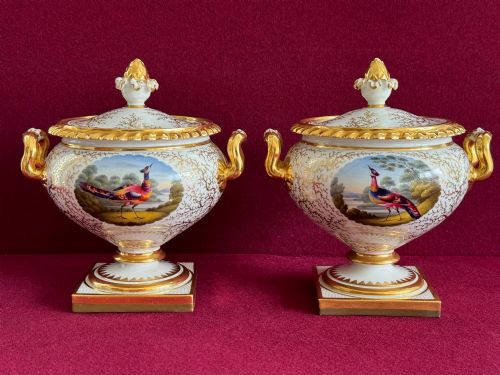
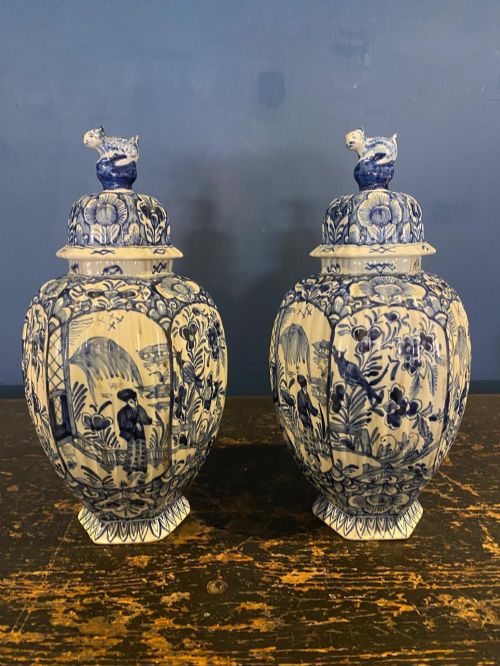
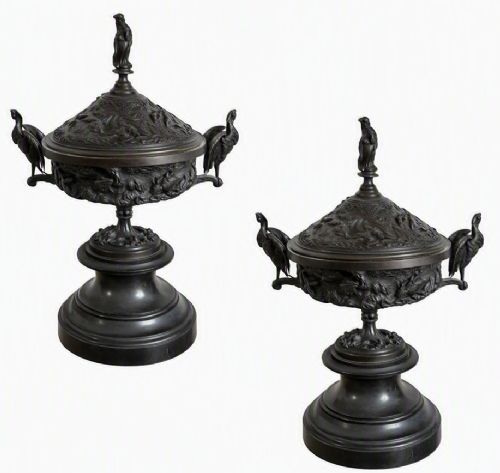
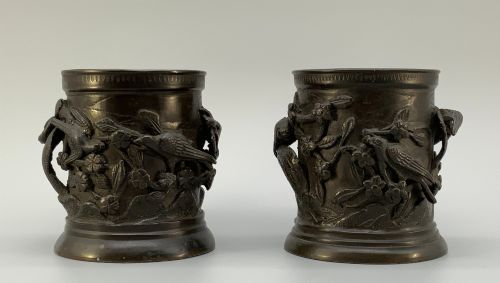
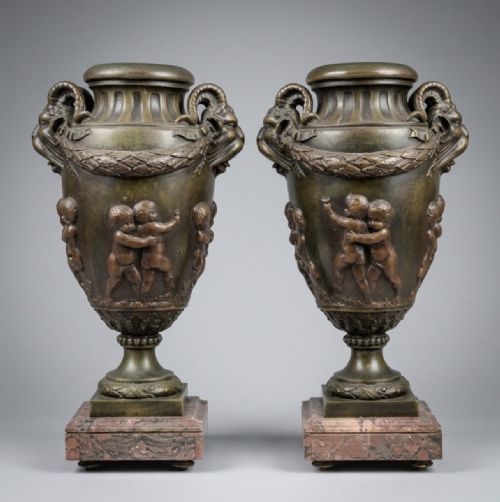
Pair 19th century urns comprise matching decorative vessels designed for display, originating from European and Asian workshops during the 1800s. These pieces include grand garden campana models in cast iron, small Grand Tour bronze souvenirs, and porcelain cabinet vases.
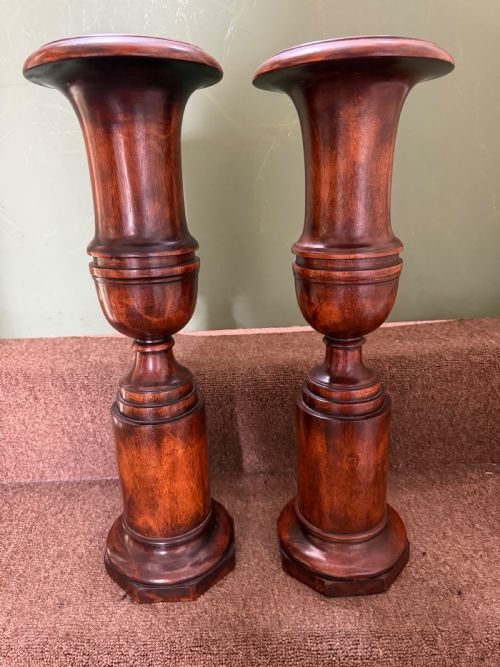
Makers utilised diverse forms influenced by classical antiquity, incorporating Neoclassical, French Empire, and Rococo Revival styles. Buyers encounter both indoor ornamental tazze and heavy outdoor planters in terracotta and stone.
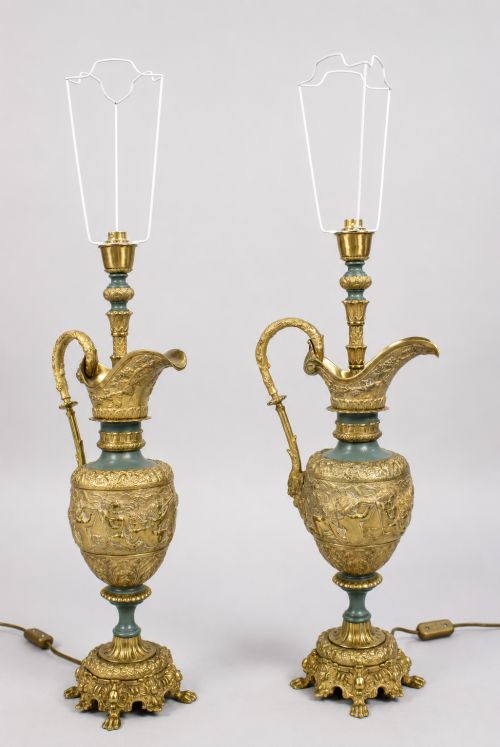
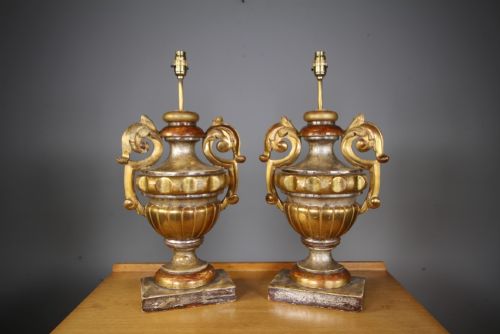
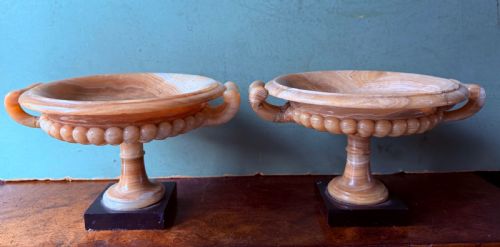
Many survivors reflect an 19th-century fascination with classical archaeology, often styled after ancient models like the Warwick or Medici vases. Others serve functional roles as converted table lamps, garniture sets, or lidded cassolettes.
How they were made
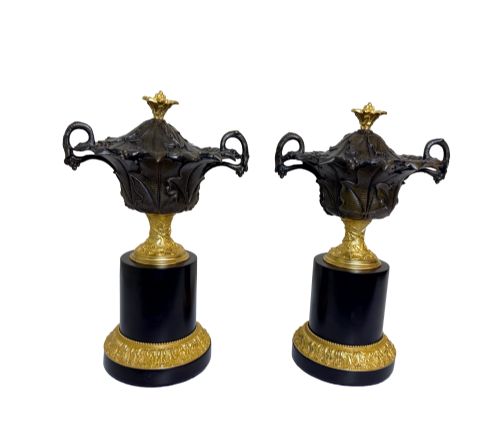
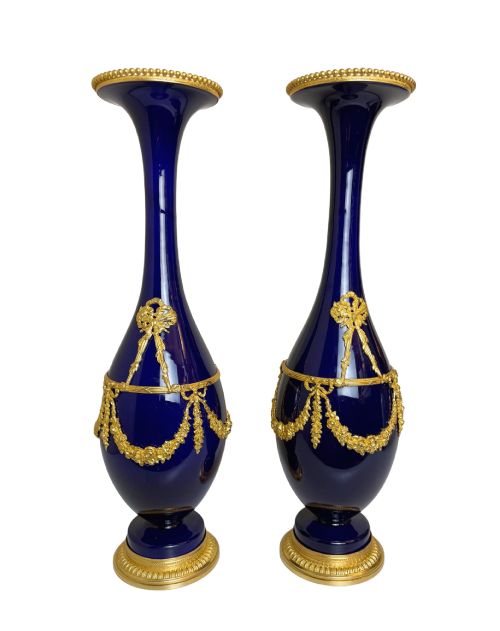
Foundry casting formed the basis for metal examples, utilising bronze, cast iron, and spelter, often finished with patination, gilding, or ormolu mounts. Stonework and marble varieties required precise carving from materials such as alabastro egiziano and Siena marble.
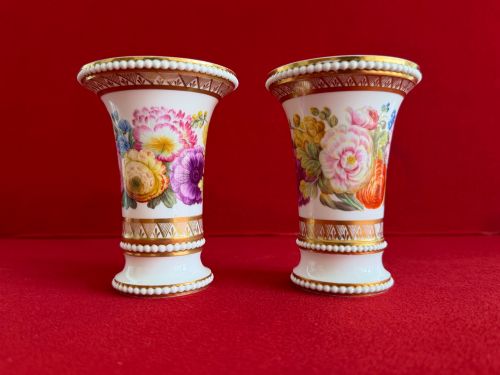
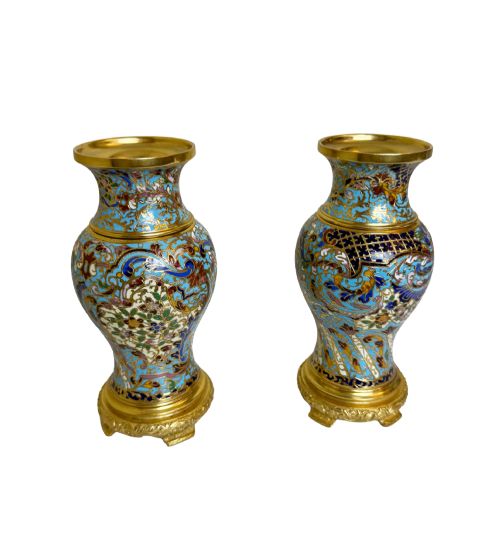
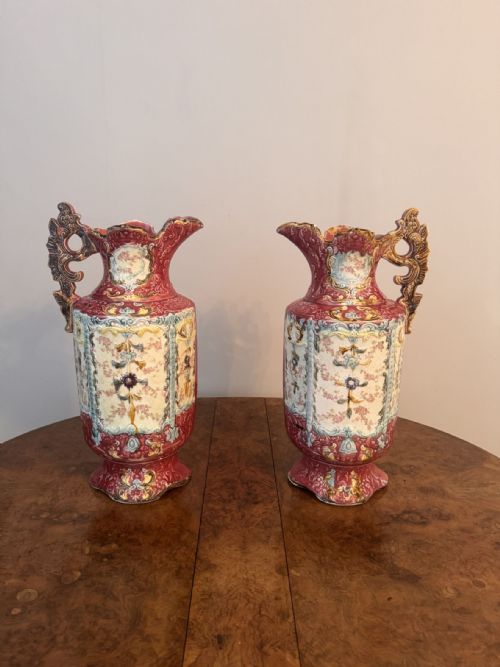
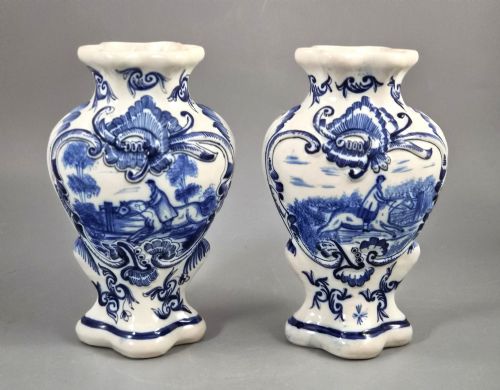
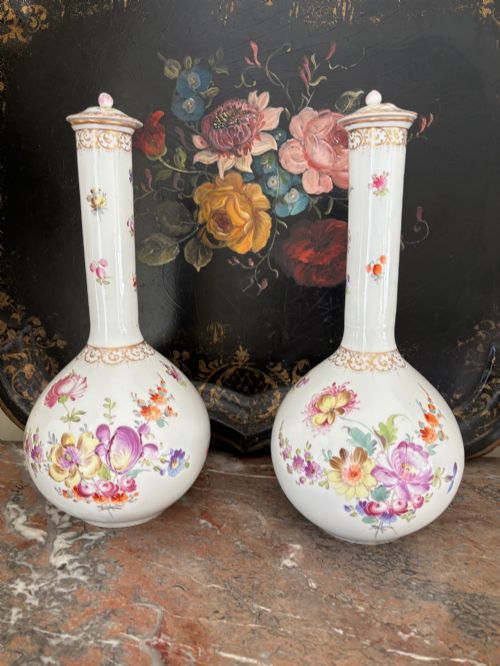
Ceramic and porcelain versions involved throwing or moulding clay, followed by hand-painted floral decorations, enamel work, and the application of champlevé enamel or gilt trim. Garden urns relied on durable cast iron and terracotta moulded in heavy industrial and regional potteries.
What varies in quality
The refinement of the casting and carving dictates the standard of the object, separating sharp, deeply articulated details from soft, commercial moulding. In bronze and marble pieces, the precision of the chiselling and the quality of the marble figuring determine the desirability.
Porcelain and ceramic examples rely on the crispness of the hand-painted decoration, the vibrancy of the enamels, and the integration of metal mounts. Garden and architectural pieces depend on the thickness of the iron and the integrity of the original surfaces.
Fourmaintraux-Courquin·Sitzendorf·Spode·Samson Paris·Helena Wolfsohn·Andrew Handyside
The Pair 19th Century Urns Glossary
- Campana
- A bell-shaped vessel with a flared rim and footed base, frequently seen in metal and stone. This classical form originates from ancient Roman garden pottery.
- Tazza
- A shallow bowl or cup raised on a high foot and stem, often used for decorative display. Grand Tour examples in marble and bronze were popular souvenirs.
- Ormolu
- Gilded bronze mounts applied to furniture, clocks, and porcelain urns during the nineteenth century. The technique involves a mercury amalgam applied to cast bronze.
- Cassolette
- A decorative vessel shaped like an urn, frequently featuring a reversible lid for holding perfumes or potpourri. French examples often combine marble and gilt bronze mounts.
- Garniture
- A set of matching decorative vases or urns designed to be displayed together on a mantelpiece. These typically comprise a central piece flanked by smaller matching vessels.
Pair 19th Century Urns: Frequently Asked Questions
Where should I place a pair of heavy cast iron urns?
These robust outdoor pieces suit garden paths, stone plinths, or entranceways where their weight and weather-resistant material can be appreciated.
Ensure they rest on a level surface such as gravel, stone, or a dedicated garden plinth to support their mass safely.
How do I identify a Grand Tour bronze urn?
Grand Tour souvenirs from the nineteenth century often feature detailed patinated bronze combined with coloured Italian marbles like Siena or black block bases. These smaller-scale pieces frequently replicate famous antiquities seen by travellers in Roman museums.
Look for fine hand-chased surface details and solid marble plinths that indicate mid-nineteenth-century production standards.
Can I use nineteenth-century porcelain urns for fresh flowers?
Many decorative porcelain and ceramic vessels featured in nineteenth-century homes were intended strictly for visual display or as garniture sets rather than holding water. Using them for fresh arrangements risks damaging historic glazes or interior bodies.
Consider utilising a discreet glass or plastic liner inside the urn if you wish to display floral stems safely.
What is the difference between spelter and bronze?
Spelter is a zinc alloy that was frequently used as a less expensive alternative to bronze during the nineteenth century. It is lighter in weight and softer, often finished with a bronzed or painted surface.
Bronze offers greater durability, weight, and a deeper metallic resonance when patinated and cast.