




Painted Wooden Low Tables
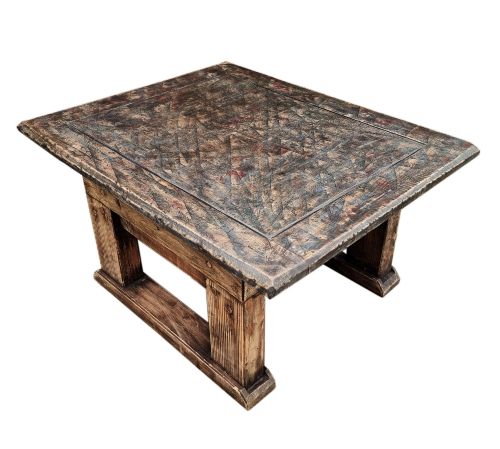
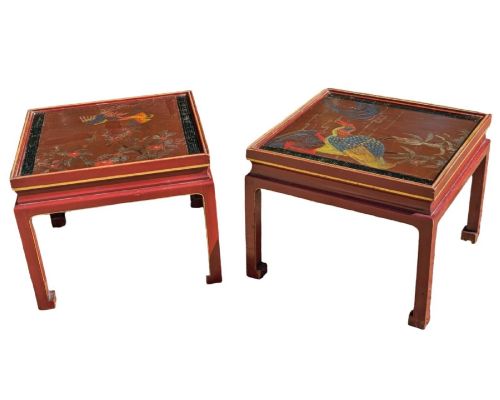
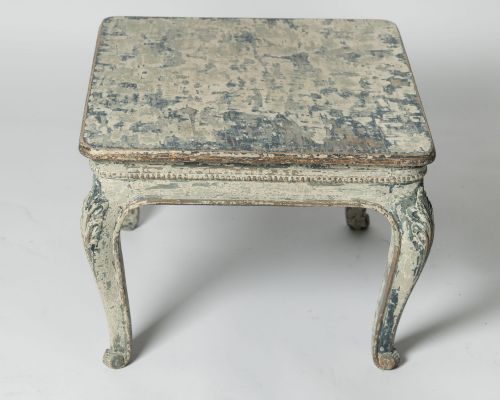
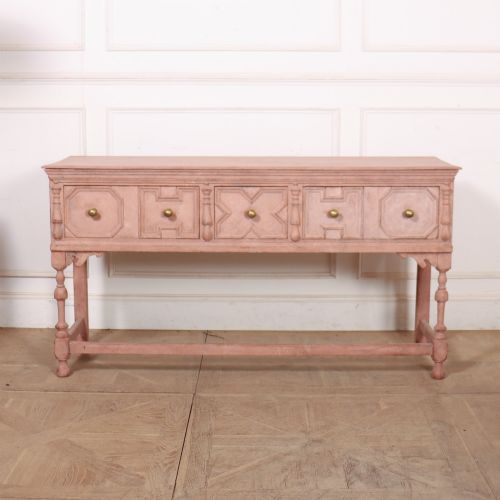
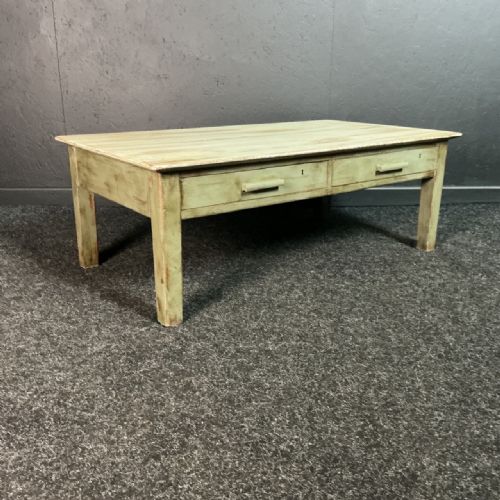
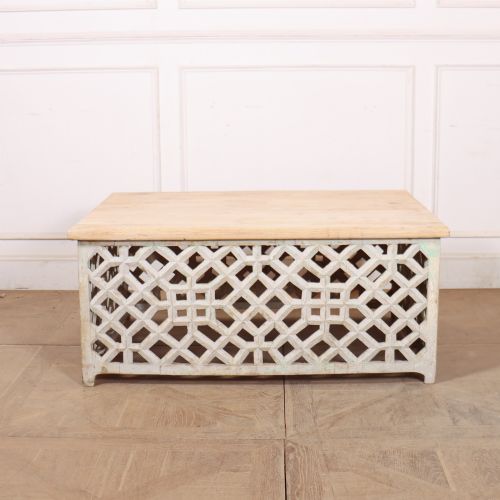
These painted wooden low tables bring character to a room, offering low surfaces finished in pigment, lacquer, and paint across various periods.
Painted Wooden Low Tables
When you search for painted wooden low tables, you meet a varied group of low furniture ranging from repurposed dresser bases and side tables to dedicated coffee tables and stools. The selection draws on traditions from English country and rustic farmhouse styles to Chinoiserie, French Régence, and Anglo-Indian designs.
The pieces span several centuries, with examples originating from the eighteenth, nineteenth, and early twentieth centuries. You encounter items finished with original paint, gilt, and lacquer, often showing the marks of long use in domestic settings.
How they were made
Makers utilised timber such as oak, pine, teak, and hardwood as the primary construction materials for these low tables and bases. Surfaces received coats of paint, lacquer, or pigment, sometimes enhanced with parcel-gilt detailing.
Many items began life as taller forms, such as dresser bases or centre tables, later adapted to lower proportions for modern use. Others were constructed from the outset as low stools, tray-top coffee tables, or window seats.
Painted Wooden Low Tables Retail Price Guide 2026
Typical asking prices for painted wooden low tables among the pieces listed under this phrase on Sellingantiques today, from the lower quarter to the upper quarter. They describe what is for sale here now, not the wider market.
Listings feature items from the eighteenth, nineteenth, and early twentieth centuries, including Edwardian and Georgian examples.
What varies in quality
The character of the surface finish dictates much of the visual appeal, separating honest original paint and lacquer from later, heavier interventions. Patina accumulated through decades of domestic service gives depth to the timber and pigment.
Proportion and structural integrity matter greatly, particularly when taller furniture forms have been adapted into low tables. Well-balanced proportions and sound joinery distinguish a successful adaptation or purpose-built low table from a clumsy reduction.
The Painted Wooden Low Tables Glossary
- Chinoiserie
- European interpretations of Chinese and East Asian artistic traditions, frequently featuring painted motifs on lacquered grounds. This style appears on Edwardian and antique low tables.
- Dresser base
- The lower section of a traditional kitchen or dining room dresser, often featuring drawers and cupboards. These sturdy timber units are frequently adapted into low coffee tables.
- Parcel-gilt
- Partially gilded decoration where thin gold leaf highlights specific carved details or painted elements. It adds contrast against painted wooden surfaces.
- Potboard
- An open lower shelf fitted between the legs of a dresser base, traditionally used for storing pots and pans. It provides a useful lower tier on low table adaptations.
- Lacquer
- A durable finish applied in multiple layers and polished to a smooth surface, common on Asian-influenced furniture. It creates a hard sheen that protects the underlying wood.
Painted Wooden Low Tables: Frequently Asked Questions
Are these tables original low tables?
Many items designed as low stools, window seats, or coffee tables were made low from the beginning. Other examples started life as taller pieces like dresser bases and side tables before being adapted to lower heights for modern living.
Examining the proportions, leg construction, and wear patterns helps reveal whether a piece began its life closer to the floor or was altered later in its history.
How do I care for painted wooden surfaces?
Painted and lacquered wood requires gentle maintenance to preserve the historic finish. Dusting with a soft, dry cloth is usually sufficient, avoiding harsh chemical cleaners that can strip old pigment.
Keep these tables away from direct sunlight and excessive heat sources to prevent the wood from warping and the painted surfaces from cracking or fading.
What woods are used in these tables?
Makers employed a variety of timbers depending on the region and period of origin. Pine, oak, teak, and general hardwoods form the structural carcass beneath the paint and lacquer layers.
The choice of wood often reflects local availability, from English farmhouse oak and pine to exotic teak and hardwoods found in Anglo-Indian and Burmese pieces.
How do I identify Chinoiserie styles?
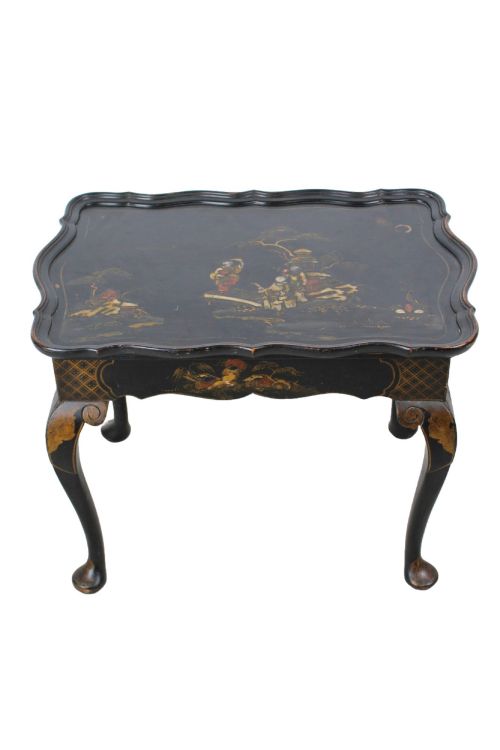
Chinoiserie pieces feature painted or lacquered decoration inspired by East Asian motifs, often displaying figures, landscapes, or floral designs. Edwardian makers embraced this aesthetic for tray-top coffee tables and decorative occasional tables.
The style relies on contrasting colours, frequently pairing dark or coloured lacquer grounds with gilt highlights and detailed hand-painted scenes.