

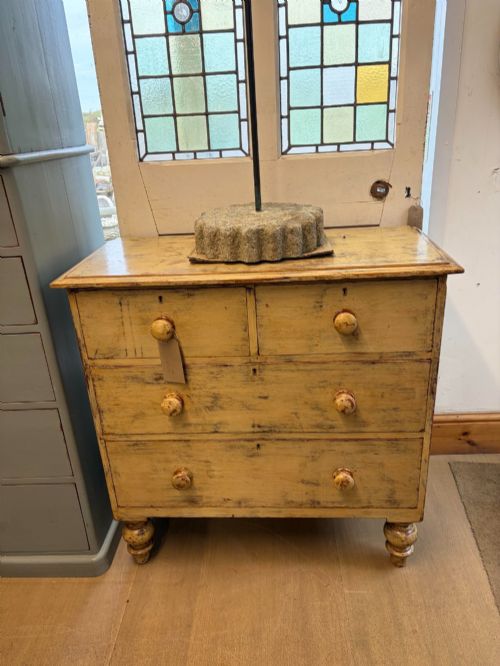
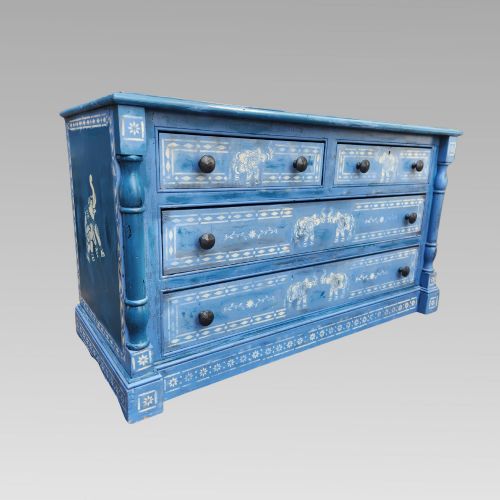
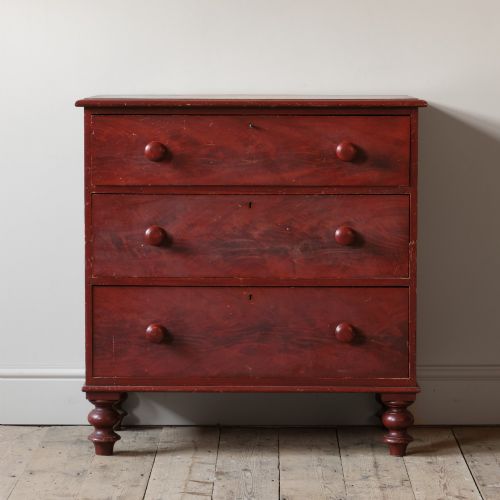

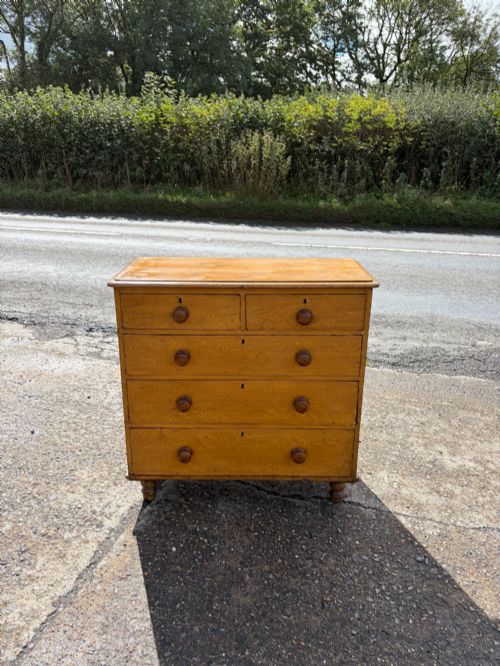

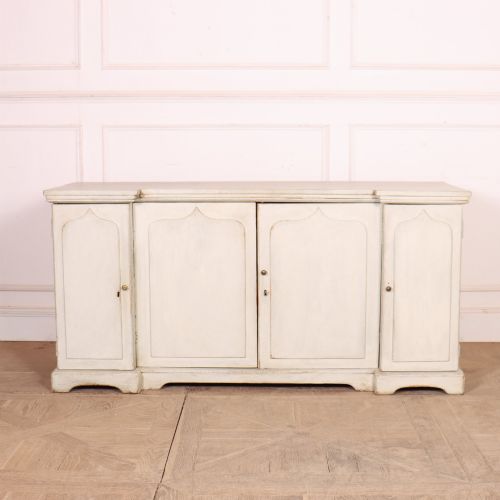

Painted Wooden Dresser
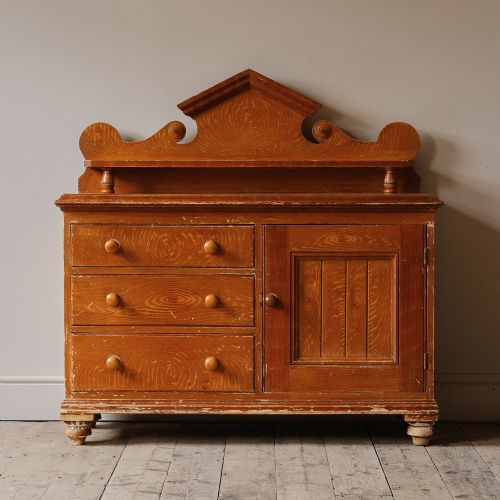
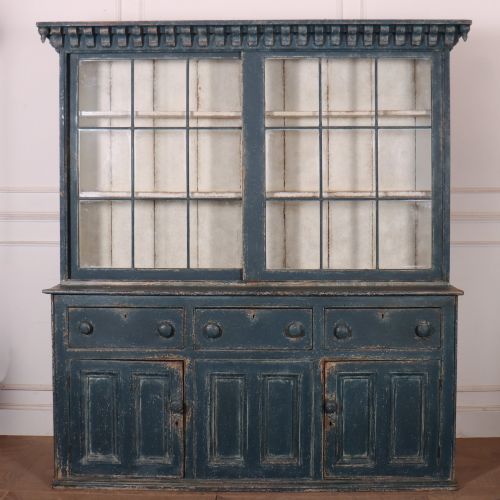
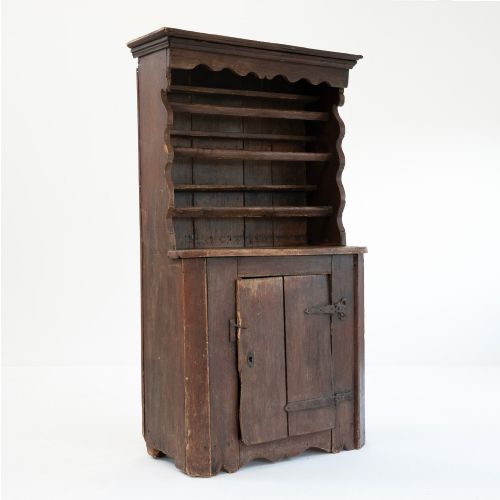
A painted wooden dresser brings functional storage and characterful colour to a room, ranging from kitchen dressers to potboard bases.
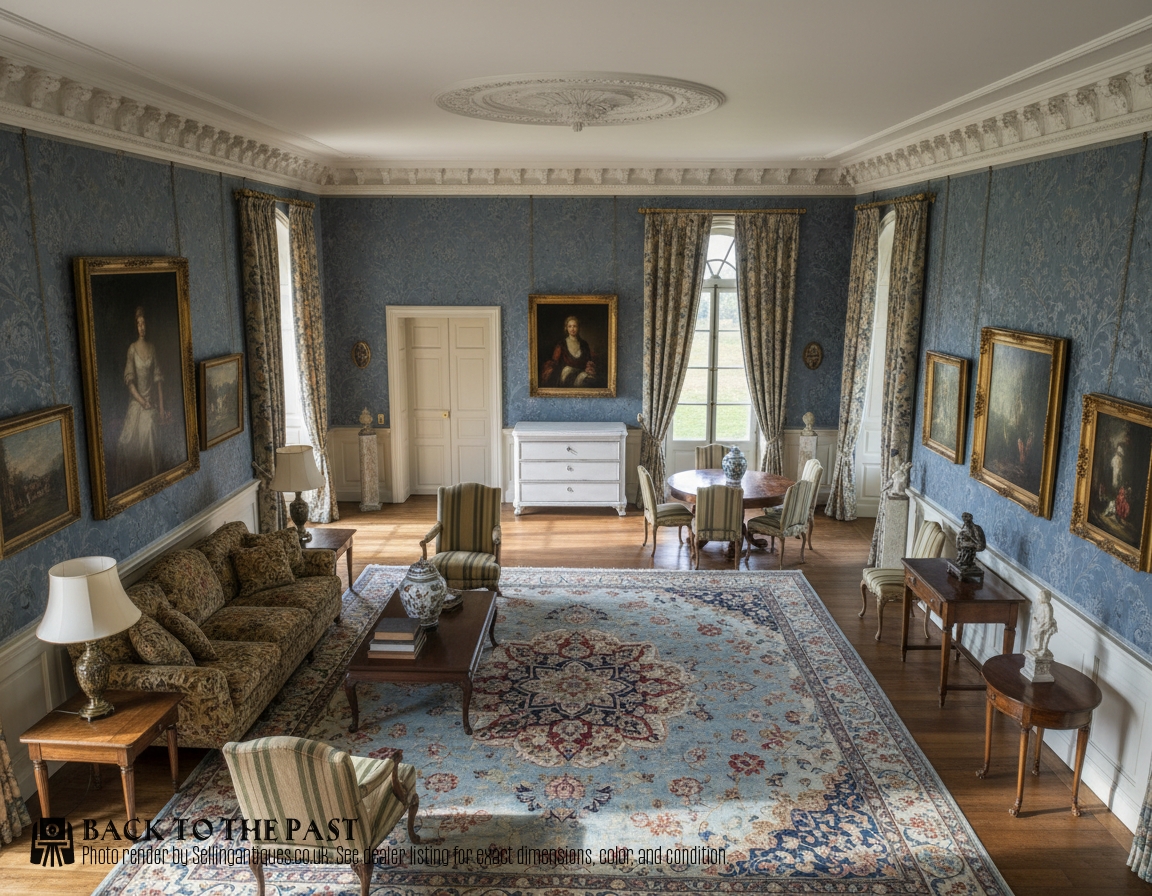
Painted Wooden Dresser
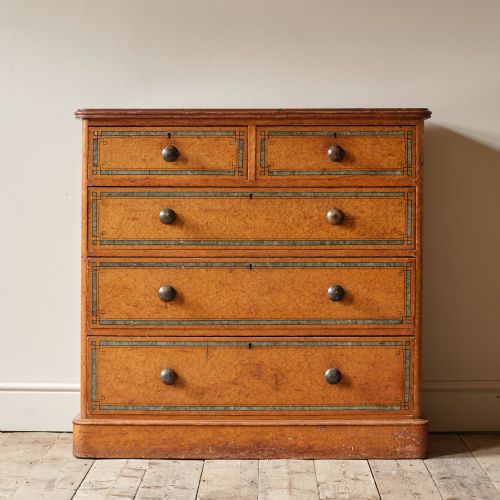
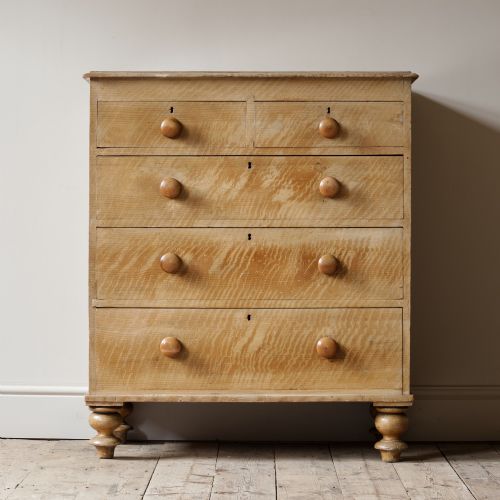
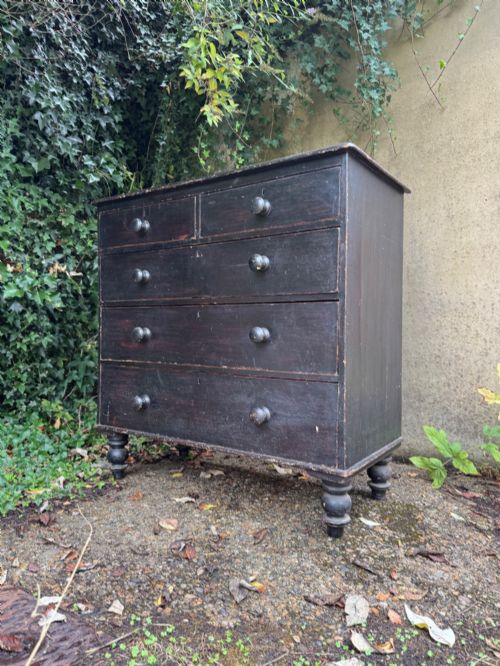
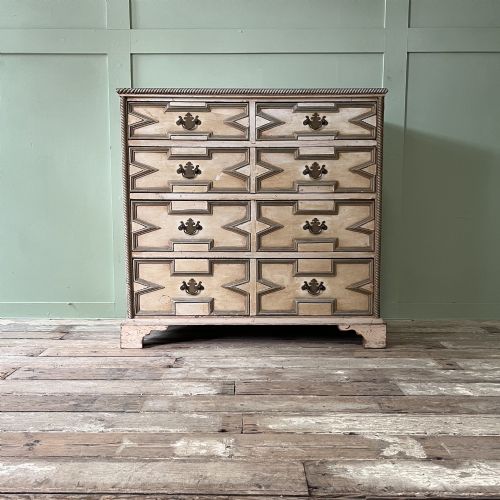
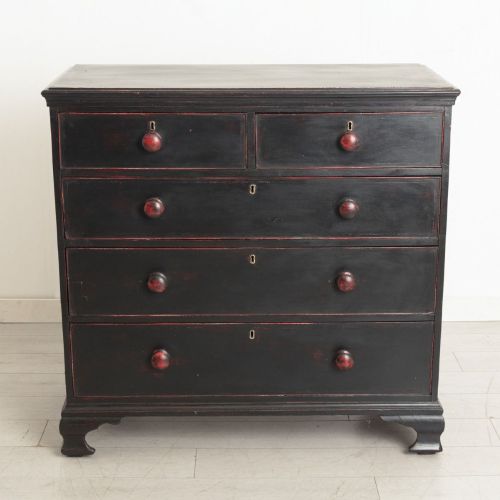
When you search for a painted wooden dresser, you encounter pieces that span kitchen dressers, potboard dresser bases, and housekeeper's cupboards alongside related forms like chests of drawers and commodes. These items originate from English, Scottish, Irish, French, Scandinavian, Danish, and Hungarian traditions, reflecting diverse regional furniture-making practices.
The selection on this page relies heavily on nineteenth-century pieces, including Victorian examples and items from the late eighteenth century, alongside occasional pieces from the 1920s and 1930s. Forms vary from large kitchen dressers with storage cabinets to narrow cupboards and serving tables.
Makers and styles span English Country, Victorian Country, Rustic Farmhouse, Gustavian, and Regency designs, with finishes that include original paint and muted tones such as mid grey and black.
Materials and construction methods
Makers constructed these pieces primarily using pine and solid wood, frequently incorporating brass and iron hardware such as handles, hinges, and structural brackets.
Surfaces feature layered paint applications, with many examples retaining original paint finishes, while glass elements appear in glazed upper cupboards and cabinets.
Painted Wooden Dresser Retail Price Guide 2026
Typical asking prices for painted wooden dresser among the pieces listed under this phrase on Sellingantiques today, from the lower quarter to the upper quarter. They describe what is for sale here now, not the wider market.
Listings feature pine and painted wood constructions spanning the 18th, 19th, and early 20th centuries across English, French, and Scandinavian styles.
Differentiating quality across pieces
The distinction between tiers of quality rests upon the integrity of the original timber construction and the survival of authentic early paint surfaces rather than later repainting. Structural joinery, whether in two-part chests or potboard bases, determines the enduring stability of the piece.
Proportion, regional character, and the subtlety of decorative detailing elevate certain examples, separating standard utilitarian storage from finely proportioned vernacular and country house furniture.
Sir Clough Williams-Ellis·Edwards and Roberts
The Painted Wooden Dresser Glossary
- Potboard dresser base
- A low sideboard or dresser base featuring an open lower shelf, known as a potboard, traditionally used for storing heavy kitchen utensils.
- Housekeeper's cupboard
- A large, tall storage cupboard designed for linen and provisions, typically fitted with multiple internal shelves and drawers.
- Commode
- A low chest of drawers or cabinet, frequently associated with continental European styles such as French Gustavian or Louis XVI designs.
- Breakfront
- A piece of furniture featuring a central section that projects forward from the flanking outer sections.
- Original paint
- The initial decorative or protective surface coating applied to the timber, valued by collectors for its untouched patina.
Painted Wooden Dresser: Frequently Asked Questions
What is a painted wooden dresser?
A painted wooden dresser is a utilitarian or decorative storage piece constructed from timber and finished with paint, encompassing kitchen dressers, potboard bases, and cupboards.
These items serve practical storage needs while introducing regional decorative styles from British and continental European traditions.
How were these dressers used historically?
Historically, these pieces served in kitchens, country houses, and farmhouses for storing tableware, linens, and provisions.
Potboard bases and housekeeper's cupboards provided heavy-duty storage for domestic households before fitted kitchen cabinetry became common.
How do I identify original paint?
Original paint exhibits natural wear, craquelure, and weathering consistent with age, showing layers that have adhered directly to the pine substrate.
Examining the edges and interior surfaces helps reveal whether the painted finish predates modern refinishing attempts.
Where were these painted pieces made?
These pieces originate from across the British Isles, including England, Scotland, and Ireland, as well as continental locations such as France, Scandinavia, Denmark, and Hungary.
Each region developed distinct proportions, construction methods, and paint colours that define their local vernacular style.
How do I live with a painted dresser?
A painted dresser functions well as a focal point in a dining room, kitchen, or living area, offering generous display and concealed storage.
Maintaining stable room humidity preserves both the underlying pine timber and the character of the painted surface.