
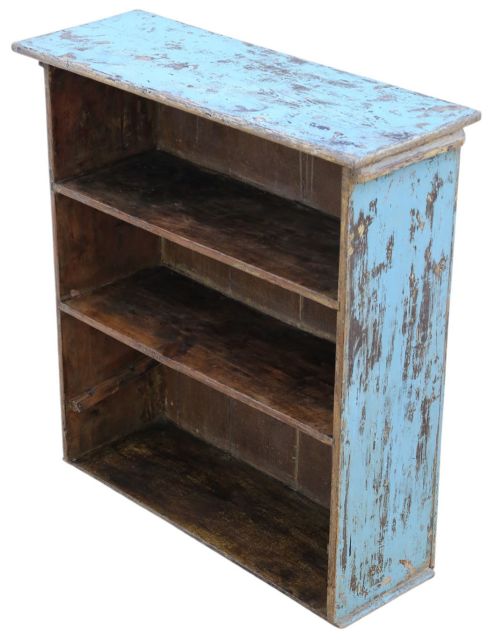
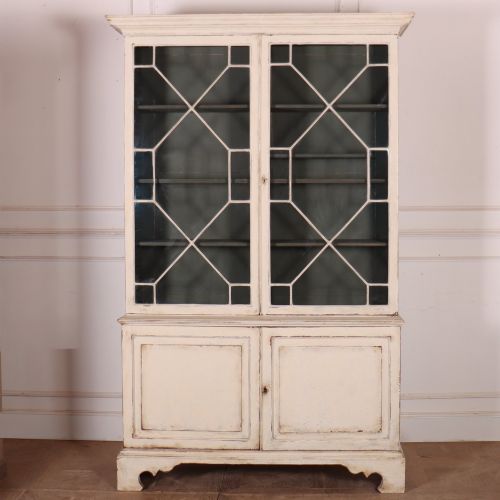
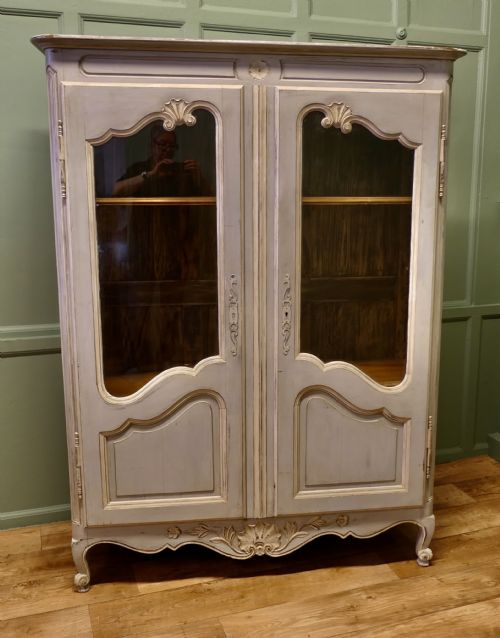
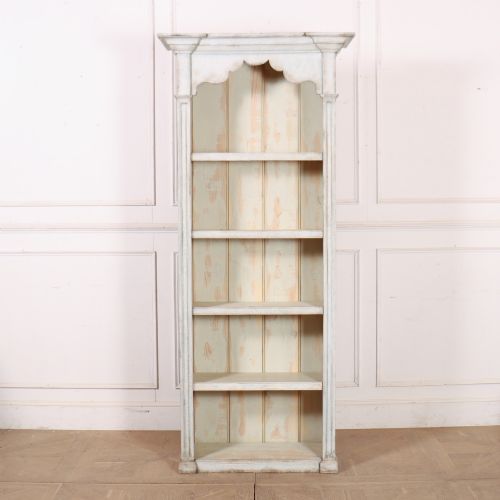




Painted Wooden Bookcase
A painted wooden bookcase brings colour and character to a room while keeping volumes organised.
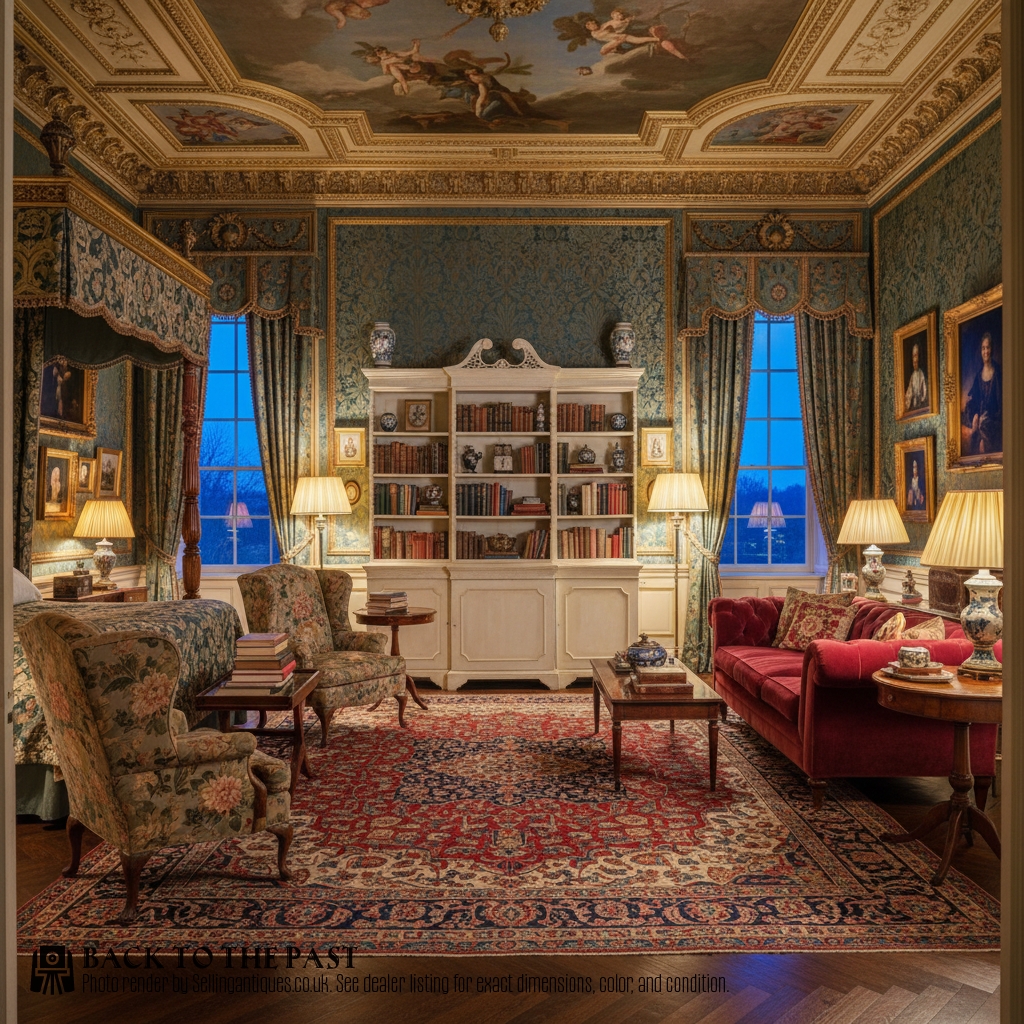
Painted Wooden Bookcase
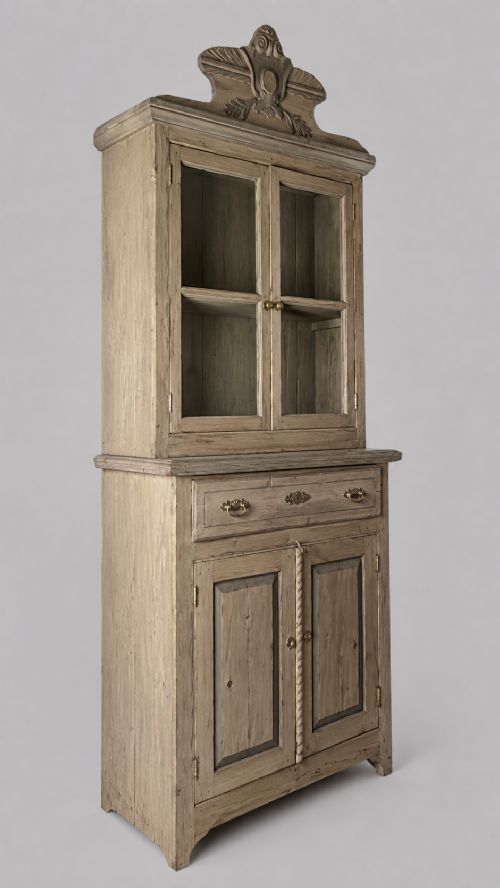
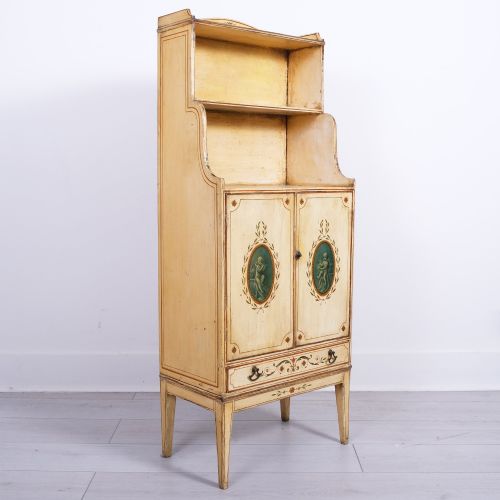
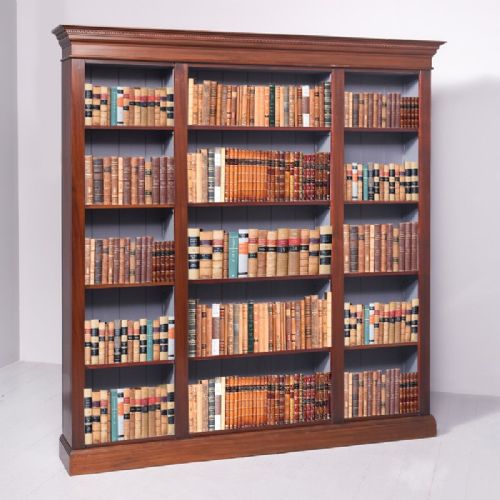
A painted wooden bookcase combines practical book storage with decorative surface finishes spanning centuries of craftsmanship. When searching for a painted wooden bookcase, buyers encounter forms ranging from simple open shelves to elaborate glazed display cabinets and kitchen dressers.
Periods represented stretch from the eighteenth century through the Victorian era into the early twentieth century. Common materials include pine, oak, and various timber carcases finished with historic paint, lacquer, or scrumbled surfaces.
Materials and construction methods
Cabinet makers built these pieces using solid timber carcases of pine, oak, and other native woods, joined with traditional framing techniques. Glass doors frequently incorporated brass hardware such as hinges and locks.
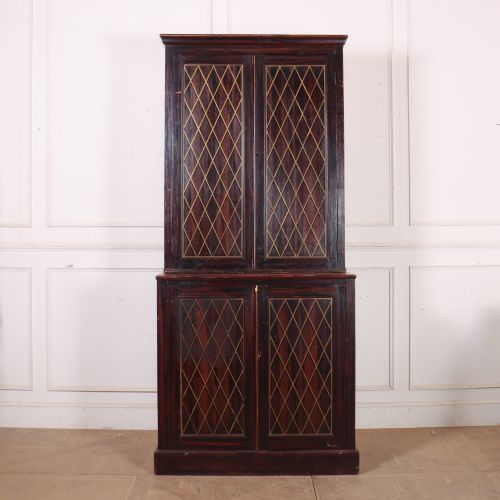
Surface decoration relied on layered paintwork, sometimes applied over simulated wood grains or detailed lacquer work. Distressed patination developed naturally through generations of use or through intentional decorative finishing.
Listings include items spanning the eighteenth century, the Victorian period, and the 1930s, constructed from pine, oak, and glass.
Distinctions in construction and finish
Quality rests in the integrity of the timber framing, the alignment of doors and drawers, and the preservation of original or early paint layers. Superior examples display balanced proportions, fine mouldings, and hardware appropriate to their period.
The depth and complexity of the painted finish distinguish standard utility furniture from finer decorative pieces. Original glazing bars, well-fitted shelving, and sound structural joinery elevate certain examples above simpler domestic cupboards.
Edwards & Roberts
The Painted Wooden Bookcase Glossary
- Vitrine
- A glass-fronted cabinet designed for displaying books, ceramics, or curiosities. These pieces often feature delicate glazing bars and painted frames.
- Breakfront
- A cabinet design where the central section projects forward from the flanking wings. This architectural form adds depth and presence to larger library bookcases.
- Scrumbled
- A decorative painting technique involving the manipulation of translucent wet glaze over a lighter base coat to imitate wood grain or texture. It was frequently applied to pine furniture.
- Dresser
- A dual-purpose item featuring lower cupboards or drawers surmounted by open display shelving. Kitchen dressers served as practical storage for household china and volumes.
- Lacker
- A durable resin finish used on Asian export cabinets, providing a smooth glossy surface often decorated with figures or landscapes in relief.
Painted Wooden Bookcase: Frequently Asked Questions
What is a painted wooden bookcase?
A painted wooden bookcase is a storage unit built from timber and finished with decorative paint, combining shelving for books with a distinctive surface aesthetic.
These pieces range from tall nineteenth-century library fixtures to smaller provincial cupboards and display cabinets.
How do I date a painted wooden bookcase?
Dating relies on examining the construction joints, timber types, and the composition of the paint layers applied to the wood. Structural hardware like hinges and the style of the mouldings also provide clear indicators of period.
Comparative analysis of regional forms helps distinguish eighteenth-century examples from later Victorian or twentieth-century reinterpretations.
Where were painted bookcases used?
They served in domestic libraries, drawing rooms, school departments, and country house kitchens for everyday storage and display.
Smaller corner versions fitted into domestic parlours while larger breakfront units anchored formal reception rooms.
How should I care for painted wood?
Maintenance involves dusting with a soft dry cloth and protecting the surface from direct sunlight and excessive humidity fluctuations. Avoid harsh chemical cleaners that might compromise historic paint layers.
Maintaining stable environmental conditions preserves both the timber carcase and the decorative finish.