



Painted Wood Wine Table
A painted wood wine table brings colour and small-scale surface pattern to a room, offering a portable ledge for a glass or a lamp.
Painted Wood Wine Table
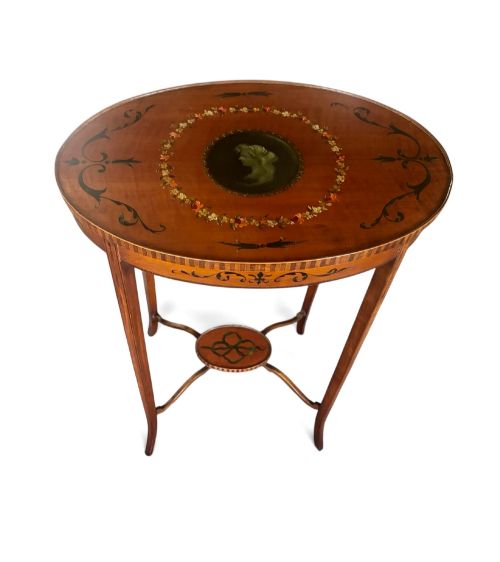
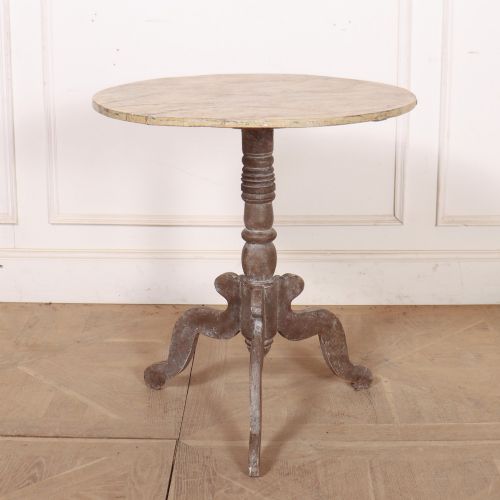
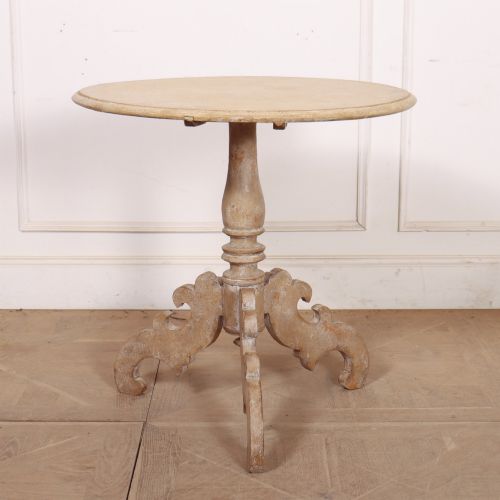
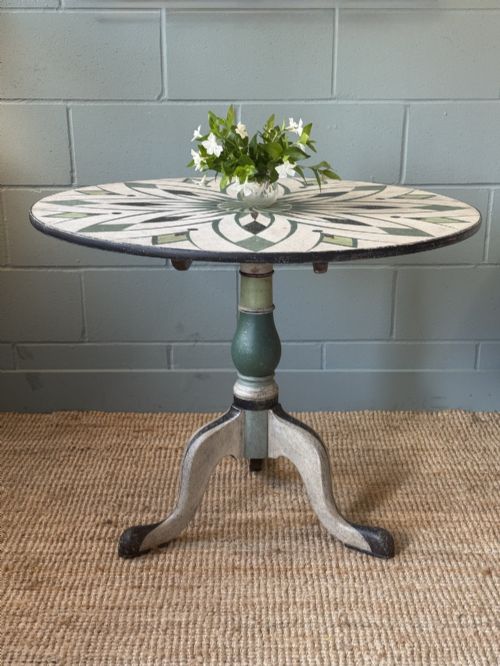
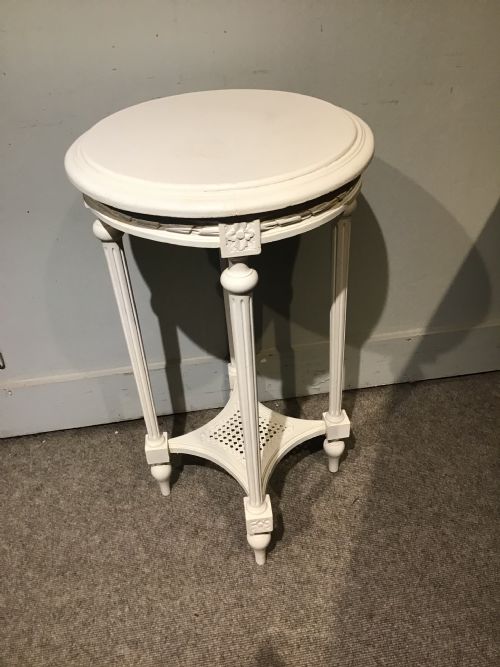
When you search for a painted wood wine table, you encounter a variety of small occasional and side tables designed primarily for versatility and decorative impact. The selection on this page ranges from compact lamp tables and pedestal forms to tilt-top designs and occasional pieces, spanning the Victorian and Edwardian eras alongside nineteenth-century examples.
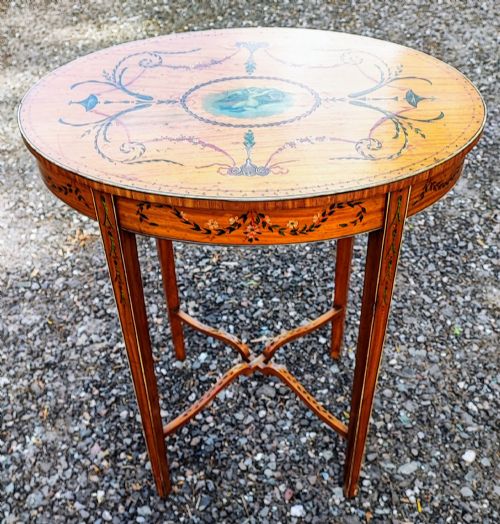
Regional styles dominate the offerings, with Swedish country and Scandinavian pieces appearing frequently alongside French chateau designs, Italian polychrome finishes, and English satinwood. These tables function easily beside a chair or in a corner, providing surface space without dominating the room layout.
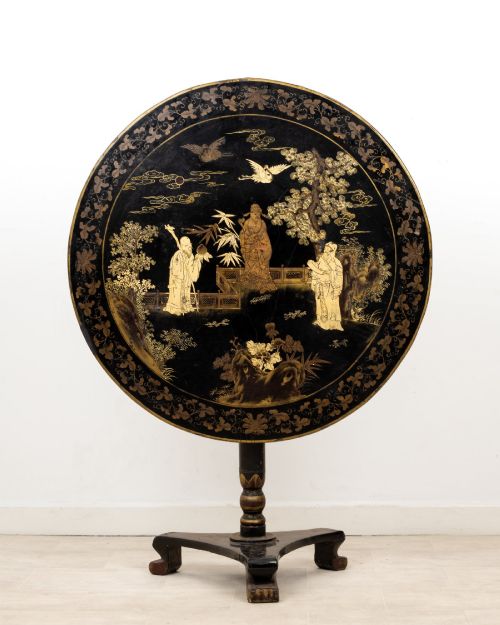
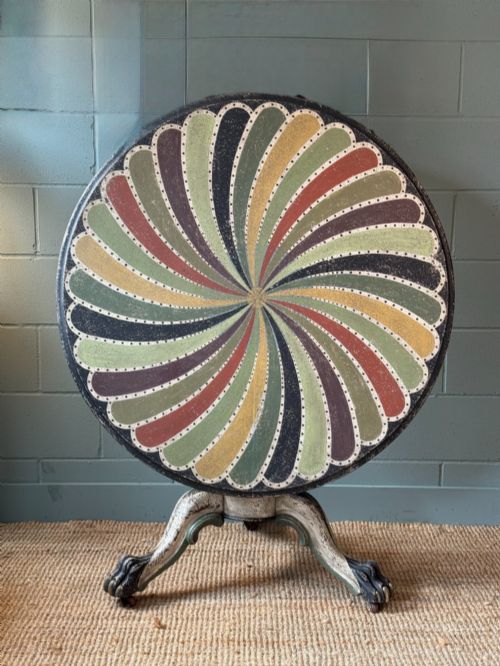
Many items incorporate specific decorative traditions, such as Chinoiserie motifs, floral or petal designs, and detailed Kashmir painting. Certain pieces feature later painted enhancements on earlier frames, reflecting a long tradition of refreshing furniture surfaces to suit changing tastes.
How they were made
Makers utilised timber substrates including pine, birch, and satinwood, applying gesso as a smooth preparation layer before building up the painted scheme. Surface ornamentation ranges from fine, detailed brushwork and gilt highlights to lacquer and polychrome finishes.
Structural variety includes pedestal supports, tilting tops, and nested configurations, with some iterations incorporating inset marble tops for added weight and durability. Construction techniques balance the practical need for stability in a small table with the refined demands of decorative surface art.
One exceptional nesting set bears the actual signature of E. Daligny, proving that even a small table likes to sign its artwork.
What varies in quality
Quality rests in the precision and preservation of the painted surface, distinguishing finely executed brushwork and coherent stylistic design from simpler or later decorative additions. The integrity of the underlying timber structure and the crispness of turned or carved pedestal details also set finer examples apart.
Proportion and balance define the better pieces, ensuring that small tables remain stable despite decorative legs or tilt-top mechanisms. The harmony between the original form of the wood furniture and the execution of the paintwork governs the overall standard.
E. Daligny
The Painted Wood Wine Table Glossary
- Satinwood
- A dense, yellowish timber prized for its smooth grain and reflective quality, often used as a fine veneer or solid base for painted decoration in eighteenth and nineteenth-century furniture. It takes polish exceptionally well.
- Tilt-top table
- A table with a mechanism that allows the surface to hinge vertically when not in use, saving space and displaying the tabletop design. This form became popular for occasional and tea tables.
- Polychrome
- Painted or decorated in several colours, adding vibrancy and narrative detail to furniture surfaces. This finish appears frequently on Italian and continental decorative pieces.
- Gesso
- A plaster mixture applied to wood surfaces as a smooth base for painting and gilding. It provides a crisp ground for intricate decorative work.
- Gueridon
- A small decorative stand or table, typically round and supported by a single central pillar, originating in seventeenth-century France. The form persisted through later centuries as an occasional or wine table.
Painted Wood Wine Table: Frequently Asked Questions
What is a painted wood wine table used for?
These small tables serve as convenient movable surfaces for a glass, a book, or a bedside lamp. Their compact footprints allow them to fit into tight corners and beside seating.
Historically, small occasional tables moved around rooms to meet immediate needs during social gatherings. Today, they function in the same practical capacity while adding decorative colour to an interior.
How do I date a painted wood wine table?
Dating relies on observing the timber species, the style of the turning on the legs or pedestal, and the characteristics of the paint medium. Construction methods, such as joinery and fixings, also offer clues to the period of manufacture.
Stylistic markers like Edwardian satinwood or Victorian folk art provide broad chronological boundaries. Comparing the painted motifs with documented regional design periods helps refine the age further.
Are painted wood wine tables sturdy?
Most examples offer adequate stability for everyday items like lamps and drinks, provided they rest on a level floor. Pedestal and tilt-top versions require careful handling around the central mechanism.
While built for practical use, these tables are lighter than large dining furniture. Respecting their age and delicate painted surfaces ensures they remain functional.
How do I care for a painted wood table?
Keep painted surfaces away from direct sunlight and excessive moisture to prevent fading or lifting of the gesso and paint layers. Dust gently with a dry, soft cloth rather than using liquid polishes.
Using coasters and placemats protects the decorative top from rings and scratches. Gentle handling preserves both the timber substrate and the historic finish.