

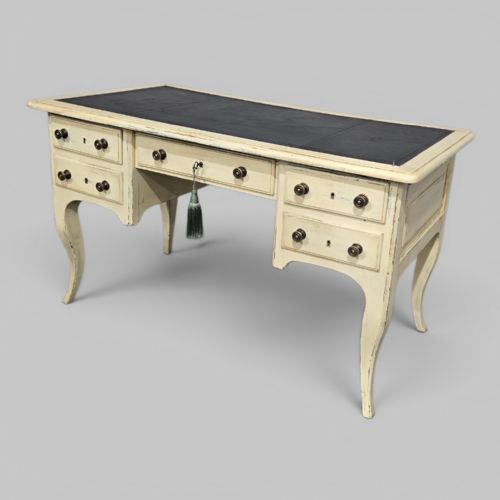


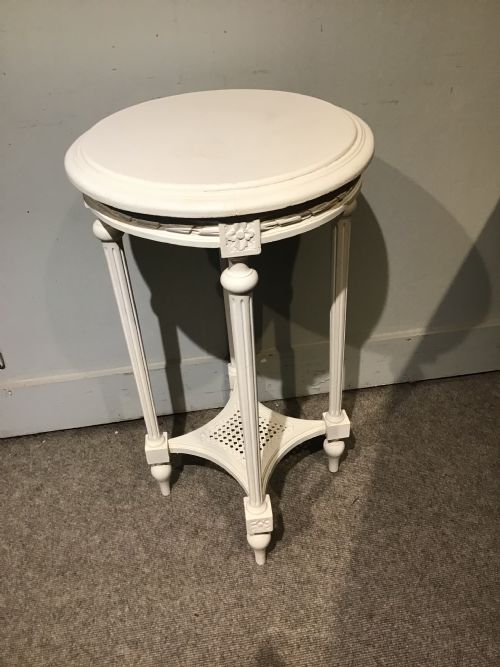


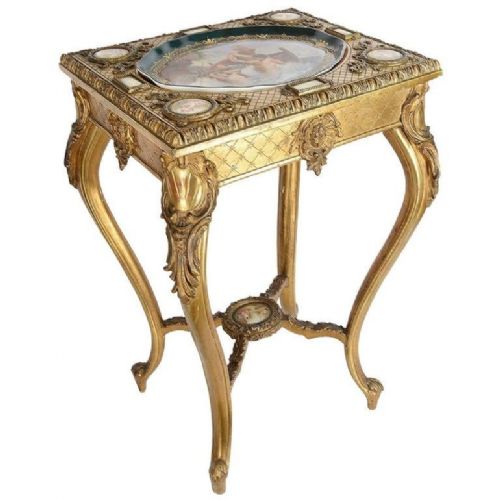
French Painted Pedestal Table
A french painted pedestal table brings continental elegance to any room, combining decorative painted finishes with practical surfaces for daily use.
French Painted Pedestal Table
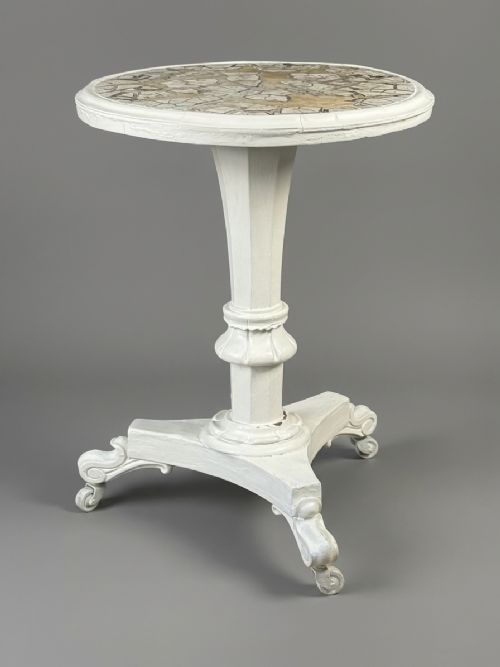
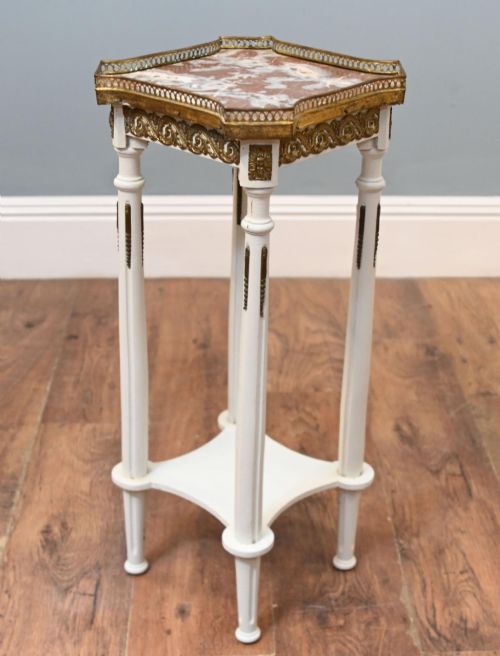
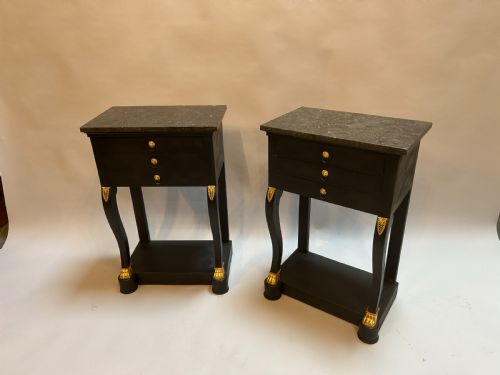
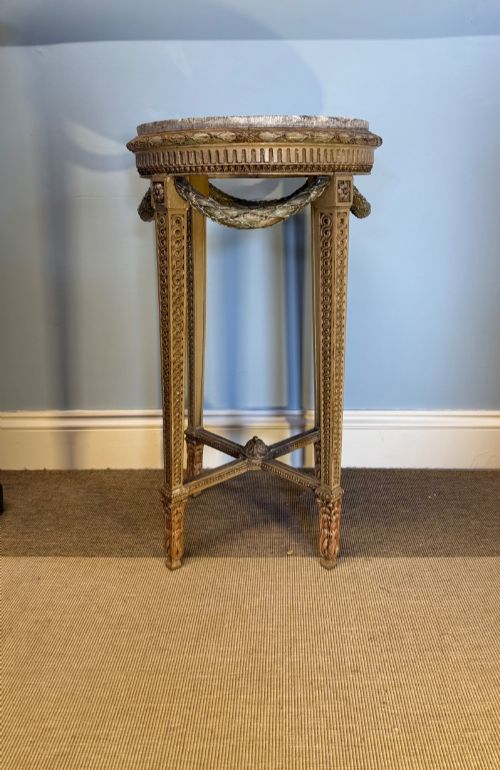
When you search for a french painted pedestal table, you are looking at small-scale furniture designed to hold objects or serve as a focal point in a room. The selections on this page range from occasional tables and gueridon tables to plant stands and centre tables, spanning periods from the early nineteenth century through to the belle epoque.
Most examples you will meet here feature a sturdy central pillar supporting a circular or shaped top, often constructed from painted wood. Styles draw heavily upon french empire, louis xvi, and rococo revival aesthetics, offering decorative painted surfaces that complement various interior schemes.
Materials and construction
Makers utilised painted wood as the primary structural material, often enhancing the timber with parcel silvered details, gilt metal mounts, or ormolu accents. These finishes created the characteristic decorative appearance associated with continental workshops.
Heavy stone inserts, notably marble and specimen stone, frequently form the tabletops to provide a durable and cool surface. Additional detailing incorporates brass elements and porcelain plaques, reflecting the refined tastes of nineteenth century craftspeople.
French Painted Pedestal Table Retail Price Guide 2026
Typical asking prices for french painted pedestal table among the pieces listed under this phrase on Sellingantiques today, from the lower quarter to the upper quarter. They describe what is for sale here now, not the wider market.
Listings feature items spanning the nineteenth century, 1850, 1860, 1880, 1900, 1910, 1920, and the regency period.
Assessing quality and finish
The distinction between standard examples and finer pieces lies in the execution of the painted surface and the quality of the decorative mounts. Superior items display meticulous brushwork, consistent patination, and solidly integrated stone or marble tops.
Structural integrity of the central pedestal and the refinement of any carved wood or ormolu details further separate mass-produced items from more bespoke workshop creations. The choice of materials, such as genuine porcelain plaques or heavy specimen stone, indicates the original tier of production.
The French Painted Pedestal Table Glossary
- Gueridon
- A small French table supported by a single central pillar or column. These pieces often serve as decorative accent tables in reception rooms.
- Ormolu
- Gilt bronze ornamentation applied to furniture and decorative objects. This technique was widely utilised during the nineteenth century to highlight structural details.
- Specimen stone
- Various coloured marbles or hardstones arranged to form geometric or pictorial patterns on tabletops. It demonstrates advanced stonemasonry skills.
- Parcel silvered
- A decorative finish where selected portions of an object are highlighted with silver leaf. This method accentuates carved details and mouldings.
- Belle Epoque
- A period of artistic and cultural refinement in France lasting from the late nineteenth century until the First World War. Furniture from this era often incorporates lighter, decorative motifs.
French Painted Pedestal Table: Frequently Asked Questions
What is a gueridon table?
A gueridon is a traditional French round table supported by a central column rather than standard side legs. They were originally introduced in the seventeenth century and remained popular through the nineteenth century.
These versatile tables function well as freestanding display pieces or occasional surfaces in living spaces. Their compact footprint makes them suitable for smaller corners and hallways.
How do I care for a marble top?
Marble surfaces require gentle cleaning with mild, pH-neutral soap and warm water to protect the stone from staining. Avoid abrasive cleaners or acidic substances like vinegar and citrus juice.
Using coasters and placemats helps prevent scratching and etching from daily use. Periodic sealing can further protect older stone from absorbing liquids.
Where were these tables used?
These pieces typically served in reception rooms, salons, and bedrooms as functional display surfaces for lamps, clocks, and ornaments. Centre tables were placed prominently in the middle of rooms.
Smaller occasional tables and bedside stands offered flexible placement near seating areas. Their decorative painted finishes ensured they complemented formal interior decor.
How can I identify the period?
Dating relies on examining the construction methods, secondary timbers, and stylistic markers such as empire or rococo revival motifs. Cabinetmakers of different eras utilised distinct joinery techniques.
Surface finishes also provide clues, with nineteenth-century pieces often showing characteristic crackleur in the painted wood. Comparing the decorative hardware to known historical patterns helps narrow down the decade of manufacture.