


Neoclassical Wine Table
A neoclassical wine table brings classical restraint and refined proportions to a corner, merging utility with antique elegance.
Neoclassical Wine Table
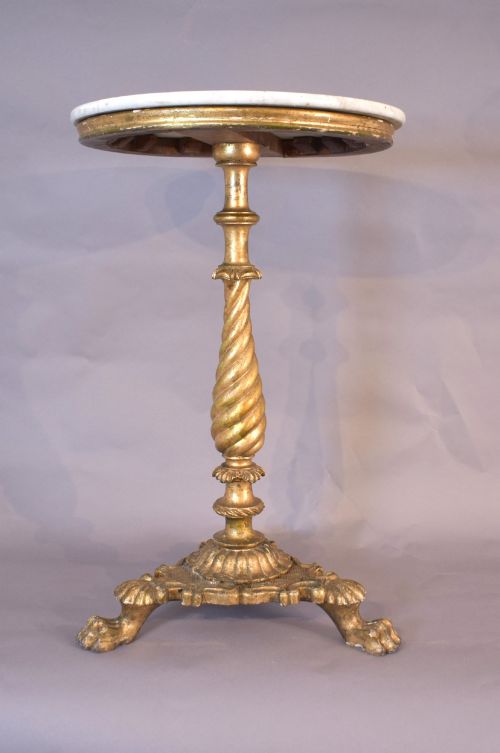
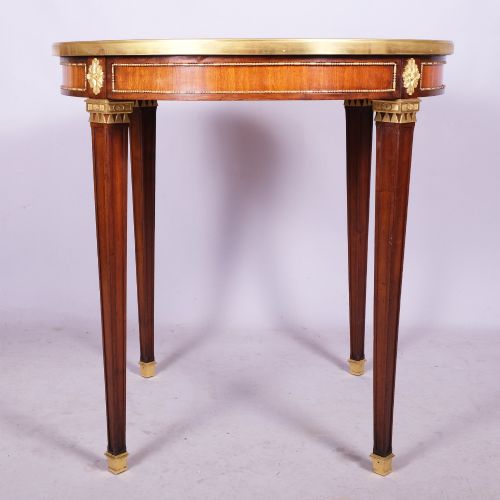
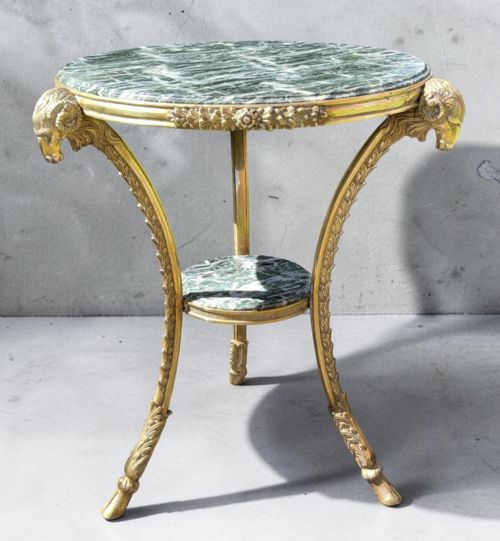
A neoclassical wine table typically presents as a compact occasional piece, often taking the form of a gueridon or a small tripod stand designed for domestic convenience. These items trace their design lineage through Georgian, Regency, and various continental phases.
The materials span mahogany, satinwood, and painted timbers, frequently topped with marble or onyx and accented with brass or gilt wood details. Such pieces serve effectively as lamp stands or decorative surfaces in traditional interiors.
Materials and Construction Methods
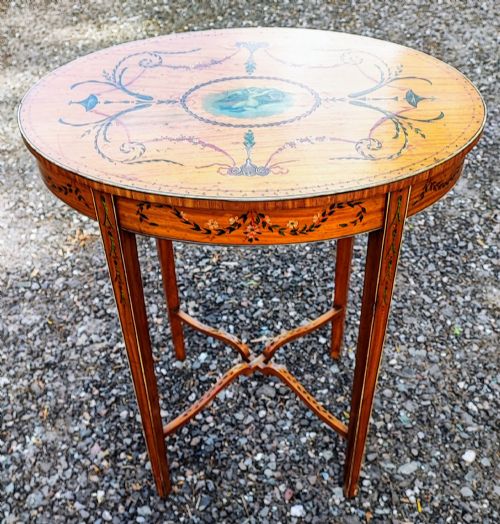
Cabinet makers utilised dense hardwoods like mahogany and satinwood as foundations, often applying delicate inlay or painted decoration to the surfaces. Structural stability relied on traditional joinery techniques suited to slender proportions and tripod bases.
Decorative enrichment involved cast brass mounts, ormolu details, and inset marble or onyx slabs. Gilt wood finishes and carved mouldings further distinguished the more elaborate examples.
Listings feature frequent examples from the nineteenth century, including French Empire style gueridons and Sheraton revival satinwood stands.
Assessing Quality and Execution
Quality rests primarily on the crispness of the carving, the finesse of any brass mounts, and the choice of timber figure. Finer examples display meticulous attention to proportion, particularly where slender columns meet tripod bases.
The integration of inset stone tops, such as marble or onyx, alongside precise inlay work, separates standard utility items from more ambitious cabinet work. Surface treatments, whether polished mahogany or delicate paintwork, dictate visual presence.
The Neoclassical Wine Table Glossary
- Gueridon
- A small French table, often round and supported by a central pillar or three legs, originating in the seventeenth century. These pieces function well as lamp or display stands.
- Bouillotte table
- A small French neoclassical card or occasional table featuring a raised gallery edge around the top. They were originally designed for the card game of the same name.
- Ormolu
- Gilded bronze ornamentation applied to furniture, popular in French neoclassical and Empire design. The technique involves mercury amalgamation to bond gold to a bronze base.
- Tripod table
- A freestanding table supported by three legs branching from a central column. This construction ensures stability on uneven floors.
- Inlay
- A decorative technique where contrasting materials are inserted into depressions in the wood base to form patterns. Satinwood and various exotic timbers often serve this purpose.
Neoclassical Wine Table: Frequently Asked Questions
What is a neoclassical wine table used for?
These pieces function as compact side surfaces, lamp stands, or decorative accents in sitting rooms and studies. Their small footprint makes them adaptable for corners or beside seating.
Historically, similar small stands held beverages or lighting, though today they serve predominantly as display spaces for small objects of art.
How do I identify the period of a table?
Dating relies on examining timber selection, construction methods underneath, and stylistic cues such as the severity of neoclassical lines or the presence of Empire mounts. Georgian and Regency pieces show distinct British cabinet-making traits.
Continental examples often adopt French idioms, including gilt column supports and marble tops. Comparing the joinery with known period standards clarifies the age.
Are marble topped tables heavy?
The inclusion of a marble or onyx slab adds considerable weight to the top section of the table. This mass helps anchor the slender tripod base firmly to the floor.
Despite the weight at the summit, the overall form remains balanced and portable for repositioning within a room.
How do I care for satinwood and painted surfaces?
Satinwood requires regular dusting with a soft, dry cloth and occasional feeding with appropriate wax to maintain the grain's lustre. Avoid placing these items in direct sunlight to prevent fading.
Painted and gilt surfaces demand particular care, requiring gentle cleaning without harsh solvents or abrasive polishes that might damage the decorative layer.