


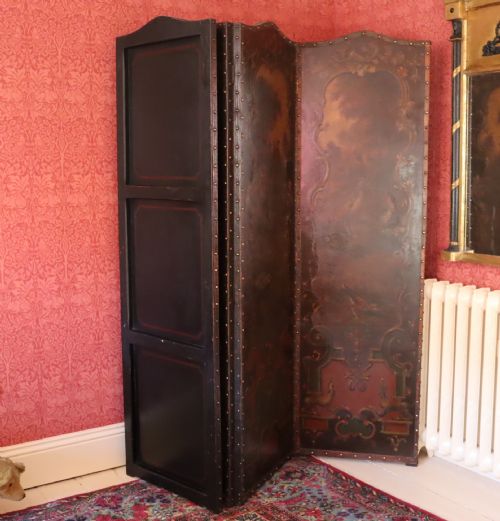


Painted Wood Room Divider
A painted wood room divider brings instant architecture and hand-brushed colour to a space, giving you flexibility to shape interiors with folding panels.
Painted Wood Room Divider
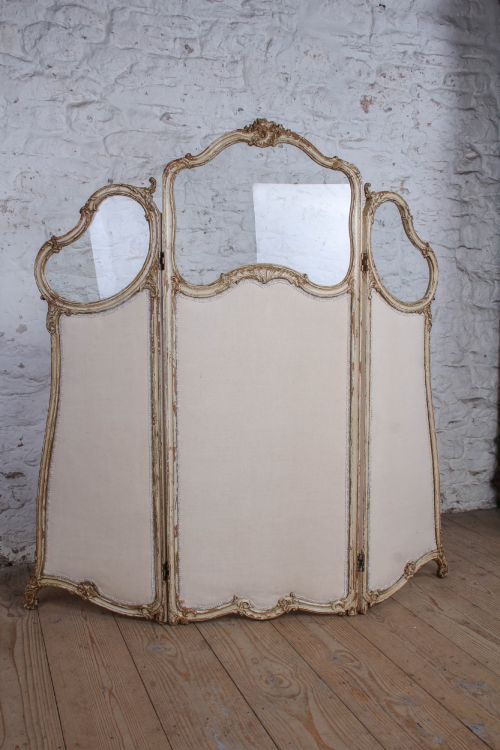
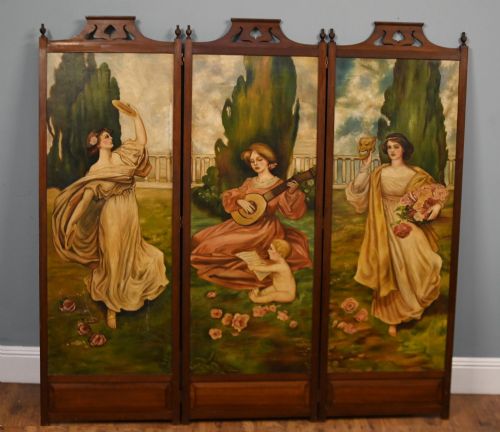
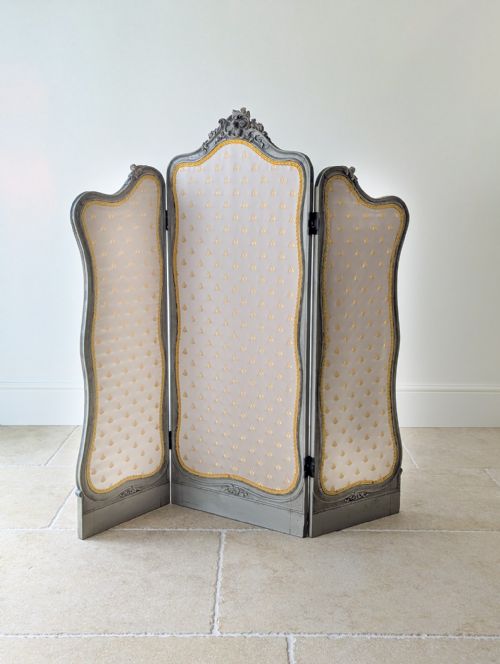
When you search for a painted wood room divider, you find folding screens built in multiple panels that span from three sections up to six panels. These pieces divide open floors or shield corners, taking forms such as modesty screens, privacy screens, and folding room screens.
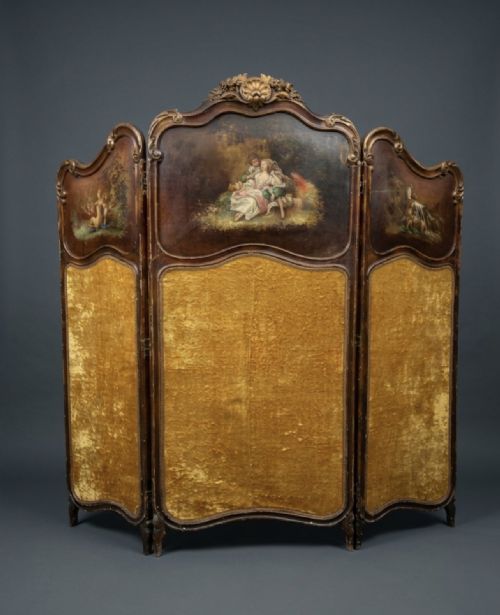
The listings on this page cross several centuries and global traditions, featuring Victorian English work, Napoleon III French pieces, and Scandinavian country folding screens. You will also encounter Chinese Republic Era Chinoiserie panels, Anglo-Indian fretwork examples, and Burmese lacquered items.
Most entries function as folding screens or wall art, utilising multiple hinged folds to stand independently. They appear in styles ranging from French Rococo Revival to clean Scandinavian country paintwork.
How they were made
Wood serves as the core material for these screens, frequently paired with paint, lacquer, and gold leaf to build rich surface decoration. Craftsmen applied handpainted motifs directly to timber substrates, sometimes incorporating carved wood details and fretwork alongside fabric elements.
Makers joined panels with metal hinges such as brass to allow flexible folding in both directions. Surface finishes rely on traditional lacquer and layered oil paint, with certain Asian and European pieces building up deep decorative schemes over prepared wood.
Painted Wood Room Divider Retail Price Guide 2026
Typical asking prices for painted wood room divider among the pieces listed under this phrase on Sellingantiques today, from the lower quarter to the upper quarter. They describe what is for sale here now, not the wider market.
Materials across the current selection include carved wood, brass hardware, fabric inserts, gold leaf, and traditional paint.
What varies in quality
Quality in a painted wood room divider rests on the precision of the joinery and the execution of the handpainted surface. Finer examples show crisp brushwork and detailed pictorial scenes, whereas simpler pieces rely on basic painted grounds.
The complexity of the construction separates standard folding panels from superior items, particularly where intricate fretwork and multiple folds require careful balance. The integrity of the original paint layer and the robustness of the hinges dictate the overall standard of the piece.
The Painted Wood Room Divider Glossary
- Modesty screen
- A low folding screen originally designed to shield a person from drafts or to provide privacy while dressing. These smaller screens sit easily within domestic rooms.
- Fretwork
- Ornamental perforated woodwork created by cutting intricate patterns through a board. This technique appears on Indian screens to introduce light and open pattern into heavy timber frames.
- Napoleon III style
- A French design period spanning the mid-nineteenth century, known for eclectic revivals and decorative richness. Pieces from this era often incorporate elaborate painted panels and curved wooden frames.
- Lacquer
- A durable resin finish applied in multiple layers and polished to a smooth sheen. Asian and European makers used lacquer to protect wood surfaces while providing a deep background for painted decoration.
Painted Wood Room Divider: Frequently Asked Questions
How do I use a room divider?
These folding screens stand on the floor to zone open-plan areas, conceal corners, or create private dressing spaces within a bedroom. You can angle the hinged panels to make the screen self-supporting.
They also mount flat against a wall to act as large-scale decorative art when floor space is limited.
Are these screens heavy?
Weight depends entirely on the timber used and the number of panels in the screen. Larger pieces with four to six solid wood sections require two people to position safely.
Smaller modesty screens and three-fold panels lift easily and move between rooms without difficulty.
How do I clean painted wood?
Dust the panels gently with a dry, soft cloth to prevent particle buildup on the painted and lacquered surfaces. Avoid harsh chemical cleaners, polishes, or excess water that could soften old paint layers.
Keep wooden screens away from direct sunlight and strong heat sources to protect the finish from fading or cracking.
How do I date a screen?
Examine the hinge hardware, the type of wood, and the style of the painted decoration to find clues about origin and age. European Victorian and Napoleon III pieces show specific revival motifs, while 1910 examples often reflect Scandinavian or Anglo-Indian construction methods.
Construction marks and the wear patterns on the wood help confirm whether a piece belongs to the nineteenth or early twentieth century.