




Painted Wood Overmantel
A painted wood overmantel brings historical depth and reflective light to a chimney breast, combining structural timber with decorative paint finishes.
Painted Wood Overmantel
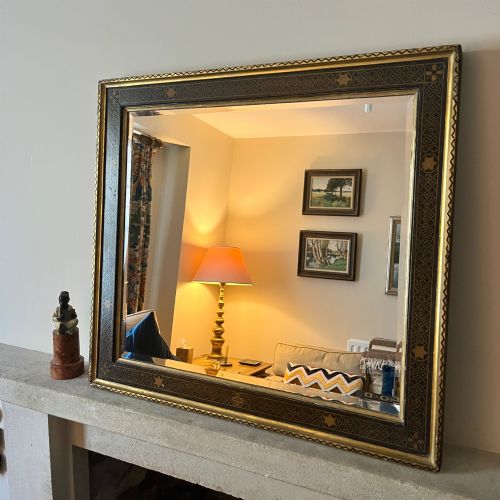
When searching for a painted wood overmantel, buyers encounter substantial wall-hanging mirrors designed specifically to sit above fireplace mantels. The records show pieces spanning the eighteenth, nineteenth, and early twentieth centuries, originating from English and French workshops.
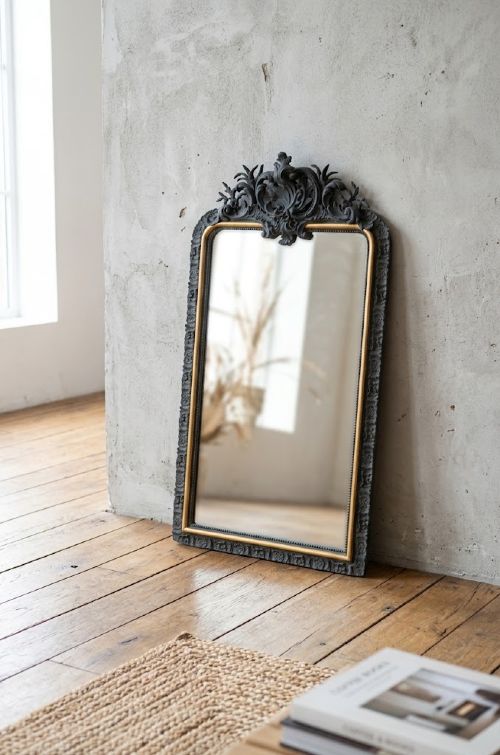
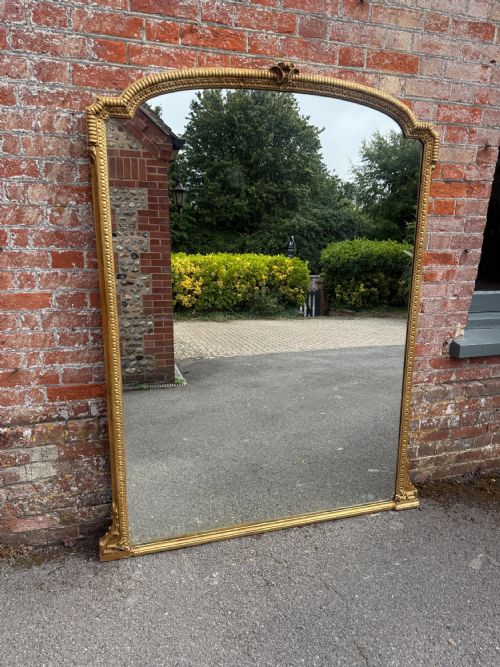
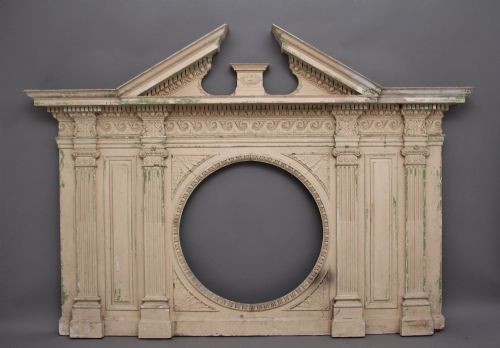
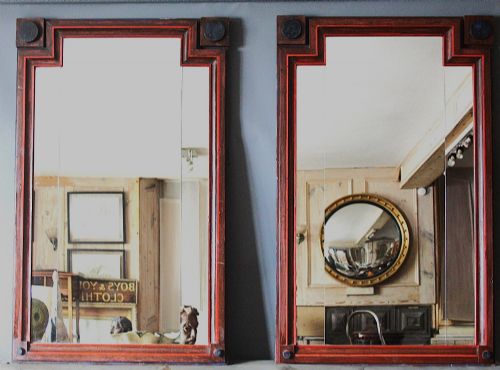
The predominant forms found on this page are nineteenth-century English and French examples. These range from plain architectural arched frames to ornate shapes incorporating carved wooden details and distressed painted surfaces.
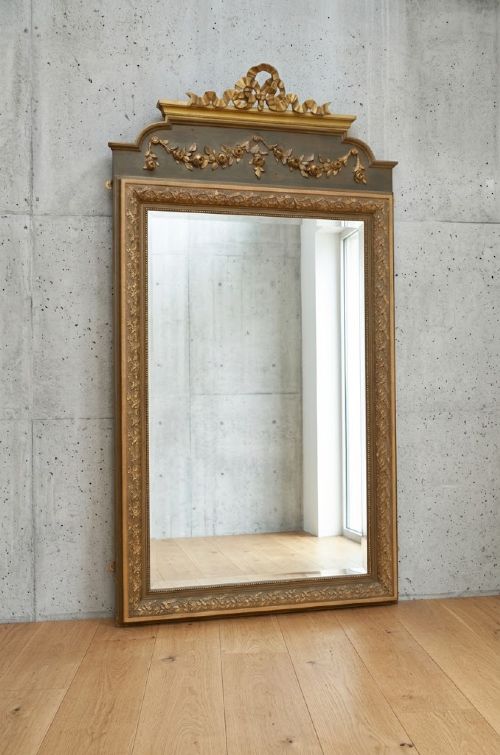
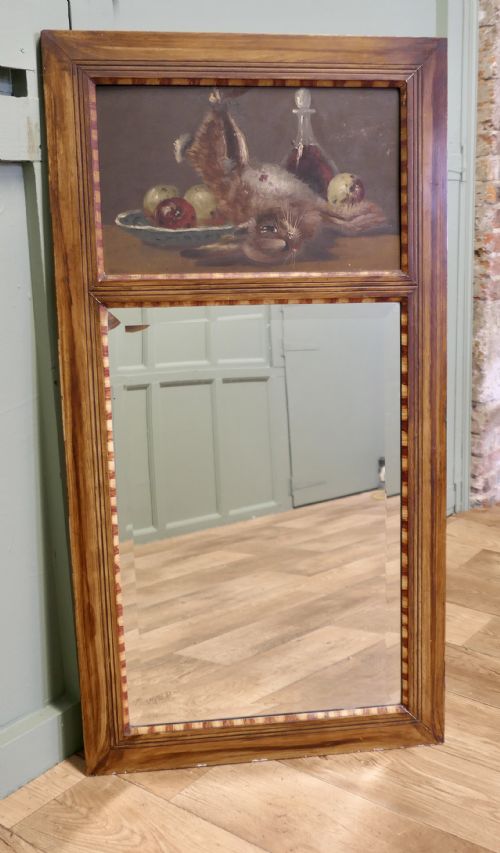
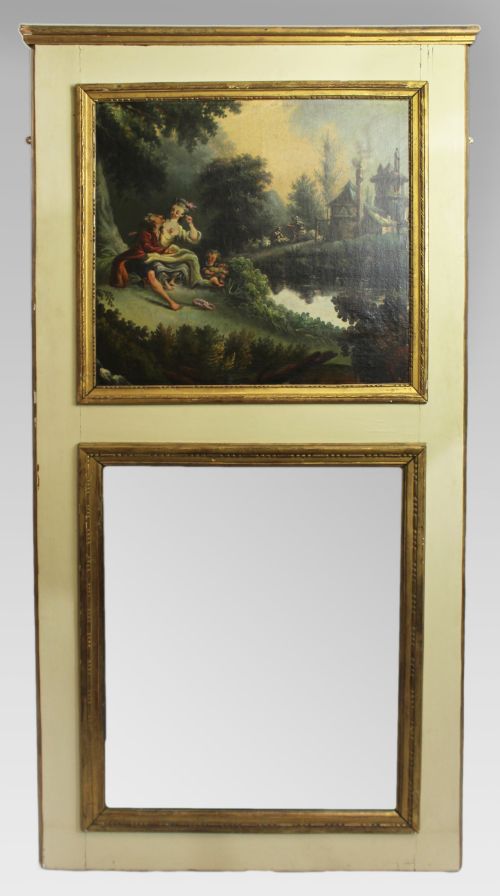
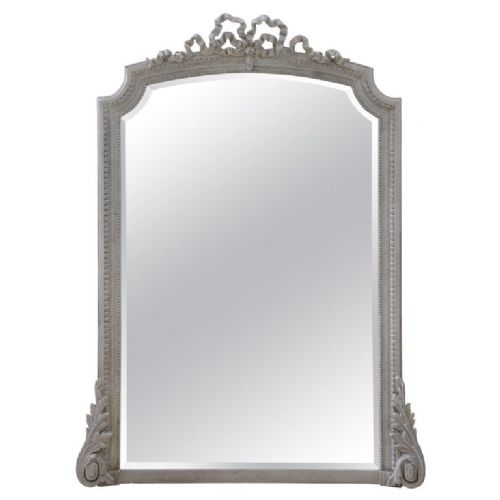
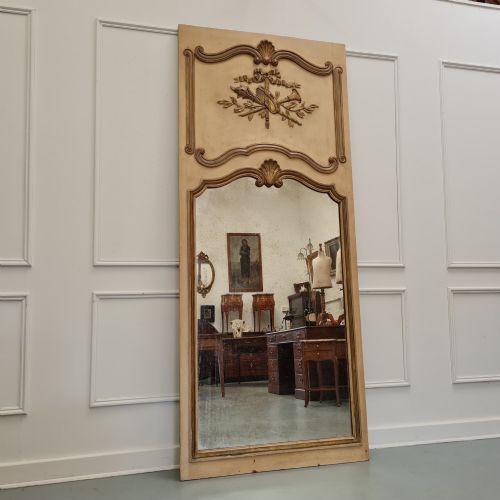
Makers utilised various regional aesthetics, yielding distinct architectural proportions. English pieces frequently display robust carved wood and gesso construction, while French examples often take the form of tall trumeau mirrors with integrated pastoral oil paintings or decorative ribbon crests.
How They Were Made
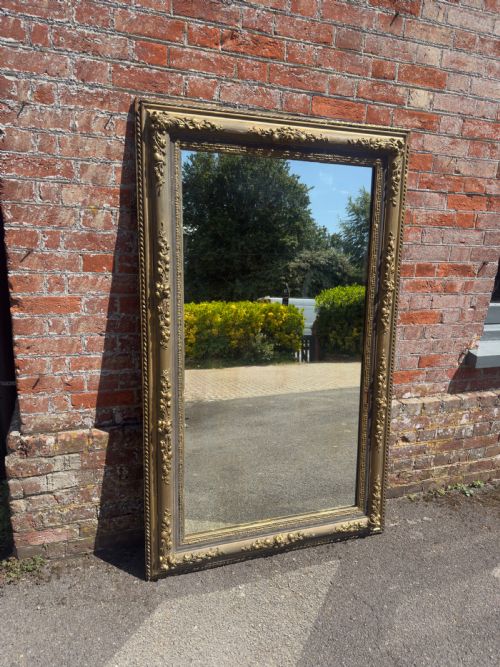
The construction of these mirrors relies fundamentally upon timber carcasses formed from pine, mahogany, or carved wood. Artisans applied layers of gesso over the wooden frame to build up intricate moulded reliefs and scrollwork before finishing the surface.
Decorative surfaces combine paint, parcel-gilt, and gold leaf applications. Workshops layered oil paint, often subject to subsequent over-painting or deliberate distressing, alongside burnished gold leaf highlights on carved wooden mouldings.
The archive includes specialised forms such as triple plate mirrors, marginal glass arrangements, and heart-shaped Edwardian designs.
What Varies in Quality
The sophistication of the carved wood and gesso ornamentation dictates much of the distinction across these pieces. Examples featuring deeply undercut, hand-carved wooden details demonstrate superior craftsmanship compared to simpler moulded compositions.
The integrity and originality of the surface finish further separate examples. Pieces retaining their original painted or parcel-gilt schemes show greater historical cohesion than heavily restored or later over-painted surfaces.
The Painted Wood Overmantel Glossary
- Gesso
- A plaster-like mixture applied to wood frames to create a smooth surface for gilding and carving. Artisans moulded this material into complex floral and architectural reliefs before applying paint.
- Trumeau
- A decorative wall mirror featuring an upper panel often decorated with an oil painting or carved motif. These tall French pier mirrors were traditionally hung between windows or above mantelpieces.
- Parcel-gilt
- A decorative technique where only specific portions of a painted wooden object are gilded with gold leaf. This method highlights carved details against a contrasting painted background.
- Overmantel
- A large mirror or panel designed to be hung specifically on the wall directly above a fireplace mantel. These pieces were scaled to balance the architectural width of the hearth below.
- Pier mirror
- A tall vertical mirror designed to fit on the wall space between two windows. Eighteenth and nineteenth-century examples frequently incorporated painted wooden frames matching interior joinery.
Painted Wood Overmantel: Frequently Asked Questions
How do I hang a heavy wooden overmantel safely?
These large mirrors require secure anchoring directly into wall studs or masonry using heavy-duty brackets rated for substantial weights. Because nineteenth-century frames combine dense timber and gesso, proper load distribution prevents structural strain on the hanging hardware.
Professional installation is often advisable for taller examples or trumeau mirrors. Ensuring the weight rests evenly protects both the antique frame and the wall structure above the fireplace.
Were these mirrors originally made for fireplaces?
Many large horizontal formats were built specifically to complement chimney breasts and domestic hearths. Their proportions were calculated to draw the eye upward and reflect natural light across the room.
Vertical variations, such as French trumeau mirrors, occasionally served dual purposes between windows or above commodes before being repurposed in later domestic settings. Examining the original dimensions helps clarify the intended architectural context.
How do I care for antique painted wood surfaces?
Maintenance requires gentle dusting with a dry, soft microfibre cloth to protect vulnerable gesso and historic paint layers. Moisture and harsh cleaning chemicals should be avoided entirely to prevent lifting or flaking of the original finish.
Placing the mirror away from direct heat sources, such as active fireplaces, safeguards the underlying wood and prevents the gesso from drying out and cracking over time.
What is the difference between English and French overmantels?
English overmantels from the nineteenth century typically favour robust carved wood and gesso construction with arched or shaped tops. They often emphasise architectural presence and understated parcel-gilt detailing.
French equivalents frequently incorporate lighter neoclassical or rococo flourishes, such as ribbon crests or integrated pastoral oil paintings within trumeau panels. These regional variations reflect distinct European interior design traditions of the period.