



Painted Wood Fireplace
When you search for a painted wood fireplace, you are looking at overmantel mirrors, screens, and hearth accessories that bring depth and period character to a room.
Painted Wood Fireplace
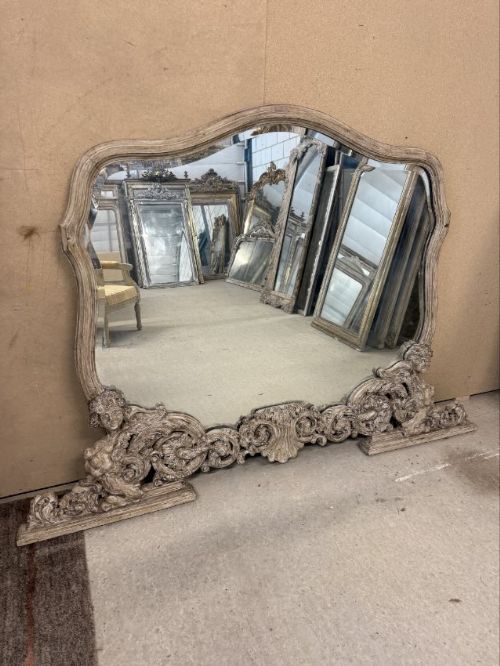
A painted wood fireplace search uncovers a diverse array of items designed for the hearth, dominated by substantial overmantel mirrors framed in carved wood and gesso. These mirrors originate largely from the nineteenth century, spanning Victorian, Regency, and Georgian aesthetics alongside decorative accessories.
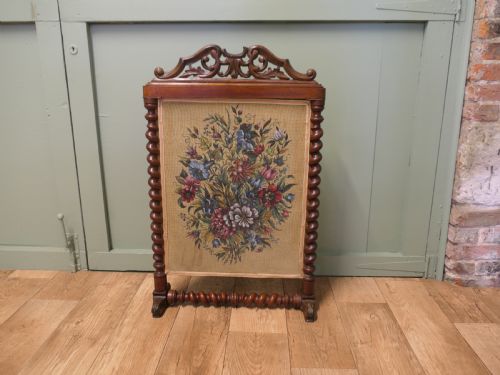
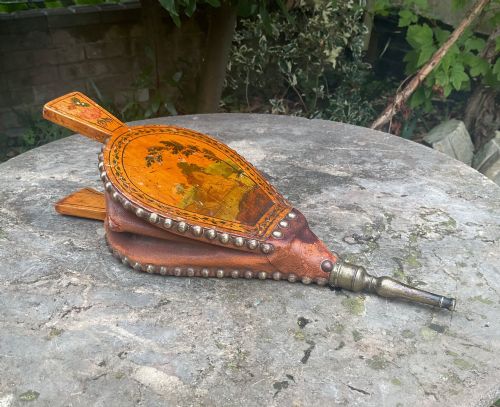
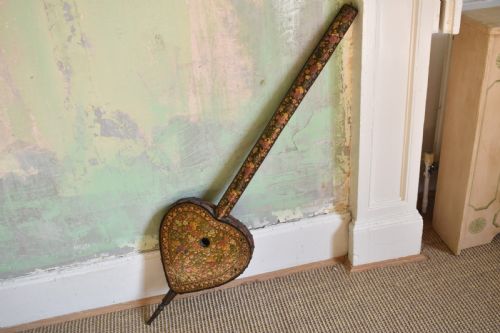
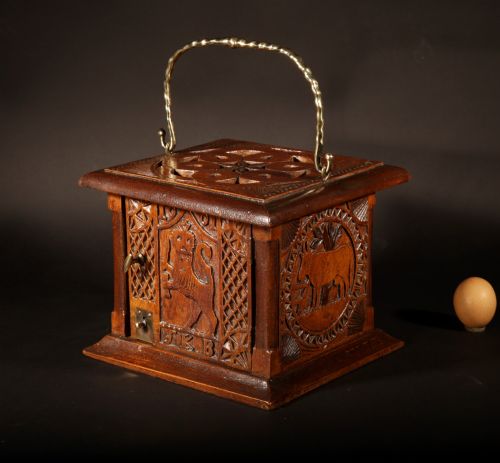
Beyond mirrors, the selection includes functional hearth furniture such as fire screens, bellows, foot stoves, log bins, and silhouette figures known as dummy boards. These pieces draw on English, French, and Scandinavian country traditions, reflecting the domestic habits of earlier centuries.
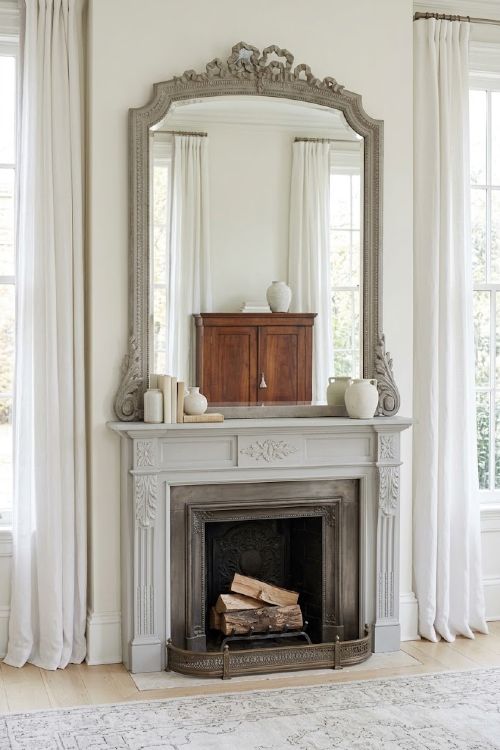
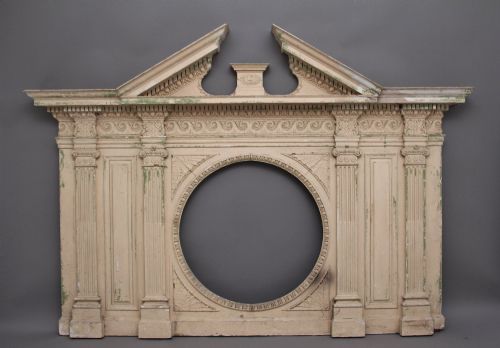
Buyers are most likely to encounter large nineteenth-century overmantel mirrors finished with paint, parcel-gilt, and gold leaf. These architectural items served to reflect light into rooms heated by coal fires and remain central to period interior decoration.
Materials and Working Methods
The construction of these items relies on solid timbers such as mahogany, pine, and general carved wood, shaped to form structural frames and functional hearth objects. Woodworkers applied gesso as a smooth plaster base layer to prepare ornate surfaces for subsequent decoration.
Finishing techniques combined hand-applied paint, parcel-gilt details, and gold leaf to create layered decorative effects. Artisans also employed handpainted motifs, such as pastoral scenes and Chinoiserie musicians, directly onto wooden surfaces like bellows and fire screens.
Painted Wood Fireplace Retail Price Guide 2026
Typical asking prices for painted wood fireplace among the pieces listed under this phrase on Sellingantiques today, from the lower quarter to the upper quarter. They describe what is for sale here now, not the wider market.
Listings feature items from the eighteenth, nineteenth, and early twentieth centuries, including Georgian, Regency, Victorian, and Edwardian periods.
Distinctions in Quality
Quality in these pieces rests upon the crispness of the original wood carving and the depth of the gesso mouldings applied beneath the paint. Superior examples retain their original surface treatments rather than modern repainting, showing authentic wear that corresponds to their age.
The sophistication of the painted and parcel-gilt decoration separates standard utility items from high-status decorative works. Well-preserved surfaces with nuanced handpainted details or intact gold leaf indicate superior craftsmanship from regional and metropolitan workshops.
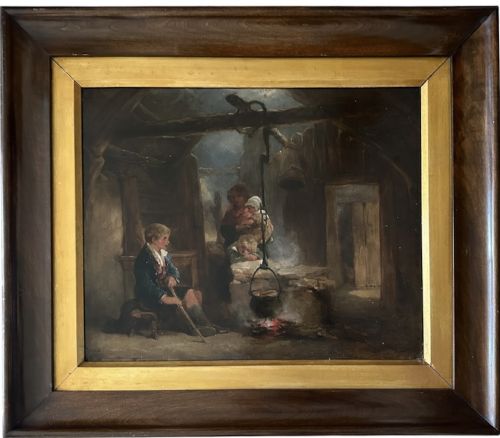
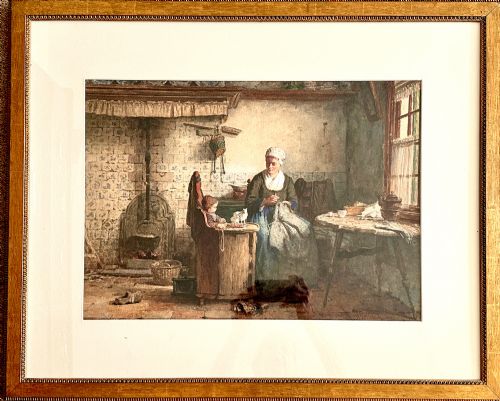
George Whitton Johnstone·Hendrik Valkenberg
The Painted Wood Fireplace Glossary
- Overmantel mirror
- A large mirror designed to hang on the wall directly above a fireplace mantelpiece. These pieces often feature architectural framing in carved wood and gesso.
- Gesso
- A mixture of plaster of Paris and binder used as a smooth base on wood before applying paint or gold leaf. It allows craftsmen to model intricate relief decorations.
- Parcel-gilt
- A decorating technique where only specific portions of an object are gilded with gold leaf while the rest is painted or left as exposed wood.
- Dummy board
- A life-sized painted wooden figure cut out to resemble a person or animal, often placed by a hearth as a decorative silent companion.
- Fire screen
- A movable panel placed in front of a fireplace to block excess heat when a fire is not lit. They often incorporate decorative panels of painted wood or fabric.
Painted Wood Fireplace: Frequently Asked Questions
How do I style a painted wood overmantel mirror?
Mount the mirror centrally above the mantelpiece to anchor the fireplace wall and bounce natural light around the room. Ensure the scale of the frame complements the width of the fireplace surround below.
Keep surrounding mantel ornaments restrained to let the painted and gilded wooden frame remain the focal point. Pair the piece with complementary hearth accessories like brass fire screens or wooden log bins.
What is a dummy board used for?
Dummy boards served as decorative flat wooden figures placed near hearths or doorways in historic homes to surprise or amuse visitors. They depict human figures, servants, or animals painted in realistic detail.
Today, these pieces function as whimsical decorative objects placed against walls or beside fireplaces. They represent a distinct branch of nineteenth-century folk art.
How should I care for antique painted wood?
Dust the surface regularly with a soft, dry cloth to prevent particulate accumulation on fragile paint and gesso. Avoid chemical cleaners or excessive moisture that can lift delicate layers of historic paint and gold leaf.
Maintain stable indoor humidity levels to prevent the underlying wood from expanding or contracting. This protects the gesso ground from cracking over time.
How can I tell the period of a fireplace mirror?
Examine the construction joints, backing boards, and the composition of the gesso frame for clues to the manufacturing era. Nineteenth-century pieces often display hand-beveled glass and distinct joinery methods typical of Victorian or Regency cabinetmakers.
Look at the style of the paint finish and any decorative motifs, such as Aesthetic Movement details or Rococo Revival curves. Comparing these stylistic markers helps determine whether a piece belongs to the eighteenth, nineteenth, or early twentieth century.