



Painted Wall Tile
A painted wall tile brings colour and hand-painted artistry directly into an interior, offering centuries of ceramic history in a compact format.
Painted Wall Tile
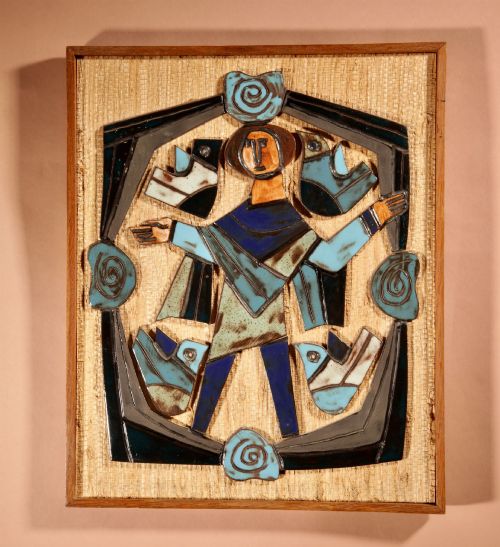
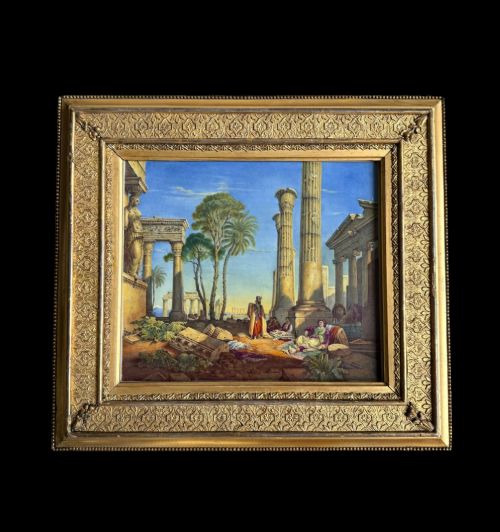
A painted wall tile encompasses individual ceramics, framed pictures, and decorative plaques designed for display on vertical surfaces. When searching for a painted wall tile, buyers encounter examples ranging from single decorative pieces to sets and framed compositions.
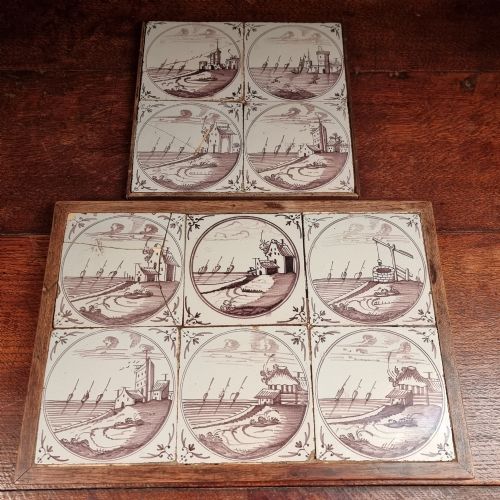
The selections span distinct periods including the seventeenth, eighteenth, and nineteenth centuries, alongside early twentieth-century examples. Forms vary from architectural tiles and Dutch Delft panels to porcelain plaques carrying figural and script motifs.
Origins stretch across European and Asian workshops, featuring Dutch, English, Italian, Chinese, and Persian aesthetics. Buyers most frequently meet earthenware and porcelain supports decorated with cobalt pigment or polychrome glazes.
Materials and technique
Earthenware and porcelain serve as the primary ceramic bodies for these pieces, shaped into tiles, plaques, and panels. Tin glaze provides a smooth white ground on many earthenwares, allowing pigments to adhere during firing.
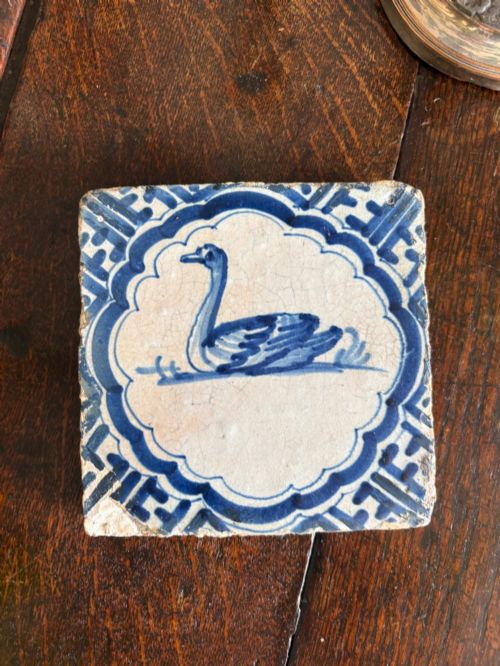
Cobalt pigment and varied ceramic paints deliver the hand-painted decoration, capturing motifs from swans and biblical scenes to floral arrangements and portraits. Wood framing occasionally supports these ceramics for wall hanging.
Painted Wall Tile Retail Price Guide 2026
Typical asking prices for painted wall tile among the pieces listed under this phrase on Sellingantiques today, from the lower quarter to the upper quarter. They describe what is for sale here now, not the wider market.
Listings feature earthenware and porcelain materials decorated with cobalt pigment and polychrome pigments across the seventeenth to twentieth centuries.
Evaluating quality and execution
The precision of the brushwork dictates much of the visual success in these ceramics, distinguishing rapid production from careful artistry. Fine control over cobalt pigment and polychrome glazes creates crisp details and depth within the painted surface.
The complexity of the subject matter, from simple floral motifs to elaborate narrative plaques and portraits, sets individual pieces apart. Preservation of the original glaze and the integrity of the ceramic body further define the standing of each item.
William De Morgan·C. Ravier
The Painted Wall Tile Glossary
- Tin glaze
- An opaque white glaze containing tin oxide, used on earthenware to provide a smooth ground for painting. It forms the basis of traditional Delftware production.
- Cobalt pigment
- A metallic blue colouring agent used under the glaze for ceramic decoration. It withstands high firing temperatures without losing its intense hue.
- Polychrome
- Decoration employing multiple colours rather than a single pigment. This technique allows for vibrant pictorial scenes and floral designs.
- Faience
- European tin-glazed earthenware, particularly that produced in France, Italy, and other continental centres. The technique produces a bright, opaque surface.
- Delft
- Tin-glazed earthenware originating from the Netherlands, famous for its blue and white or polychrome painted scenes. Pieces often depict landscapes, figures, or biblical stories.
Painted Wall Tile: Frequently Asked Questions
How do I hang a painted wall tile?
Many framed tile pictures and plaques arrive fitted with dedicated hanging hardware on the wooden back or frame.
For unframed individual tiles, specialist display frames or wall mounts provide secure support without damaging the ceramic body.
Are these tiles suitable for kitchen splashbacks?
Historic painted wall tiles and antique plaques are generally collected as decorative art rather than for functional kitchen installations.
Exposing centuries-old tin glaze and delicate pigments to daily moisture and heat risks damaging the original surface.
How do I clean an antique painted tile?
Dusting gently with a dry, soft cloth remains the safest method for maintaining the surface of these ceramics.
Harsh cleaning products or excess water must be avoided to protect fragile glazes and historic pigments.
How do I identify Dutch Delft tiles?
Dutch Delft pieces typically feature tin-glazed earthenware bodies painted in cobalt blue or manganese pigments with traditional motifs.
Examination of the tile edges and reverse often reveals characteristic firing marks and clay colours associated with seventeenth and eighteenth-century production.