


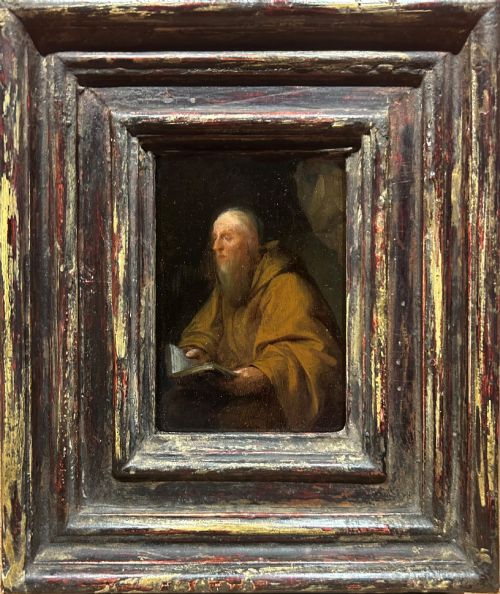

Painted Wall Panel Artwork
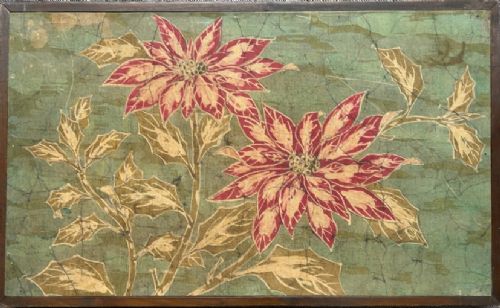
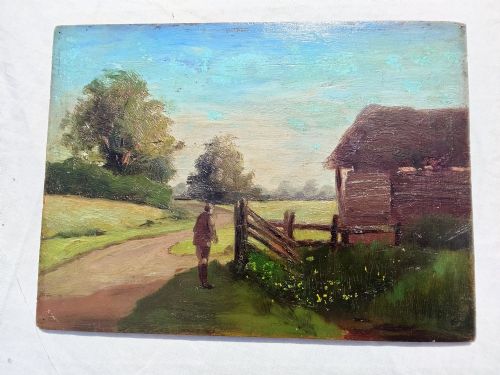
Painted wall panel artwork brings interior spaces alive with the tactile depth of oil paint, tempera, or enamel laid directly onto wood, canvas, and metal.
Painted Wall Panel Artwork
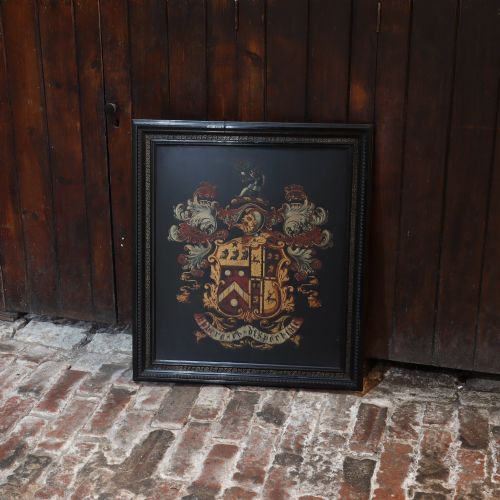
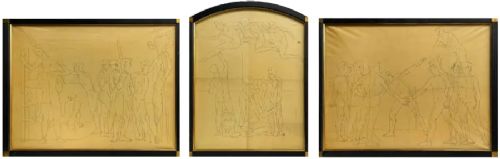
Painted wall panel artwork encompasses rigorous academic portraits, rustic folk scenes, and decorative heraldic coats of arms designed specifically for interior display. Buyers searching for painted wall panel artwork encounter pieces spanning from the eighteenth century through to the mid-twentieth century, created by various European and Asian schools.
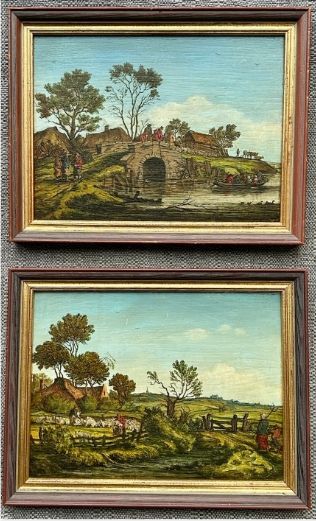
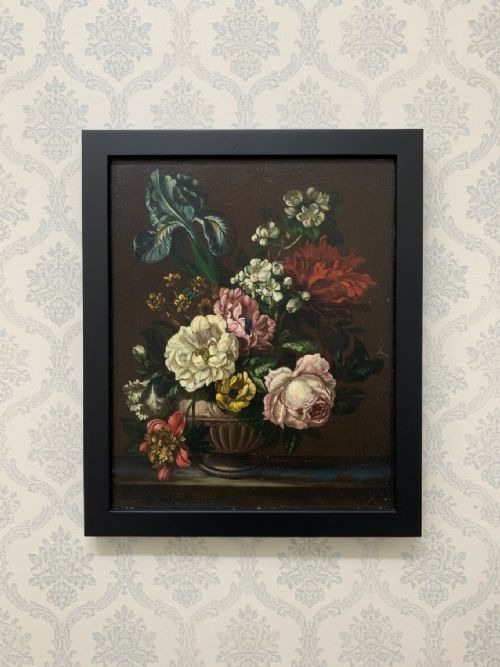
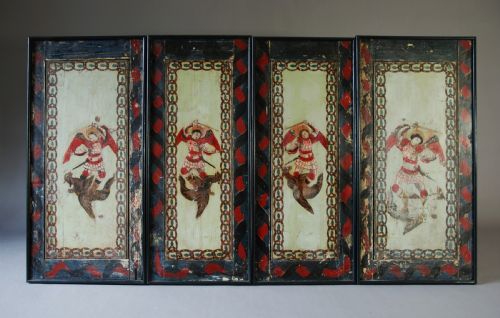
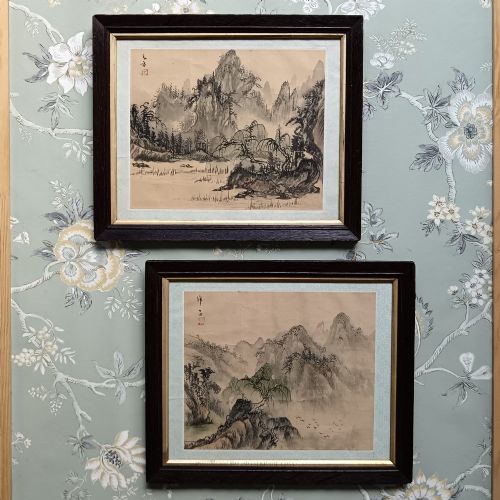
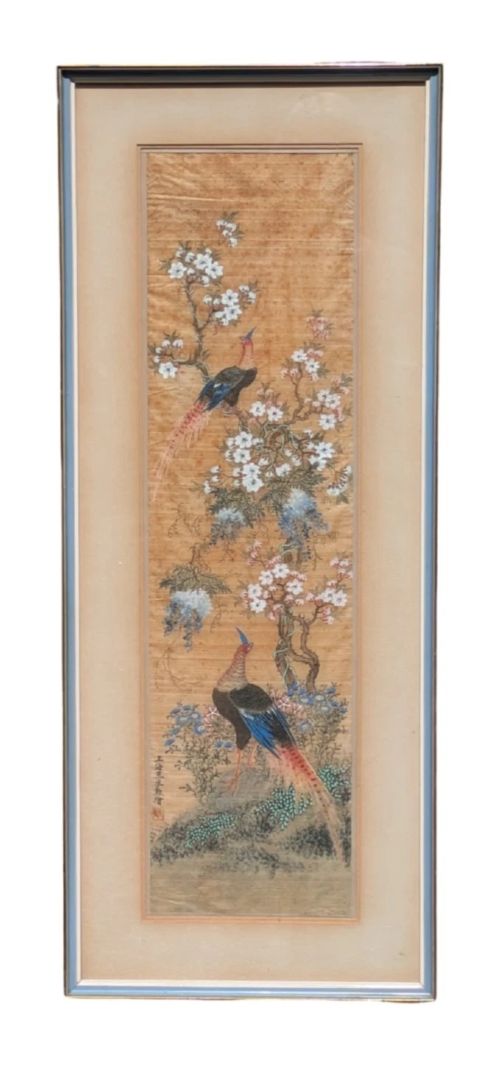
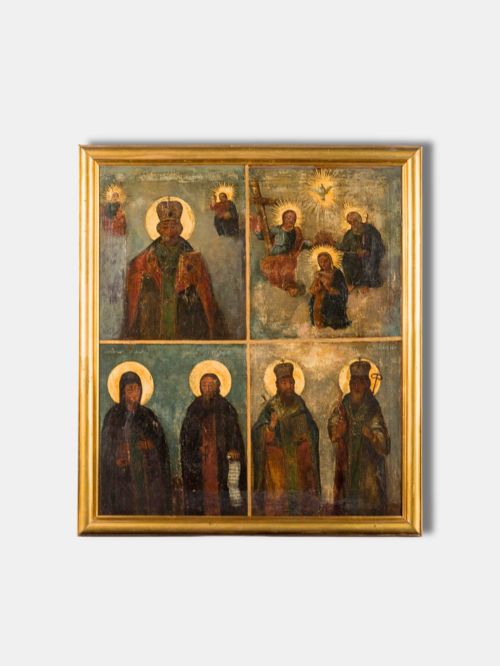
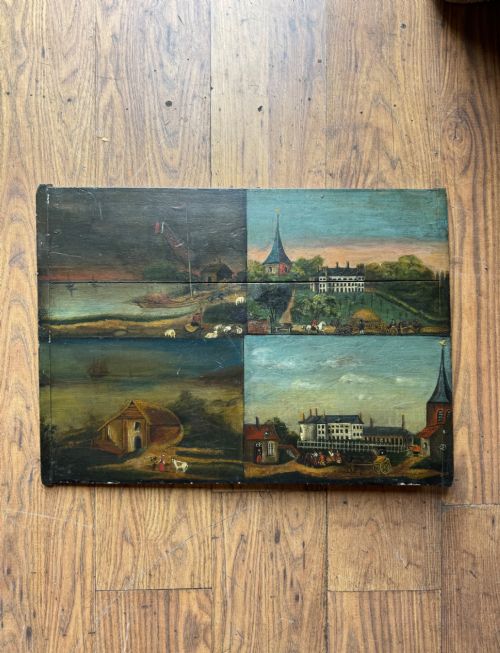
The selection ranges from naive pine panels and oak boards to delicate watercolours on silk and framed canvas. Works often depict landscapes, maritime battles, or religious iconography.
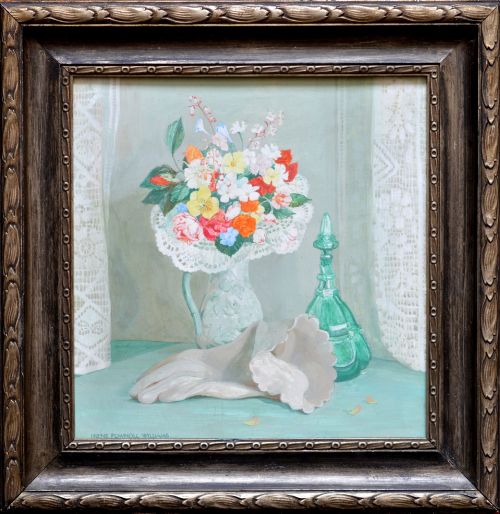
Examples stretch across multiple stylistic movements, including Dutch Golden Age traditions, British Impressionism, and mid-century modernism. Each piece functions as a structural element of architectural decoration as much as an independent painting.
Materials and construction
Makers utilised rigid wooden supports such as oak, pine, and general wood panels alongside stretched canvas and silk. Pigments were bound in oil, tempera, or applied as fine glazes over gold leaf.
Support preparation determined the longevity of the piece, with artists selecting seasoned timber boards or woven textiles primed to receive liquid colour. Protective coatings of varnish or giltwood frames completed the assembly.
Several panels depict mischievous cats sharing domestic space with attentive nineteenth-century gentlemen.
Assessing quality and execution
The calibre of a painted panel rests upon the confidence of the brushwork and the stability of the support material. Skilled compositions display sophisticated handling of light and pigment, whereas provincial or naive works rely on charming simplicity.
Preservation of the original surface layer dictates value, distinguishing untouched historical pigment from extensive later restoration. The integration of the artwork with its period frame also influences the overall integrity of the piece.
Irene Christobelle Pownoll Williams·James Hardy·Tom Campbell·W Klombeck·Jan van Staveren·Maud Raphael Jones·Florence Adelina Hess·Paul-Élie Gernez·Jean-Baptiste van Loo·Hubert Wellington·Benjamin Eugene Fichel·Edouard Julien·Pieter Cornelis Dommersen·James Kyd·Philipp Peter Roos·William Williams
The Painted Wall Panel Artwork Glossary
- Giltwood
- Wood carved and coated with a thin layer of gold leaf or gold paint. This technique frames and elevates important panel paintings.
- Tempera
- A permanent, fast-drying painting medium consisting of coloured pigment mixed with a water-binder agent. It produces a flat, matte finish common in early religious icons.
- Grisaille
- A painting executed entirely in shades of grey or neutral greyish-brown. Artists use this monochromatic method to mimic the appearance of sculptural reliefs.
- Chinoiserie
- European decorative art that reflects Chinese artistic influences. This style appears frequently on screens and architectural panels.
- Provenance
- The chronological history of the ownership of a work of art. Documented lineage confirms the authenticity and historical context of a panel.
Painted Wall Panel Artwork: Frequently Asked Questions
What is painted wall panel artwork?
Painted wall panel artwork consists of pictorial scenes, portraits, or decorative coats of arms executed on rigid surfaces like wood, metal, or stretched textiles rather than standard paper.
These pieces were historically integrated into domestic interiors, churches, and public buildings as permanent or semi-permanent architectural adornments.
How do I care for wooden panel paintings?
Keep wooden panels away from direct heat sources and dramatic humidity fluctuations to prevent the timber from warping or splitting.
Dust the surface gently with a soft, dry cloth and avoid applying modern liquid cleaning products directly to the painted layer.
How are different periods identified?
Periods are recognised through the choice of support materials, framing styles, and the specific chemical composition of the pigments utilised by the artist.
Stylistic conventions, costume details, and signature formats also provide reliable chronological markers for dating historical panels.