
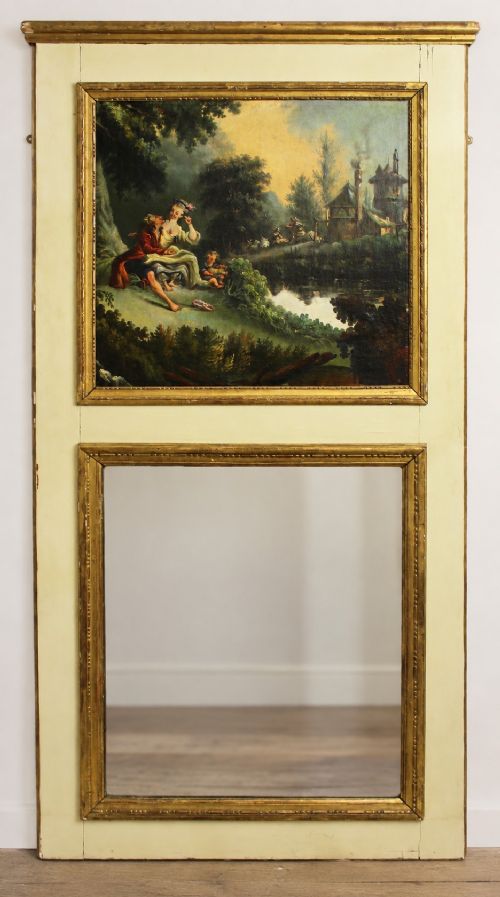
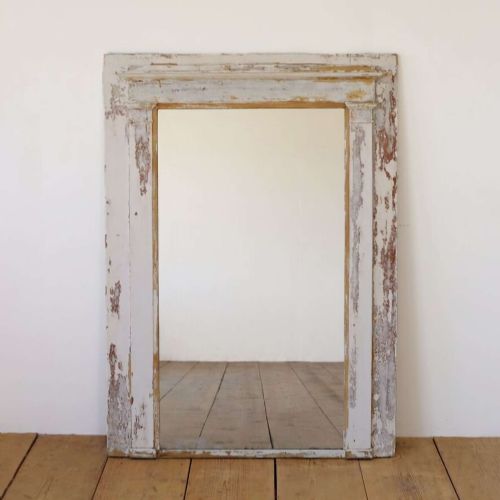
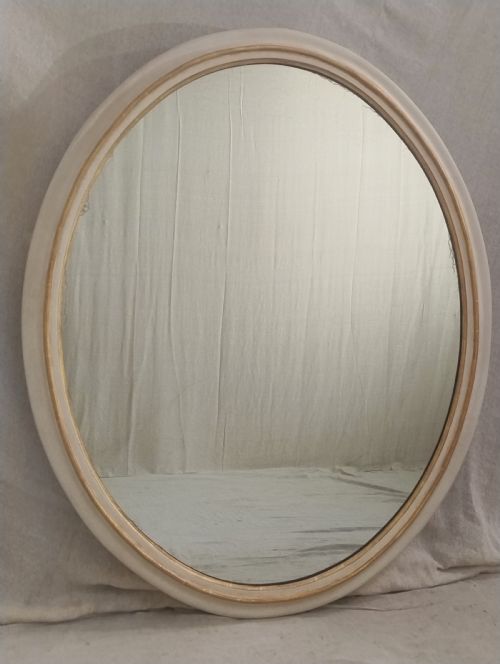
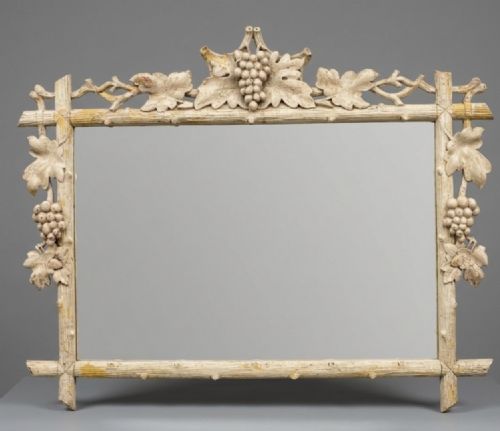


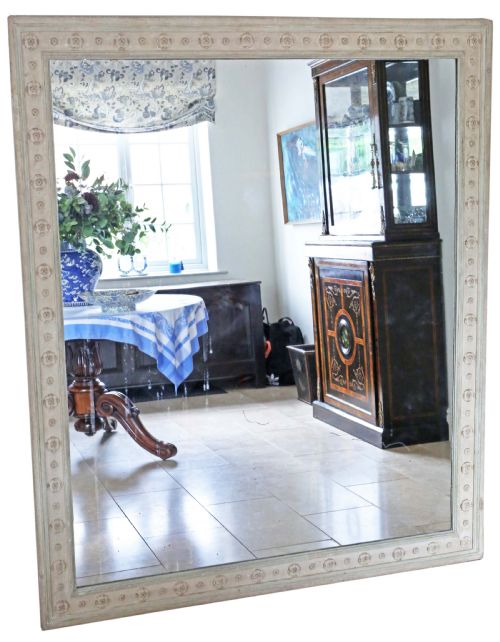
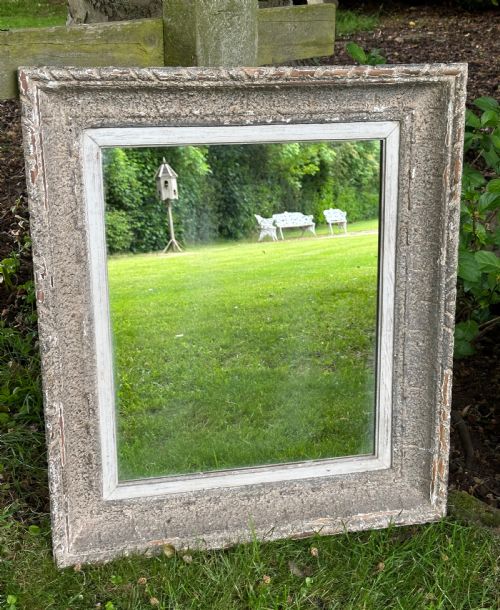


Painted Timber Wall Mirror
A painted timber wall mirror brings texture and light to a room, ranging from grand French overmantels to rustic English woodwork.
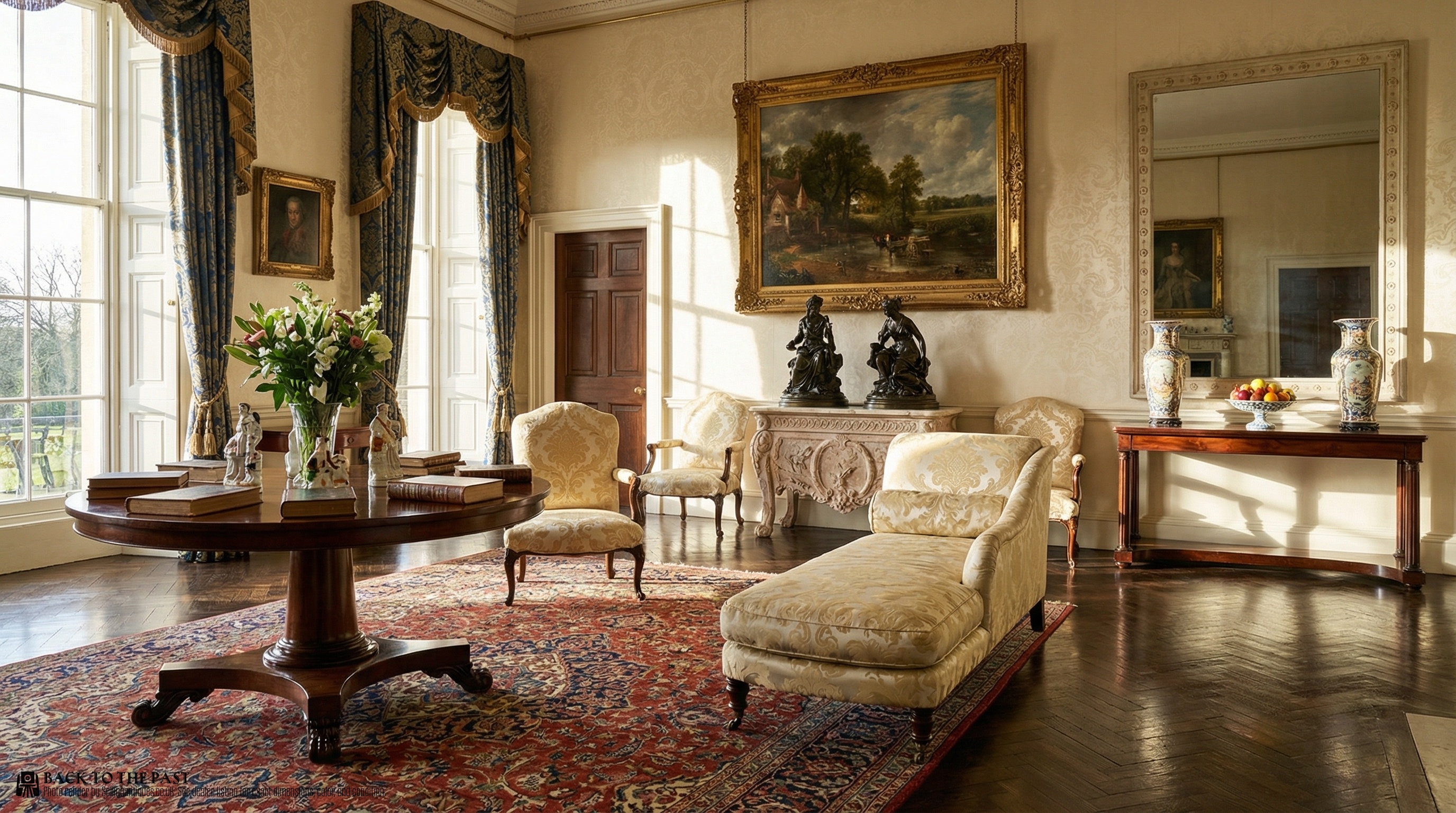
Painted Timber Wall Mirror
A painted timber wall mirror combines carved woodwork with painted or gilded surfaces, appearing in forms such as large overmantels, arched top frames, and simple wall mirrors. These pieces originate from periods spanning the mid-nineteenth century through the early twentieth century.
The most common examples on this page are nineteenth-century French and English mirrors, often featuring carved wooden frames with layered paint finishes. Buyers also encounter specialised items like bistro mirrors, cinema advertising boards, and fairground boards incorporating mirror plates.
Materials and construction methods
Craftsmen built these frames using solid timber and carved wood, frequently applying gesso to prepare intricate details before painting or gilding with gold leaf. Wood is the fundamental structural material, shaped into columns, shaped tops, and hourglass contours.
Surfaces received multiple coats of paint, which often aged to create distressed or weathered finishes over decades of use. Glass plates were fitted into these carved and painted housings, sometimes accompanied by parcel gilt accents.
A painted timber wall mirror occasionally doubles as a cinema advertising board, proving that even a reflective surface once had to sell tickets.
Distinctions in quality and execution
Quality rests in the depth and precision of the carved wood elements, where deeply carved motifs and well-proportioned frames distinguish finer examples from simpler utilitarian pieces. The harmony between the original timber structure and the surviving paint layer dictates the visual impact.
Larger formats, such as substantial overmantels and column-framed mirrors, require robust construction to support heavy glass plates securely within the timber surround. Finer pieces retain sophisticated decorative schemes like Empire or Neoclassical styling executed by skilled hands.
The Painted Timber Wall Mirror Glossary
- Gesso
- A plaster-like mixture applied to wood to create a smooth surface for painting or gilding. It allows artisans to carve fine details that wood alone cannot hold.
- Overmantel mirror
- A large mirror specifically designed to hang above a fireplace mantelpiece. These pieces often feature extended widths to balance the proportions of the hearth below.
- Parcel gilt
- Portions of an object highlighted with gold leaf while the rest of the surface is painted or left plain. This technique draws attention to specific carved details on the frame.
- Satinwood
- A durable hardwood with a natural sheen, used for cabinetry and framed pieces. It provides a smooth base for painted decorative finishes.
- Fairground board
- A piece of painted timber originally used in amusement settings, occasionally incorporating mirror plates. These items bring folk art characteristics to wall displays.
Painted Timber Wall Mirror: Frequently Asked Questions
How do I hang a heavy timber mirror safely?
Large painted timber mirrors carry significant weight from their wooden frames and glass plates. Ensure fixings are secured directly into wall studs or use appropriate heavy-duty wall anchors.
Professional mirror hangers often employ French cleats to distribute the load evenly across the structure of the wall.
What periods are represented in these mirrors?
The pieces span from the mid-nineteenth century through the early twentieth century, encompassing Victorian and Edwardian eras. French styles from this timeframe feature prominently alongside English designs.
Dates are determined by construction techniques, wood types, and decorative motifs characteristic of those decades.
Are the paint finishes original?
Many mirrors retain their period painted surfaces, which show natural wear, distressing, and patination accumulated over time. The interaction between the underlying timber and the aged paint defines the character of each piece.
Distinguishing between original aged surfaces and later touch-ups involves examining the integration of the paint with the gesso and wood beneath.
How do I clean a painted wooden frame?
Dust the carved wooden frame gently with a dry, soft brush to protect fragile gesso and aged paint layers. Avoid harsh chemical cleaners or excess moisture that could damage the timber or lift the finish.
Glass plates can be cleaned with standard glass cleaner applied to a cloth rather than sprayed directly near the wood.