


1920s Carved Wall Mirror
These 1920s carved wall mirror pieces bring period character and reflective depth to a room through traditional craftsmanship.
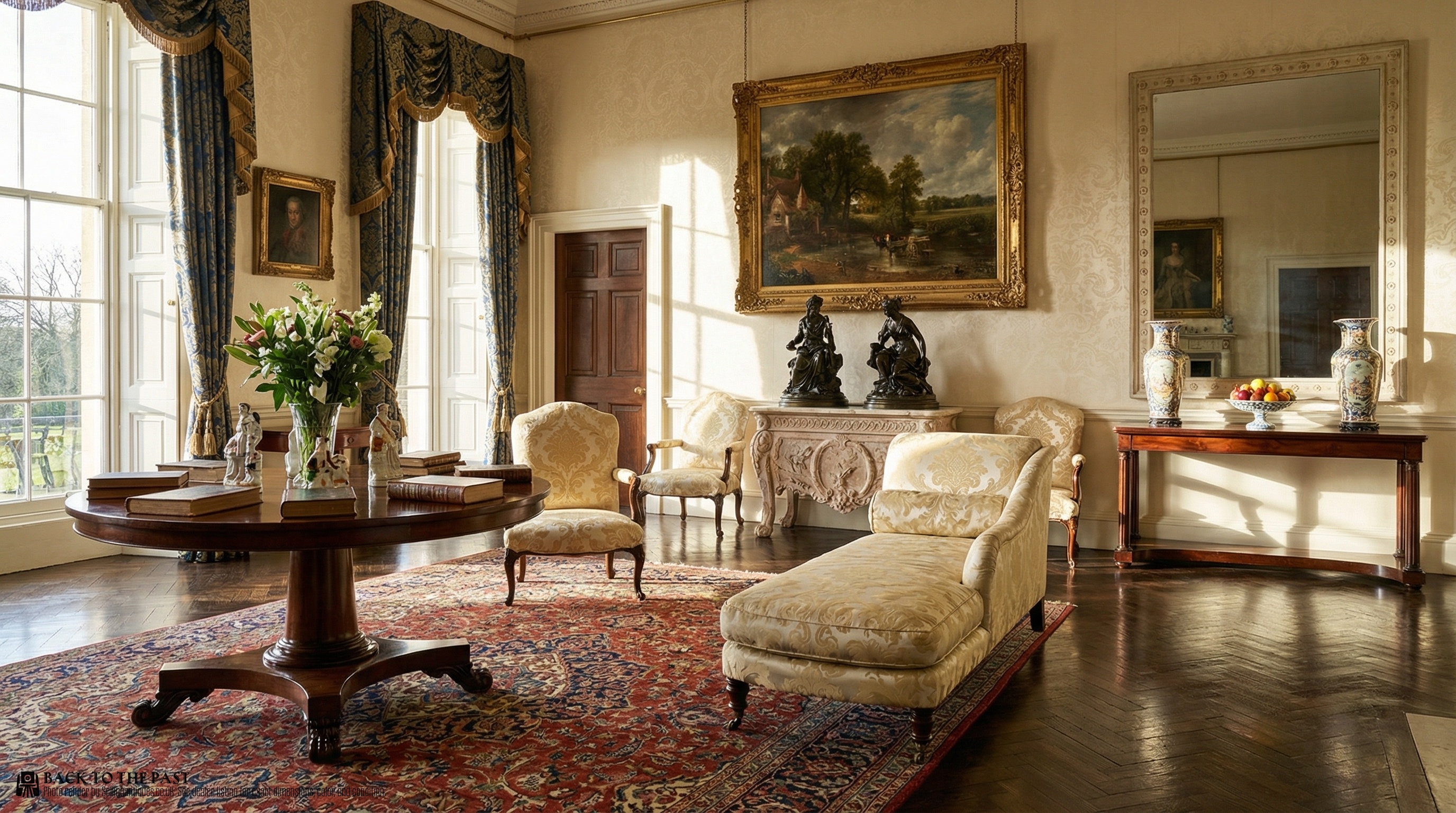
1920s Carved Wall Mirror
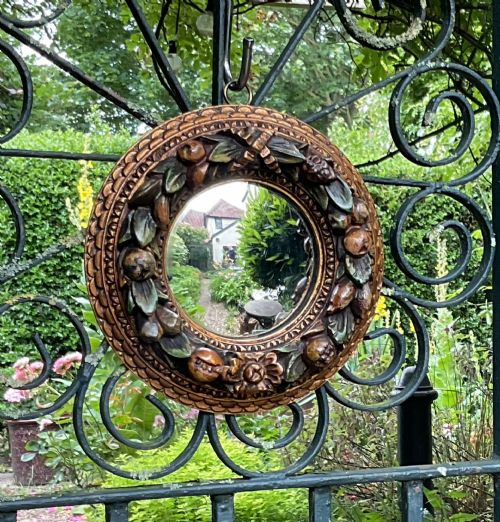
A 1920s carved wall mirror is typically found in styles ranging from Georgian Revival to Art Deco, reflecting the diverse decorative tastes of the era. Buyers seeking these items will encounter various forms including large overmantel mirrors and smaller convex wall pieces.
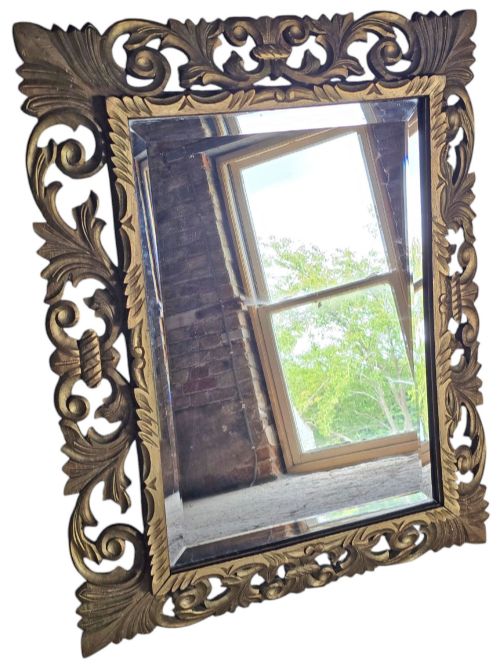
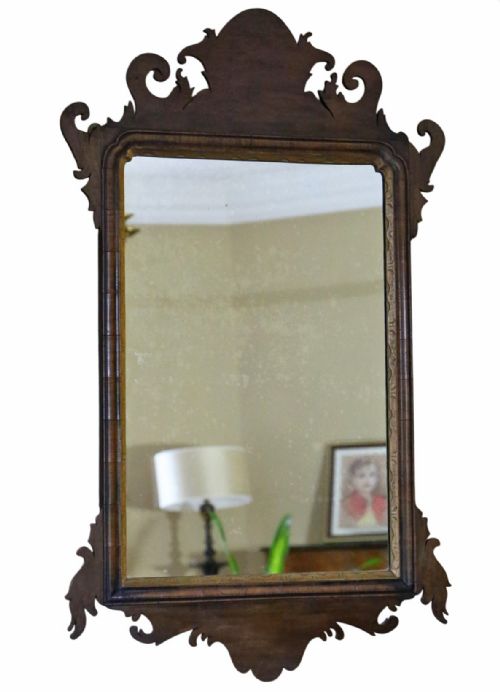
The materials span traditional timber such as walnut, oak, and mahogany alongside decorative giltwood and painted finishes. Most examples on this page originate from the 1920 and 1930 periods, incorporating regional stylistic revivals like Florentine and Chippendale.
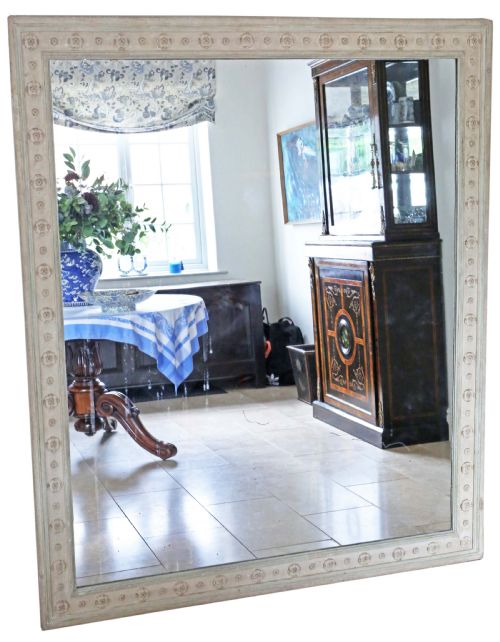
Overmantel mirrors dominate the larger scale items, designed to sit above a fireplace and command attention within a room. Smaller convex and oval formats provide alternative focal points for more compact wall spaces.
Materials and Construction
Makers utilised solid timbers and veneers, applying paint, gesso, and giltwood to achieve ornate surface decoration. Carved wooden frames often received layers of gesso before gilding to enhance the depth of relief work.
Techniques relied on traditional joinery combined with decorative carving, fret cutting, and floral moulding. Glass plates were fitted into rebated wooden frames, sometimes secured with historic backing boards.
Convex mirrors capture a fisheye view of the room, letting you supervise tea time from across the hall.
Assessing Quality and Execution
Quality in a 1920s carved wall mirror rests upon the crispness of the wood carving and the depth of the gesso or gilding. Superior examples display sharply defined ornament rather than soft, moulded contours.
The choice of primary timber and veneer selection distinguishes standard production from finer workshop output. Original mirror plates with appropriate ageing also contribute to the integrity of the piece.
The 1920s Carved Wall Mirror Glossary
- Giltwood
- Wood that has been coated with gold leaf or a metallic substitute. This finish gives frames a bright or softly antiqued golden appearance.
- Gesso
- A plaster-like mixture applied to wood frames to create a smooth surface for gilding or to build up raised decorative motifs. It allows for intricate relief work.
- Overmantel Mirror
- A large mirror specifically designed to hang on the wall directly above a mantelpiece. These pieces often feature extended horizontal proportions.
- Fret Cut
- Woodwork shaped using a fretsaw to create intricate geometric or openwork patterns. This technique is common in revival mirrors of the period.
- Convex Mirror
- A circular mirror with a rounded, outward-curving glass surface that offers a wide-angle reflection of the interior. They are often framed with decorative balls or moulded bezels.
1920s Carved Wall Mirror: Frequently Asked Questions
Where should I hang an overmantel mirror?
An overmantel mirror is traditionally placed directly above a fireplace mantelpiece to anchor the room and reflect natural light. It works equally well above a low sideboard or console table in a dining area.
Ensure the wall fixings match the substantial weight of these large frames to support them securely.
How do I identify a Georgian Revival mirror?
Georgian Revival mirrors from this era often feature symmetrical fret-cut wooden frames, architectural swan-neck pediments, and giltwood accents. They draw direct inspiration from eighteenth-century design precedents.
Look for traditional walnut or mahogany veneers combined with historical stylistic motifs like gilded side pendants.
What is the difference between giltwood and painted mirrors?
Giltwood mirrors feature a metallic gold leaf or gilt finish applied over gesso and wood, creating a reflective and ornate surface. Painted mirrors utilise pigmented coatings, ranging from plain painted finishes to detailed floral gesso decoration.
Both finishes were popular in the period, suiting different interior decorative schemes.
How do I care for antique mirror glass?
Clean antique mirror glass gently using a soft, dry microfibre cloth to remove dust without disturbing the edges. Avoid spraying liquid cleaner directly onto the glass, as moisture can seep behind the plate and damage the silvering.
Apply any necessary cleaning solution to the cloth first rather than the mirror itself.