





Painted Porcelain Pots
These painted porcelain pots combine hand-applied enamel work with durable ceramic bodies, offering decorative function and historical craft in one vessel.
Painted Porcelain Pots
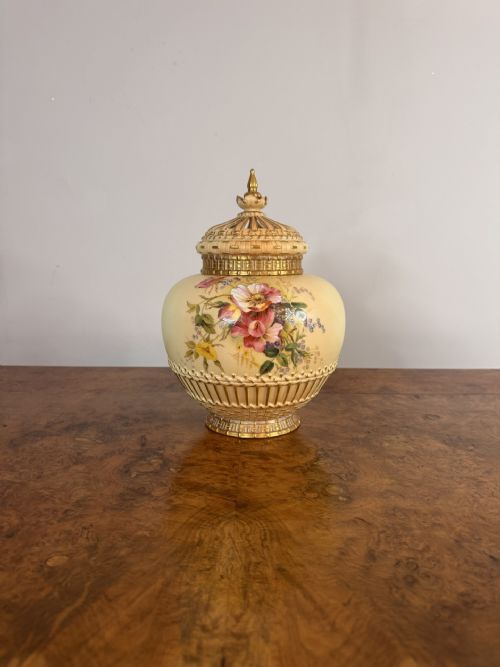
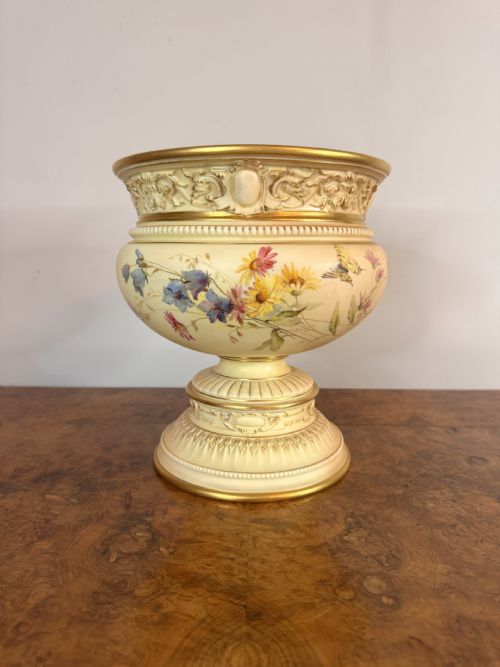
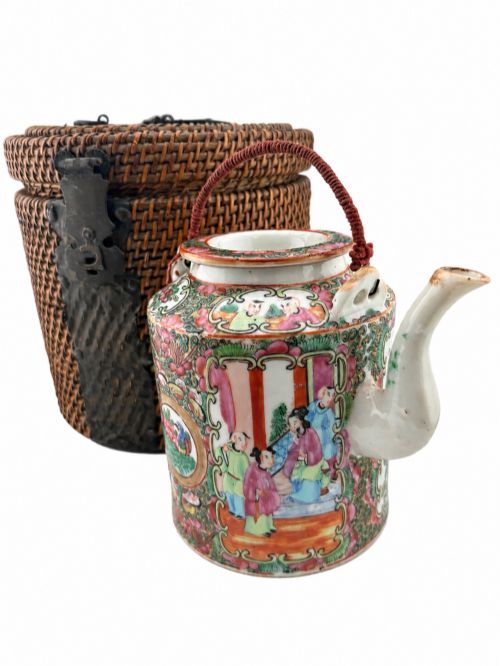
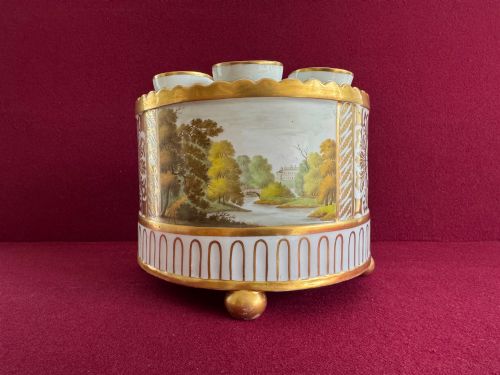
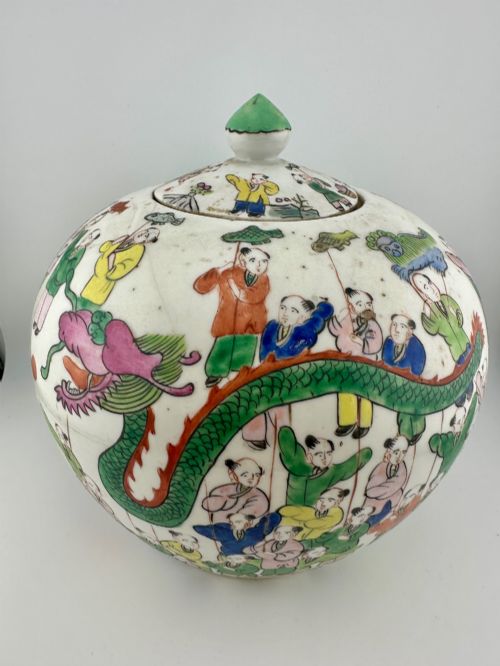
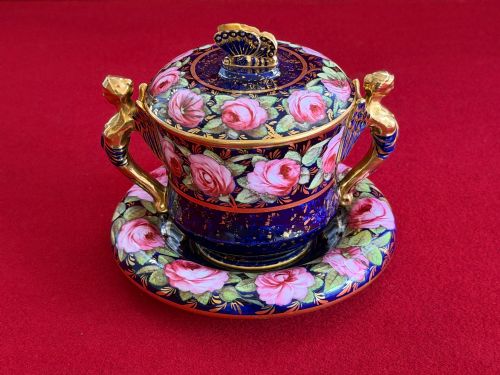
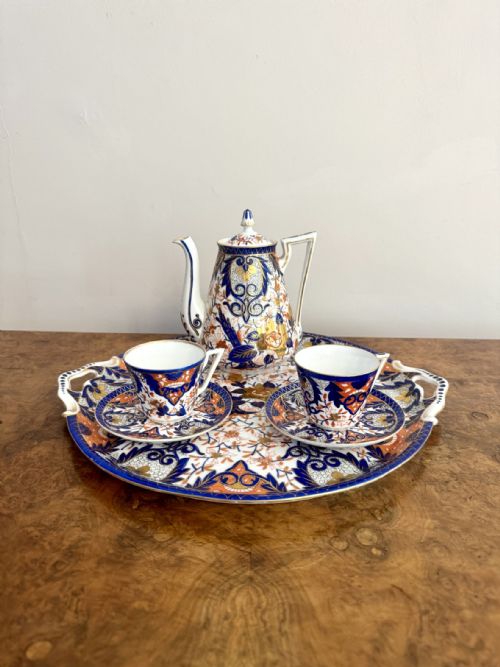
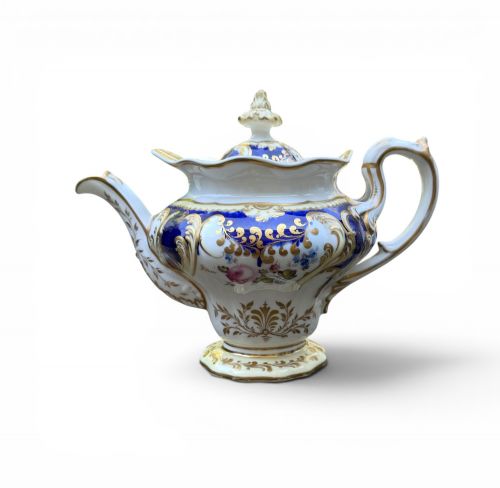
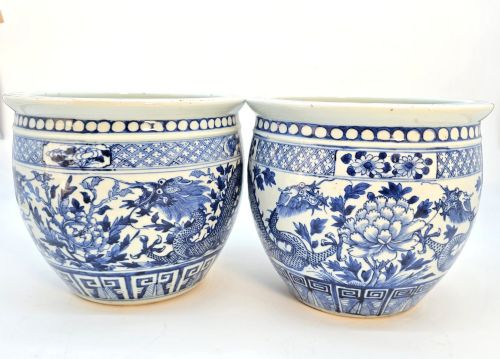
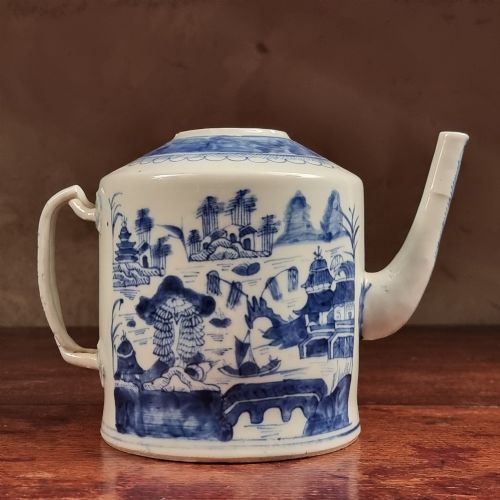
Painted porcelain pots encompass a diverse array of lidded jars, jardinières, teapots, and potpourri vessels originating from eighteenth-century English manufactories, Victorian porcelain houses, and East Asian kilns. When searching for painted porcelain pots, buyers encounter everything from delicate Regency coffee sets and blush ivory pieces to large Chinese Famille Rose planters and Japanese Imari jardinières.
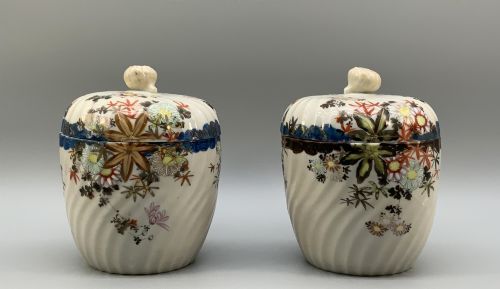
The domestic English examples typically take the form of tea wares, sugar bowls, and bough pots created in Worcester, Derby, or by Spode, often featuring floral motifs or transfer prints augmented by hand. Conversely, the larger decorative pieces on this page lean toward nineteenth-century French lidded urns, Chinese export jars, and Japanese Satsuma wares designed specifically to display colourful enamel palettes and gilding.
Vessels span multiple design movements, moving from rococo revival curves and Georgian classical restraint to the intricate iconography of the Qing Dynasty and the delicate naturalism of Edwardian botanical painting. This variety means a buyer can select a small cabinet sucrier or a substantial floor-standing jardinière depending on the intended interior setting.
How they were made
Makers shaped kaolin-rich ceramic clay before subjecting the bodies to high-temperature kiln firings to achieve a hard, vitrified porcelain base. Artisans then applied underglaze cobalt, overglaze enamel pigments, and gold leaf or gilding, often returning the piece to the kiln multiple times to set each colour layer.
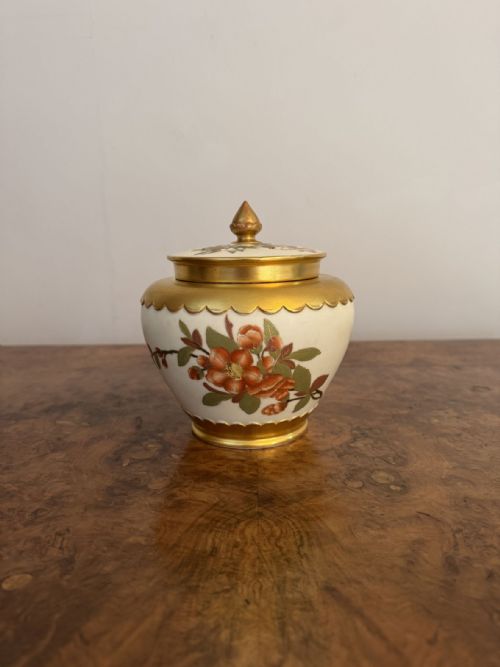
English and European houses such as Royal Worcester and Minton relied on specialised hand-painters to execute botanical studies, landscapes, and fruit scenes over tinted or white glazed grounds. In Chinese and Japanese traditions, master decorators utilised fine-line brushwork and vibrant famille rose or Imari palettes to cover jars, planters, and brush pots with narrative scenes and floral details.
Painted Porcelain Pots Retail Price Guide 2026
Typical asking prices for painted porcelain pots among the pieces listed under this phrase on Sellingantiques today, from the lower quarter to the upper quarter. They describe what is for sale here now, not the wider market.
Listings feature porcelain, enamel, gold leaf, and cobalt underglaze across periods spanning from the eighteenth century to the mid-twentieth century.
What varies in quality
The distinction between standard production and top-tier execution rests upon the skill of the brushwork and the precision of the gilding. Master painters employed by leading factories rendered botanical specimens, figures, and birds with fine detail and nuanced shading, whereas lesser examples rely on repetitive stencilling or hurried enamel fills.
Material preparation and firing consistency also determine the refinement of the piece. Smoother porcelain bodies without kiln distortion, combined with thickly applied gold leaf and well-preserved enamel colours, separate high-grade exhibition items from everyday utilitarian wares.
Royal Worcester·Spode·Barr Flight And Barr·Samuel Alcock·Minton
The Painted Porcelain Pots Glossary
- Famille Rose
- A major palette of Chinese ceramic enamels introduced during the Qing Dynasty, distinguished by an opaque pink or purple colour derived from colloidal gold. This palette allowed artists to paint complex floral and figural scenes with delicate tonal gradations.
- Potpourri
- A mixture of dried plant material and spices kept in a decorative lidded jar to perfume a room. The vessels designed to hold this mixture feature pierced covers to allow the scent to disperse into the interior.
- Jardinière
- A large ornamental pot or stand intended to hold a live plant or flower arrangement. These pieces are frequently manufactured from heavy porcelain or ceramic to support damp soil and foliage.
- Sucrier
- A small lidded sugar bowl used in tea service sets during the eighteenth and nineteenth centuries. They match the accompanying teapot and coffee pot in pattern, material, and decorative style.
- Imari
- A style of Japanese export porcelain originating from Arita, traditionally decorated in underglaze cobalt blue, iron red, and gold. The style gained popularity across Europe during the seventeenth and eighteenth centuries.
Painted Porcelain Pots: Frequently Asked Questions
What are painted porcelain pots used for?
These vessels serve primarily as decorative objects, though many historical pieces retained practical functions such as holding tea, sugar, or potpourri. Jardinières accommodated plants, while small lidded boxes and jars stored dry goods or vanity items.
Today, collectors use them to introduce colour and historical craft into interior spaces, displaying them on mantelpieces, side tables, or within cabinets. Their varied forms allow them to function as standalone sculptural accents or as part of a coordinated ceramic collection.
How do I identify eighteenth century pieces?
Eighteenth century pieces generally exhibit specific body characteristics, factory marks, and hand-painted motifs typical of early European or Asian kilns. Examining the glaze reveals subtle imperfections and variations inherent to wood or early coal-fired kilns.
Documentation, pattern numbers, and historical factory marks such as those from early Worcester or Derby help establish a secure period attribution. Comparing the potting weight and paste translucency against known examples further clarifies the era of manufacture.
How do I care for antique porcelain?
Antique porcelain requires gentle handling, avoiding abrasive cleaning agents or immersion in hot water, which can damage overglaze enamels and fragile gilding. Dusting with a soft, dry cloth is usually sufficient for regular maintenance.
Display the pots away from direct sunlight to prevent the fading of delicate pinks, reds, and gold leaf. Ensure that heavy jardinières are placed on stable surfaces protected by suitable pads to safeguard both the furniture and the ceramic base.
What is the difference between English and Asian pots?
English pots from factories like Worcester and Spode typically reflect European aesthetic movements such as rococo, regency, or Victorian revivalism, often featuring botanical paintings or transfer-printed scenes. Their forms align with Western domestic rituals involving tea and floral decoration.
Asian pieces, including Chinese export wares and Japanese Satsuma or Arita items, utilise traditional regional motifs like the Famille Rose palette, dragon festivals, and scholar scenes. These objects emphasise distinct potting techniques, specific reign marks, and symbolic iconography rooted in Eastern traditions.