




Painted Pine Storage Unit
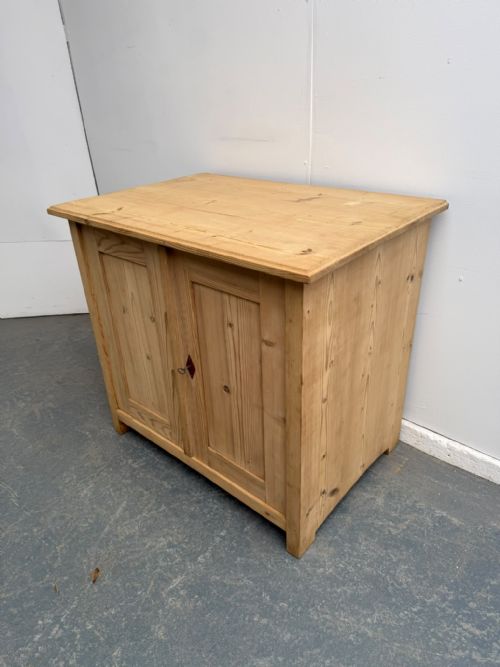
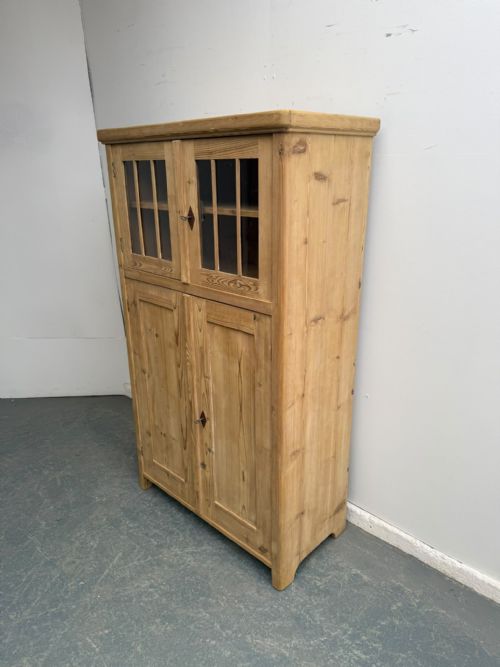
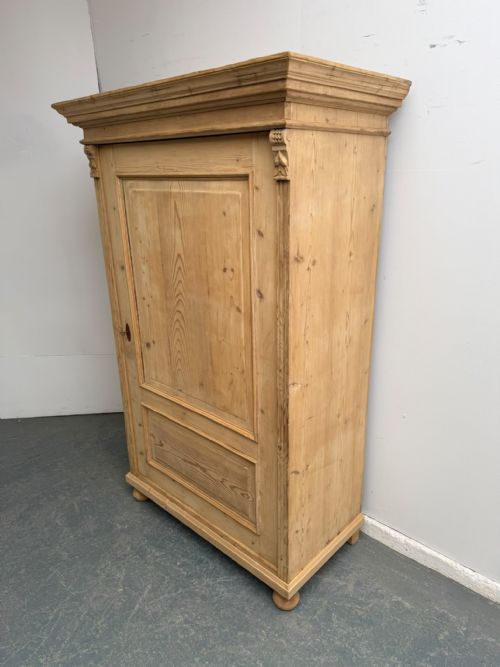
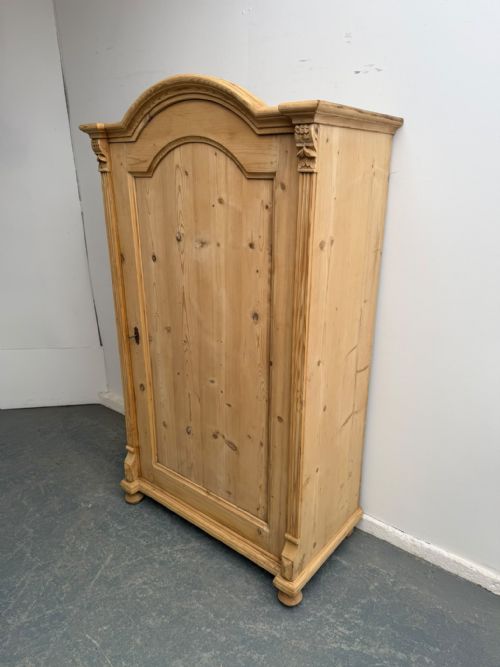
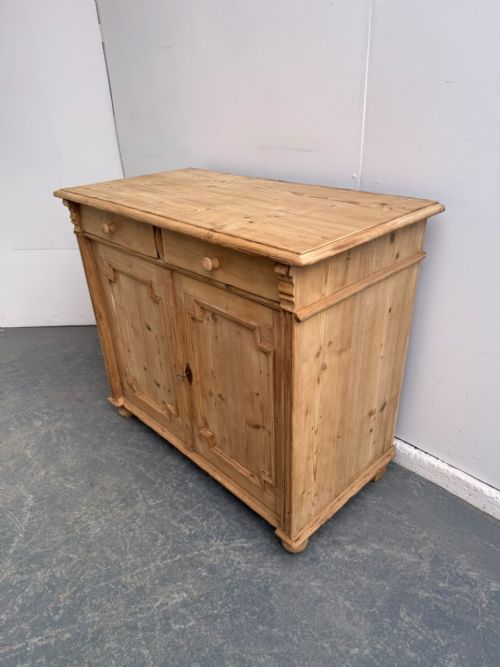
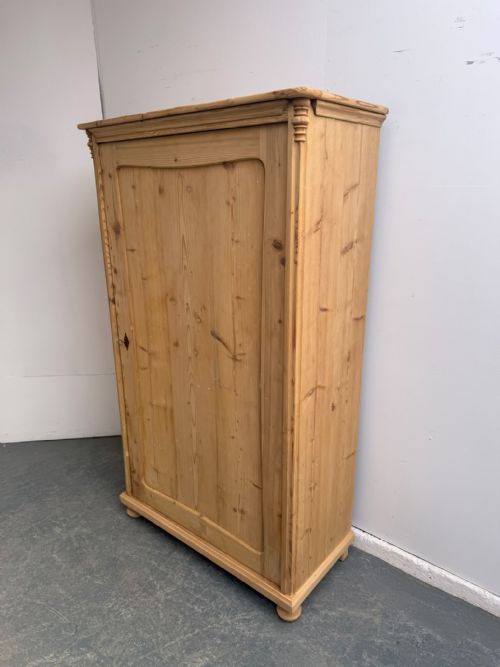
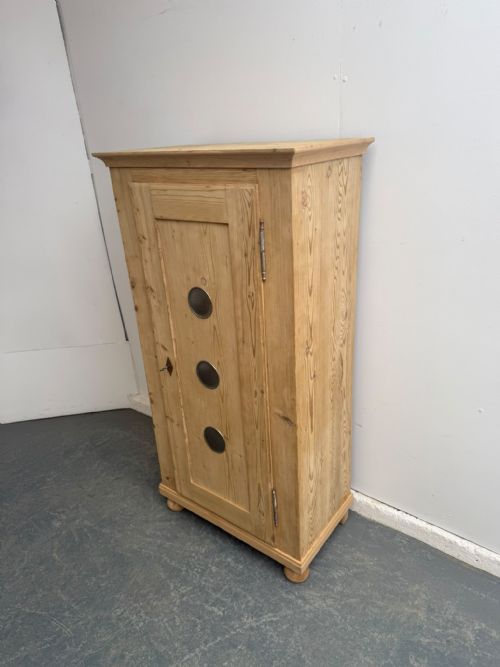
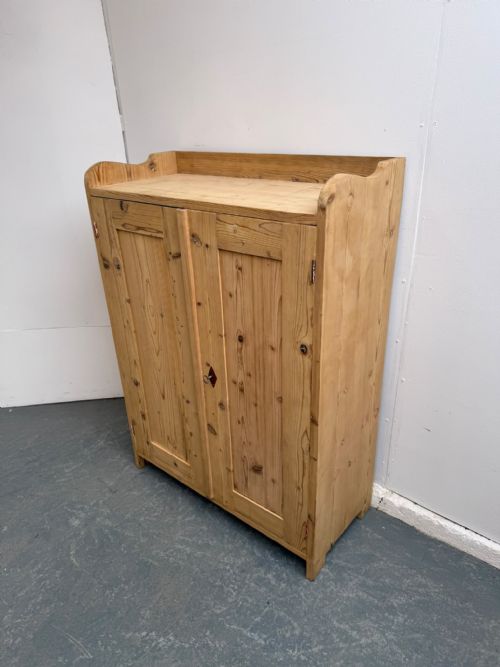
A painted pine storage unit offers honest utility, bringing character and practical organisation through period cupboards, cabinets, and drawers.
Painted Pine Storage Unit
When searching for a painted pine storage unit, buyers encounter a diverse selection of utilitarian furniture spanning the Georgian, Victorian, and early twentieth-century periods. These practical items originate from domestic, institutional, and commercial settings, reflecting regional traditions across British, French, Hungarian, and Swedish workshops.
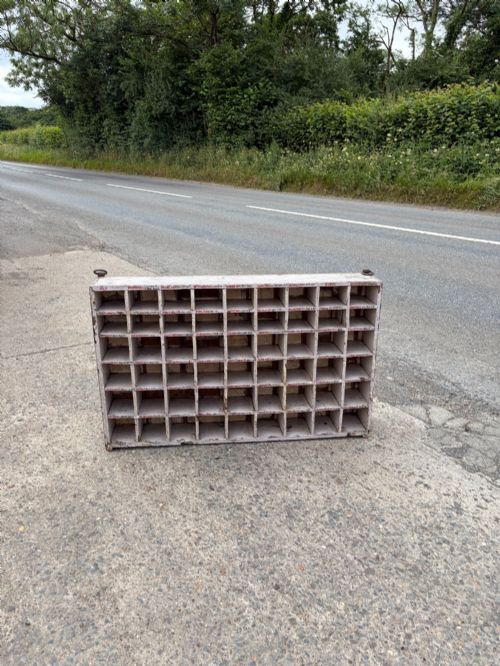
The category encompasses multi-tiered kitchen cupboards, dresser bases, spacious housekeepers' cupboards, and architectural corner units. Additionally, workshop pigeon holes and multi-drawer shop fittings appear frequently, providing robust organisation through banks of drawers and shelved alcove displays.
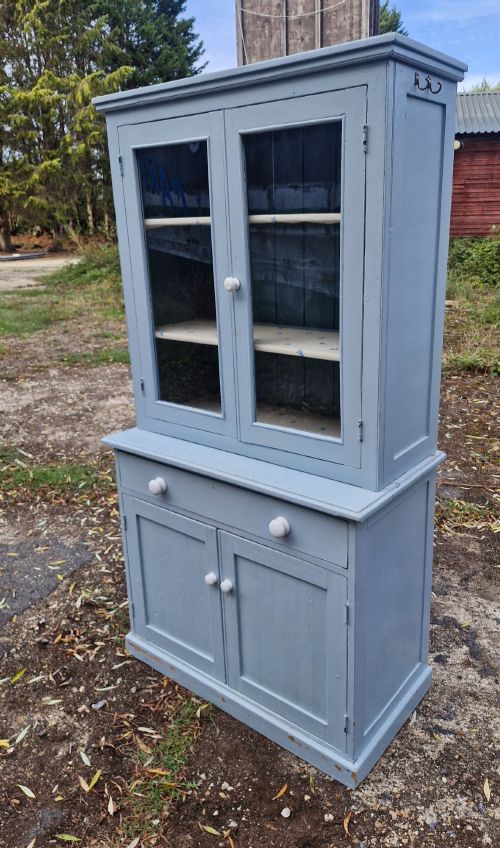
Victorian examples dominate the selection, often presenting with original painted finishes or distemper surfaces. Pieces range from modest single-door cupboards to substantial four-door configurations and tall bookcase display shelves fitted with glass and brass elements.
How they were made
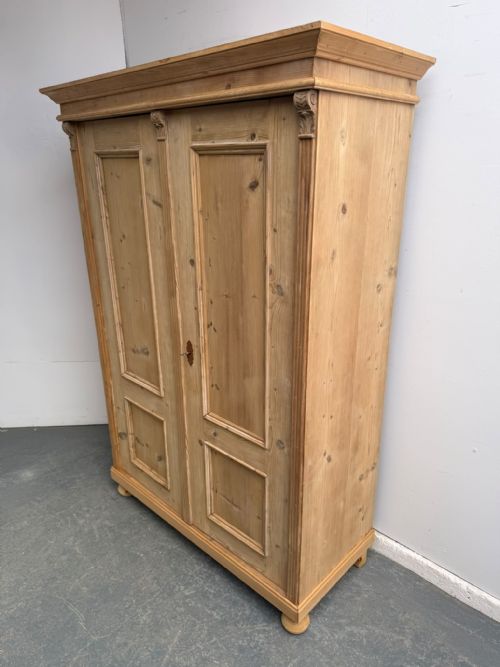
Construction relies primarily on sturdy pine timber, selected for its accessibility and resilience in domestic and institutional furniture. Cabinetmakers utilised traditional joinery techniques, incorporating beaded panels, fielded doors, and fitted internal shelving to create durable storage solutions.
Surfaces were frequently finished with paint, distemper paint, or scumble glazes to imitate finer woods or provide a clean, protective layer. Hardware such as iron, metal, and brass hinges, handles, and latches were standard functional additions across cabinets and drawer banks.
Hungarian shop fittings smuggle twenty-five tiny drawers into the room, ready to swallow up an impressive collection of stray buttons.
What varies in quality
Quality in these utilitarian items depends heavily on the integrity of the original construction and the preservation of authentic surface treatments. Pieces retaining their early or original paint finishes command greater interest than those stripped down or repeatedly overpainted.
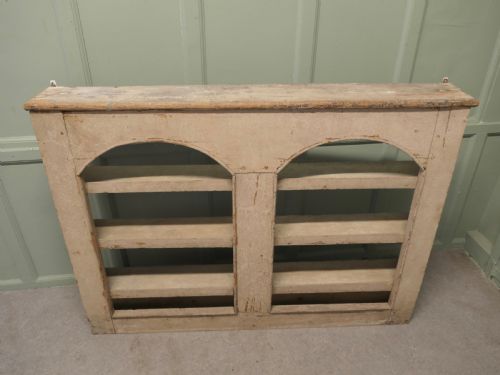
The complexity of the interior fitting and the scale of the piece also dictate standing. Multi-drawer shop fittings, heavily fitted housekeepers' cupboards, and pieces with architectural detailing such as arched frames demonstrate higher levels of initial craftsmanship.
The Painted Pine Storage Unit Glossary
- Scumble
- A decorative paint technique involving a translucent top layer dragged or combed over a lighter base to simulate wood grain. This finish appears frequently on nineteenth-century chests of drawers.
- Distemper paint
- A water-based paint mixture utilising chalk and pigment bound with animal glue. It provides a matte, chalky surface commonly found on period utilitarian furniture.
- Fielded panel
- A central wooden panel with bevelled edges designed to fit securely into a grooved frame. This technique prevents warping while adding decorative depth to cupboard doors.
- Housekeepers cupboard
- A large, tall storage piece traditionally used in country houses for linens and dry goods. These are typically constructed in sections for easier placement.
- Shop fitting
- Heavy-duty commercial furniture such as multi-drawer cabinets designed for retail environments. They are built for rigorous daily use and heavy storage.
Painted Pine Storage Unit: Frequently Asked Questions
What is a painted pine storage unit?
A painted pine storage unit is a piece of practical antique furniture designed for organisation, including cupboards, cabinets, dressers, and drawer banks. These items originate from domestic kitchens, institutions, and shops.
They utilise softwood construction finished with paint, distemper, or scumble glazes. Pieces date from the Georgian period through to the early twentieth century.
How do I date a painted pine cabinet?
Dating relies on construction methods, hardware types, and stylistic indicators such as proportions and moulding profiles. Georgian examples often display simpler, heavier cornices, while Victorian pieces incorporate varied door configurations and specific hardware.
Paint analysis also assists, as distemper and early scumble finishes correspond to nineteenth-century production methods. Institutional pieces from the twentieth century feature distinct standardisation.
Are these units suitable for modern kitchens?
These functional cupboards and dresser bases integrate well into contemporary kitchens for pantry storage or freestanding crockery display. Their varied dimensions suit spaces requiring characterful freestanding furniture rather than fitted units.
Interior shelving and deep drawers provide practical utility for modern storage needs. Many retain robust construction suitable for daily household use.
What distinguishes shop fittings from domestic cupboards?
Shop fittings are built for commercial environments, featuring extensive banks of small drawers or specialised pigeon holes for inventory management. They prioritize maximum storage capacity and durability.
Domestic cupboards generally focus on enclosed shelving, hanging space, or display capabilities. Commercial pieces often originate from institutional or retail settings like school rooms and mercers.
How should I care for original painted surfaces?
Original painted and distemper surfaces require gentle dry dusting and protection from direct sunlight and excessive moisture. Aggressive cleaning agents or modern solvents should be avoided to preserve historic finishes.
Applying microcrystalline wax can protect stable painted surfaces without altering their historic character. Unpainted sections destined for waxing require appropriate traditional treatments.