
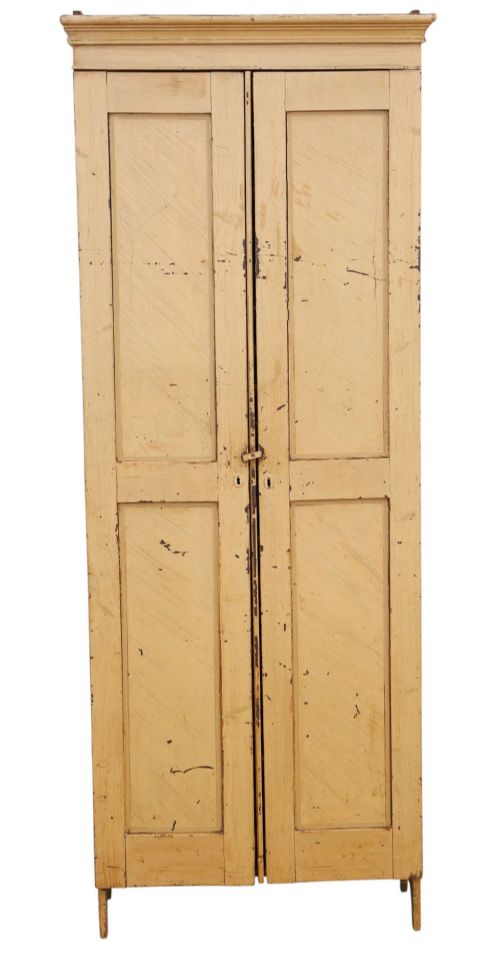
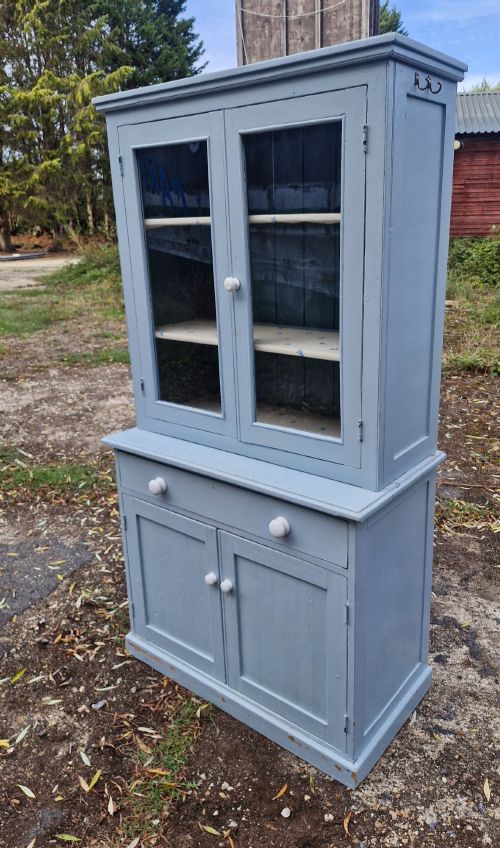
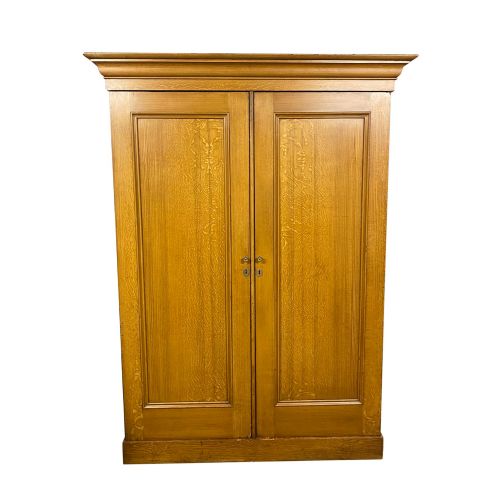
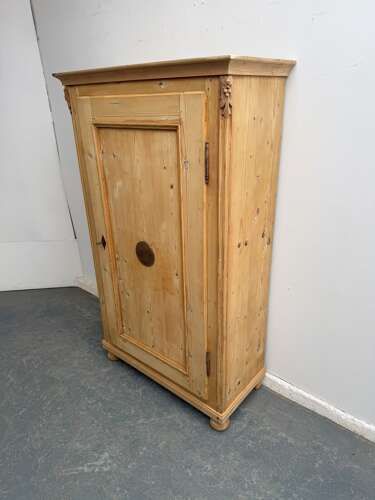
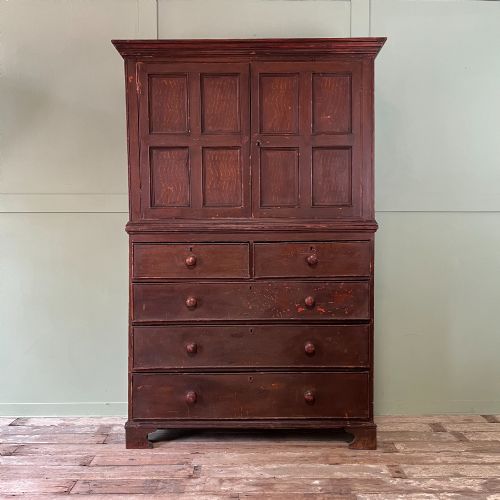
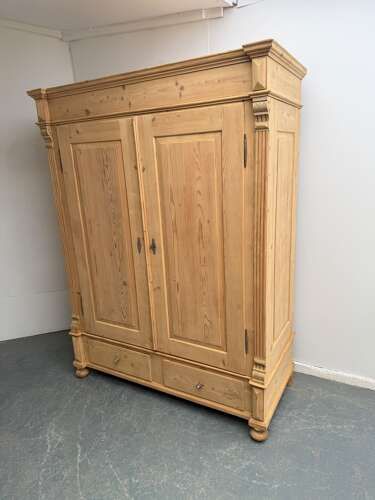
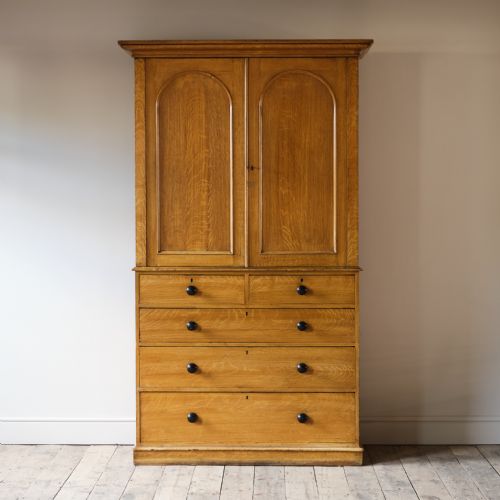
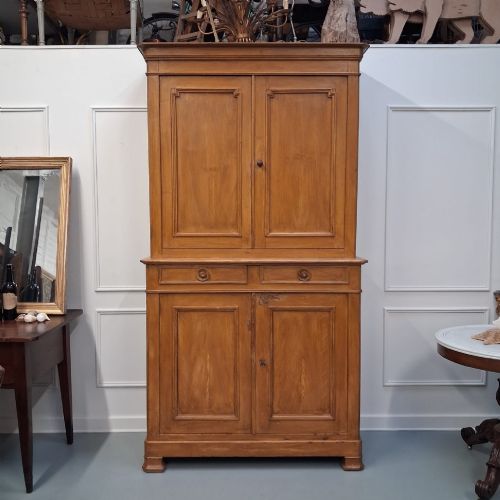
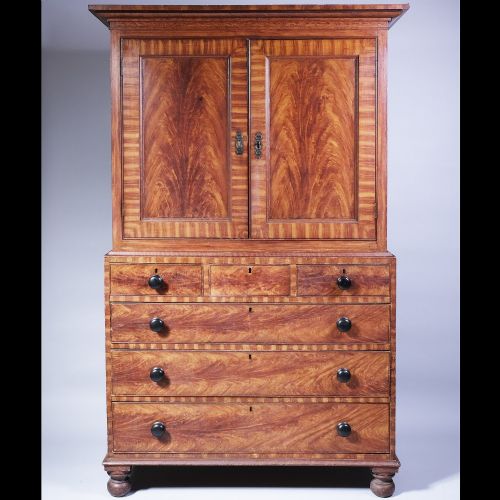
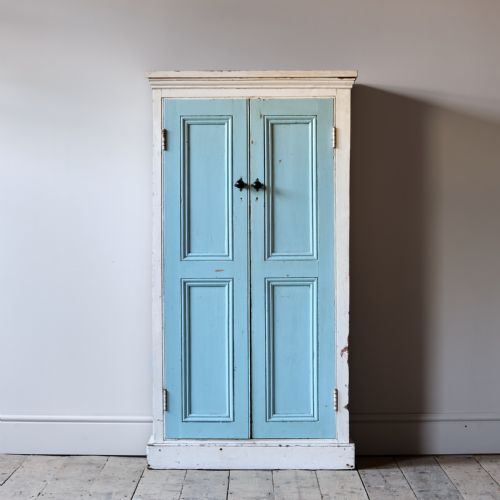
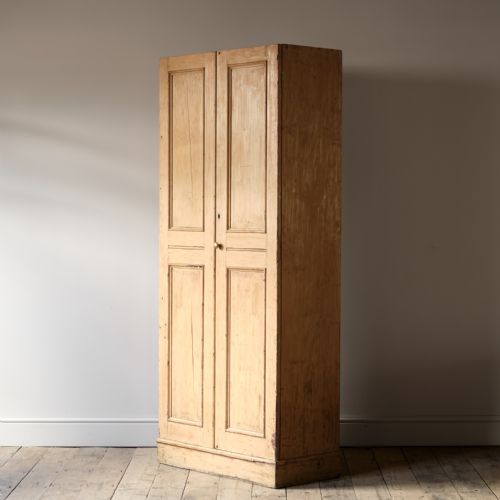
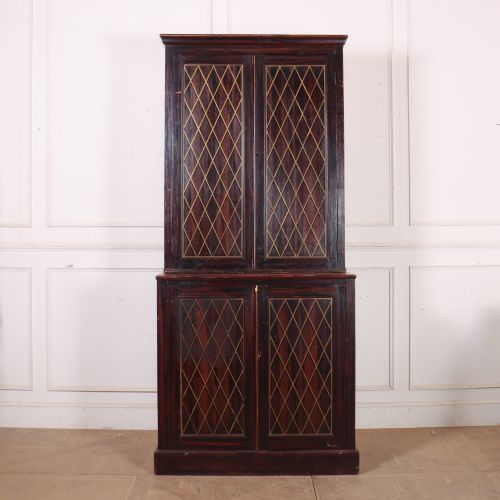
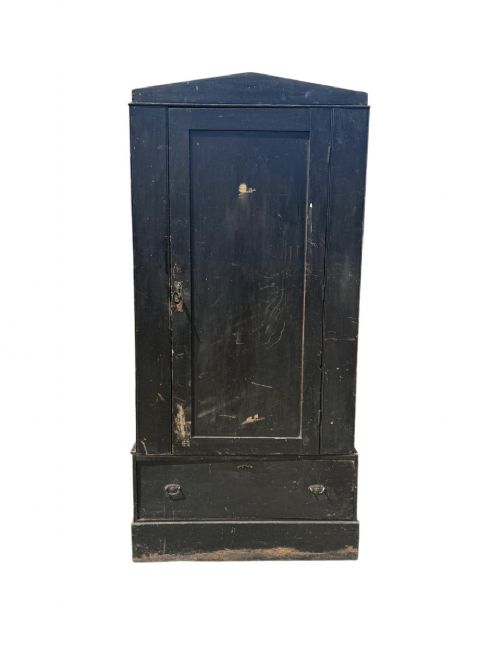
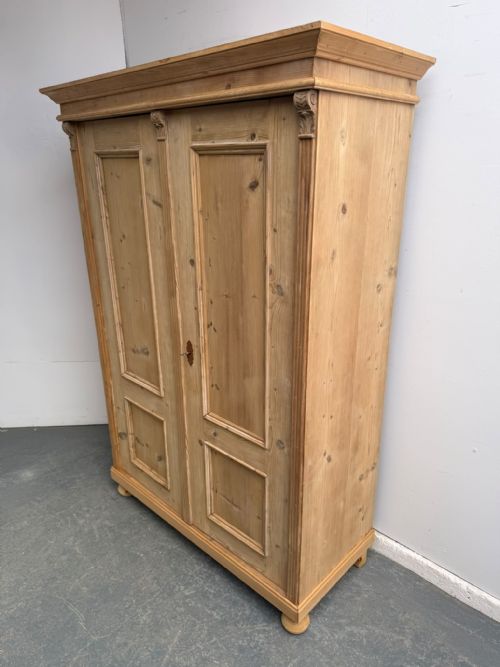
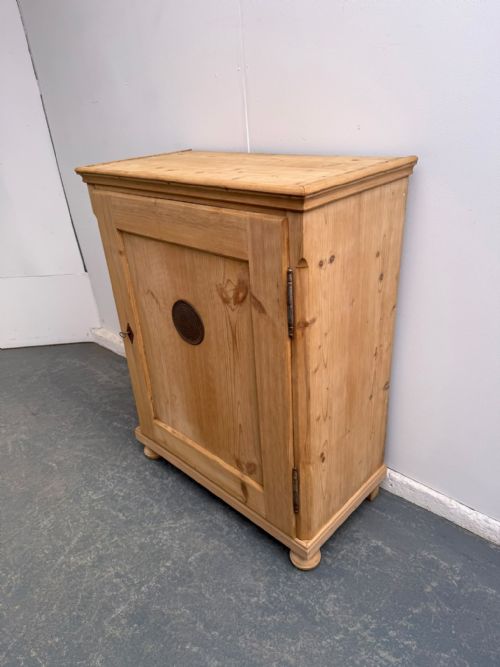
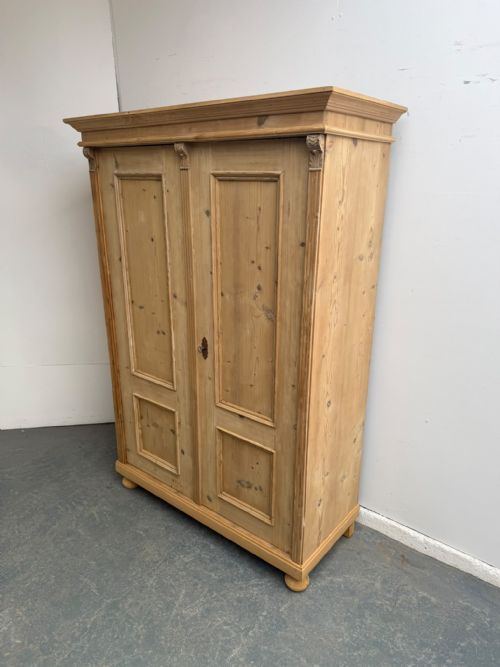
Painted Pine Housekeeper Cupboard
These large storage pieces offer robust utility and historic charm, making a painted pine housekeeper cupboard a practical anchor for a traditional kitchen.
Painted Pine Housekeeper Cupboard
When you search for a painted pine housekeeper cupboard, you encounter substantial utilitarian storage furniture originating from domestic contexts across the eighteenth, nineteenth, and early twentieth centuries. These pieces typically take the form of tall multi-door storage units, press cupboards, or large wardrobes designed to house household linens, provisions, and dry goods.
The versions most frequently met on this page span the Victorian and Georgian periods, often reflecting regional English, French, Irish, or Italian country traditions. Their forms range from simple single-door cupboards to massive two-part or knockdown storage units, occasionally featuring glazed upper sections or drawers beneath the main compartment.
Makers built these pieces primarily for function in domestic service areas, farmhouses, and school rooms, relying on sturdy pine carcases. Over time, many have received historic or modern coats of paint, scumble glazes, or original surface treatments that accentuate their vernacular proportions.
How they were made
Joiners constructed these large carcases using solid pine timber, frequently employing pegged joints, panelled doors, and robust internal shelving to support heavy household stores. Iron and brass hinges, latches, and pulls provide the functional hardware across the periods.
Surface finishes involved layers of paint, with many examples retaining original scumble work designed to imitate oak grain, or traditional cream and earth pigments. Workshops often created two-part or knockdown constructions to facilitate transport and installation in domestic quarters.
Painted Pine Housekeeper Cupboard Retail Price Guide 2026
Typical asking prices for painted pine housekeeper cupboard among the pieces listed under this phrase on Sellingantiques today, from the lower quarter to the upper quarter. They describe what is for sale here now, not the wider market.
The listings show painted pine housekeeper cupboards spanning from the 18th century through the Georgian and Victorian eras up to 1910.
What varies in quality
The calibre of a piece rests largely on the integrity of its original construction, the thickness and seasoning of the pine timber, and the survival of early or untouched paint surfaces. Superior examples display balanced proportions, fine joinery details such as fielded panels, and hardware appropriate to their period.
Pieces that retain authentic scumble graining or original layered paintwork command greater interest than those stripped down or repeatedly repainted in modern finishes. The complexity of the internal configuration, from adjustable shelving to well-fitted press interiors, also distinguishes utilitarian workshop output from finer country furniture.
The Painted Pine Housekeeper Cupboard Glossary
- Scumble
- A translucent glaze manipulated over a pale ground to simulate the richer grain patterns of oak or other hardwoods. This decorative technique was widely applied during the nineteenth century.
- Press Cupboard
- A traditional tall storage unit featuring internal shelving or sliding trays traditionally used for linen and clothing. They often divide horizontally into upper and lower sections.
- Knockdown
- A piece of furniture engineered with pegged or bolted joints that allow the main carcase to be fully dismantled for movement between rooms or properties. This construction method was common for very large wardrobes.
- Fielded Panel
- A wooden panel with bevelled edges that fit into a grooved frame, adding structural stability and visual depth to cupboard doors.
- Vented
- Fitted with pierced panels or grilles to promote air circulation within the storage interior, essential for food or linen preservation.
Painted Pine Housekeeper Cupboard: Frequently Asked Questions
What is a housekeeper cupboard?
A housekeeper cupboard is a large storage unit traditionally used in domestic service to store household linen, dry goods, and provisions. These substantial pieces served as the primary storage furniture in country houses and farmhouses.
They usually feature large doors enclosing shelved interiors or hanging spaces, often combined with lower drawers for smaller items.
How do I date a pine cupboard?
Dating relies on construction methods, timber characteristics, and hardware styles found across the piece. Georgian and eighteenth-century examples often display hand-planed surfaces and pegged joints, while Victorian pieces incorporate machine-sawn elements and different hinge types.
Paint history also offers clues, as original scumble finishes and early lead-based pigments provide specific chronological markers.
Can these cupboards be dismantled?
Many large nineteenth-century and Georgian examples were built as knockdown furniture designed to be taken apart. This engineering allowed builders to move massive wardrobes and cupboards up narrow staircases and through tight doorways.
Checking the listing details or asking about the construction type confirms whether a specific piece separates into modular sections.
How should I care for original paint?
Original paint surfaces require gentle cleaning with a soft, dry cloth to remove dust without disturbing historic layers. Avoid harsh chemical cleaners, modern solvents, or abrasive pads that can strip delicate scumble glazes or early pigments.
Maintaining a stable room environment away from direct heat sources protects the pine carcase and the historic finish alike.