
19th Century Pine Press
A 19th century pine press offers substantial storage with provincial charm, bringing historical utility and versatile painted or waxed timber surfaces into domestic spaces.
19th Century Pine Press
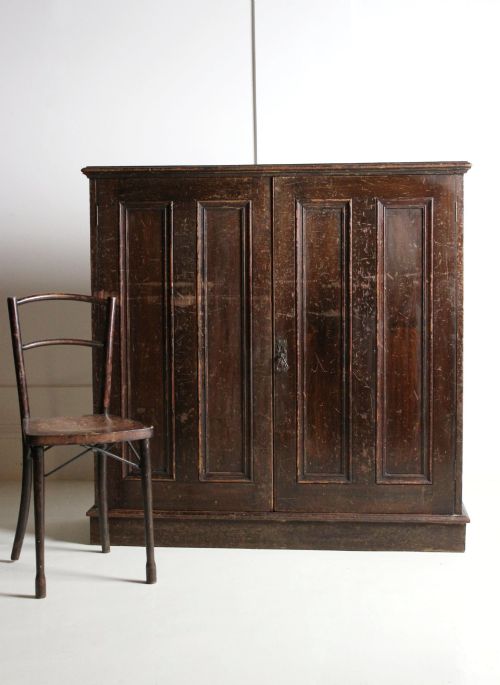
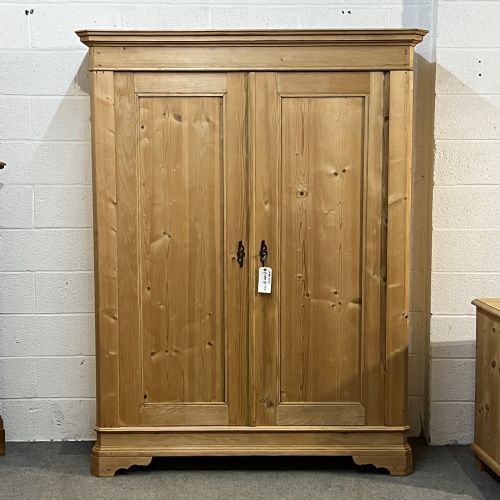
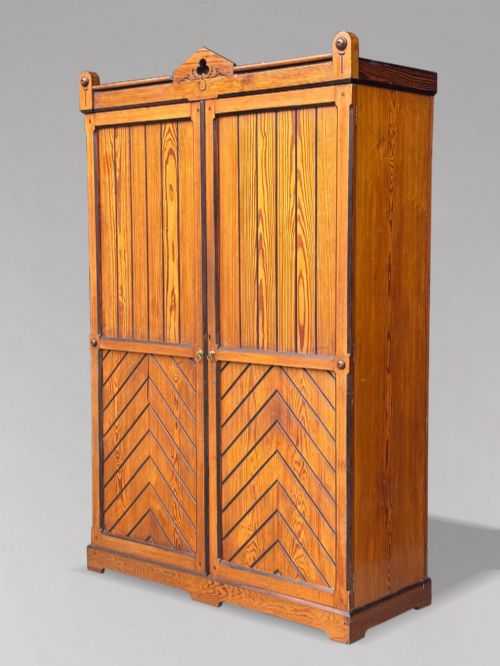
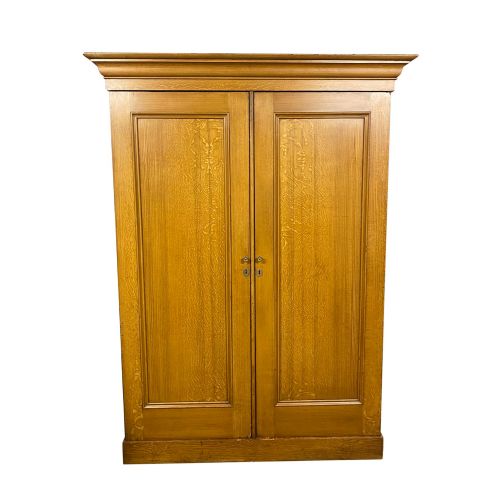
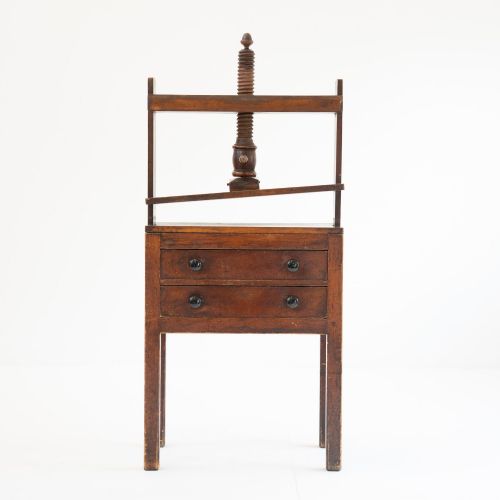
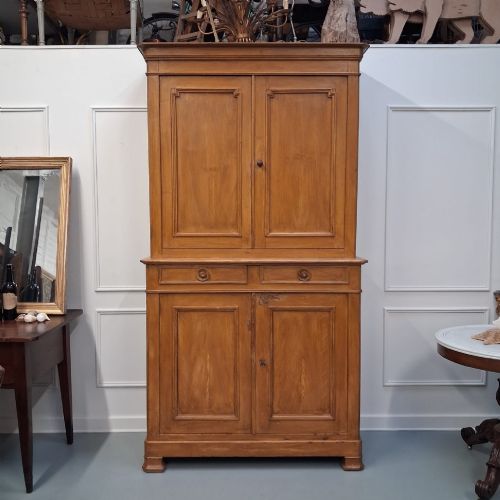
A 19th century pine press encompasses large storage furniture designed for textiles, household linen, and garments, spanning tall wardrobes, compactum units, and housekeeper cupboards. These pieces emerge from domestic and provincial workshops across Britain, Ireland, France, Scandinavia, and Eastern Europe.
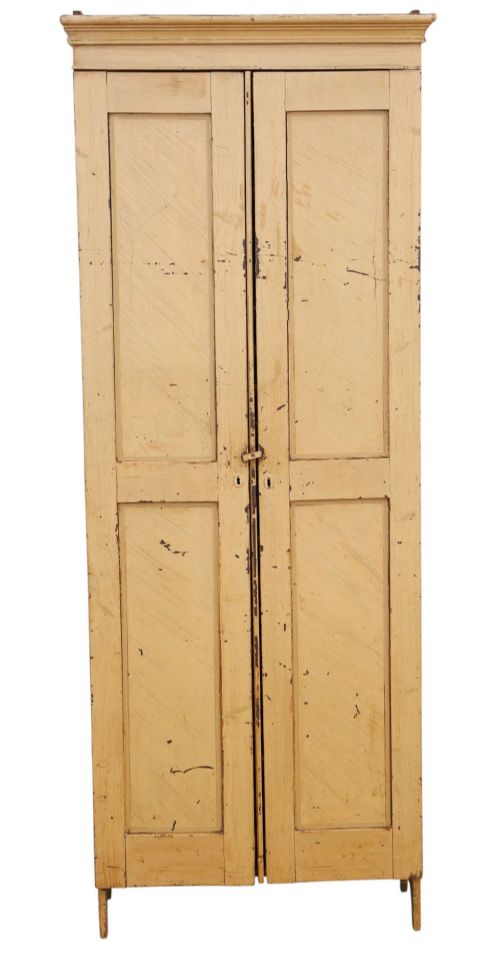
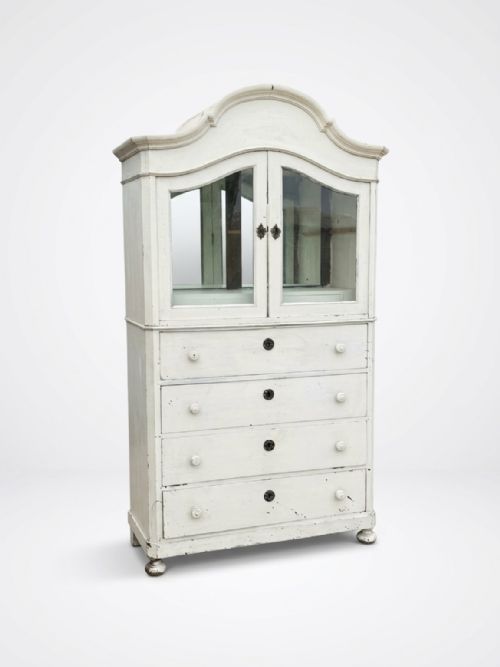
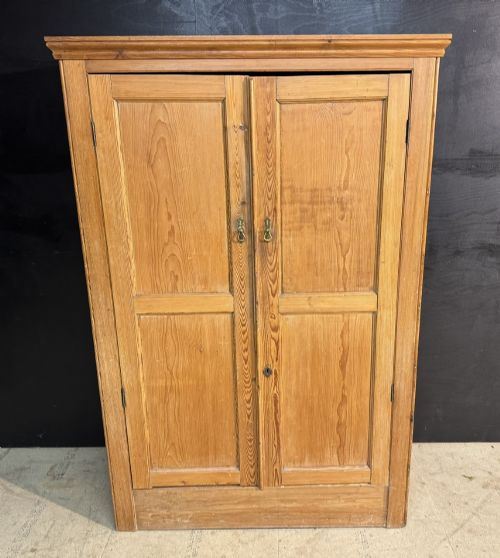
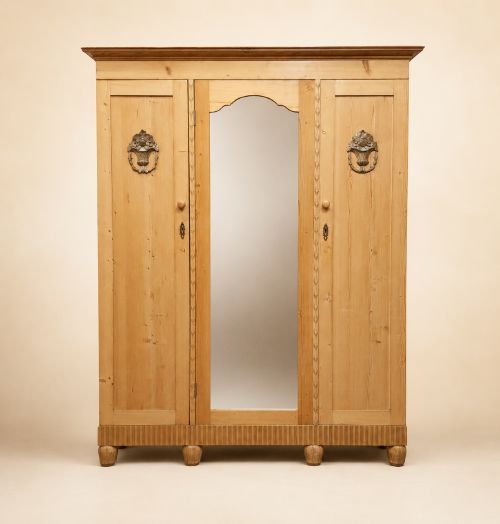
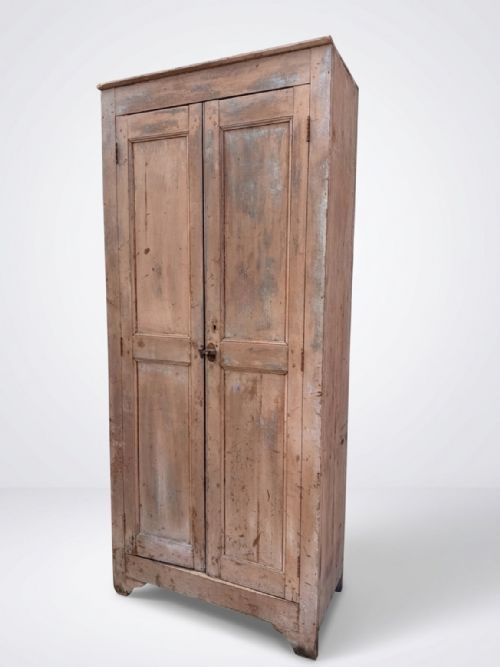
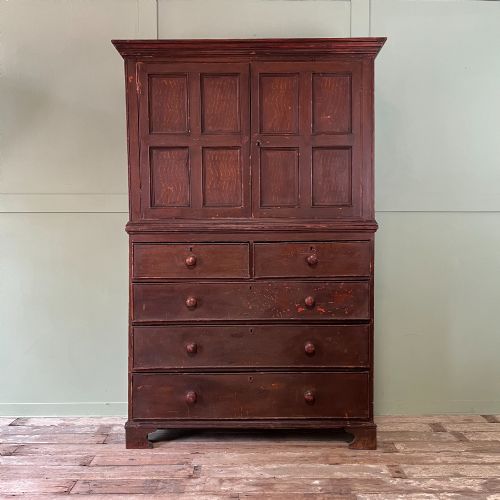
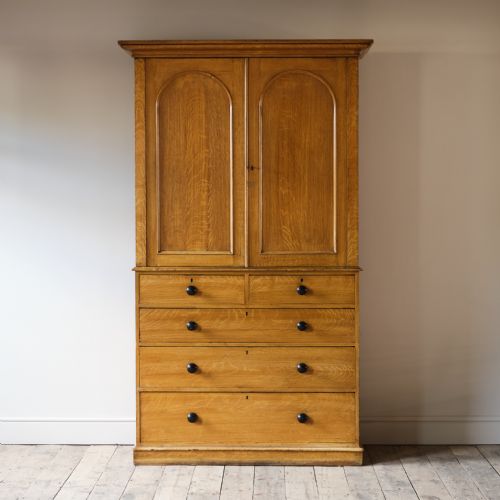
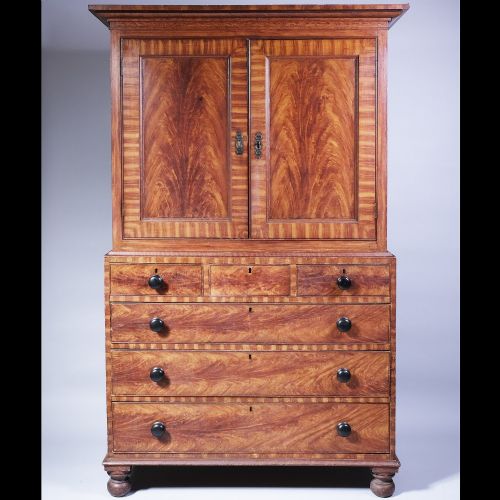
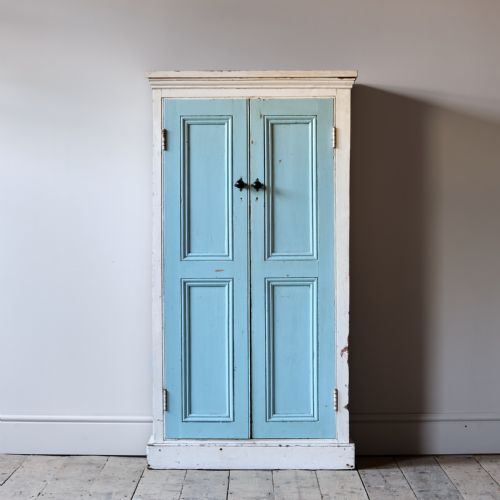
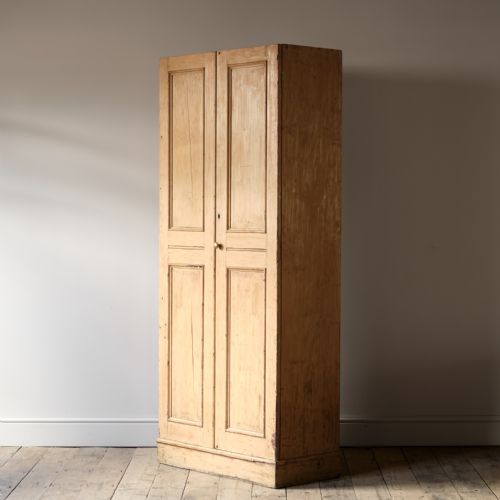
Buyers meet variations ranging from stripped waxed timber to pieces retaining original paint, scumble finishes, or cream coatings. Forms include single, double, and triple door configurations, frequently incorporating lower drawer banks or standing on dedicated bases.
Materials and construction
Construction relies primarily on solid pine timber, sometimes paired with secondary hardwoods or fitted with iron and brass hardware such as hinges and lock plates. Surfaces are frequently treated with historical painted finishes, including hand-mixed pigments, scumble glaze mimicking oak, or simple wax layers.
Joinery methods reflect regional provincial traditions, utilising pegged frames, beaded panelling, and substantial cornice mouldings. Cupboards intended for larger domestic spaces are occasionally built as knockdown structures to allow transportation and assembly.
Listings feature 19th century pine presses from Britain, Ireland, France, Scandinavia, and Eastern Europe in waxed pine, original paint, and scumble finishes.
Quality variations
Quality rests in the survival of original surface treatments, where untouched period paint or scumble work commands greater interest than later stripped and rewaxed finishes. The integrity of original hardware, working locks, and interior shelving or hanging configurations also defines the standard.
Proportional balance and regional detail dictate distinction, distinguishing standard utilitarian cupboards from finely proportioned Scottish, Irish, or Scandinavian examples featuring bonnet tops, carved mouldings, or columned frames.
Johnston’s of London
The 19th Century Pine Press Glossary
- Scumble paint
- A decorative translucent oil glaze manipulated over a lighter base coat to imitate finer hardwoods like oak. It was widely applied during the Victorian period to elevate plain pine furniture.
- Housekeeper cupboard
- A large storage cabinet traditionally used for linens, dry goods, and domestic supplies. These units typically combine upper shelving with lower banks of drawers.
- Compactum
- A fitted wardrobe incorporating specialised internal compartments, drawers, and hanging space within a single multi-door carcass. They offer comprehensive storage solutions for garments.
- Bonnet top
- An arched or curved upper architectural moulding atop a cabinet or wardrobe. This decorative feature derives from regional cabinet-making traditions, particularly in Scandinavian furniture.
- Aumrie
- A traditional Scottish term for a cupboard or press used for storing food, utensils, or household linen. They often display distinct regional joinery and proportions.
19th Century Pine Press: Frequently Asked Questions
What is the difference between a press and a wardrobe?
A press traditionally designates a tall storage piece designed specifically for folded textiles and linens, often featuring internal shelving behind doors. Wardrobes are primarily built for hanging garments on rails.
Many 19th century pieces blur these distinctions, combining deep linen storage with hanging space or lower banks of drawers.
How do I identify original paint on pine furniture?
Original paint displays authentic wear patterns, micro-craquelure, and multiple underlying layers consistent with age. It adheres naturally to the timber grain without modern synthetic primers underneath.
In contrast, later repainting often appears uniform, lacks surface depth, or conceals modern hardware alterations.
Are these cupboards easy to dismantle for moving?
Certain large pieces, particularly knockdown wardrobes from the Victorian period, were engineered with pegged frames and removable cornices to facilitate transport between rooms.
Many regional cupboards and housekeeper presses are constructed as single solid carcasses and require careful measurement of doorways and stairwells before purchase.
Should I wax a painted pine press?
Preserving historical painted surfaces requires avoiding stripping or aggressive waxing that alters the original pigment layer. Unpainted or stripped pine benefits from traditional beeswax applications to nourish the dry timber.
Assessing the surface finish carefully determines whether the wood should remain in its existing paint or be maintained with neutral wax.