


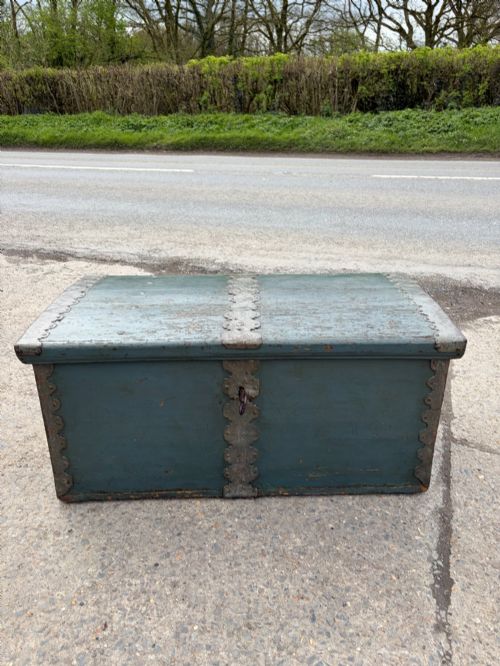
Painted Pine Box
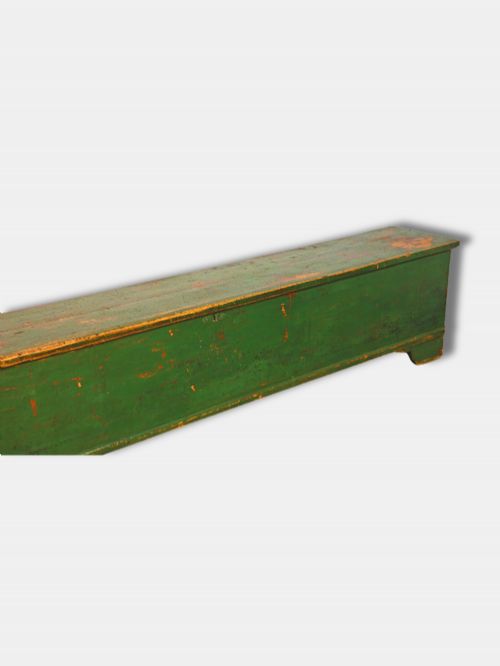
A painted pine box offers utilitarian domestic storage infused with regional folk character and layers of historic pigment.
Painted Pine Box
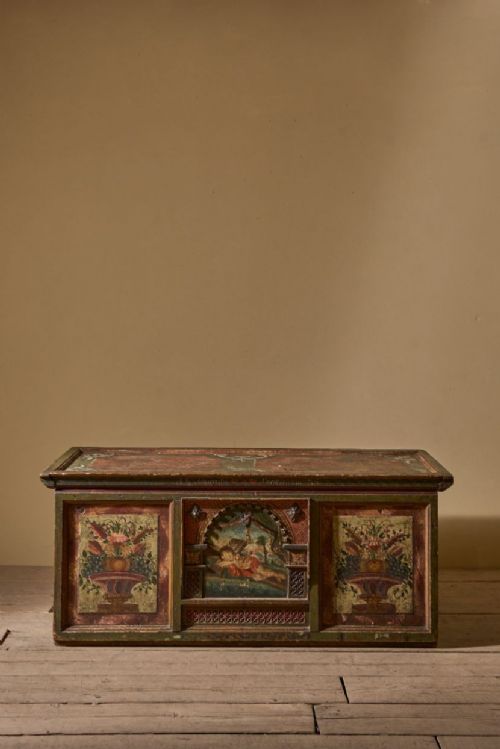
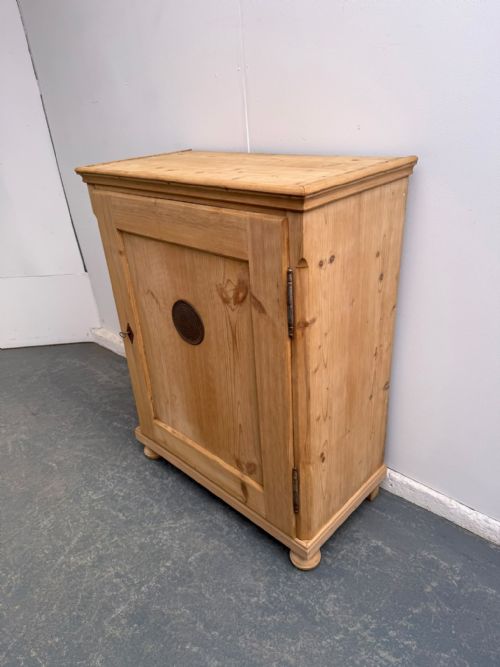
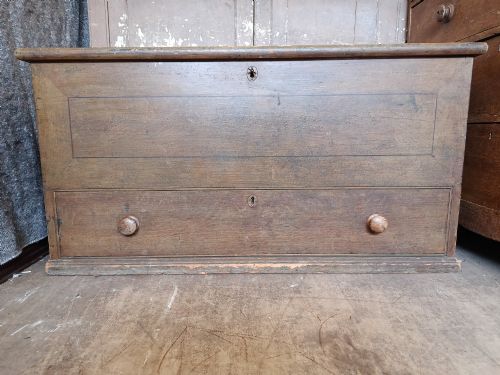
A painted pine box serves as a functional receptacle for blankets, documents, and personal belongings across domestic settings. The pieces seen here span simple vernacular trunks to decorated marriage chests from 19th-century Britain, Scandinavia, and Hungary.
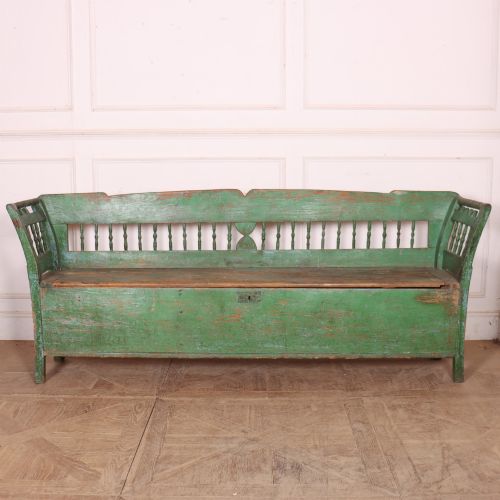
The most common forms on this page include blanket boxes, large storage coffers, and box settles featuring hinged lids. These items range from plain utilitarian transport cases to highly decorative examples finished in original folk art pigments.
How they were made
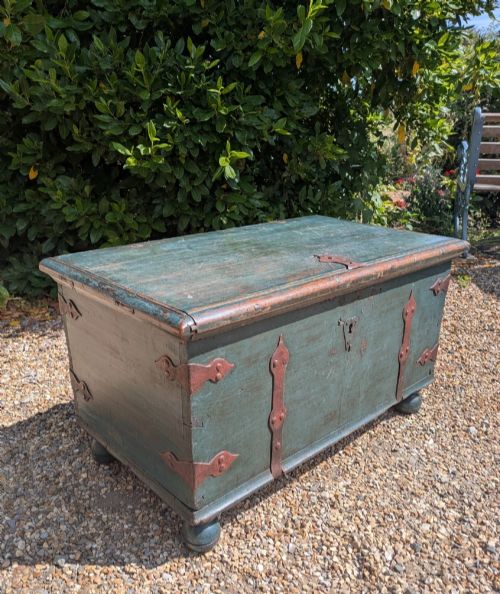
Carpenters constructed these receptacles from soft, accessible pine boards joined using dovetails or simple pegged corners for structural rigidity. Iron strapwork, brass handles, and wrought iron hinges reinforced the lids and corners for heavy transport and daily use.
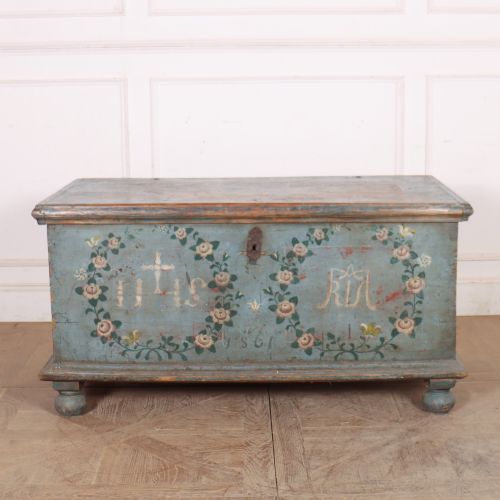
Surfaces received layers of oil-based paint, scumble glazes, or mineral pigments applied by hand. This protective coating often featured floral motifs or regional folk art designs characteristic of Scandinavian, Hungarian, and British rural workshops.
The listings feature diverse regional styles, encompassing British country house pieces alongside Hungarian, Spanish, and Scandinavian folk art.
What varies in quality
Quality rests primarily in the survival and integrity of the original surface finish rather than the underlying carpentry. Pieces retaining their untouched, early paint layers hold greater aesthetic merit than stripped or later repainted examples.
Construction detail also differentiates the range, from basic nailed shipping crates to dovetailed marriage chests fitted with internal candle boxes and hand-forged ironwork. The sophistication of the regional folk art ornamentation further elevates the piece.
The Painted Pine Box Glossary
- Scumble
- A translucent glaze layer dragged or brushed over a base coat to create mottled or faux-wood textures. This technique was frequently applied to Victorian pine boxes to imitate richer hardwoods.
- Mule chest
- A storage chest featuring one or more drawers beneath the main compartment. This form bridges the traditional coffer and the modern chest of drawers.
- Strapwork
- Ornamental bands of metal, typically iron or brass, fixed across the exterior of a box for reinforcement. Hand-forged examples add considerable character to 19th-century pieces.
- Box settle
- A high-backed wooden bench with a hinged seat concealing a storage compartment underneath. These dual-purpose seats were common in farmhouse kitchens across Europe.
- Coffer
- A heavy, secure chest traditionally used for storing valuables or documents. These deep receptacles usually feature flat lids suitable for occasional seating.
Painted Pine Box: Frequently Asked Questions
Are these boxes suitable for daily storage?
These rustic receptacles provide practical cavities for blankets, linens, and bulky household items. Their sturdy pine construction handles ordinary domestic loads with ease.
Ensure items stored inside are dry to prevent interior moisture buildup. Placing breathable cotton lining inside protects delicate fabrics from rough wood surfaces.
How can I identify original paint?
Original pigment shows natural craquelure, fading, and wear consistent with age and handling. Multiple underlying layers often emerge through chips in the topmost coat.
Modern repainting typically feels uniform and lacks the subtle tonal variations of historic mineral colours. Inspection under magnification reveals whether the finish predates modern synthetic paints.
Where were these boxes used originally?
Rural households, farmhouses, and modest town dwellings utilised these containers for everyday organisation. Larger trunks also served merchants and travellers for shipping personal effects.
Folk-decorated marriage chests held dowry linens and were displayed prominently within the home. Smaller document boxes sat upon tables to safeguard important papers and letters.