
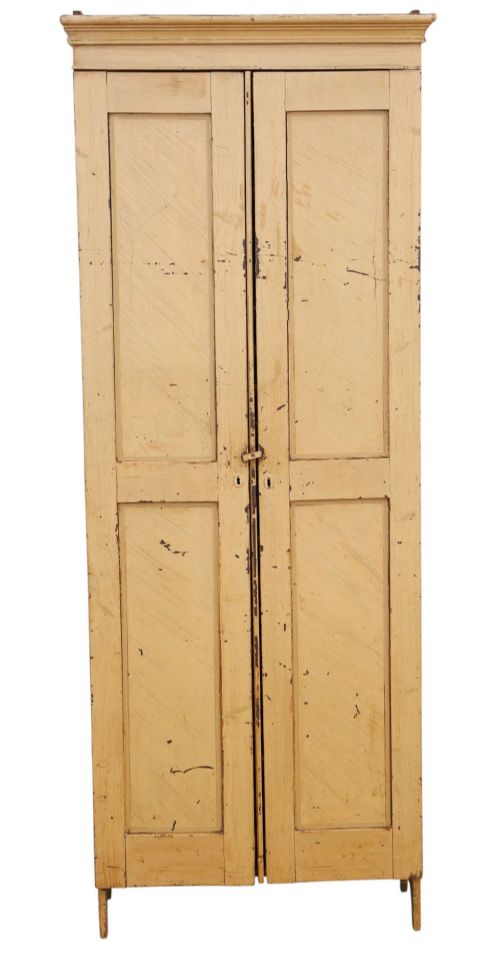
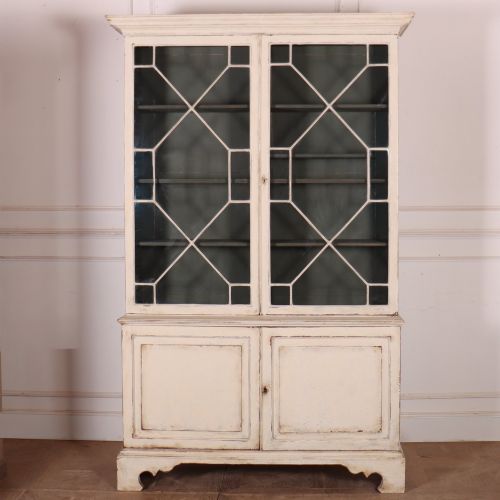
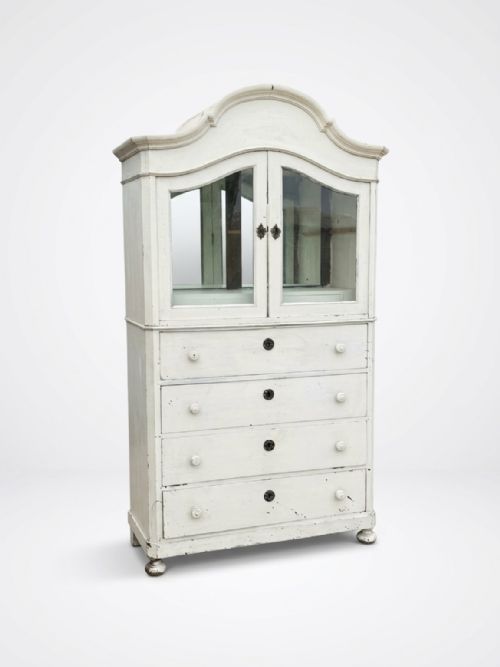
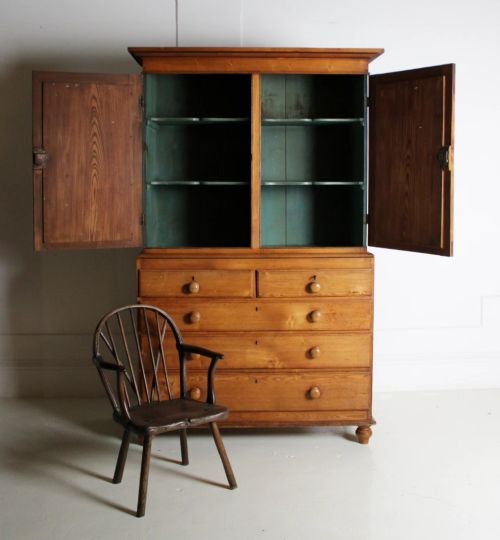
Painted Linen Press
When searching for a painted linen press, buyers encounter large storage pieces combining historic timber construction with decorative surface finishes.

Painted Linen Press
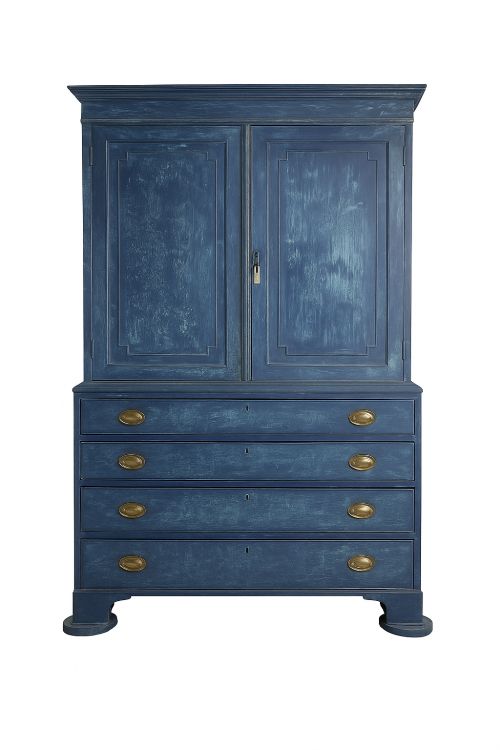
A painted linen press serves as a substantial storage cabinet designed originally for folding textiles and storing household garments. These large case pieces combine upper cupboard sections with lower drawer banks or wide cabinet doors, providing considerable domestic utility.
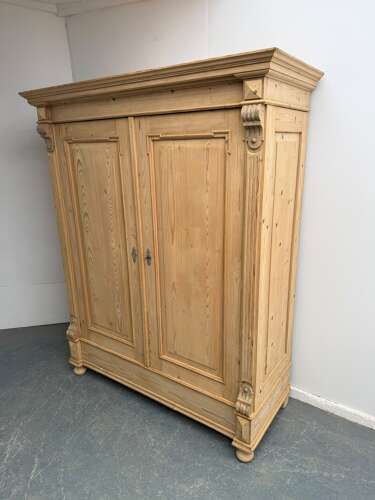
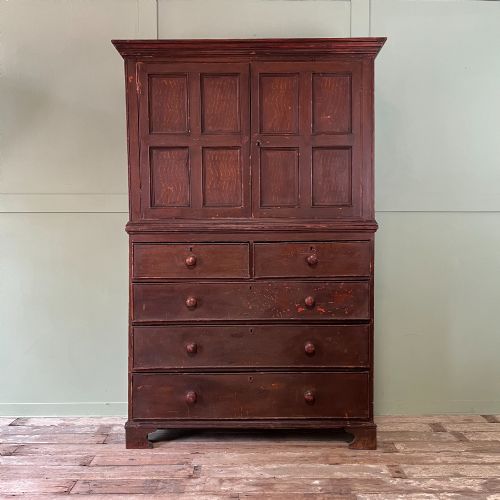
The painted linen press examples recorded here span Georgian, Regency, and Victorian periods alongside continental European and British country workshops. Pine forms the primary carcass material, often finished with original historic paint, scumble glazes, or later decorative layers.
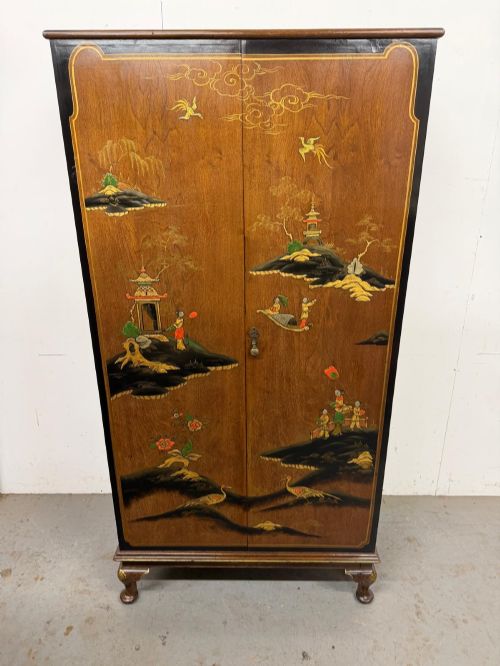
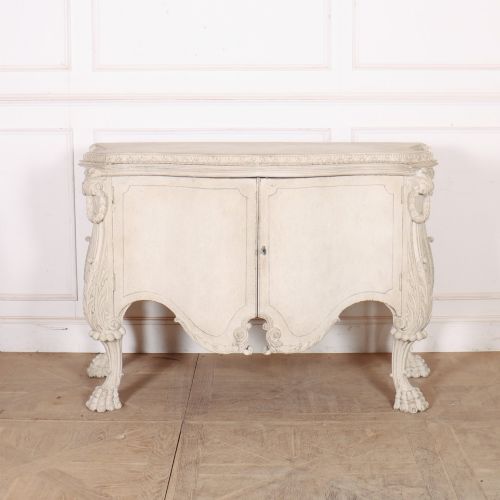
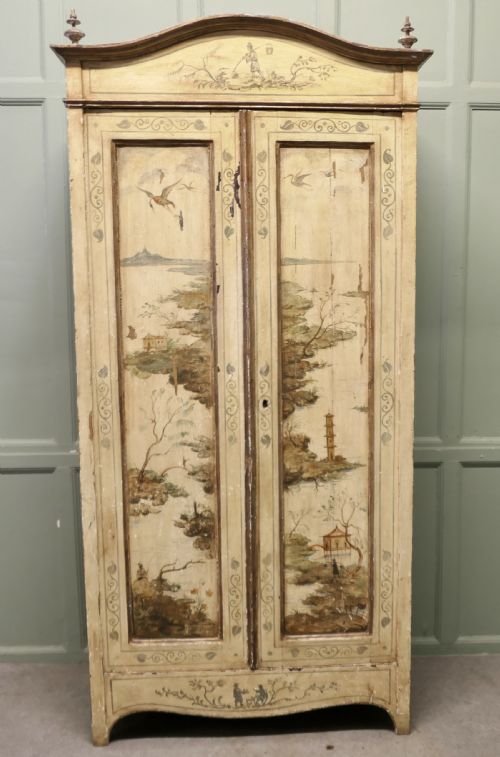
Buyers meet varied regional forms, from tall English country housekeepers' cupboards to French armoires and Scandinavian painted cabinets. Many pieces exhibit utilitarian farmhouse origins, while others display refined architectural mouldings and decorative lacquer work.
How They Were Made
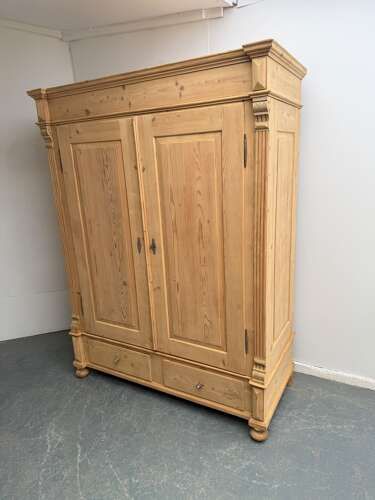
Makers constructed these carcases predominantly from solid pine, oak, ash, and elm using traditional pegged joinery and panelled doors. Larger wardrobes utilised knockdown construction methods with bolted joints to allow disassembly for transport between rooms.
Surface preparation involved layers of ground paint or lime wash before applying decorative finishes. Artisans achieved decorative variety through hand painting, Chinese lacquer, polychrome pigments, and scumble glazing that simulated grained hardwoods like oak.
Painted Linen Press Retail Price Guide 2026
Typical asking prices for painted linen press among the pieces listed under this phrase on Sellingantiques today, from the lower quarter to the upper quarter. They describe what is for sale here now, not the wider market.
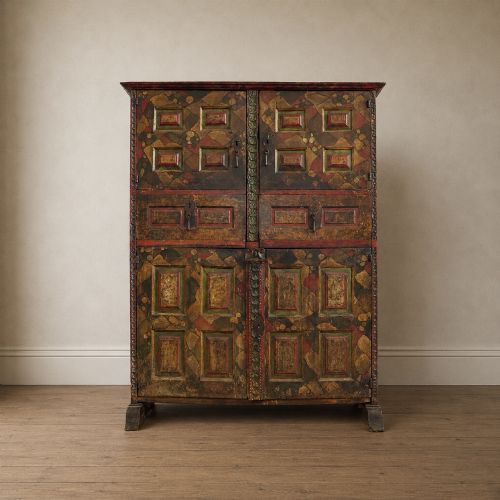
Several Irish and Spanish pine cupboards arrived bearing centuries of kitchen smoke alongside their original polychrome pigments.
What Varies In Quality
Surface integrity distinguishes surviving examples, specifically whether a piece retains its original historic paint layer or carries later overpainting. Original scumble work, polychrome decoration, and unblemished lacquer preserve the authentic character of the cabinet.
Carpentry execution determines structural grade, seen in the precision of dovetailed drawers, panel alignment, and the retention of original brass or iron hardware. Proportion and scale also separate standard utility cupboards from architecturally refined pieces.
The Painted Linen Press Glossary
- Linen press
- A tall storage cabinet traditionally fitted with internal sliding trays or shelves for storing folded household linen. Lower sections frequently incorporate deep drawers or cupboard doors.
- Scumble paint
- A decorative surface technique using translucent glazes dragged or brushed across a base coat to simulate wood grain or create mottled textures. This finish gained popularity during the nineteenth century on pine furniture.
- Compactum wardrobe
- A fitted multi-section wardrobe combining hanging space, drawers, and shelving within a single unified case. These pieces maximise internal storage efficiency.
- Polychrome
- Painted or decorated in multiple colours. The term frequently applies to continental European and Spanish vernacular cabinetry adorned with figurative or floral motifs.
- Marriage cabinet
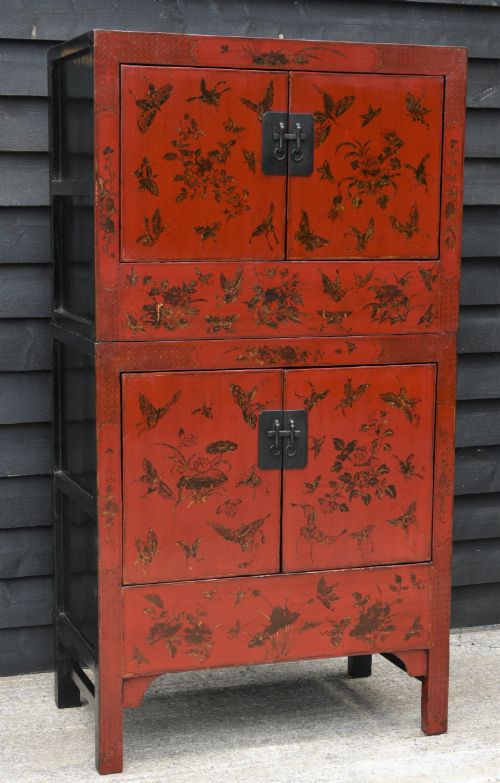
- A large ceremonial lacquer cupboard originating in China, traditionally given as a wedding gift to store valuables and garments. These pieces often feature bright red finishes and brass hardware.
Painted Linen Press: Frequently Asked Questions
How were linen presses used originally?
These cabinets served domestic households for storing newly laundered sheets, table linens, and garments before modern fitted wardrobes existed. The internal sliding trays kept folded textiles flat and accessible without creasing.
Lower drawer sections provided additional space for heavier items, blankets, and personal apparel within bedrooms and utility spaces.
How do I identify original paint?
Original painted surfaces display natural craquelure, consistent wear patterns around handles, and multiple underlying layers visible through chips. The texture typically integrates closely with the timber grain over centuries of oxidation.
Modern repainting often sits flatly on top of modern primers without the subtle colour variations and historic wear expected on period items.
What is a knockdown wardrobe?
Knockdown wardrobes utilise internal bolts, wedges, and interlocking sections that allow the entire cabinet to be disassembled into flat panels for transport. This construction method proved essential for moving massive furniture up narrow staircases in historic homes.
Many Victorian pine examples retained this modular design to facilitate delivery across country estates and townhouses.
Where were painted cupboards made?
Makers produced painted storage furniture across British rural workshops, French provincial towns, Scandinavian regions, and Italian provinces. Regional vernacular styles heavily influenced the mouldings, proportions, and colour palettes applied to the pine carcases.
Imported examples also arrived from China, bringing lacquered marriage cabinets into Western domestic interiors.