


Painted Landscape Porcelain
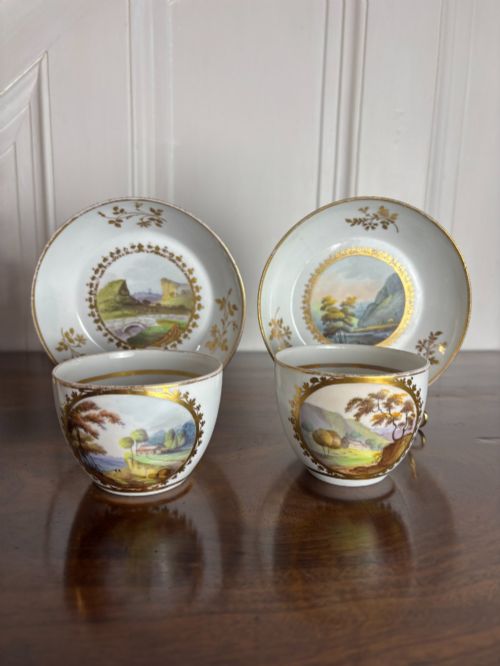
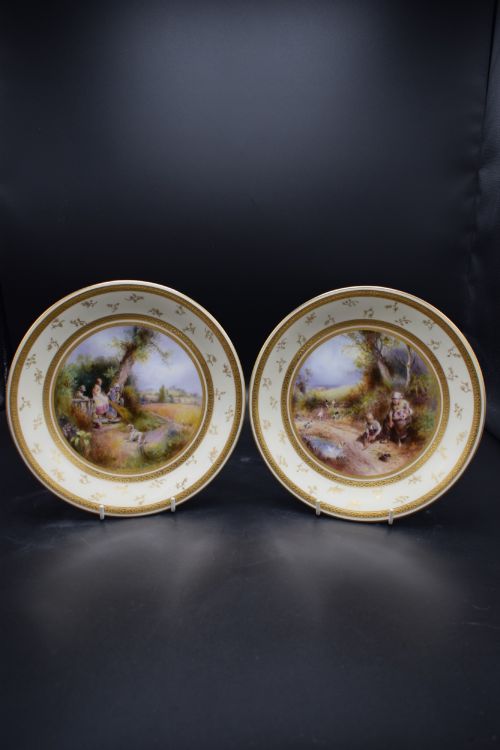
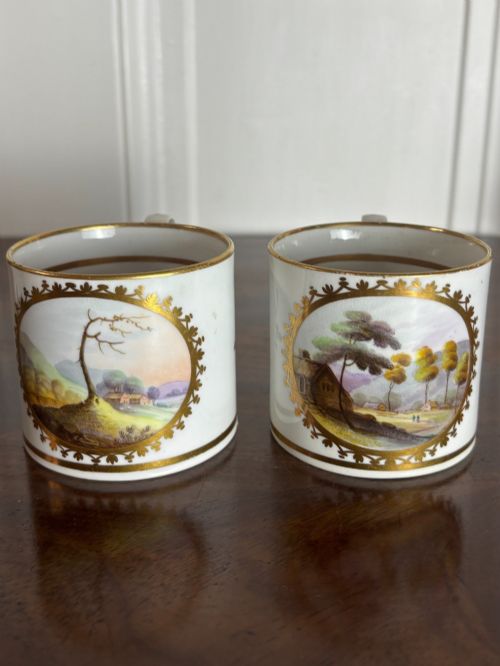
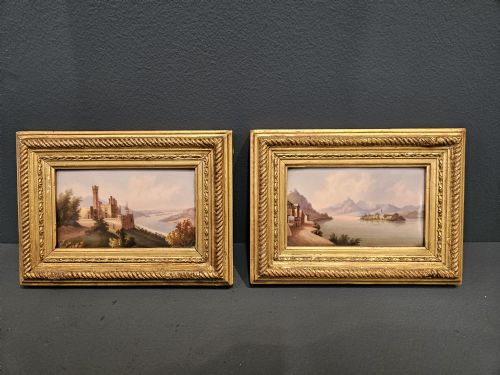
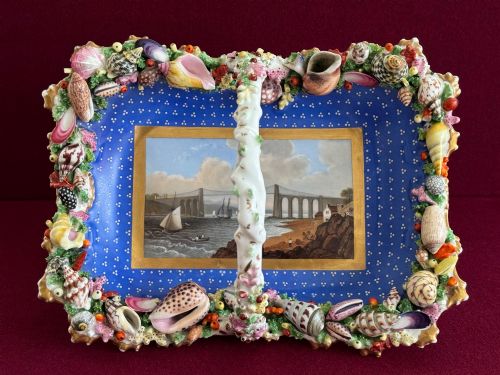
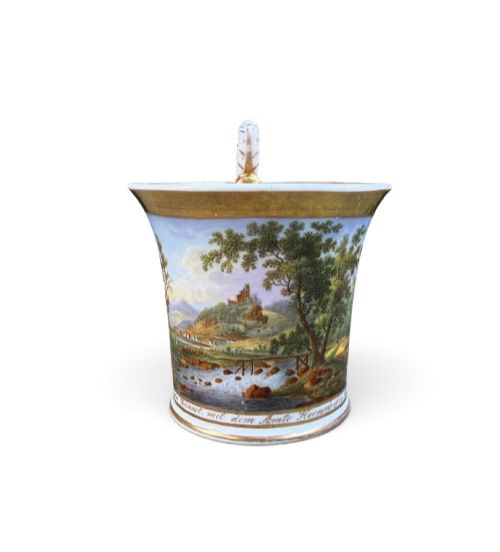
When you search for painted landscape porcelain, you are looking at ceramic vessels and tableware hand-painted with topographical scenes, country views, and lake vistas.
Painted Landscape Porcelain
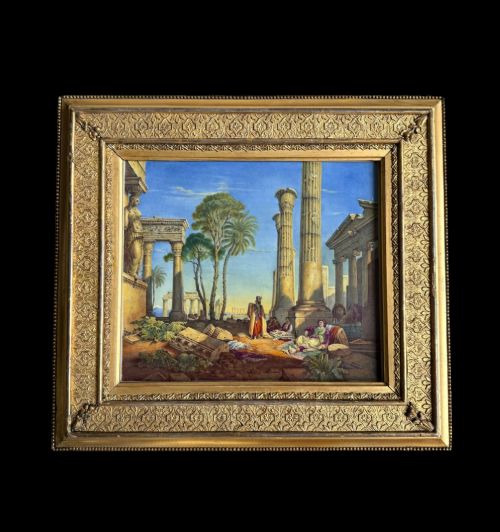
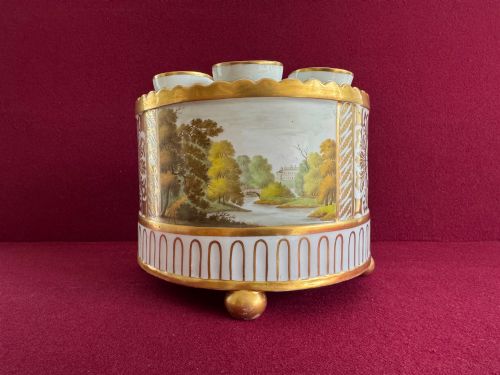
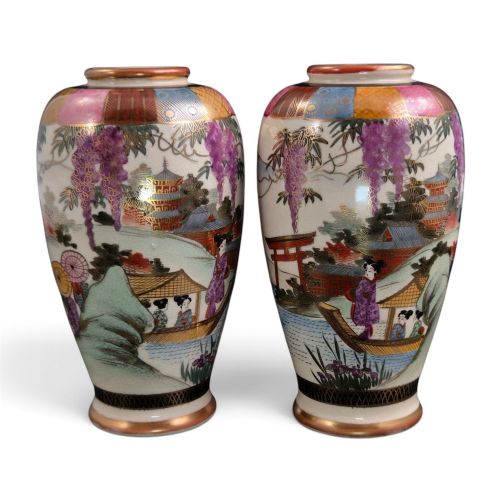
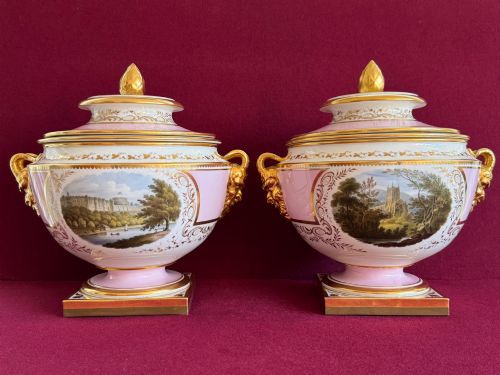
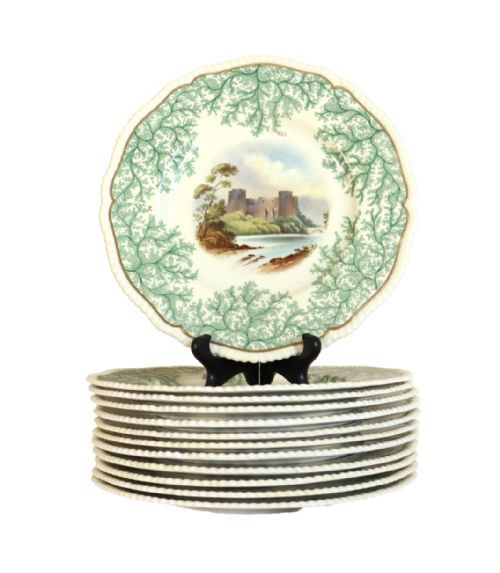
Painted landscape porcelain encompasses cabinet plates, tea wares, vases, and ice pails featuring hand-painted vistas of natural scenery, country houses, and lakes. The pieces on this page span from the eighteenth century through the Victorian era and into the early twentieth century.
You will encounter items decorated with British topographical views, Scottish scenes, and continental landscapes. Makers range from English factories like Derby, Worcester, and Minton to continental works such as Meissen, KPM Berlin, and French Parisian studios.
Forms include utilitarian tea services, cabinet cups, loving cups, and monumental vases intended for display. Many pieces record specific named views, documenting how artists and patrons viewed the countryside across different periods.
How they were made
Potters shaped bodies using porcelain, bone china, or earthenware, which were then fired in kilns before receiving painted decoration. Painters applied enamel pigments by hand, capturing fine details of trees, water, and buildings.
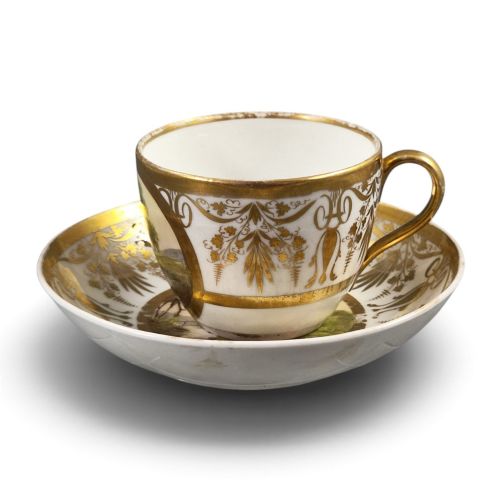
Gilding was frequently added to borders, handles, and rims using gold leaf or liquid gold, which required a secondary firing to fix the metal to the glaze. Many pieces combine these rich gilt highlights with elaborate frames around the central painted landscape view.
Painted Landscape Porcelain Retail Price Guide 2026
Typical asking prices for painted landscape porcelain among the pieces listed under this phrase on Sellingantiques today, from the lower quarter to the upper quarter. They describe what is for sale here now, not the wider market.
Several artists painted miniature cows so small they look like wandering freckles on the horizon.
What varies in quality
The standard of painting is the primary division between ordinary wares and exceptional pieces. Specialist artists working at major factories produced highly detailed, naturalistic views, whereas lesser pieces relied on simpler, repetitive factory decoration.
The clarity of the glaze, the richness of the enamel colours, and the application of gold leaf determine the overall finish. Pieces with named views and documented artist attributions generally demonstrate superior craftsmanship and artistic ambition.
Spode·KPM Berlin·Derby Porcelain·Flight and Barr·Minton·Copeland and Garrett·Aynsley·Royal Doulton·Rockingham·Coalport·Meissen·Royal Worcester
The Painted Landscape Porcelain Glossary
- Topographical
- Depicting a specific, recognisable physical location such as a named castle, lake, or town. This term distinguishes actual views from generic or imaginary pastoral scenes.
- Cabinet piece
- An ornamental ceramic object, such as a plate, cup, or vase, intended strictly for display in a cabinet rather than for daily domestic use.
- Gilding
- The application of gold leaf or gold paint to ceramic surfaces for decoration. It is often found highlighting rims, handles, and framing borders.
- Enamel
- Vitreous pigments applied over the glaze to porcelain surfaces and fired at a lower temperature to bond. Enamels provide the bright, varied palette seen in landscape painting.
- Coffee can
- A small, straight-sided cylindrical porcelain cup used for drinking coffee in the late eighteenth and early nineteenth centuries. They are frequently found paired with matching saucers.
Painted Landscape Porcelain: Frequently Asked Questions
How do I identify a named view?
Many factories inscribed the title of the landscape on the underside of the piece, often in script or red enamel. Researching these location names reveals the exact geographic inspiration for the painted scene.
Some pieces also carry pattern numbers that correspond to factory record books, linking the design to specific artists and dates.
Were these pieces used daily?
Tableware such as dinner plates and tea services were produced for dining and social rituals. However, delicate cabinet cups and decorative vases were primarily intended for display.
Heavily gilded items and pieces with intricate enamel work tended to be reserved for special occasions or formal drawing rooms.
What is the difference between hard-paste and soft-paste?
Soft-paste porcelain, common in eighteenth-century English factories, has a warmer, slightly softer glaze that absorbs certain enamels deeply. Hard-paste porcelain, developed in China and later mastered in Europe, is denser and more resilient.
Handling pieces helps reveal the subtle differences in weight, translucency, and surface texture between the two compositions.