






Painted Japanese Pottery
These painted japanese pottery pieces bring intricate Meiji and Taisho period craftsmanship into your home through finely detailed vases, bowls, and plates.
Painted Japanese Pottery
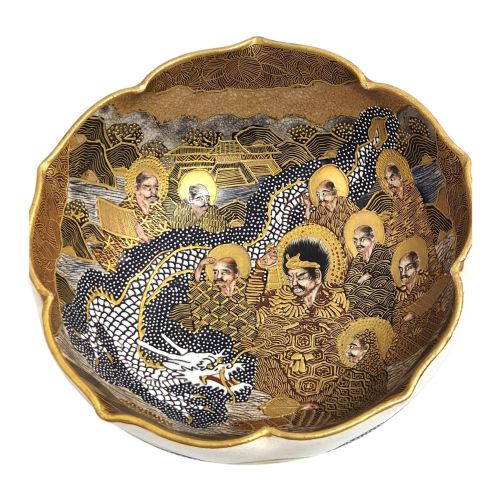
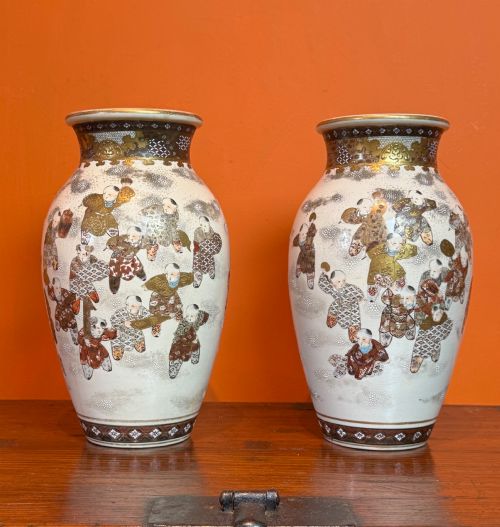
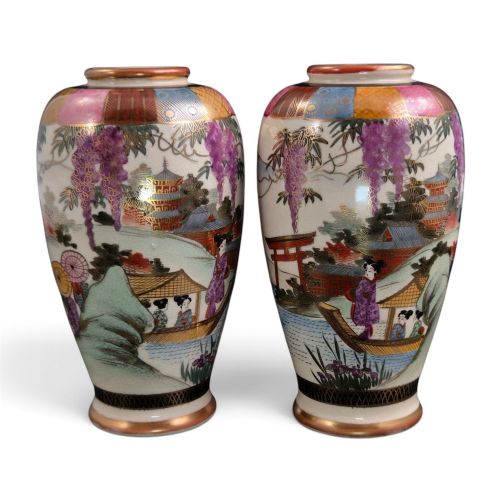
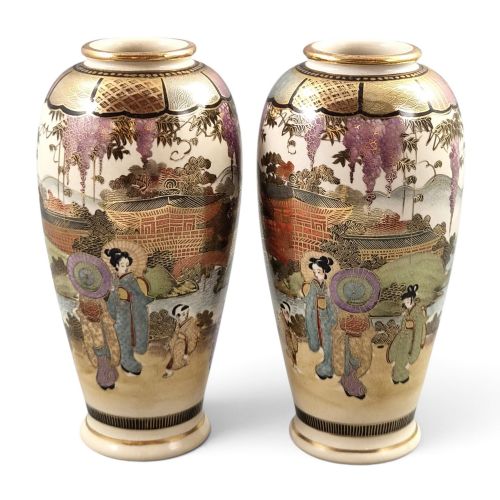
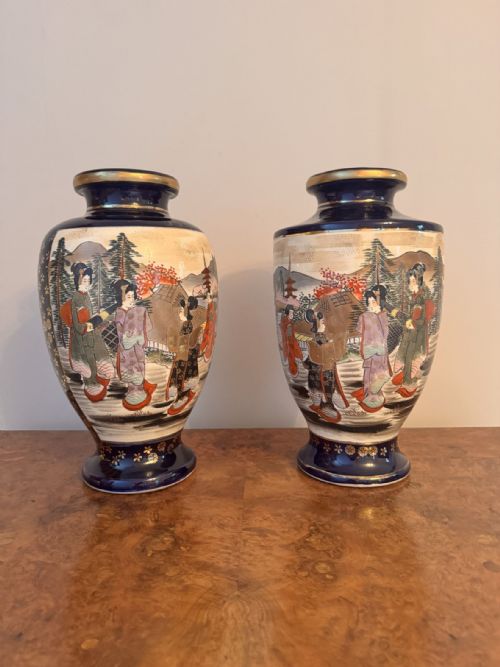
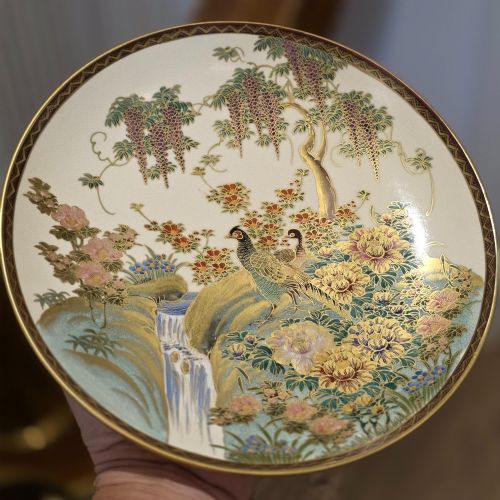
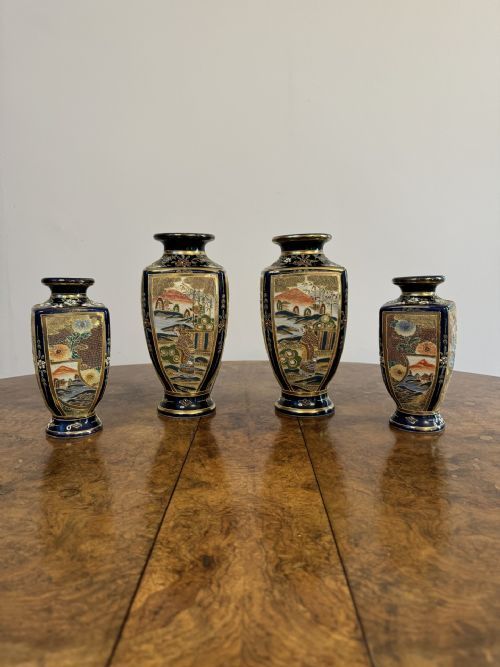
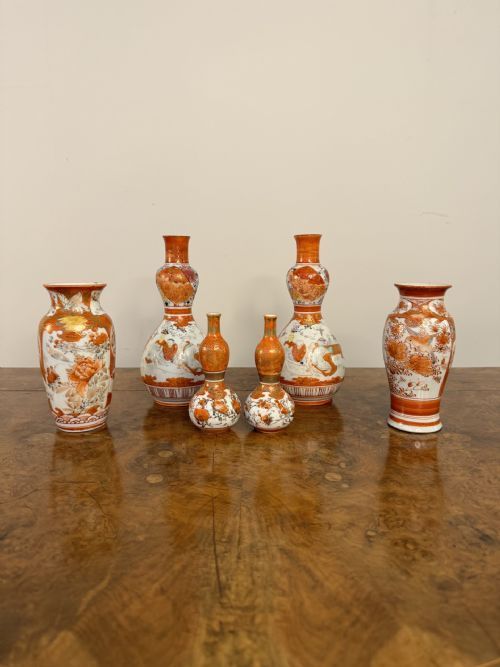
When searching for painted japanese pottery, collectors encounter a diverse selection of Satsuma earthenware, Imari porcelain, and Kutani pieces originating primarily from the nineteenth century and the early decades of the twentieth century.
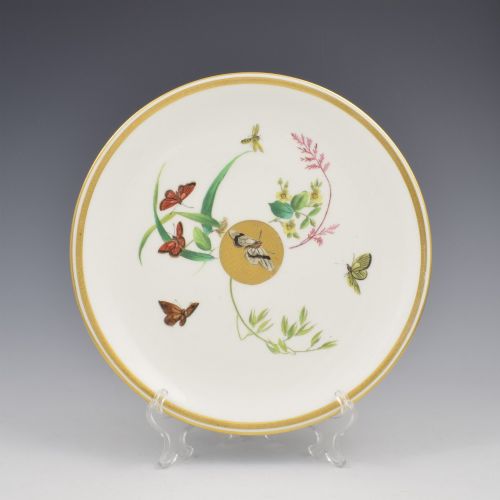
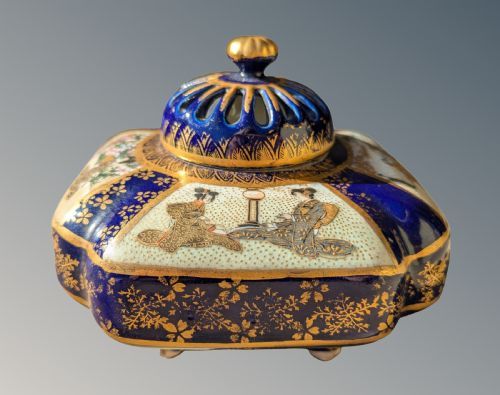
The most common items found in this category include decorative vases, tea caddies, cabinet plates, and koro incense burners, spanning periods such as the Meiji era and the Edwardian epoch.
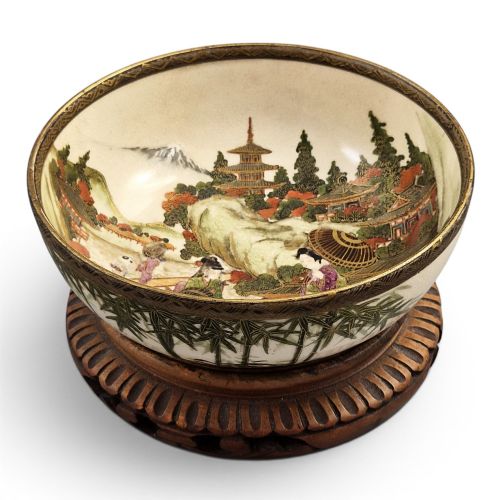
Makers from historic kilns utilised distinct regional traditions to produce vessels adorned with figures, landscapes, and floral motifs.
Materials and production methods
Potters shaped earthenwares and porcelains before applying mineral pigments, enamel, and glaze to create intricate surface designs.
Artists incorporated gold leaf and delicate gilding to highlight specific details within the painted scenes, contrasting with the underlying ceramic bodies.
Painted Japanese Pottery Retail Price Guide 2026
Typical asking prices for painted japanese pottery among the pieces listed under this phrase on Sellingantiques today, from the lower quarter to the upper quarter. They describe what is for sale here now, not the wider market.
Musical geisha girls once entertained buyers in past archives, bringing a delightful theatrical touch to the history of these ceramics.
Distinctions in quality
The fineness of the brushwork and the complexity of the painted compositions separate standard production pieces from master-signed works.
Application of gold leaf and the preservation of the enamel glaze influence the overall visual impact of each vessel.
Kinkozan·Koshida·Kozan·Shozan·Chosei·Ryuzan
The Painted Japanese Pottery Glossary
- Satsuma
- Earthenware originating from Satsuma province, typically characterised by a crackle-glaze finish and detailed polychrome enamel painting. These pieces frequently feature gilded figural scenes and floral motifs.
- Imari
- Porcelain decorated in underglaze blue and overglaze red, green, and gold, produced originally in Arita. This distinctive palette creates a vibrant contrast across plates and vases.
- Kutani
- Japanese pottery and porcelain known for its bold colour palette, heavily featuring iron red and green. These items often display pictorial designs depicting figures or natural subjects.
- Koro
- A traditional Japanese incense burner fitted with a pierced cover. These decorative vessels stand on small legs and appear frequently in Satsuma ware.
Painted Japanese Pottery: Frequently Asked Questions
What is Satsuma ware?
Satsuma ware is a type of Japanese earthenware featuring an ivory-coloured crackle glaze. Artisans decorated these pieces with intricate enamels and gold leaf.
Production flourished during the nineteenth and early twentieth centuries, creating highly collectible vases, bowls, and miniature vessels.
How do I identify Imari porcelain?
Imari porcelain is readily recognised by its characteristic palette of underglaze blue, iron red, and gilt accents. The designs often cover the entire surface with floral and geometric patterns.
Originating in the town of Arita, these export wares became immensely popular in Europe during the Meiji period.
What is a koro used for?
A koro is an incense burner designed for traditional Japanese burning of aromatic woods and resins. They feature a central bowl and a pierced lid to release fragrance.
In decorative contexts, these vessels serve as centrepieces due to their elaborate painted surfaces and sculpted legs.
How do I care for antique pottery?
Antique ceramics require gentle handling and placement away from direct sunlight to preserve delicate enamel and gilding. Dusting with a dry, soft cloth is sufficient for routine maintenance.
Avoid using liquid cleaners or submerging pieces in water, particularly older earthenwares with vulnerable crackle glazes.