


Painted Italian Side Table
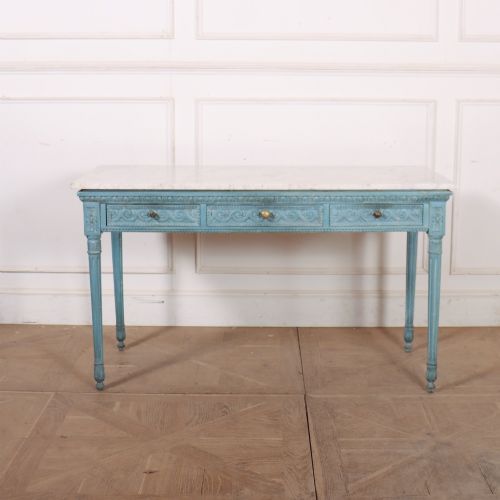
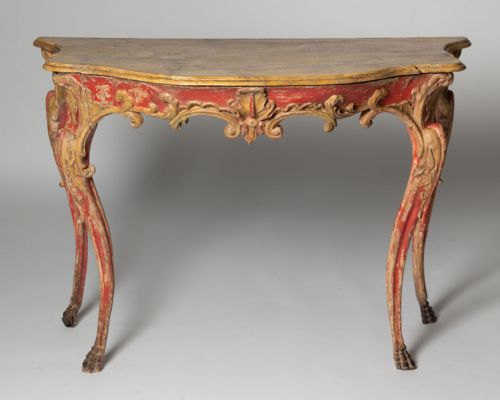
These painted Italian side table pieces bring distinct regional flair to a room, combining vibrant decorative surfaces with traditional console and occasional forms.
Painted Italian Side Table
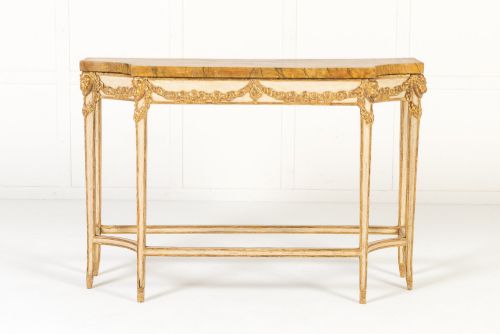
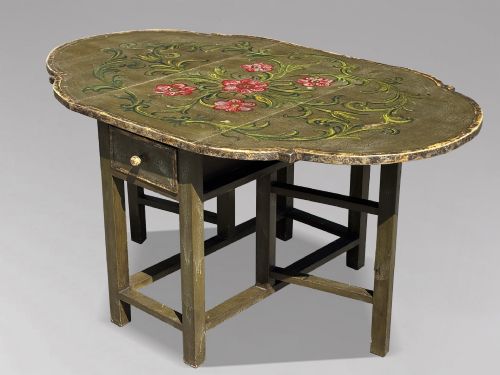
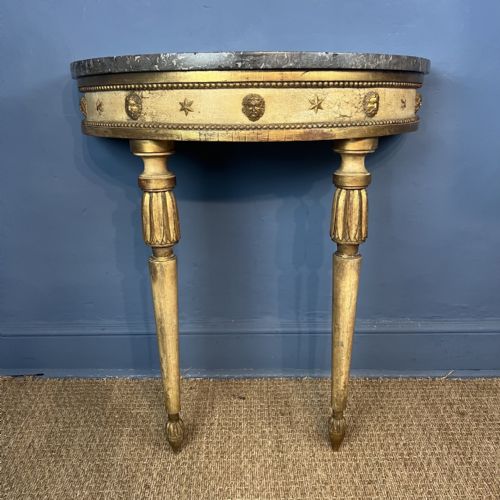
A painted Italian side table typically takes the form of a console, occasional table, or drop-leaf design originating from various historical periods including the eighteenth and nineteenth centuries. These items serve functional roles alongside decorative purposes, frequently appearing in forms such as serpentine consoles and smaller bedside or tray tables.
The selection ranges from grand eighteenth-century neo-classical console tables with faux porphyry and marble tops to early twentieth-century Venetian and Florentine pieces. Buyers encounter numerous variations featuring polychrome finishes, parcel gilt highlights, and carved wooden structures.
Regional styles heavily influence the appearance of these pieces, spanning Venetian rococo, Italian country, and folk art traditions. Such diversity ensures that a painted Italian side table can integrate into both formal reception rooms and more relaxed interiors.
Materials and Construction
Construction relies primarily on wood, utilised both as carved timber and painted wood foundations. Artisans applied gesso layers to smooth surfaces before painting and gilding, creating a stable base for detailed polychrome decoration and gold leaf application.
Surface ornamentation often incorporates hand-painted motifs executed directly onto the wood or gesso. Many examples feature inset marble or specimen marble tops, adding weight and a contrasting tactile element to the carved wooden bases.
Listings feature pieces spanning the eighteenth century through to the 1940s, encompassing marble, giltwood, gesso, and painted wood.
Judging Quality
Quality in these pieces rests upon the crispness of the original carving and the execution of the surface paint. Finer examples display meticulous brushwork, harmonious palettes of parcel gilt and polychrome, and integrated structural elements like carved dolphins or serpentine lines.
The integrity of the materials also dictates the standing of a piece, particularly the presence of genuine marble tops and original gesso layers rather than later restorations. Superior proportions and authentic period ornamentation distinguish workshop output intended for grand interiors from simpler provincial items.
Pauly et Cie
The Painted Italian Side Table Glossary
- Gesso
- A plaster mix applied to wood as a preparation for painting and gilding. This mixture creates a smooth, absorbent surface that holds fine detail.
- Faux Porphyry
- A simulated finish imitating the rich purple-red igneous rock prized in antiquity. Painters used specialised techniques to mimic the speckled mineral appearance.
- Serpentine
- A gently undulating curved line characteristic of advanced cabinet-making. This shape provides movement and fluidity to the front edge of a console table.
Painted Italian Side Table: Frequently Asked Questions
Where should I place a console table?
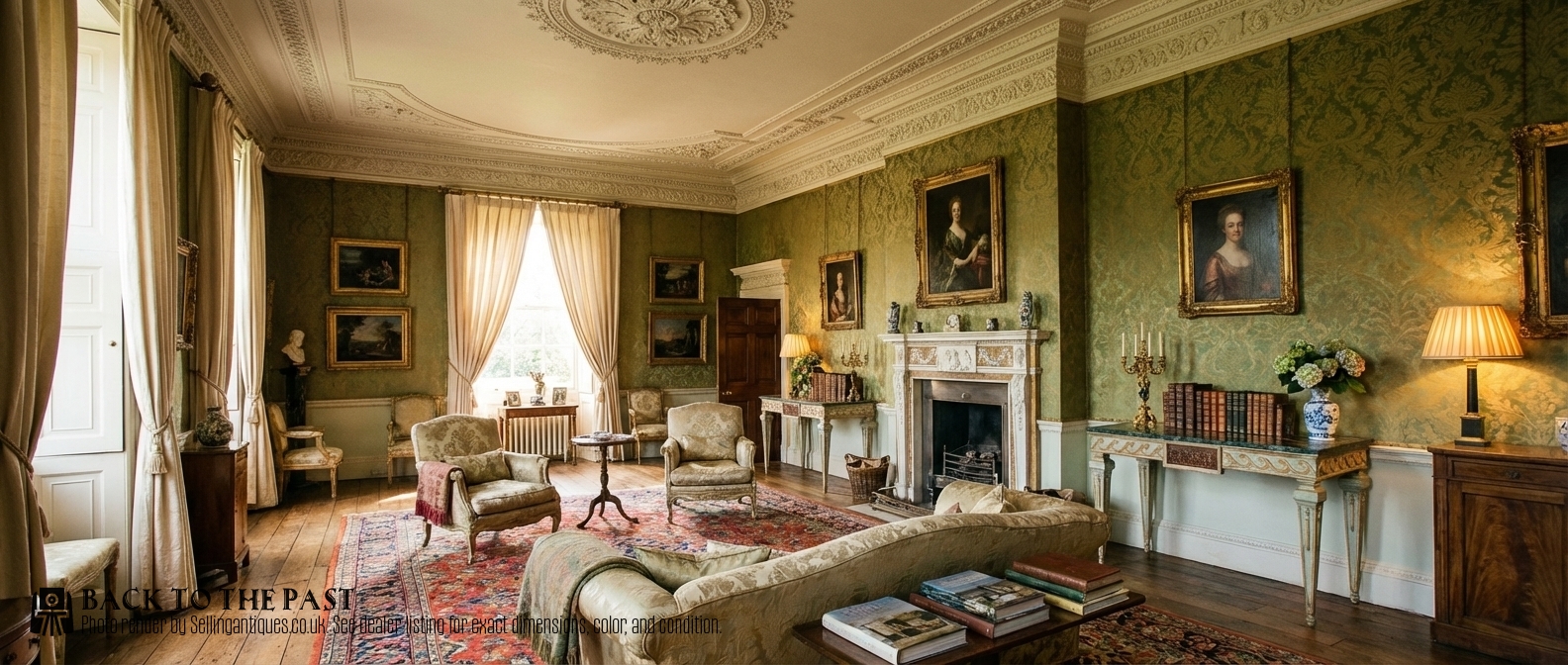
Console tables traditionally stand against flat walls in entrance halls, living rooms, or dining spaces. They provide a surface for lamps and decorative objects while maintaining a shallow depth that preserves floor space.
Pairing a console with a mirror or hanging artwork above creates a balanced focal point within a room. Their slender proportions suit transitional areas where larger furniture would obstruct movement.
How do I care for painted wooden furniture?
Maintenance requires gentle dusting with a soft, dry cloth to prevent dirt accumulation on painted and gilded surfaces. Avoid harsh chemical cleaners and excessive moisture, which can damage delicate gesso and paint layers.
Keep these items away from direct sunlight and strong heat sources to prevent the wood from warping and the paint from cracking. Placing felt pads under objects resting on the table protects the decorative top.
What defines neo-classical furniture?
Neo-classical design draws inspiration from classical Greek and Roman architecture, favouring symmetry, straight lines, and restrained ornamentation. Pieces from this movement often display balanced proportions and classical motifs rather than excessive curves.
In Italian furniture, this translates to structured console forms, architectural cornices, and refined painted panels that contrast with earlier rococo extravagance.
How can I tell an older table from a later revival piece?
Examining the construction methods, timber ageing, and the composition of the gesso and paint layers helps determine the manufacturing period. Older pieces exhibit tool marks and wear patterns consistent with historical use.
Revival pieces from the nineteenth and twentieth centuries often adopt earlier stylistic traits while utilising contemporary manufacturing techniques and hardware. Comparing specific decorative details against documented period examples clarifies the timeline.