
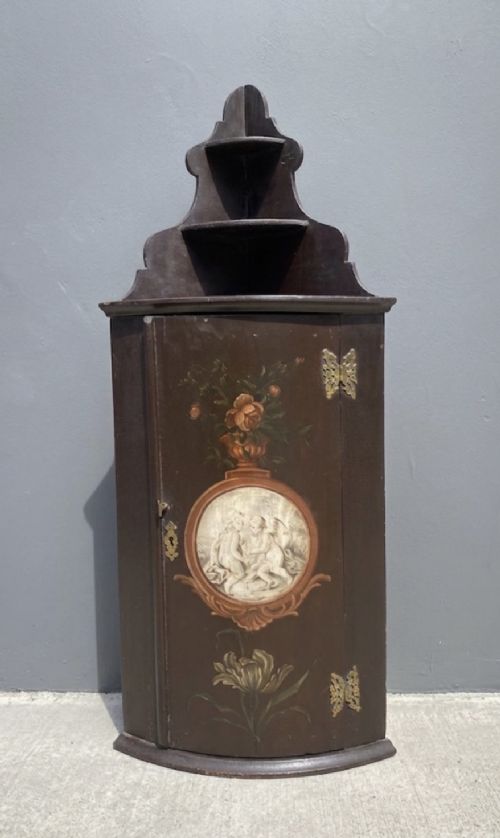


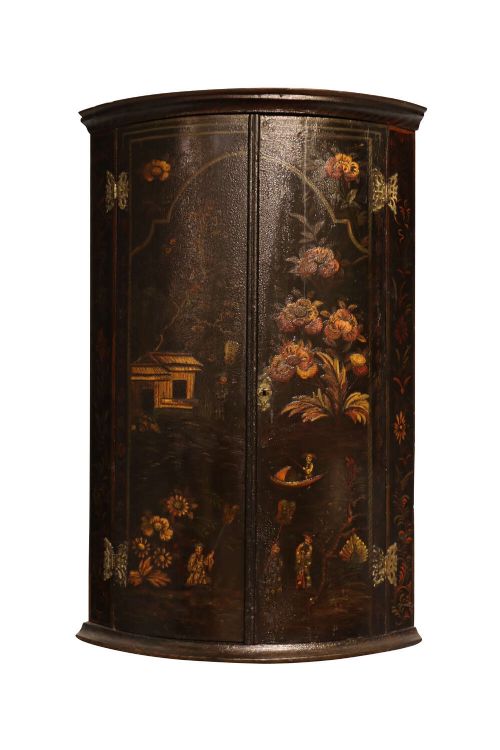


Painted Hanging Cabinet
A painted hanging cabinet brings colour and practical wall storage together, offering compact display space through centuries of traditional craftsmanship.
Painted Hanging Cabinet
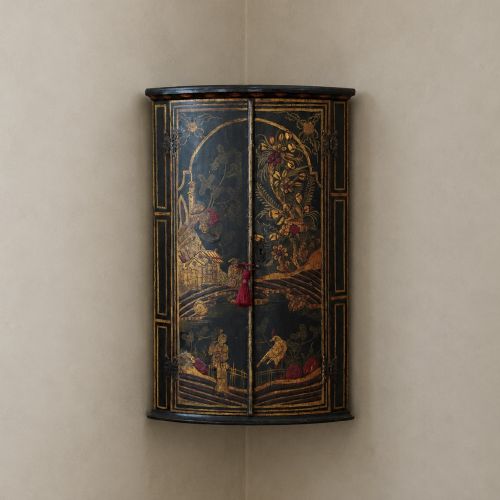
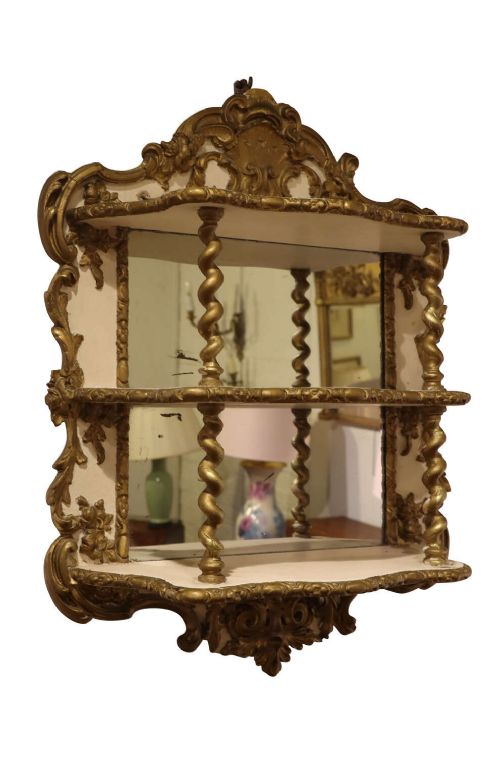
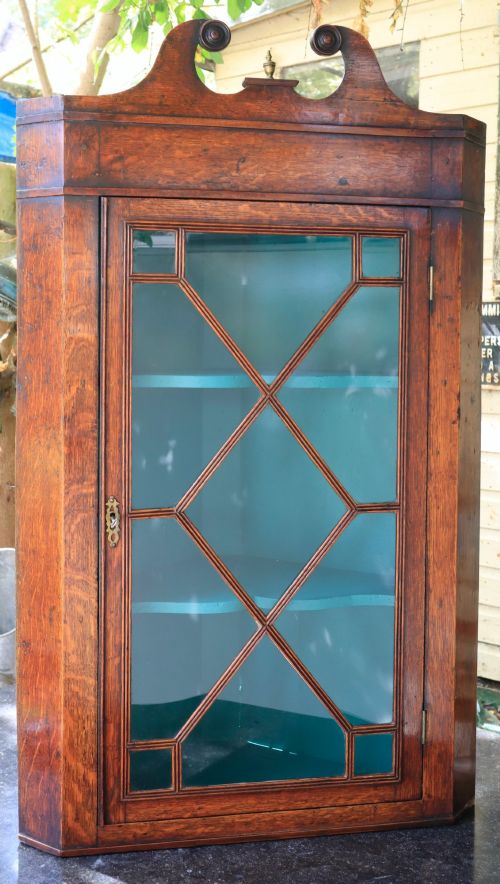
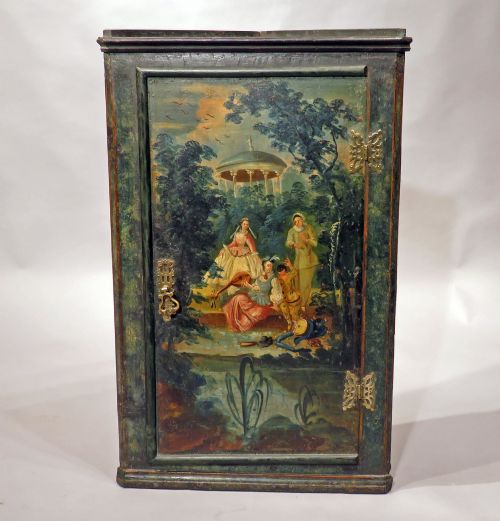
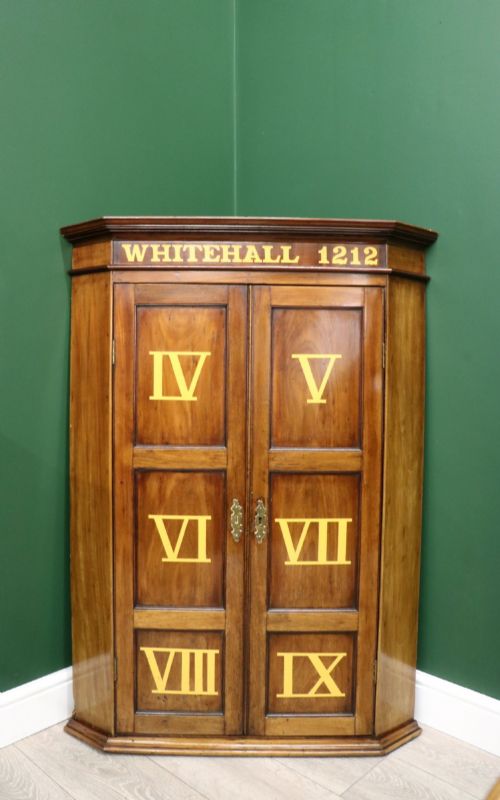
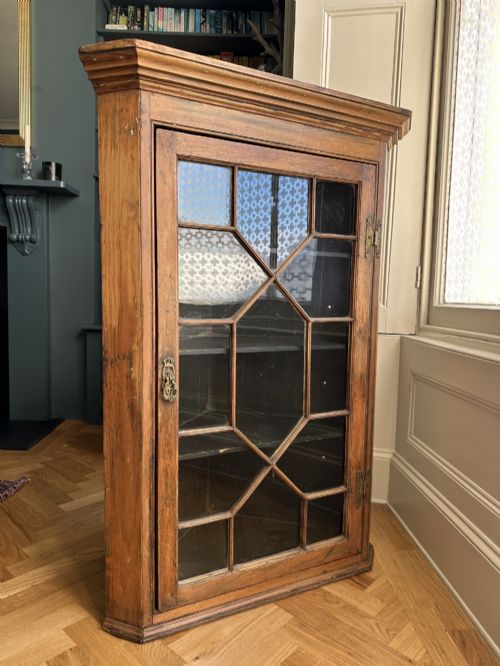
When searching for a painted hanging cabinet, buyers encounter various wall-mounted forms, most frequently corner cupboards and rectangular wall cabinets originating from the eighteenth and nineteenth centuries.
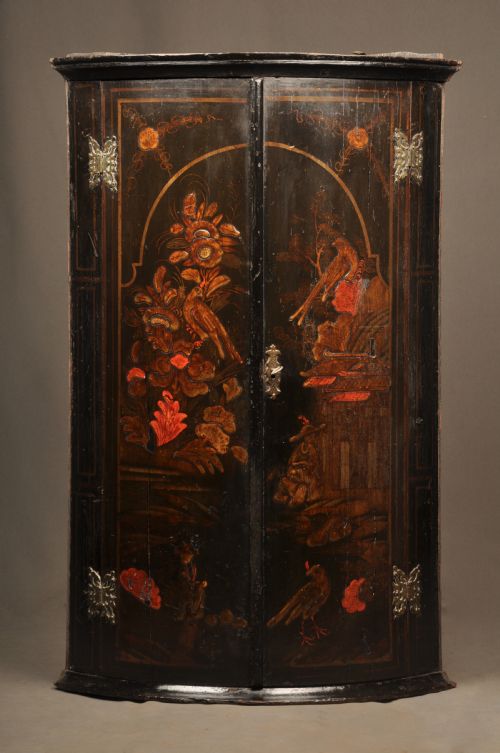
The selection ranges from simple pine country pieces from Scandinavia to sophisticated Chinoiserie and lacquer designs with detailed decoration.
These wall pieces maximise floor space while providing enclosed shelving for display, combining utilitarian storage with decorative surface treatments.
Construction and surface finish
Pine and other timbers form the structural carcasses, shaped into bow fronts, flat walls, or angled corners designed to fit tight spaces.
Surface treatments include traditional paint layers, black lacquer, faux tortoiseshell, and gilt highlights, sometimes revealing original pigments beneath later wear.
Assessing quality and preservation
The integrity of the original paint surface dictates much of the value, distinguishing untouched historical decoration from later overpainting.
Joinery methods, such as dovetailed corners and the retention of original brass or iron hardware like hinges and latches, show the standard of the maker's workshop.
William Yale·Copeland Pottery·Vienna Porcelain
The Painted Hanging Cabinet Glossary
- Japannan
- A European imitation of East Asian lacquerwork, popular in the eighteenth century for dark painted cabinets.
- Bow front
- A convex, curved front profile that softens the corners of a cabinet and adds visual depth.
- Chinoiserie
- European decorative motifs inspired by Chinese art, often featuring figures, landscapes, and gilt work on dark backgrounds.
- Étagère
- A piece of furniture with open shelves for displaying small objects, sometimes adapted for wall mounting.
- Corner cupboard
- A specialised cabinet built with a triangular footprint to fit neatly into the corner of a room.
Painted Hanging Cabinet: Frequently Asked Questions
How do I hang a heavy antique cabinet safely?
These pieces require sturdy wall fixings suited to the weight of solid timber and contents. Weight distribution across internal brackets or strong backboards ensures secure placement.
Professional installation is recommended for older cabinets, particularly those made from dense pine or oak with heavy doors.
Are painted finishes original or later additions?
Examination under natural light reveals craquelure, wear patterns, and pigment layering that help determine the age of the paint surface. Traces of earlier colours often remain beneath secondary coats.
Original painted schemes display consistent ageing matching the underlying wood construction.
Where should I place a corner cabinet?
Corner cabinets utilise unused room intersections, freeing up wall space while adding architectural interest. They work effectively in dining areas, hallways, or sitting rooms.
Matching the cabinet angle to the specific wall corner ensures a flush and secure fit.
How do I clean a painted wooden cabinet?
Dusting with a soft, dry cloth prevents particulate buildup without risking moisture damage to fragile antique pigments. Avoid abrasive cleaners or modern detergents entirely.
Preserving the dry surface texture protects the underlying decorative layers from unnecessary wear.