
Painted Glass Display Cabinet
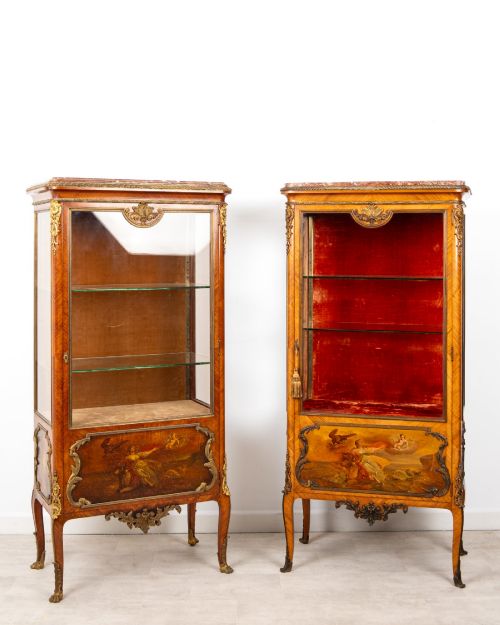
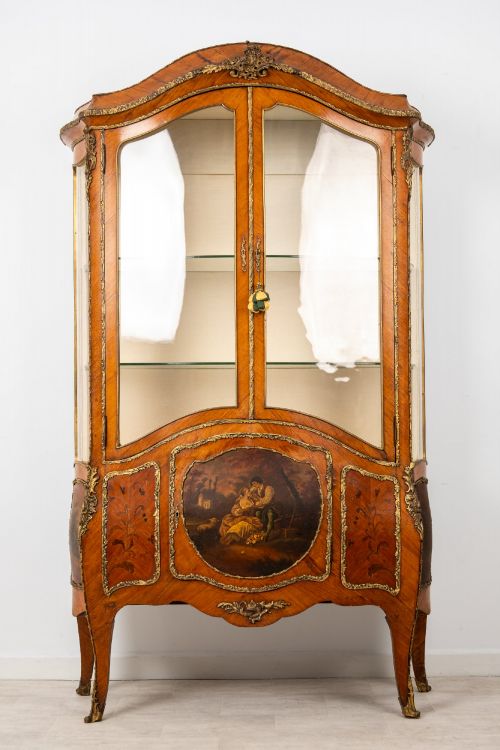
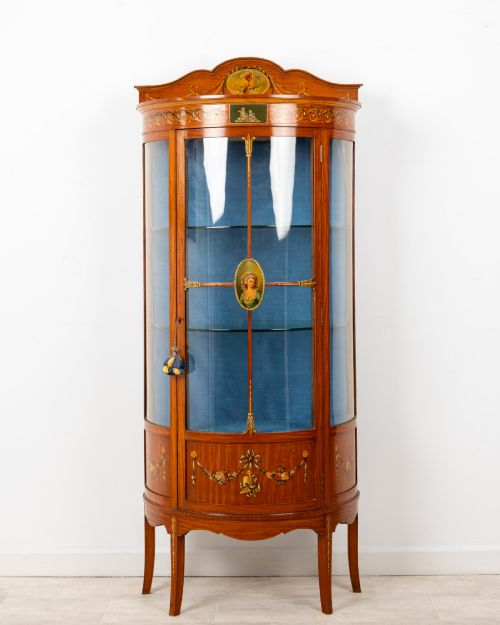
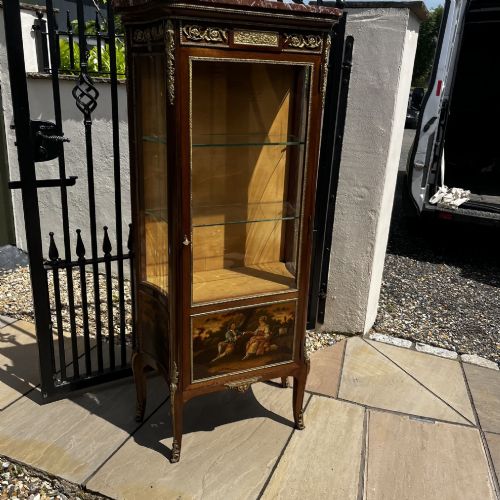
These painted glass display cabinets combine glazed viewing areas with decorative painted surfaces, offering a refined way to exhibit treasured objects.
Painted Glass Display Cabinet
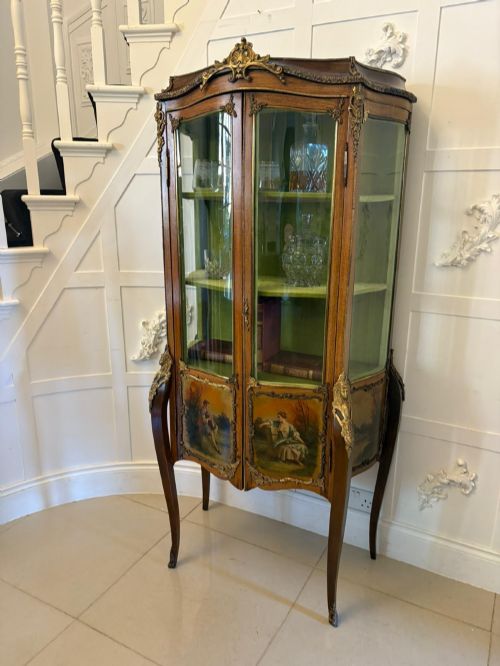
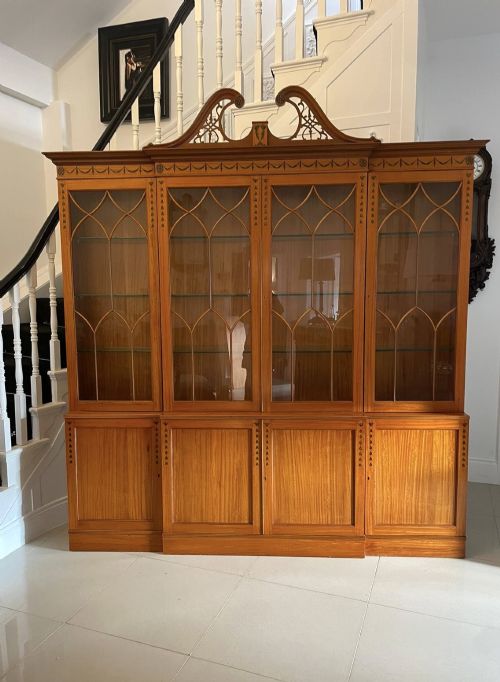
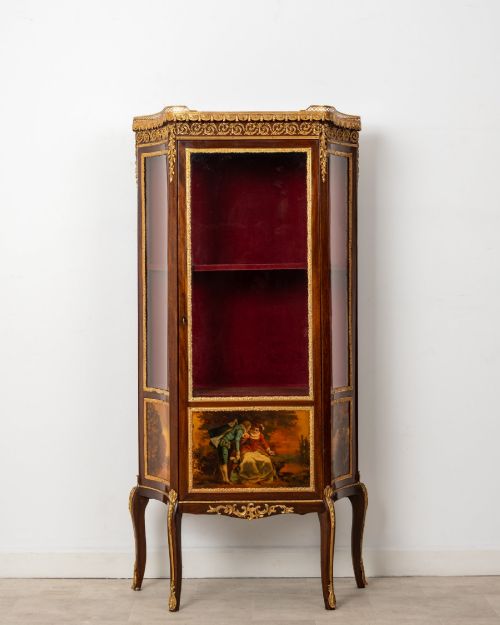
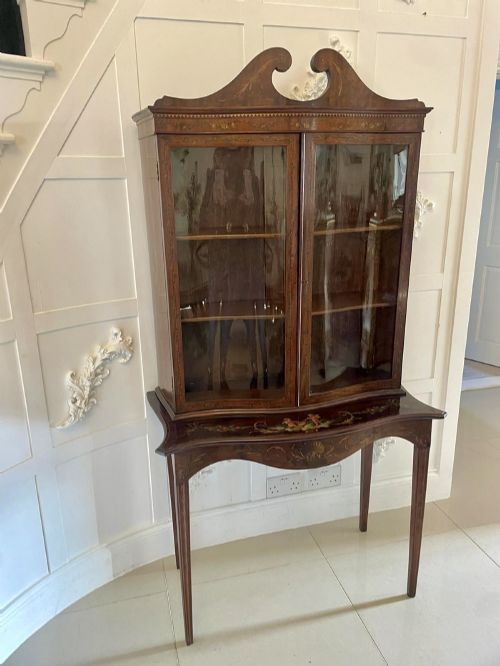
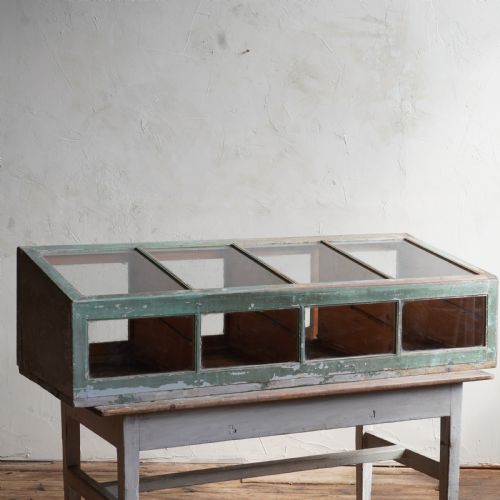
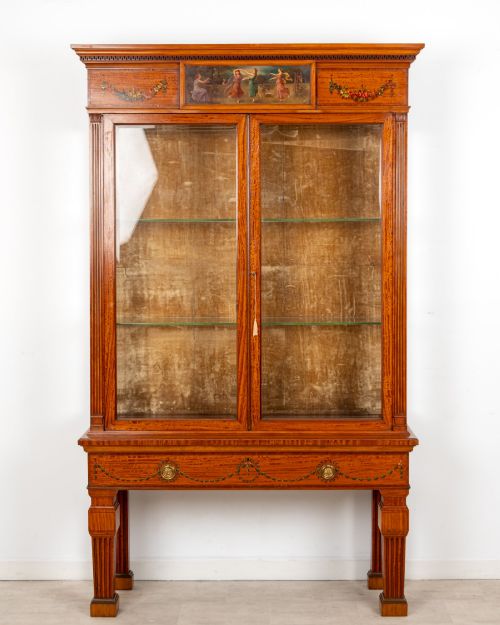
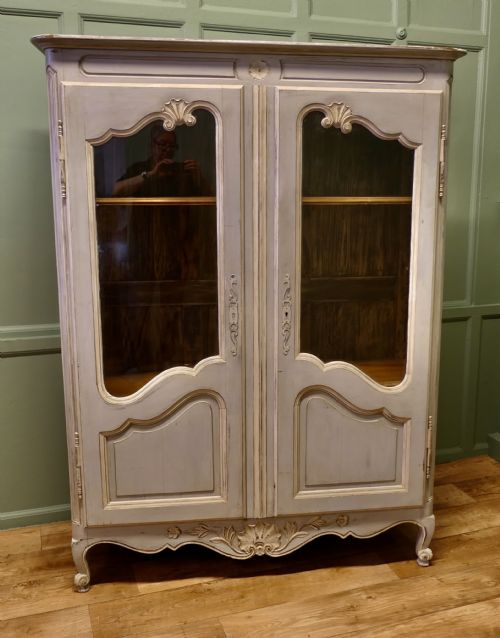
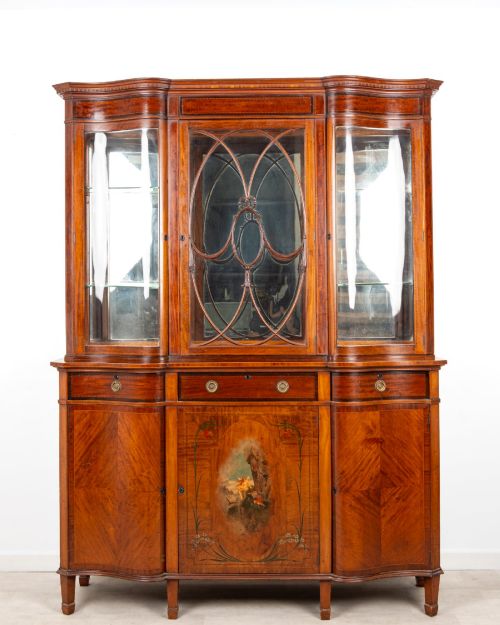
A painted glass display cabinet serves to showcase porcelain, books and decorative objects while introducing painted colour and pattern into an interior. Buyers encounter various forms on this page, ranging from freestanding French vitrines and serpentine cabinets to English breakfront bookcases and countertop pieces.
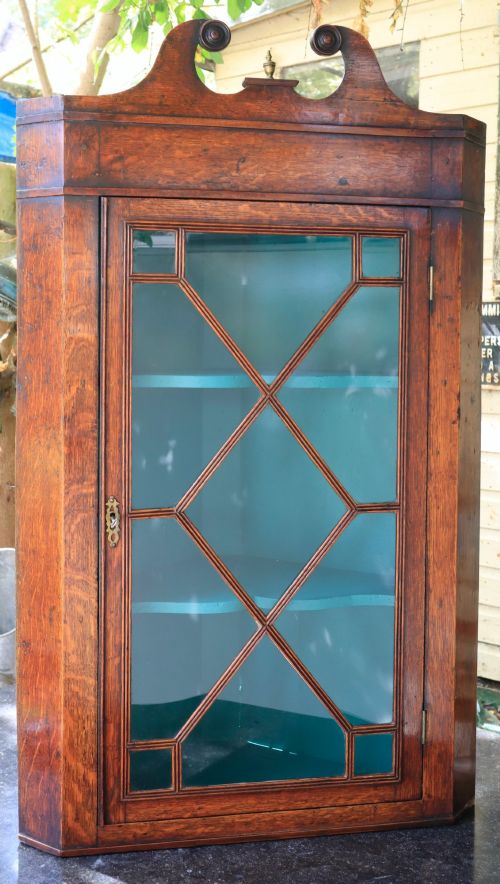
The selection draws heavily upon nineteenth-century and early twentieth-century designs, encompassing Victorian and Edwardian craftsmanship alongside Continental revivals. Pieces span standard upright cabinets, corner units, wall-hanging vitrines and smaller countertop variations.
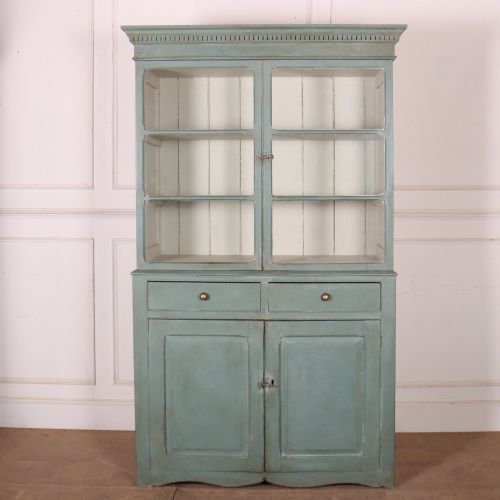
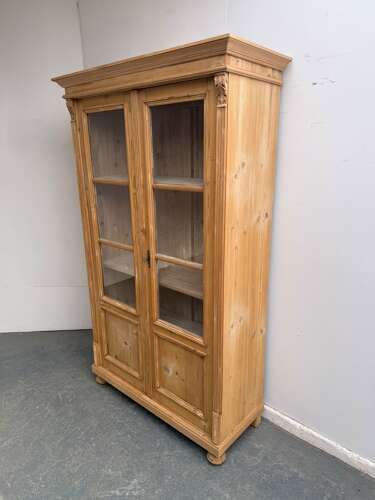
French influences dominate the formal aesthetic, particularly through Vernis Martin finishes and Louis XV or Rococo revival shapes. Alongside these ornate Continental pieces sit simpler vernacular pine kitchen and bookcase variants intended for domestic storage.
Materials and Construction
Cabinet makers utilised a foundation of hardwoods such as mahogany, kingwood and satinwood, or softer timbers like pine, depending on the intended finish. Frames often incorporate curved glass, astral glazing bars and structural brass or ormolu mounts.
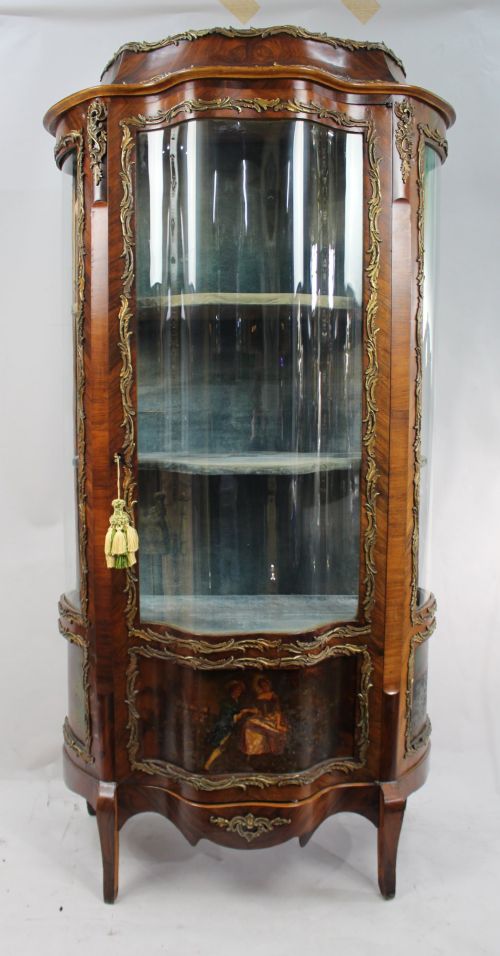
Decorative surfaces rely upon hand-applied paintwork, floral motifs and Vernis Martin lacquering techniques derived from eighteenth-century French methods. Many finer pieces include marble tops, gilt bronze accents and specialised painted panels executed in the manner of François Linke.
Design styles span French Rococo Revival, Sheraton Revival, Edwardian, and Victorian aesthetics alongside vernacular pine constructions.
Determinants of Quality
The standard of a painted glass display cabinet depends significantly on the finesse of the painted decoration and the selection of timber veneers. Cabinets bearing attribution to documented makers or workshops demonstrate superior hand-painted detail and more complex joinery, such as serpentine or bow fronts.
Hardware and mounts separate standard production from exceptional work. Gilt bronze ormolu mounts, heavy cast brass details and genuine marble tops elevate the construction, whereas simpler pine pieces rely on straightforward glazing and distressed painted finishes for their character.
Hampton and Sons·Jewell of Holborn
The Painted Glass Display Cabinet Glossary
- Vernis Martin
- A simulated Japanese lacquer finish developed in eighteenth-century France, utilised extensively on decorative furniture to produce translucent painted panels. This technique creates a rich, polished surface highly prized on revival cabinets.
- Vitrine
- A glass-fronted cabinet designed specifically for displaying porcelain, curiosities and small valuable objects. The term frequently applies to freestanding French display furniture.
- Ormolu
- Gilded bronze mounts and decorative ornaments applied to furniture framing and corners. This material adds metallic contrast to wood veneers and painted surfaces.
- Breakfront
- A cabinet design where the central section projects forward from the flanking wings. This architectural arrangement creates depth and visual interest in larger bookcases.
- Serpentine
- A furniture front characterised by a undulating line, curving outward at the centre and inward at the sides. Executing this shape requires advanced woodworking skill.
Painted Glass Display Cabinet: Frequently Asked Questions
What is a Vernis Martin finish?
Vernis Martin is a decorative lacquer technique developed in France that mimics Asian lacquer work through layered varnish and painted scenes. It provides a glossy, durable surface often seen on revival display furniture.
Cabinet makers used this finish to add pictorial panels depicting figures or floral motifs, enhancing the ornamental value of vitrines and display pieces.
How do I choose between pine and hardwood cabinets?
Hardwood cabinets featuring satinwood, mahogany or kingwood usually display formal revival styles, intricate ormolu mounts and refined painted decorations suited to drawing rooms. Pine alternatives offer a more relaxed, rustic aesthetic often finished with wax or simple paint.
Your choice depends on whether you require a formal architectural statement or a softer, country-house appearance for your living space.
What is the difference between a vitrine and a bookcase?
A vitrine is primarily built with extensive glass panels on the sides and front to maximise light exposure for fragile objects and porcelain collections. Standard glazed bookcases focus more on wooden shelving enclosed by glass doors designed to protect books.
Many antique examples blur these boundaries by incorporating adjustable book shelves behind glazed decorative doors.
How do I care for painted and gilt furniture?
Painted surfaces and delicate ormolu mounts require gentle dusting with a dry, soft cloth to prevent abrasion. Avoid liquid cleaners, silicone polishes and direct sunlight, which can damage aged varnish and painted details over time.
Maintaining a stable room temperature helps protect timber expansion and prevents stress on curved glass panels.