
Painted Fruit China Dish
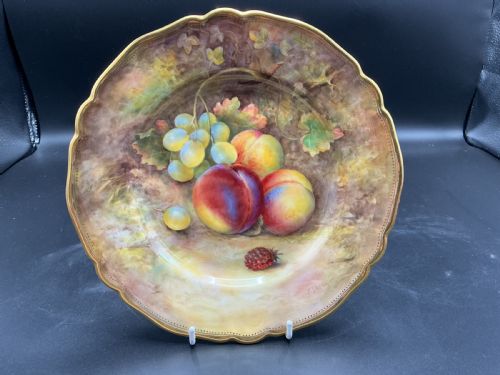
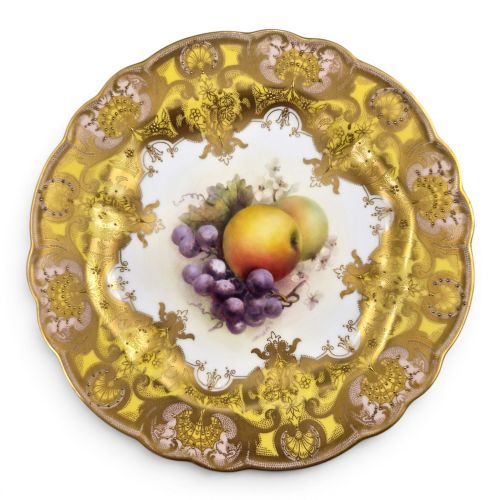
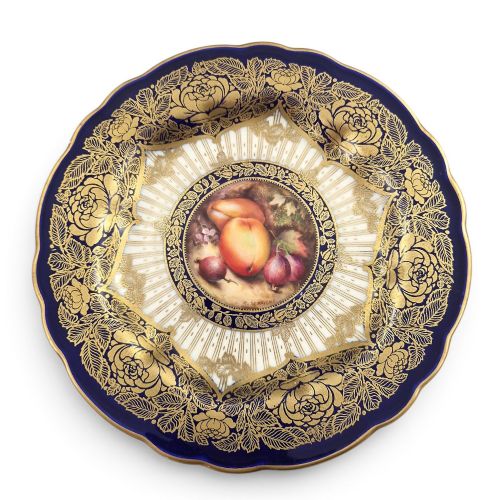
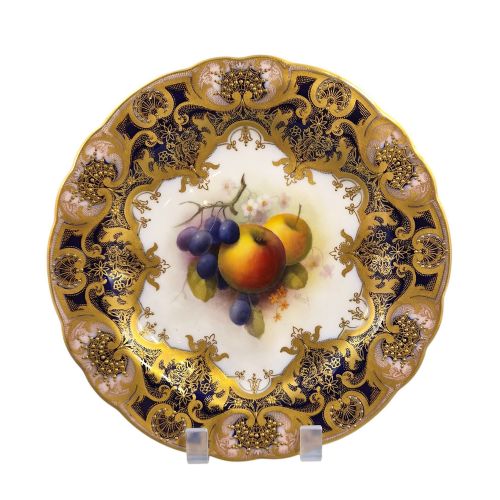
A painted fruit china dish brings rich hand-painted botanical studies to the table, offering a vibrant focal point for collectors of fine ceramics.
Painted Fruit China Dish
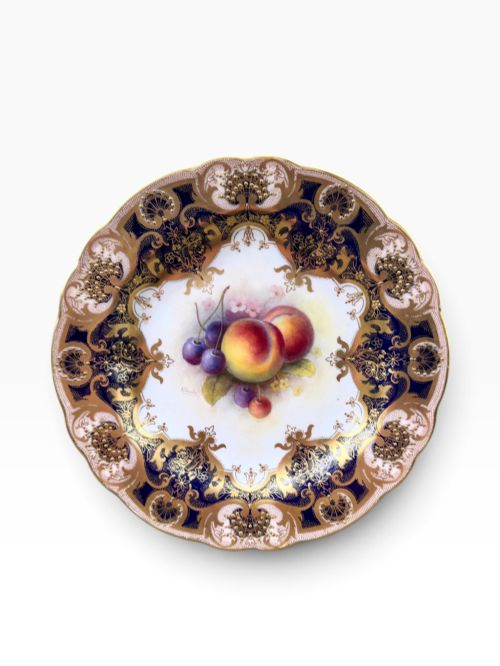
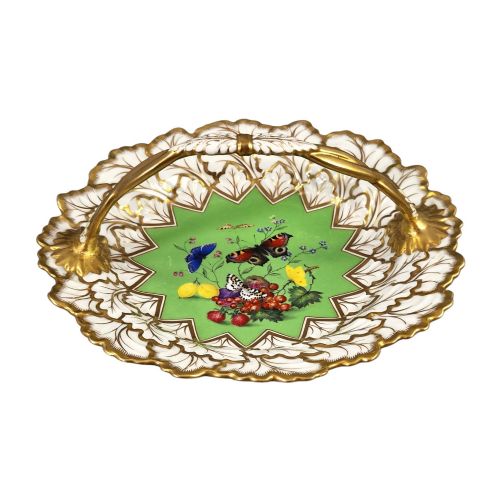
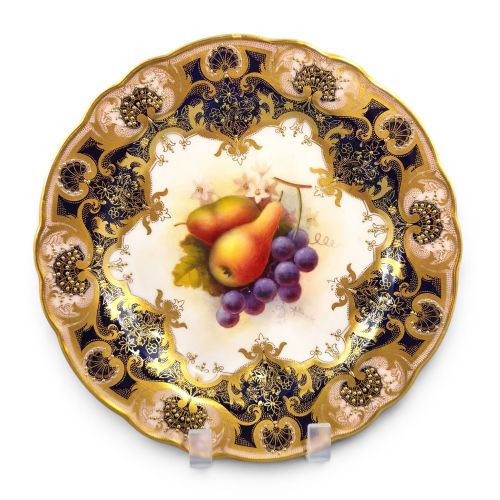
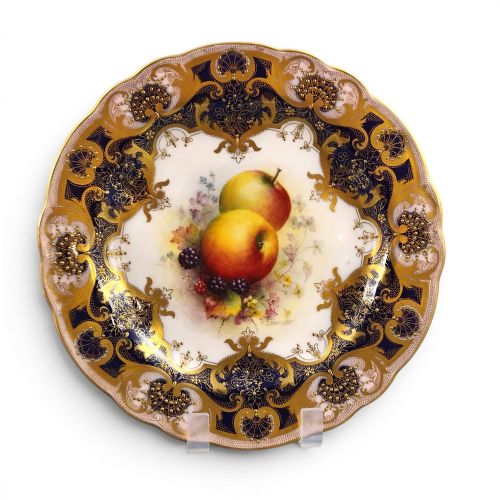
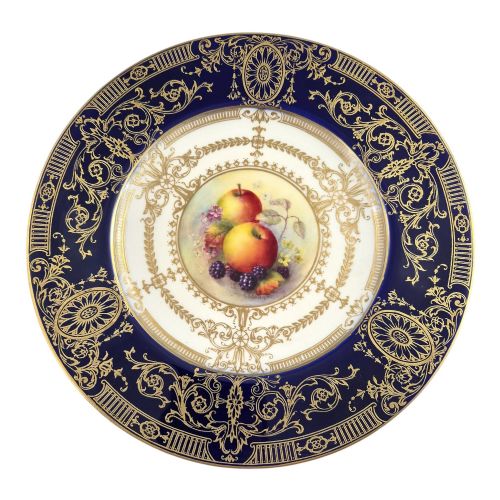
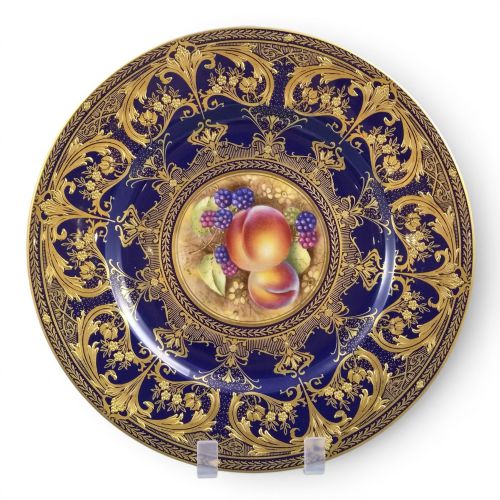
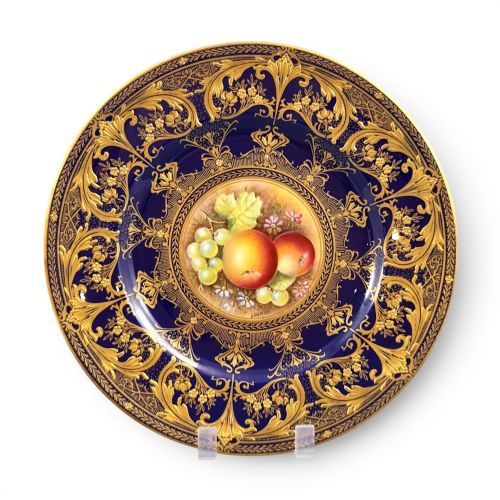
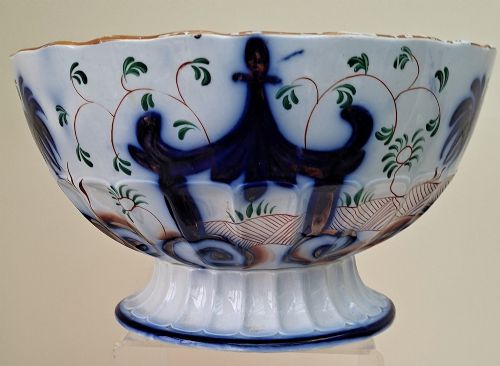
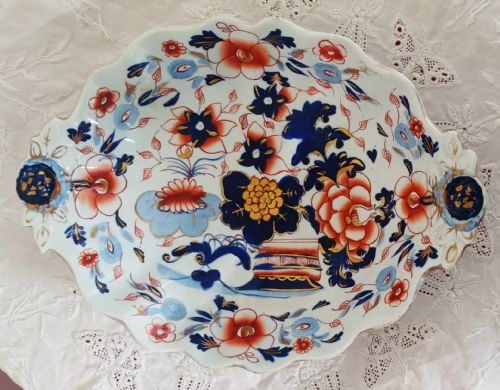
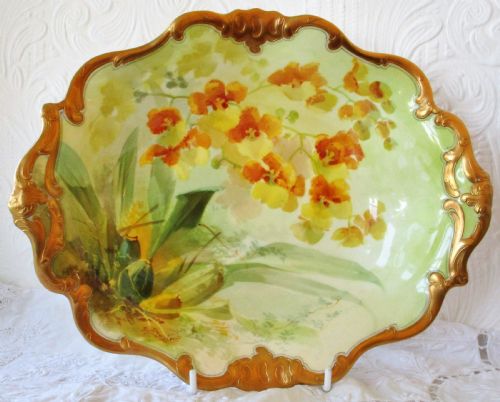
A painted fruit china dish serves as both a functional vessel and a decorative display piece, frequently taking the form of cabinet plates, comports, and serving bowls. These ceramics emerge most often from English porcelain factories operating across the Georgian, Victorian, and mid-twentieth-century periods.
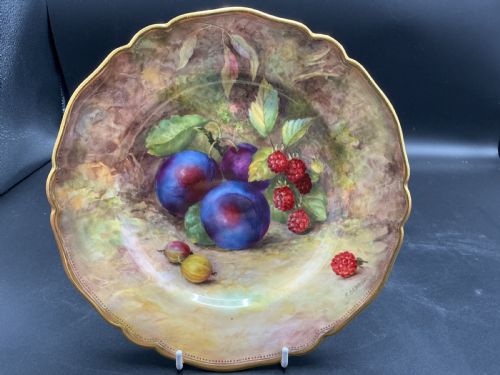
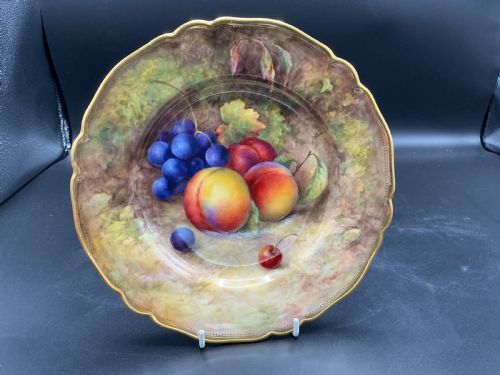
Makers focused heavily on botanical accuracy, rendering apples, pears, and berries against soft, shaded backgrounds. Buyers examining this category encounter a high proportion of twentieth-century Royal Worcester wares alongside earlier nineteenth-century porcelain and ironstone examples.
How They Were Made
Craftsmen shaped these items from fine bone china, standard porcelain, or sturdy ironstone before applying meticulous hand-painted enamel colours. Artisans often finished the rims and borders with applied gold leaf or delicate gilding to frame the central fruit motifs.
Painters signed their individual works directly onto the glaze, utilising specialised mineral pigments that survived high-temperature kilns. Factories then applied clear glazes to seal the surface, creating a durable, glossy finish designed for display.
Listings feature porcelain, bone china, ironstone, and enamel, decorated with gold leaf and gilding across multiple eras.
What Varies in Quality
The standard of a painted fruit china dish rests upon the skill of the individual artist, where named painters like Richard Sebright or Albert Shuck command particular attention for their lifelike detail. The density and preservation of the surrounding gilding also influence the overall calibre of the piece.
Compositional balance across the surface distinguishes superior items from simpler production wares. Heavier ironstone pieces offer robust utility, while fine translucent porcelain prioritises delicate visual refinement.
Royal Worcester·Flight, Barr & Barr·Royal Doulton·Meissen·Derby Porcelain·Kornilov Brothers
The Painted Fruit China Dish Glossary
- Cabinet plate
- A decorative ceramic dish intended purely for display in a cabinet rather than for dining use. These items typically feature elaborate hand-painted subjects and rich gilding.
- Comport
- A raised serving dish or pedestal bowl used for presenting fruit or dessert courses on the dining table. They frequently appear in Georgian and Victorian porcelain or ironstone.
- Bone china
- A type of soft-paste porcelain incorporating animal bone ash, resulting in a strong, highly translucent ceramic body. English potteries utilised this material extensively for fine tableware.
- Gilding
- The application of gold leaf or gold dust to ceramic surfaces, particularly along rims and handles. This technique adds a reflective border that highlights the painted centre.
Painted Fruit China Dish: Frequently Asked Questions
How do I display a cabinet plate safely?
Cabinet plates are best supported using specialised wall hangers or secure display stands designed specifically for heavy porcelain.
Keep them away from direct sunlight and high-traffic areas to protect the delicate painted surface and gold leaf borders.
Can I use these dishes for serving food?
Many older pieces, particularly ironstone comports and sturdy earthenware bowls, were originally created for functional dining use.
However, delicate antique porcelain pieces with hand-painted enamel and heavy gilding are generally reserved for display to prevent surface wear.
How do I identify the maker?
Check the underside of the ceramic for factory backstamps, impressed ciphers, or painted registration marks which often indicate the date and origin.
Many high-quality pieces also bear the signature of the individual studio artist near the edge of the fruit painting.
What is the difference between ironstone and porcelain?
Ironstone is a heavy, opaque earthenware developed to be exceptionally durable and resistant to chipping during everyday kitchen or dining use.
Porcelain contains finer clays and fluxes fired at higher temperatures, resulting in a lighter, harder, and frequently translucent material.