


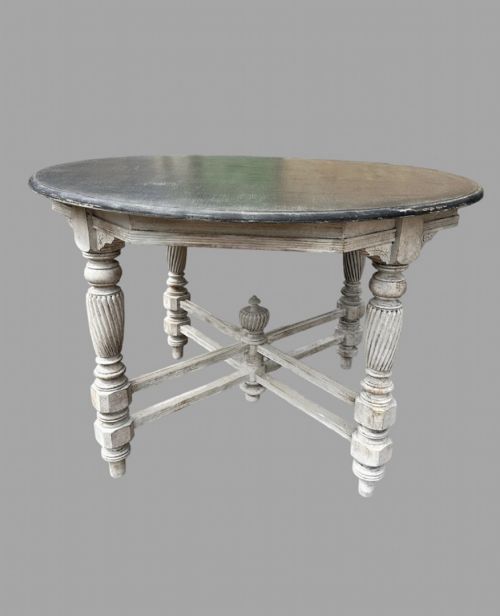
Painted French Table
A painted french table brings continental grace and functional surface area to a room through traditional finishes and decorative curves.
Painted French Table
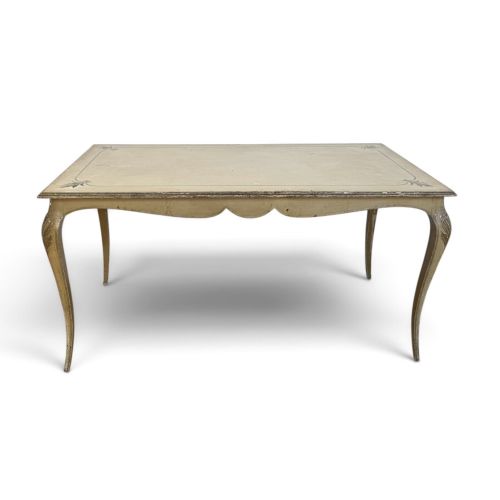
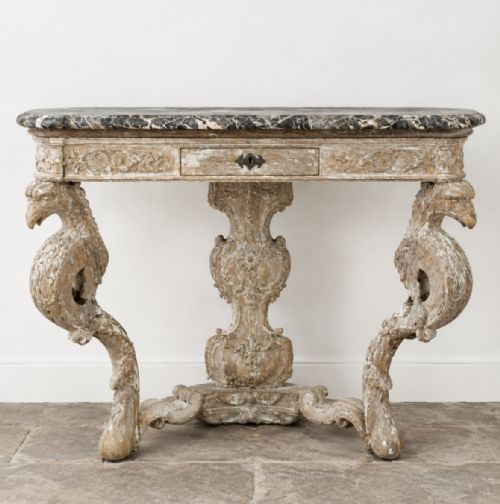
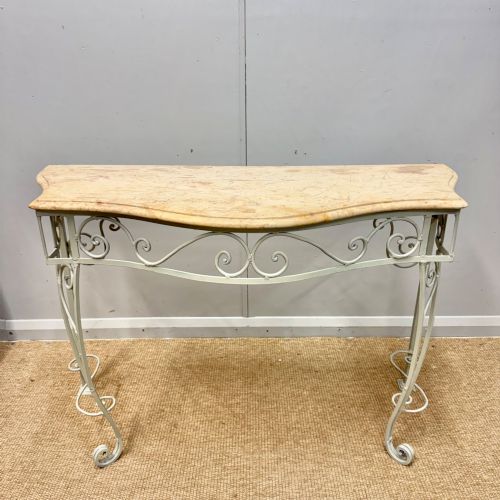
A painted french table encompasses various forms designed for different domestic uses, including console tables, side tables, bedside chests, and kitchen prep surfaces like drapers and charcuterie tables.
The pieces appearing on this page span the nineteenth century through the early twentieth century, showing influences from Louis XV and Louis XVI revivals, provincial workshops, and country aesthetics.
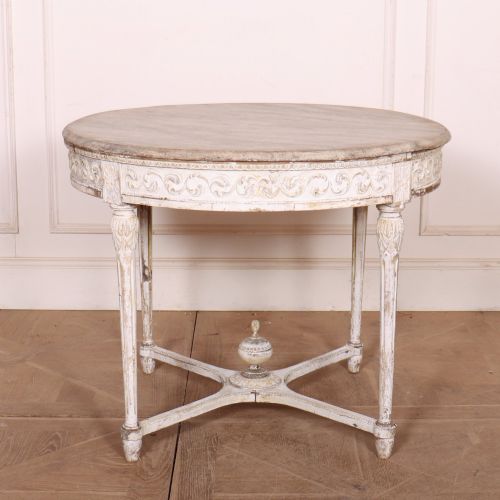
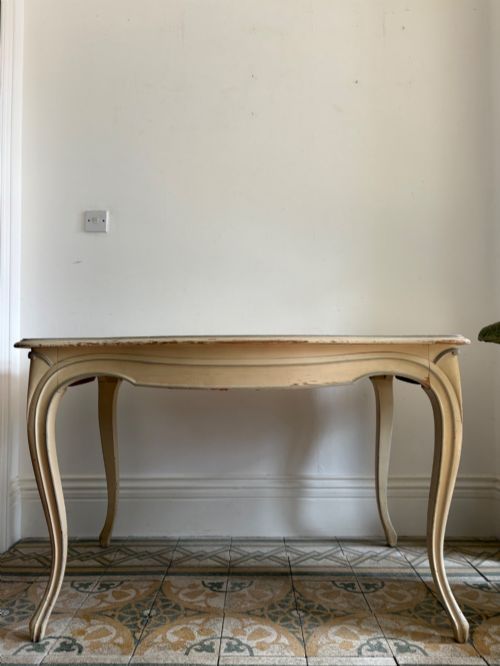
Most encounters involve pieces finished with layered paint, often showing cream, antique white, or coloured treatments applied to woods such as fruitwood, pine, walnut, and oak.
Materials and construction
Carpenters utilised solid woods including pine, fruitwood, walnut, and oak for the structural frames, often shaping cabriole legs and joining tops with traditional pegged or mortise joints.
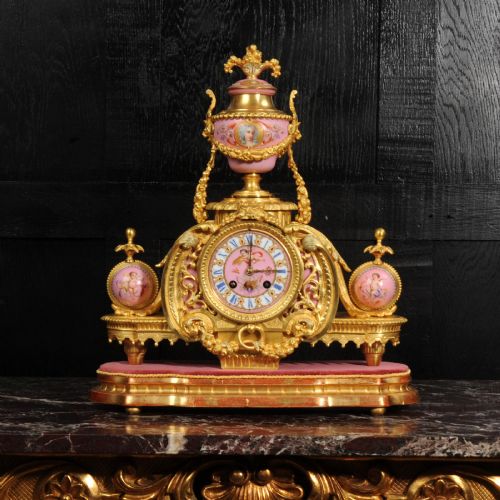
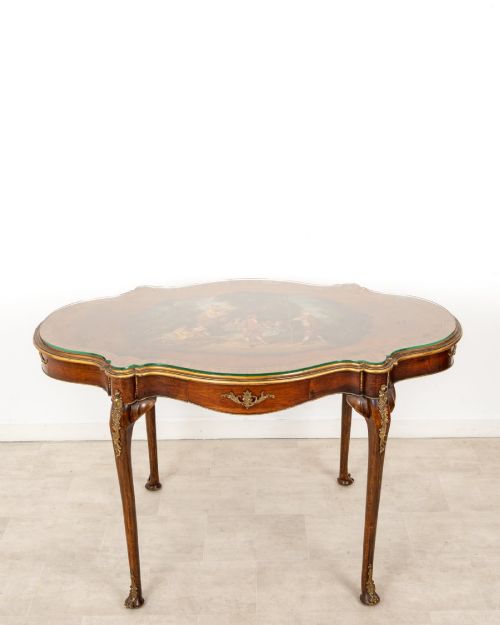
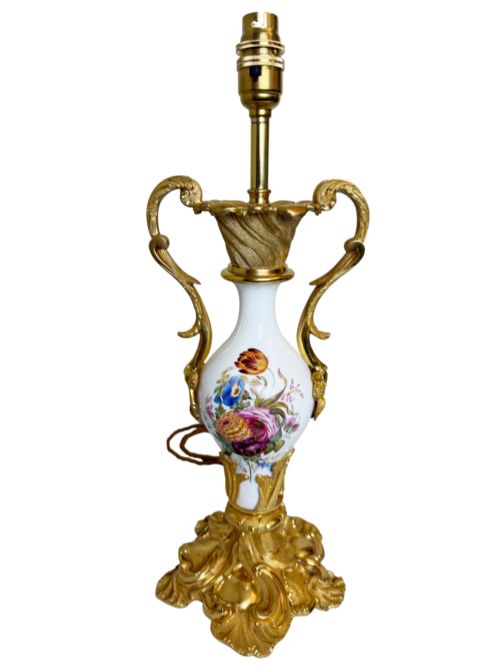
Surface decoration frequently combined applied paint finishes with decorative additions like marble tops, inset suede, or gilt bronze and ormolu mounts.
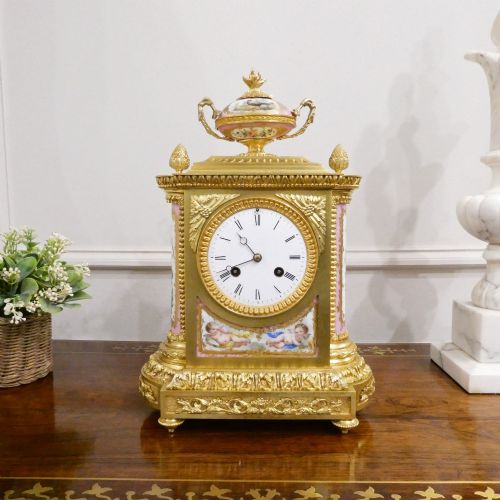
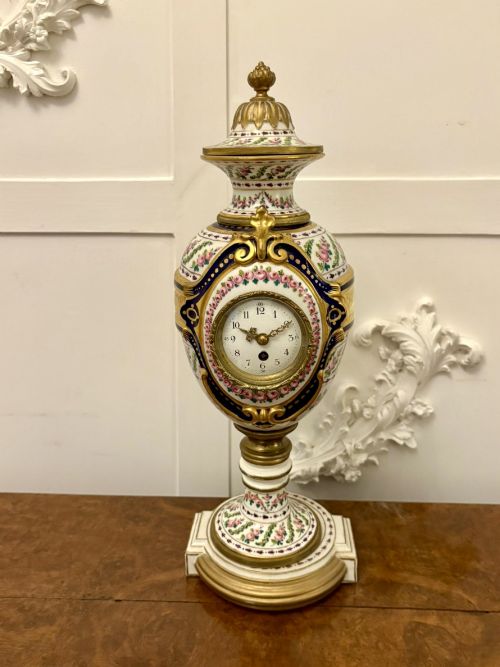
Makers integrated painted treatments with specialist decorative techniques, including Vernis Martin finishes or porcelain plaques set into the timber frames.
Listings feature pieces incorporating marble, brass, ormolu, and glass alongside painted wood frames.
What separates examples
The standard of a piece depends on the depth and handling of the surface paint, distinguishing between factory-applied finishes and hand-layered treatments that show age and subtle texture.
Hardware and secondary materials influence overall merit, noting the weight of bronze or ormolu mounts, the integrity of fitted marble slabs, and the precision of hand-carved details on the wooden frames.
Achille Brocot·L and F Moreau·Maples of London and Paris·Maison Bagues
The Painted French Table Glossary
- Cabriole leg
- A furniture leg featuring a double curve, stepping outward at the knee and tapering inward toward the foot. This shape derives from animal limbs and frequently appears on provincial and revival pieces.
- Ormolu
- Gilt bronze ornamentation applied to furniture and clocks. The technique involves a mercury amalgam applied to a bronze base.
- Vernis Martin
- A simulated Japanese lacquer technique developed in eighteenth-century France. Artisans applied multiple layers of varnish to create translucent decorative finishes.
- Console table
- A table designed to stand against a wall, sometimes secured to it with brackets. These often feature decorative legs and marble tops.
- Drapers table
- A long utility table originally used in textile shops for folding cloth. They provide generous surface areas and sturdy wooden construction.
Painted French Table: Frequently Asked Questions
How do I clean a painted finish?
Dust the surface regularly with a soft, dry cloth to prevent dirt accumulation. Avoid harsh chemical cleaners or excess moisture, which can damage aged paint.
For stubborn marks, use a slightly damp cloth with mild soap, drying the area immediately afterwards with a clean towel.
Where should I place a console table?
Console tables suit entrance hallways, living rooms, or behind sofas where surface space is useful without blocking walkways. Their shallow depth allows them to fit against walls in narrow areas.
Pairing a console table with a wall mirror or placing lamps upon it helps anchor the piece within the room layout.
Are marble tops removable?
Many marble slabs on antique tables simply rest on the wooden frame of the base by their own weight. This design allowed for easier transport of heavy furniture pieces.
Exercise caution when moving these tables by lifting the marble off first to prevent accidental slips and chips.
How do I identify provincial styles?
Provincial furniture typically displays simpler lines, less ornate carving, and sturdier proportions than court furniture. Regional makers adapted fashionable Parisian designs to suit local materials and practical domestic needs.
These pieces often utilise fruitwoods or pine and show charming regional quirks in their construction and painted finishes.