


Painted Flower Bouquet Art
Painted flower bouquet art brings together centuries of floral still life studies, offering rich oil and tempera works to brighten any room.
Painted Flower Bouquet Art
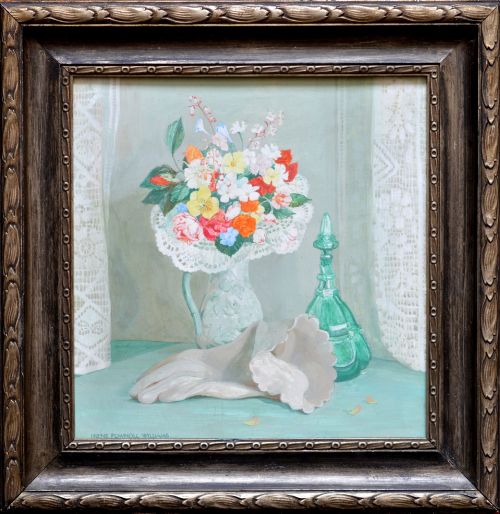
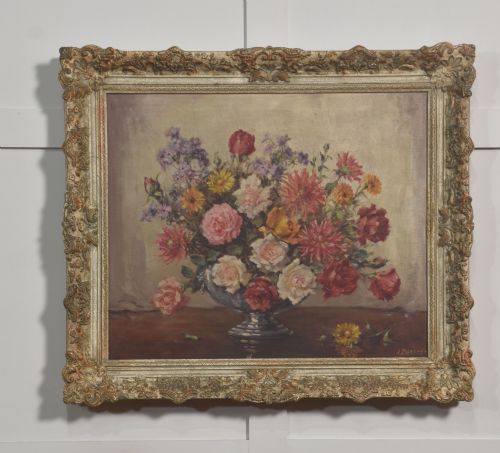
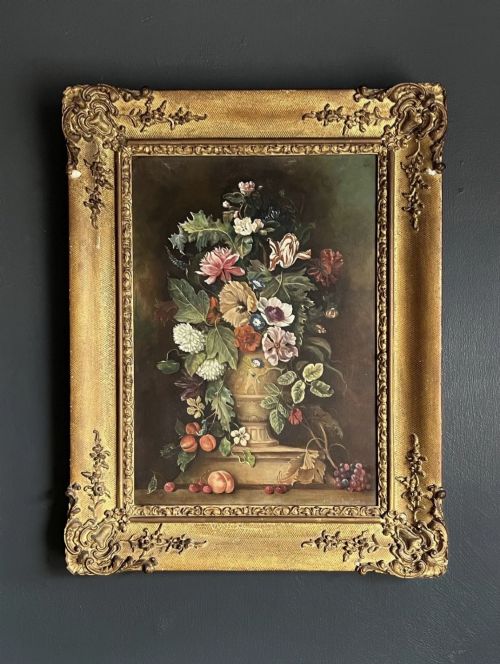
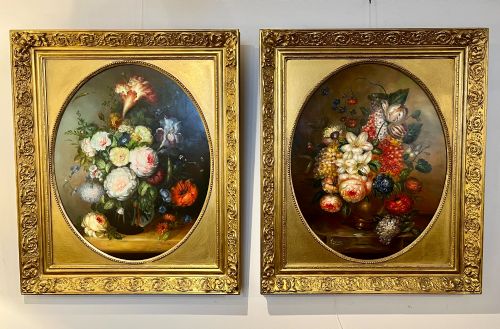
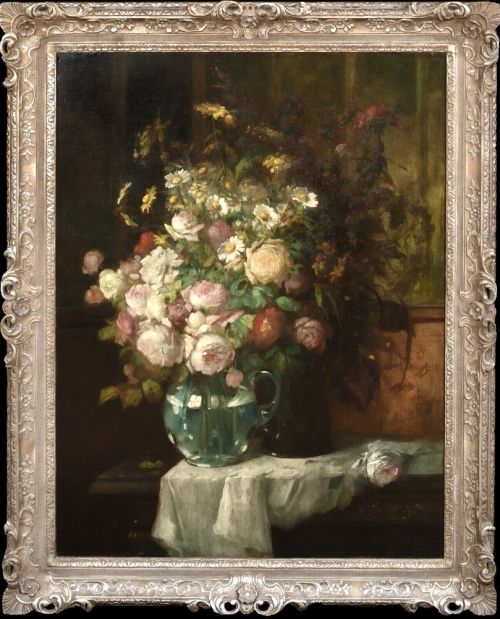
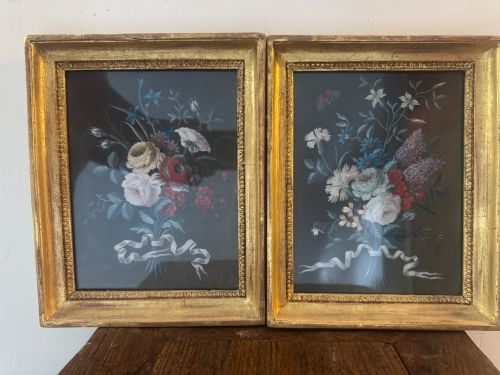
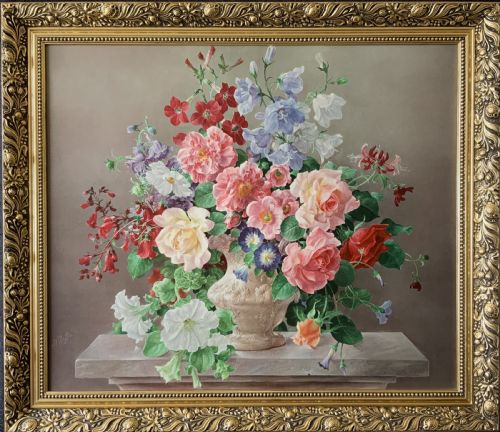
When you search for painted flower bouquet art, you encounter a diverse range of floral still life paintings spanning from around 1800 through the mid-twentieth century. The pieces you meet most frequently on this page are oil and tempera works on canvas, board, and panel, capturing arrangements of spring flowers, Dutch style bouquets, and vibrant blossoms.
These works range from nineteenth century Austrian and Swiss impressions to mid-century modern and post-war studies. You will find framed framed artwork and wall art reflecting Dutch Golden Age styles, neoclassical influences, and traditional English aesthetics.
Makers and artists represented across the centuries include named painters such as Irene Christobelle Pownoll Williams, Konstantin Stoitzner, and Stuart Armfield. Each piece records a distinct botanical arrangement preserved through oil paint, gouache, tempera, or oleograph print.
How they were made
Artists painted these floral studies using oil paint, tempera, and gouache applied to stretched canvas, wooden panels, and boards. Many works utilise impasto techniques to build texture in the petals and leaves, giving the flowers a tangible depth on the surface.
Frames play a significant role in the presentation of these pieces, particularly gilded wood and gesso frames that echo the historical styles of Dutch Golden Age and neoclassical art. Gold leaf accents often enhance the decorative weight of the surrounding woodwork.
Listings feature works executed in oil paint, tempera, gouache, and oleograph print across canvas, wood, board, and panel.
What varies in quality
The distinction between standard decorative pieces and finer works lies in the handling of brushwork, colour harmony, and the depth of the floral composition. Superior paintings demonstrate a confident control of impasto and light, capturing the subtle tonal variations within a bouquet rather than relying on flat colour fields.
The quality of the framing also differentiates the selection, with period gilt gesso frames providing an authentic complement to the artwork compared to later replacement mounts. Signed originals by listed artists carry greater artistic weight than unsigned studies or reproductive oleograph prints.
Irene Christobelle Pownoll Williams·Konstantin Stoitzner·Stuart Armfield·Terence Loudon·Freda Marston
The Painted Flower Bouquet Art Glossary
- Impasto
- Paint applied thickly to a canvas or panel, standing out in relief from the surface so that the marks of the brush or palette knife remain visible. This technique adds tactile dimension to floral petals.
- Tempera
- A permanent, fast-drying painting medium consisting of coloured pigment mixed with a water-binder such as egg yolk. It produces a matte surface prized for fine detail.
- Gesso
- A paint mixture consisting of a neutral binder mixed with chalk, gypsum, and pigment, used to prepare wood panels and canvas for painting or to build up decorative mouldings on frames.
- Oleograph
- A mechanical colour lithograph printed on textured canvas to simulate an oil painting. These prints replicate the visual appearance of traditional brushwork.
- Still life
- A work of art depicting mostly inanimate subject matter, typically commonplace objects which may be either natural or man-made, including cut flowers in vases.
Painted Flower Bouquet Art: Frequently Asked Questions
What periods do these paintings come from?
The selection spans from around 1800 through the nineteenth century and into the mid-twentieth century, including works from the 1920s, 1930s, 1950s, and 1960s.
You will find nineteenth century European impressionism alongside post-war vintage studies and mid-century modern interpretations of traditional floral subjects.
Are all the artworks painted in oil?
While oil on canvas or board is the most common medium, the selection also includes tempera paintings on panel and gouache on paper.
There are also print formats such as vintage oleograph prints that reproduce traditional still life compositions.
How should I hang and display them?
Most pieces come ready to hang within their original or period-appropriate frames, often featuring gilded gesso or wood constructions.
Ensure they are placed away from direct sunlight and excessive moisture to protect the oil paint, tempera, and wooden panels over time.
How do I identify Dutch style pieces?
Dutch style floral still lifes draw inspiration from the Dutch Golden Age, typically featuring dark backgrounds and rich arrangements of spring or summer flowers.
These compositions often mimic the dramatic lighting and detailed botanical accuracy found in historical seventeenth century Dutch masterpieces.