


Painted Floral Wall Cabinet
These painted floral wall cabinet selections bring together decorative ceramics and display pieces spanning several centuries.
Painted Floral Wall Cabinet
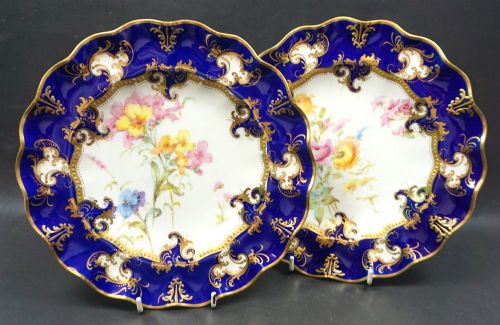
When buyers search for a painted floral wall cabinet, they encounter a selection dominated by decorative plates, cabinet plates, and wall-hanging display furniture dating from the eighteenth century to the mid twentieth century. The inventory includes porcelain and ceramic plates alongside satinwood wall cabinets and carved wooden doors.
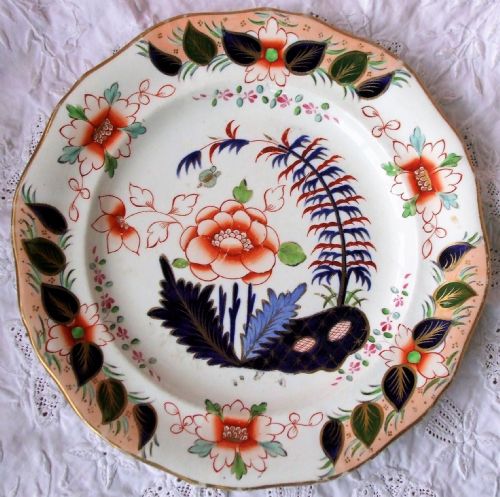
The ceramic selections represent notable periods such as the Georgian, Victorian, and Edwardian eras, alongside Japanese Imari wares and French porcelain. Pieces range from Copeland armorial wares and Minton dessert plates to Royal Crown Derby and Royal Worcester floral plates.
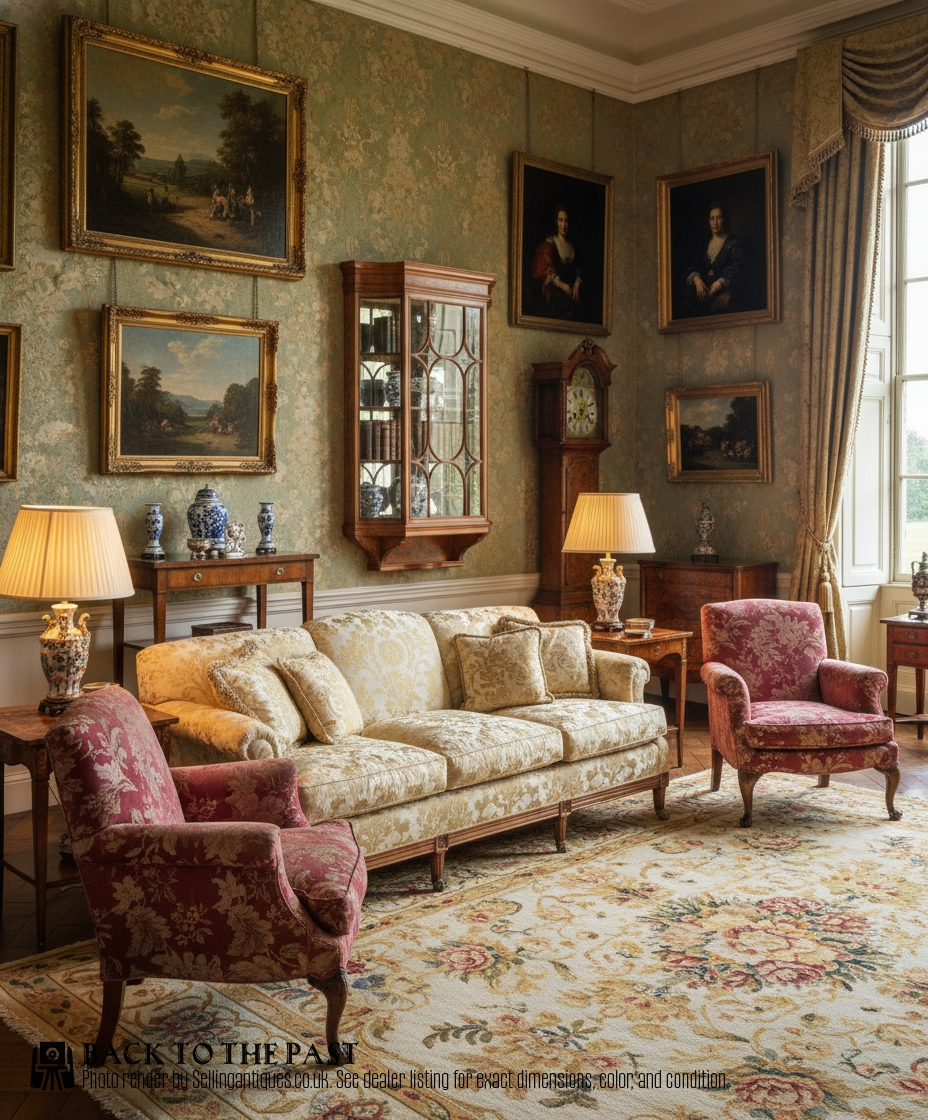
Wooden display elements are represented by satinwood wall hanging cabinets and French carved doors from the early twentieth century. These diverse forms share a common focus on decorative display and hand-painted detail.
How they were made
Ceramic pieces utilise porcelain, bone china, and ironstone as bodies, decorated with hand-painted glazes, enamel, and gilt or gold leaf. Potters shaped these materials into cabinet plates, scalloped edges, and basketweave forms.
Wooden items employ satinwood and carved timber construction for wall cabinets and doors. Artisans applied hand-painted surface decoration and intricate carving to achieve the finished display pieces.
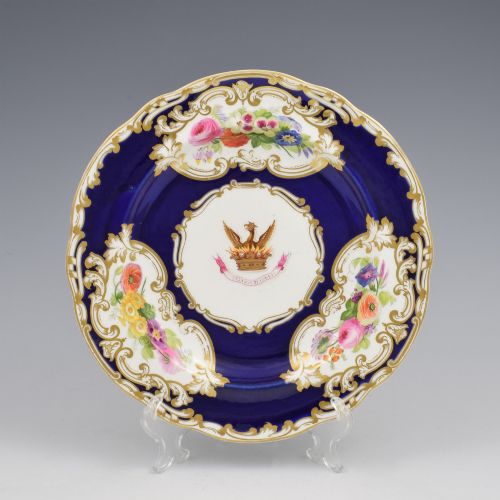
A phoenix in flames guards the family crest on one nineteenth-century armorial plate.
What varies in quality
Quality separates through the precision and execution of hand-painted floral motifs and armorial crests. Skilled brushwork and detailed gilding distinguish finer cabinet plates from standard productions.
The finesse of the porcelain body, whether bone china or hard-paste porcelain, combined with crisp moulding on shaped edges and basketweave patterns, defines the upper tier of the range.
Royal Crown Derby·John Davenport of Longport·Copeland·Furstenberg·Pucher Deroche·Minton·Royal Worcester·Ridgway
The Painted Floral Wall Cabinet Glossary
- Cabinet plate
- A decorative ceramic plate intended for display rather than dining use. These items often feature elaborate hand-painted florals and armorial designs.
- Imari
- A style of Japanese export porcelain characterised by underglaze blue and overglaze red, gold, and green. English potteries frequently reproduced these patterns.
- Armorial
- A design incorporating a family crest, coat of arms, or heraldic insignia. Such motifs appear on bespoke porcelain services commissioned by prominent families.
- Gilding
- The application of gold leaf or powdered gold to ceramic surfaces or wooden frames. This technique highlights rims, borders, and decorative motifs.
Painted Floral Wall Cabinet: Frequently Asked Questions
What is a cabinet plate?
A cabinet plate is a decorative ceramic piece produced specifically for display in cabinets or on walls rather than for table service. These items frequently showcase detailed hand-painted scenes or armorial crests.
They allow collectors to appreciate fine ceramic manufacturing and artistic painting without risking the wear associated with daily dining use.
How do I date antique porcelain?
Dating antique porcelain relies on identifying maker marks, factory backstamps, and the specific composition of the ceramic body. Stylistic indicators such as colour palettes and gilding techniques also help establish the period.
Comparing a piece to documented patterns from manufacturers like Minton or Royal Crown Derby provides a reliable timeframe for its creation.
What is Imari porcelain?
Imari refers to Japanese porcelain exported through the port of Imari, featuring a distinctive palette of cobalt blue, iron red, and gold. European factories admired these striking designs and created their own versions.
These pieces bring strong visual contrast and traditional patterns to a collection of decorative ceramics.
How should I display wall cabinets?
Wall-hanging cabinets and display fixtures suit spaces where they can securely hold smaller decorative items or plates. Proper wall fixings ensure the safety of both the cabinet and its contents.
Positioning them away from direct sunlight protects hand-painted surfaces and delicate gilding from fading over time.