
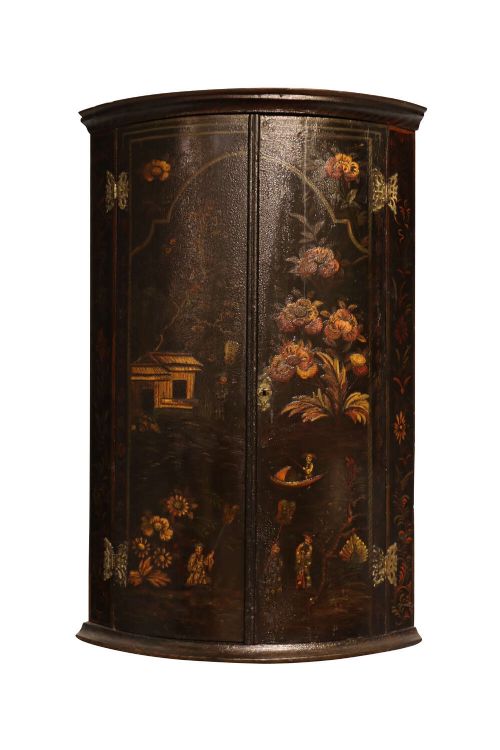


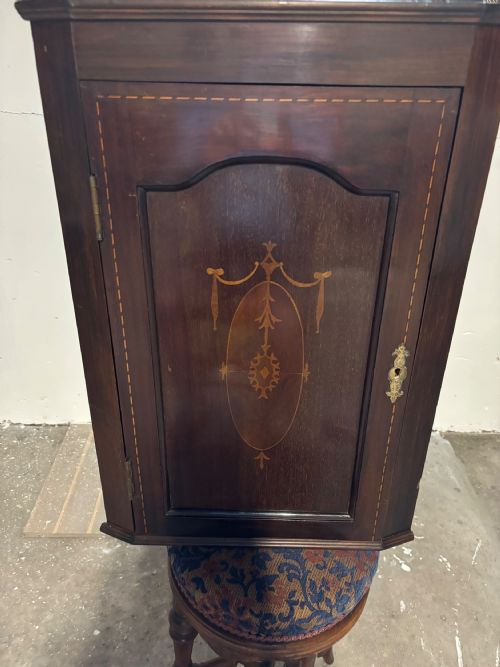

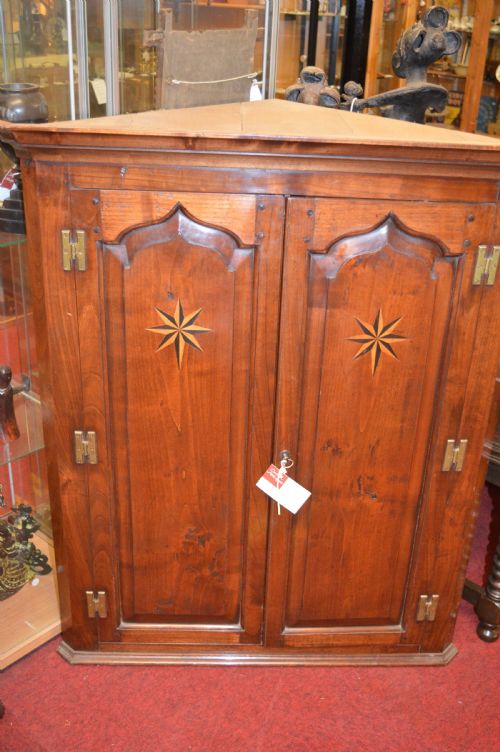


Georgian Style Wall Cabinet
These georgian style wall cabinet pieces bring period storage and display to any room, offering traditional craftsmanship in timber and glass.
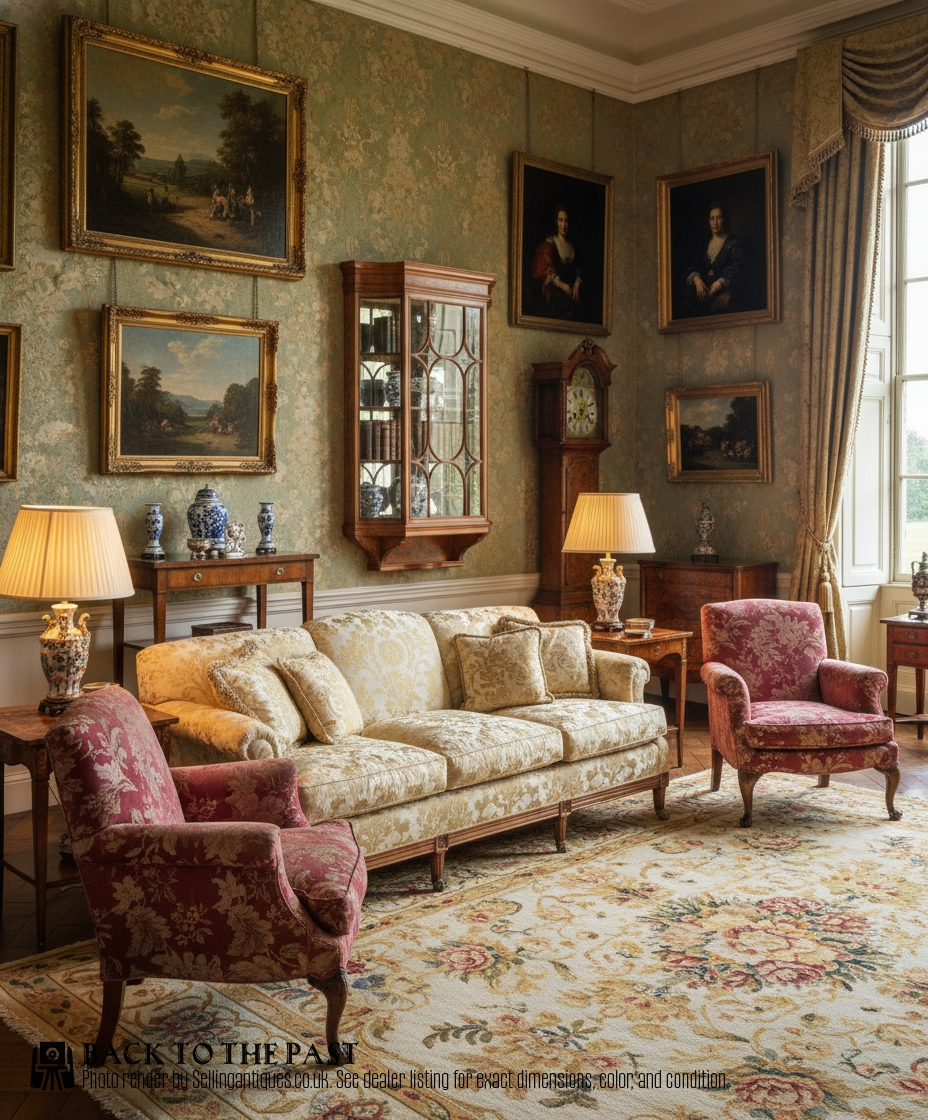
Georgian Style Wall Cabinet
Makers produced these pieces across several eras, ranging from authentic eighteenth century examples to later nineteenth century revivals and twentieth century interpretations. Mahogany and painted lacquer dominate the physical forms seen in this collection.
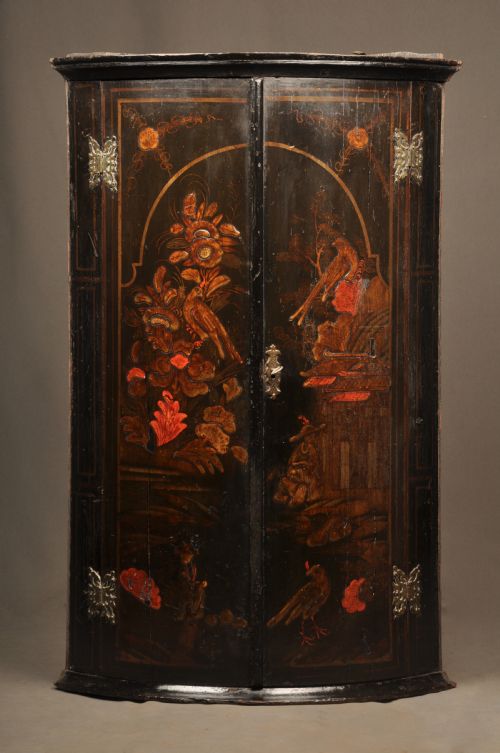
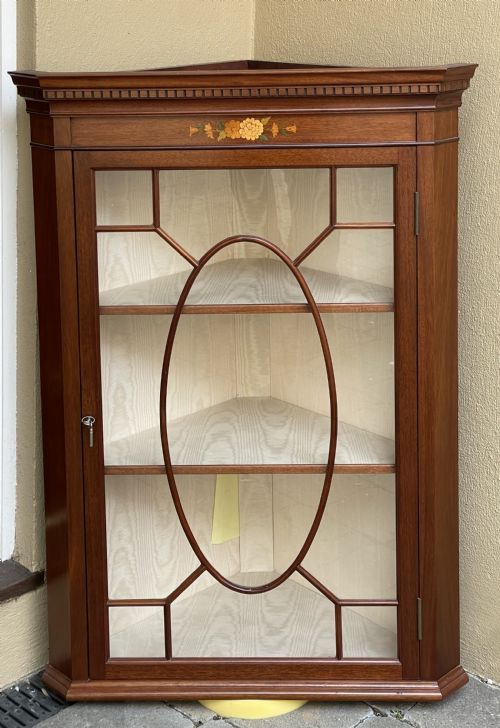
Buyers encounter different stylistic expressions within the georgian style wall cabinet group, notably plain timber versions and elaborate chinoiserie decorated pieces. Corner placement remains the most prevalent configuration among the surviving items.
What varies in quality
The sophistication of the surface finish separates standard items from finer examples, particularly where hand-painted chinoiserie lacquer or detailed satinwood inlay is present. Superior pieces display crisp detailing in the gilt work and well-balanced proportions across the door panels and cornices.
Material selection also defines the tier of the piece, with dense grain mahogany and burr elm timbers representing the more substantial end of construction. The quality of the original brass hinges and locking mechanisms further indicates the workshop standard.
Listings include mahogany, satinwood, and lacquer materials spanning the eighteenth, nineteenth, and twentieth centuries.
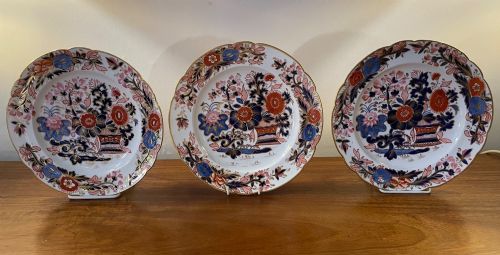
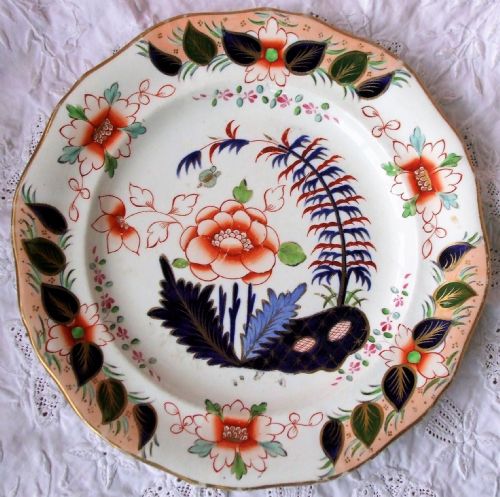
John Davenport of Longport·Flight Barr And Barr
The Georgian Style Wall Cabinet Glossary
- Chinoiserie
- European decorative style inspired by Chinese art, featuring painted scenes of figures, pavilions, and landscapes. This technique appears frequently on lacquer cabinets.
- Bow front
- A convex curved cabinet front that projects outward in an arc. This curved profile softens the corner angles of wall mounted cupboards.
- Satinwood
- A light yellowish timber native to India and Ceylon, used extensively for fine veneer and inlay work during the eighteenth and nineteenth centuries.
- Corner cupboard
- A triangular cabinet designed to fit directly into the ninety degree angle of a room. These units maximise wall space efficiency.
Georgian Style Wall Cabinet: Frequently Asked Questions
How do I hang a heavy timber wall cabinet safely?
Secure the cabinet directly into wall studs using appropriate brackets and fixings that can support the combined weight of the timber and its contents.
Ensure the internal hanging points are structurally sound before mounting any antique display unit.
Are these cabinets suitable for small rooms?
Corner models make efficient use of dead space in compact areas without projecting too far into the floor plan.
Hanging units also keep floor space clear while providing valuable enclosed storage.
How do I care for lacquered surfaces?
Dust regularly with a soft, dry cloth and avoid placing lacquered or painted pieces in direct sunlight.
Keep humidity levels stable to prevent timber movement and cracking in the decorative finish.
What is the difference between Georgian and Regency styles?
Georgian pieces often display heavier proportions and classic architectural cornices reflecting earlier eighteenth century design principles.
Regency examples frequently incorporate sleeker lines and distinct brass mounts influenced by classical antiquity.