



Painted Floral Tea Table
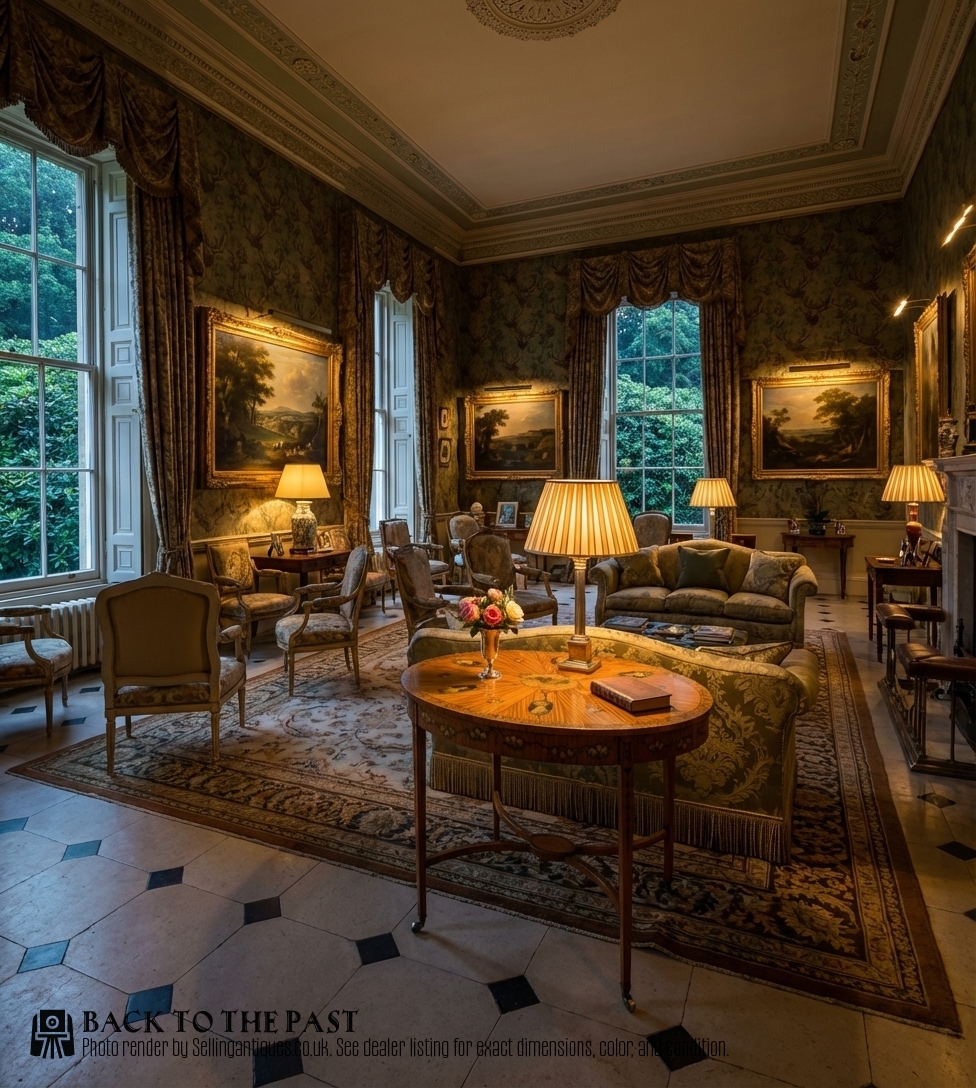
A painted floral tea table brings delicate botanical brushwork onto practical timber surfaces, offering a charming focal point for a traditional room.
Painted Floral Tea Table
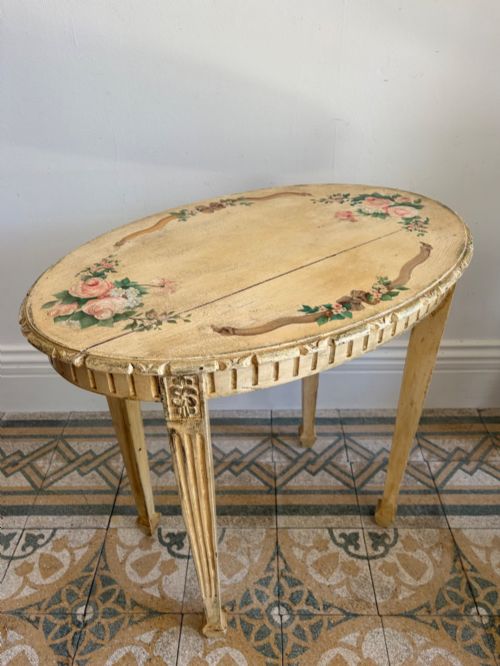
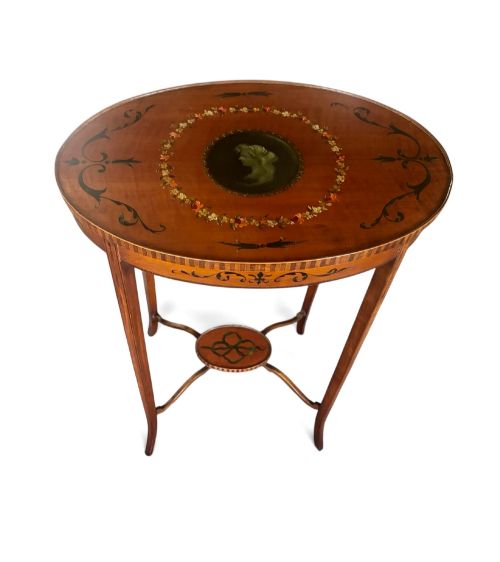
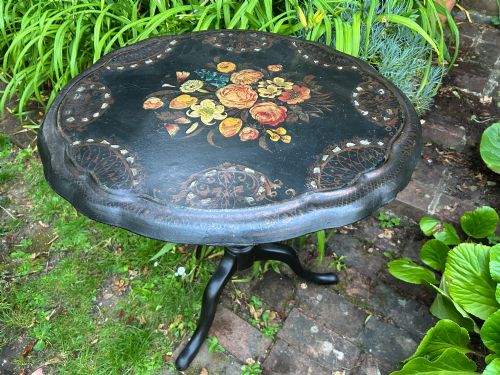
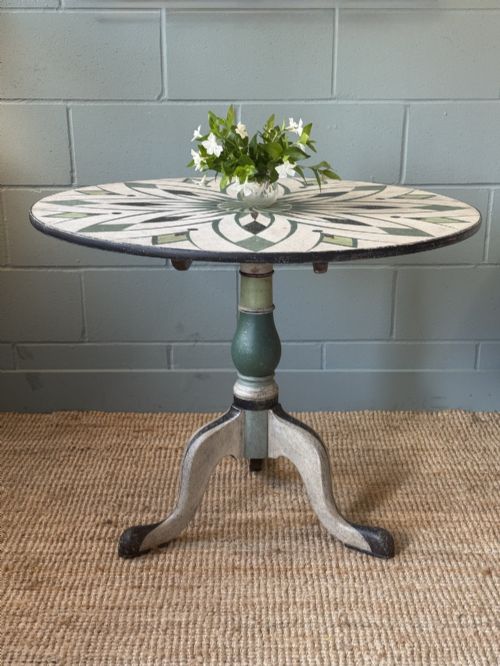
A painted floral tea table is a portable or occasional surface decorated with floral motifs, appearing frequently across the nineteenth and twentieth centuries. The selection on this page centres heavily upon occasional, tilt-top, and Pembroke tables from the Victorian and Edwardian periods.
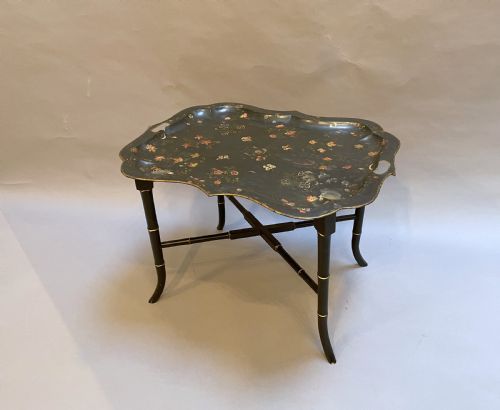
Makers utilised various timber and composite foundations, producing pieces ranging from satinwood and mahogany to papier-mâché and toleware. Forms span compact wine tables, gypsy tables, and tray tables adapted from earlier serving trays placed on modern or period stands.
Stylistic influences draw deeply from Sheraton Revival elegance, Rococo curves, and regional traditions including Kashmiri and Venetian craftsmanship. Buyers encounter both original painted decoration and later embellishments applied to older foundations.
How they were made
Carpenters constructed the structural frames from solid timbers like mahogany and satinwood, or moulded durable papier-mâché and metal toleware for tilt-top surfaces. Joinery techniques varied from traditional table framing to folding mechanisms and detachable tray tops supported by folding stands.
Artists applied oil or lacquer grounds before rendering botanical details by hand, sometimes sealing the pigments with clear varnish to protect the delicate flora. Accents in gilt work often framed the painted blossoms, enhancing the decorative effect against dark ebonised or pale satinwood backgrounds.
Painted Floral Tea Table Retail Price Guide 2026
Typical asking prices for painted floral tea table among the pieces listed under this phrase on Sellingantiques today, from the lower quarter to the upper quarter. They describe what is for sale here now, not the wider market.
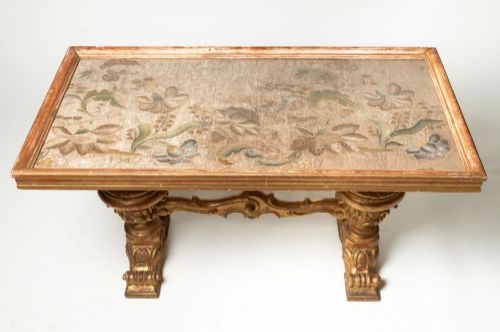
Several clever trays found a second lease on life by being mounted onto later metal and timber stands to serve as tea tables.
What varies in quality
The finesse of the brushwork distinguishes finer examples from simpler provincial pieces, with master artists achieving subtle shading and botanical accuracy. The integrity of the underlying material, whether figured satinwood or stable papier-mâché, dictates the structural durability of the table.
The originality of the painted surface significantly influences the standing of a piece, as factory-applied or later decorative additions differ from period originals. Proportions, stability of tilt mechanisms, and the retention of original brass or gilt highlights complete the assessment.
The Painted Floral Tea Table Glossary
- Pembroke table
- A small rectangular table featuring two hinged drop leaves on opposing sides. It often includes a single drawer and slender legs.
- Tilt-top table
- A table designed with a mechanism that allows the top to hinge vertically into a flat position when not in use. This clever space-saving design appeared frequently in nineteenth-century parlours.
- Papier-mâché
- A sturdy composite material formed from paper pulp mixed with glue and resin, pressed into moulds and baked. It provides a smooth, dark surface ideal for receiving lacquer and paint.
- Satinwood
- A lustrous tropical hardwood native to India and Ceylon, prized for its golden yellow colour and natural sheen. It served as an ideal pale ground for delicate floral paintings during the Sheraton Revival.
- Toleware
- Painted or enamelled sheet metal items produced in domestic or workshop settings. This durable material frequently took the form of trays and small containers adapted for furniture bases.
Painted Floral Tea Table: Frequently Asked Questions
How do I care for a painted surface?
Protect delicate painted floral decorations by keeping tables away from direct sunlight and excessive heat sources that can dry out the timber or lacquer. Dust gently with a dry, soft cloth and avoid chemical cleaners or excessive moisture.
Using coasters and placemats helps prevent ring marks and surface wear on the original decorative finish during everyday use.
Are these tables sturdy enough for daily use?
Many occasional and Pembroke tables remain structurally robust for holding small items, books, or teacups in a low-traffic seating area. However, delicate forms like papier-mâché wine tables or papier-mâché trays on stands require a gentler touch.
Reviewing the construction of the legs and joints helps determine whether a specific piece suits active placement or functions best as a decorative accent.
How can I tell the period of a painted table?
Dating relies on examining the timber species, construction joinery, and the style of the painted decoration. Victorian and Edwardian pieces often display distinct revival influences, such as Sheraton Revival satinwood or Rococo curves.
Comparing the wear patterns on the underside with the visible painted top also offers clues regarding whether the floral design is original to the base.