


Painted Floral Occasional Table
A painted floral occasional table brings hand-painted botanical motifs to compact furniture, offering a decorative surface that elevates a corner or fireside.
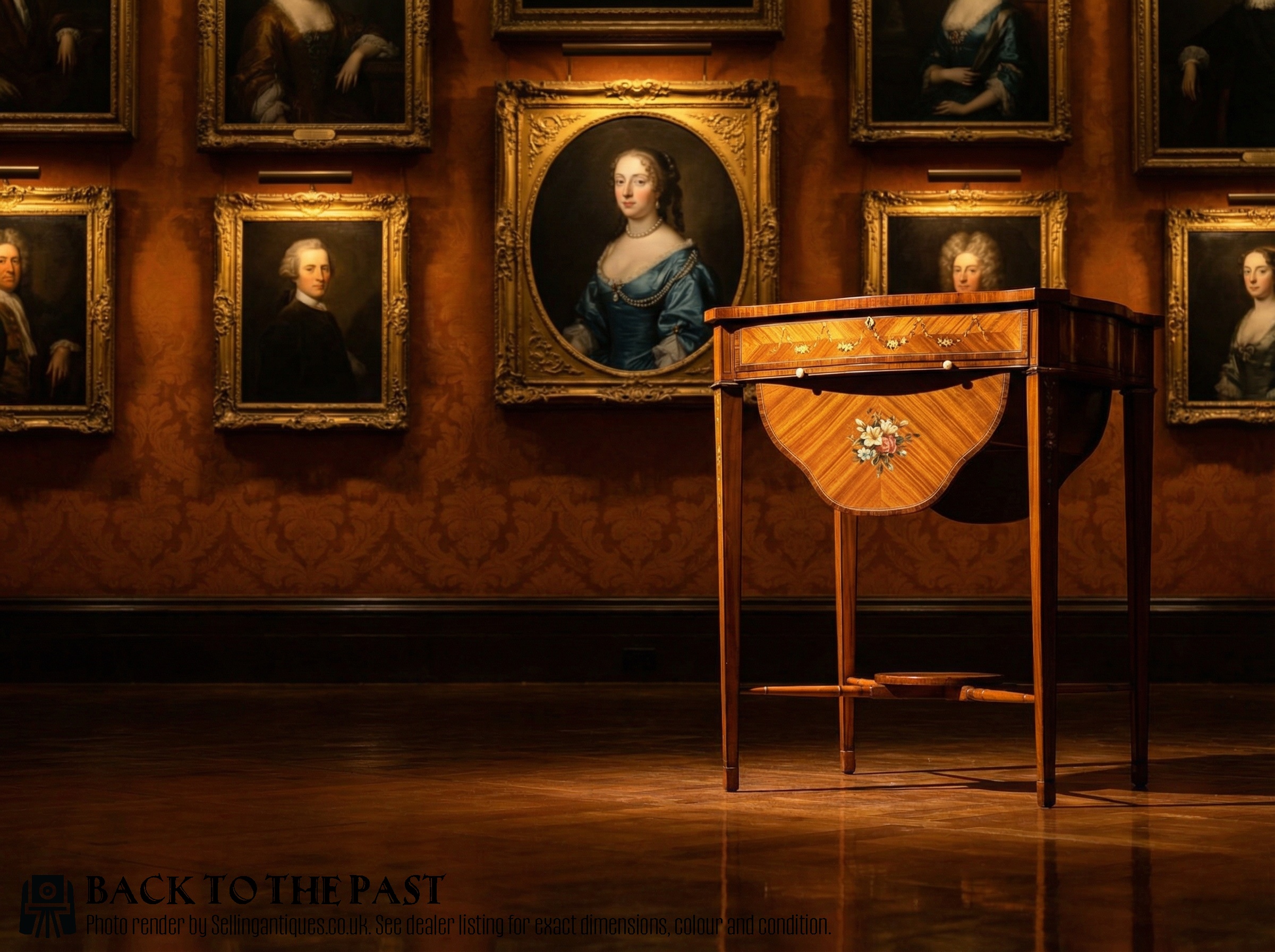
Painted Floral Occasional Table
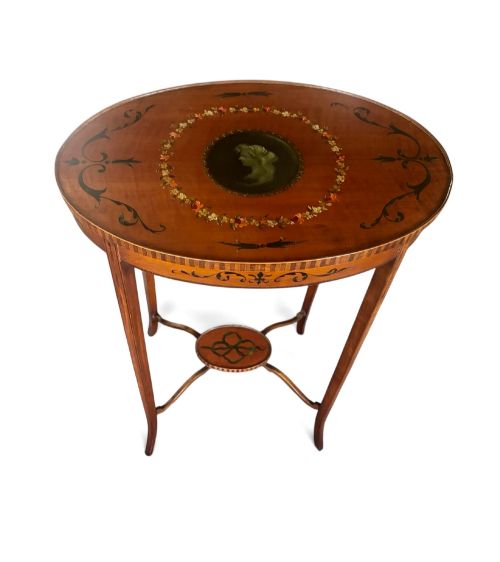
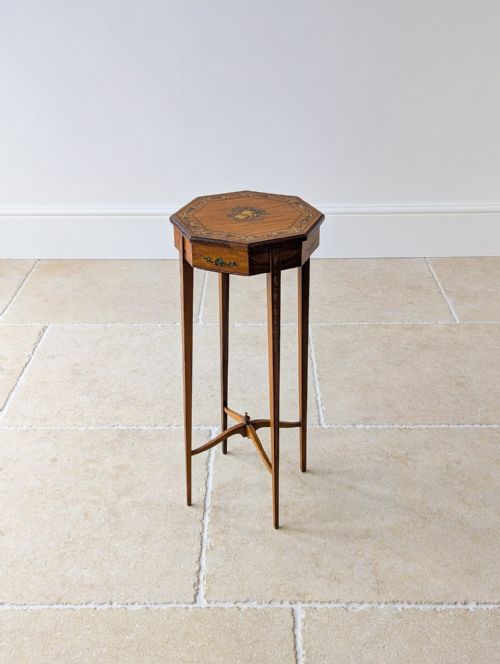
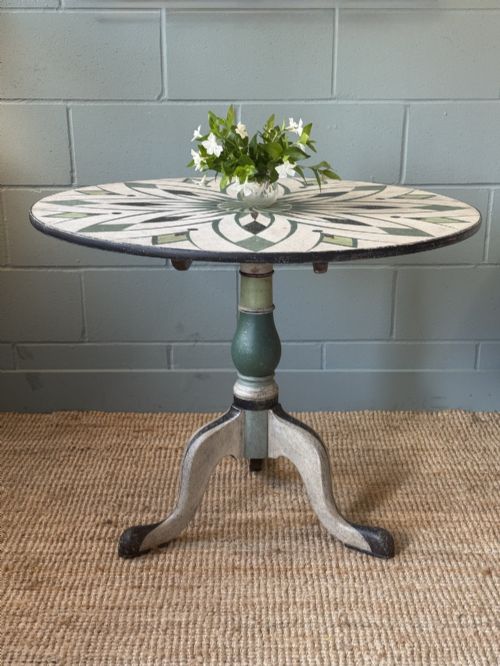
A painted floral occasional table is a versatile small furniture piece designed for decorative display and light daily use. These tables appear frequently from the nineteenth century and the Edwardian era, taking forms such as tilt-top wine tables, nests, side tables, and Pembroke tables.
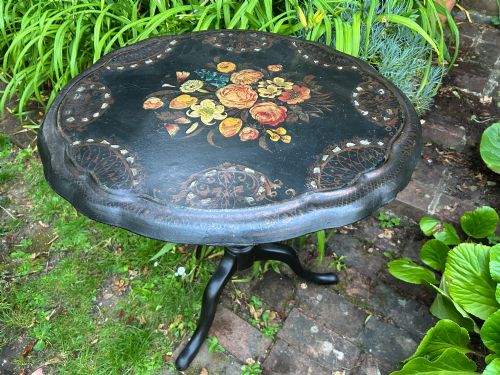
The selection ranges from Sheraton Revival satinwood pieces with delicate floral sprays to Victorian papier-mâché examples and later French Chinoiserie or Vernis Martin style designs. Makers utilised timber frames like mahogany and satinwood as a canvas for polychrome decoration, creating compact tables suited to period and eclectic interiors alike.
How They Were Made
Craftsmen built these tables using foundational woods such as mahogany, satinwood, and papier-mâché, often shaping them into tilt-top surfaces, nests, or oval centre tables. Timber construction provided a stable base for subsequent decorative treatments, including brass fittings and inlaid borders.
Surface decoration involved hand-applied paint, lacquer, and gilt, occasionally featuring later painted floral designs applied over older timber foundations. Artisans employed detailed brushwork to render botanical subjects, drawing on Sheraton Revival, French Rococo, and Chinoiserie traditions.
Object forms include nests of four tables, Pembroke tables, wine tables with tilt-top actions, and oval centre tables.
What Varies in Quality
The distinction between ordinary and exceptional pieces rests in the execution of the painted surface and the choice of primary timber. Tables featuring finely detailed, original hand-painted floral motifs on figured satinwood represent a higher tier than those with simpler or later applied decoration.
Structural integrity and the harmony of the design also dictate quality, separating standard utility tables from refined Sheraton Revival or Regency centre pieces. The sophistication of the supporting framework - whether a turned pillar, brass-accented legs, or papier-mâché moulding - complements the painted top.
The Painted Floral Occasional Table Glossary
- Satinwood
- A durable timber with a golden sheen, frequently utilised as a smooth ground for painted floral decoration in Sheraton Revival and Edwardian pieces.
- Papier-mâché
- A composite material made from paper pulp and binder, moulded into smooth table tops and trays before receiving lacquer and paint.
- Tilt-top table
- A table featuring a hinge mechanism that allows the surface to tilt vertically when not in active use, saving space in smaller rooms.
- Pembroke table
- A drop-leaf occasional table with hinged flaps on either side, offering an expandable surface supported by pivoting rule joints.
- Chinoiserie
- A European decorative style reflecting Chinese artistic traditions, characterised by painted landscapes, figures, and floral motifs on lacquered surfaces.
Painted Floral Occasional Table: Frequently Asked Questions
What is a painted floral occasional table?
A painted floral occasional table is a small, moveable piece of furniture adorned with hand-painted botanical designs. These pieces date primarily from the nineteenth and early twentieth centuries.
They serve decorative and practical functions in living spaces, providing a stable surface for lamps, books, or ornaments while adding colour to a room.
How do I identify an Edwardian satinwood table?
Edwardian satinwood tables often display light golden timber grains paired with neoclassical or Sheraton Revival painted motifs. Look for fine brushwork depicting floral sprays and ribbon garlands.
The construction typically reflects early twentieth-century cabinetmaking standards, sometimes incorporating subtle mahogany banding or inlaid details alongside the paintwork.
Are painted designs always original?
Painted decoration on antique tables can be either original to the piece or applied at a later date. Examining the wear patterns around the paint helps distinguish period artistry from subsequent embellishment.
Both period-original surfaces and later painted designs appear across these listings, each offering a distinct aesthetic character.
How do I care for a painted antique table?
Caring for a painted occasional table involves keeping it away from direct sunlight and excessive moisture to protect the delicate surface layers. Dust gently with a dry, soft cloth rather than using chemical polishes.
Maintaining stable room temperatures prevents the underlying wood or papier-mâché from expanding and risking the paintwork.