



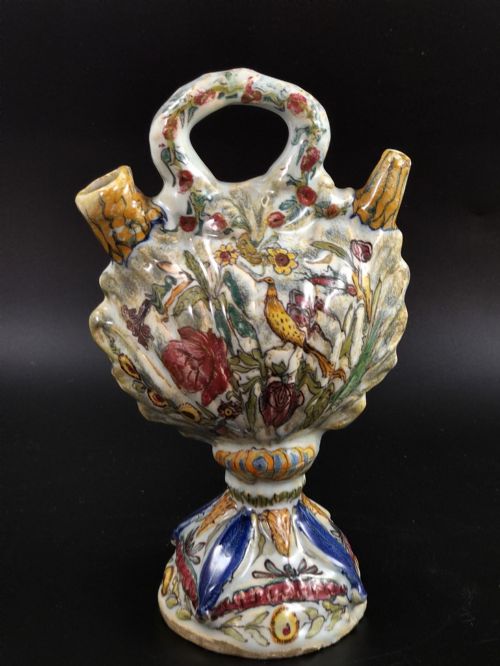
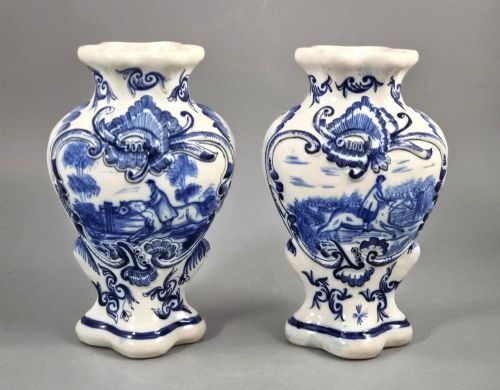
Painted Earthenware Vase
A painted earthenware vase brings hand-painted colour and sculptural presence to a room, drawing the eye with rich tin glazes and intricate ceramic detail.
Painted Earthenware Vase
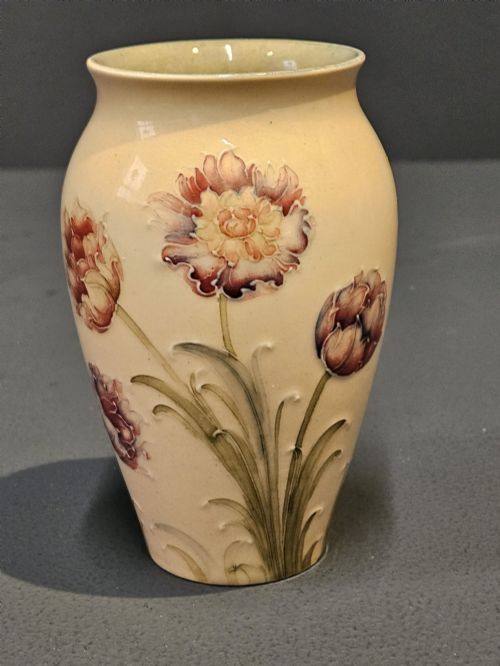
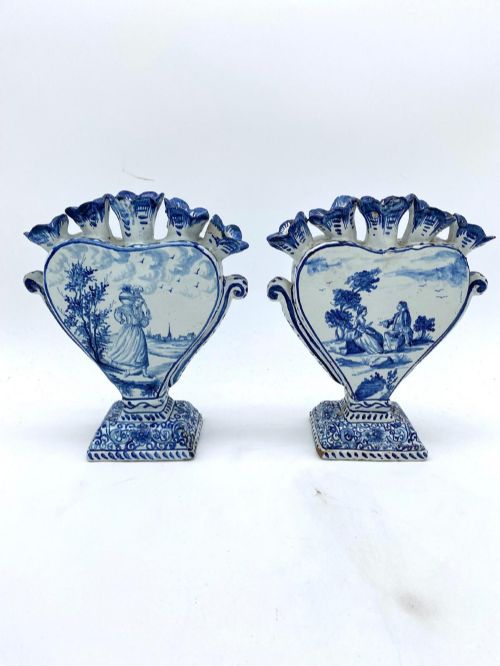
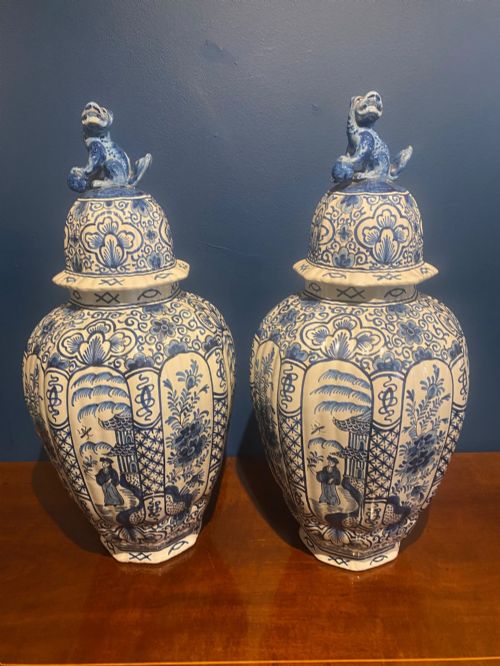
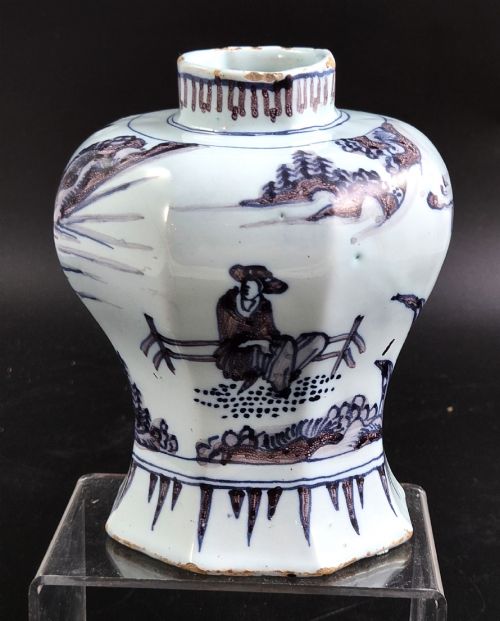
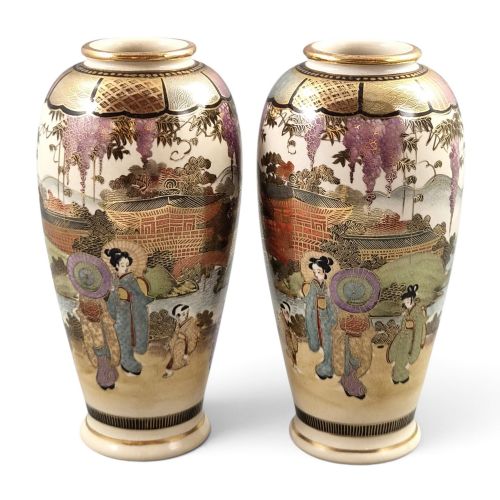
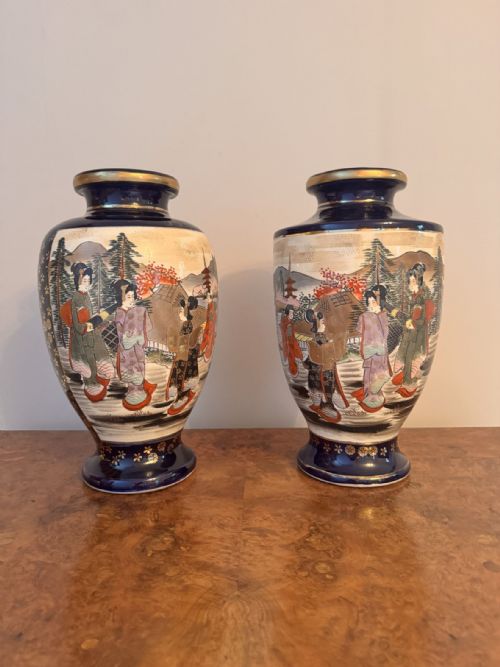
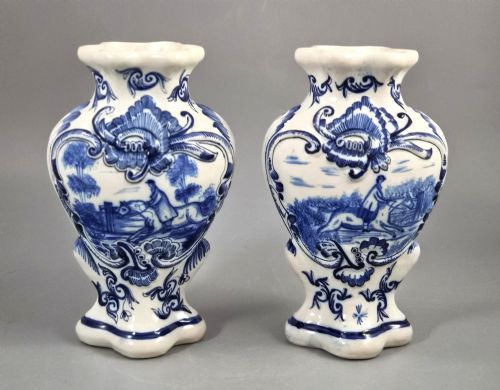
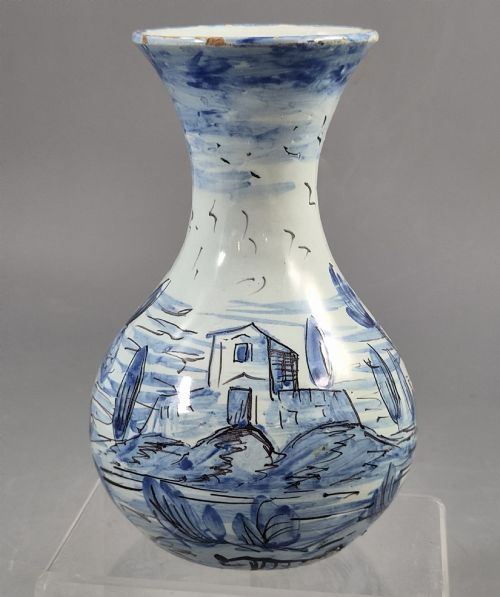
When you search for a painted earthenware vase, you encounter a diverse range of ceramic vessels spanning the eighteenth and nineteenth centuries into the early twentieth century. These pieces encompass Dutch Delftware, Japanese Satsuma wares, Italian majolica, and French faience, taking forms from simple baluster jars to elaborate pilgrim flasks and garden urns.
How They Were Made
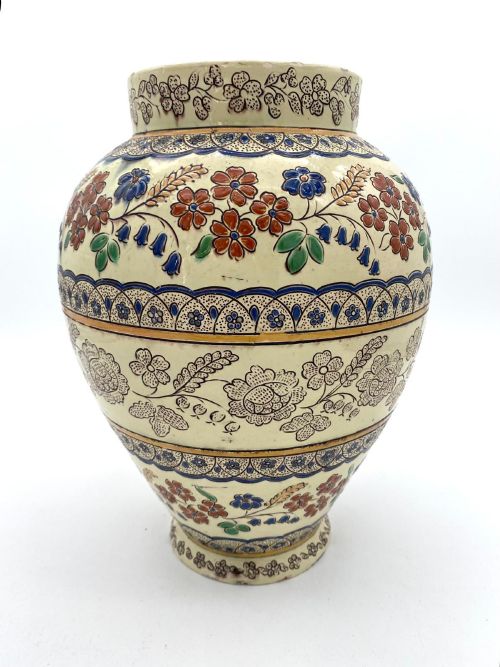
Potters shaped these vessels from local clays before coating them with tin glazes or opaque enamel grounds to create a smooth surface for pigment application. Artisans then hand-painted intricate floral, figurative, and landscape motifs directly onto the unfired or biscuit-fired glaze.
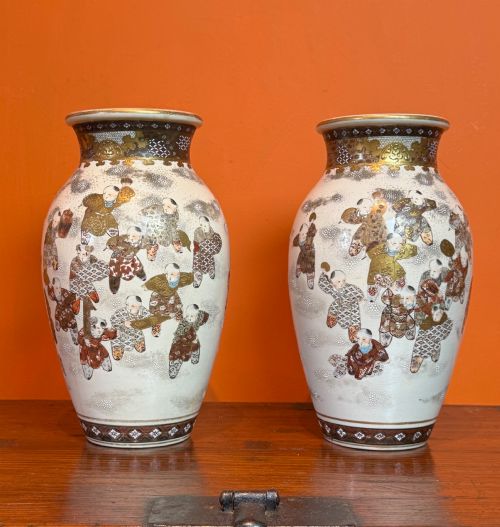
Many workshops enhanced their designs with gold leaf and rich gilding, particularly in Satsuma and high Victorian decorative pieces. Kiln firing fixed these mineral colours into the glaze, producing durable finishes that retained their brilliance over centuries.
Painted Earthenware Vase Retail Price Guide 2026
Typical asking prices for painted earthenware vase among the pieces listed under this phrase on Sellingantiques today, from the lower quarter to the upper quarter. They describe what is for sale here now, not the wider market.
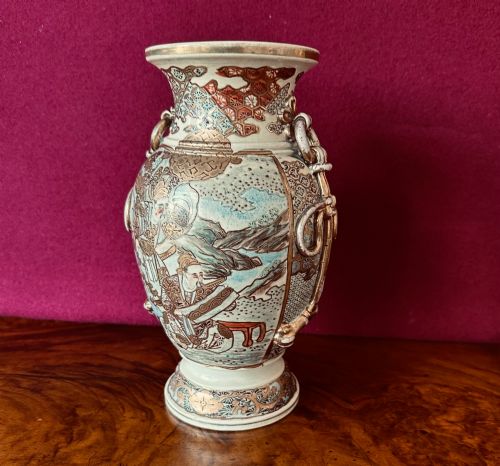
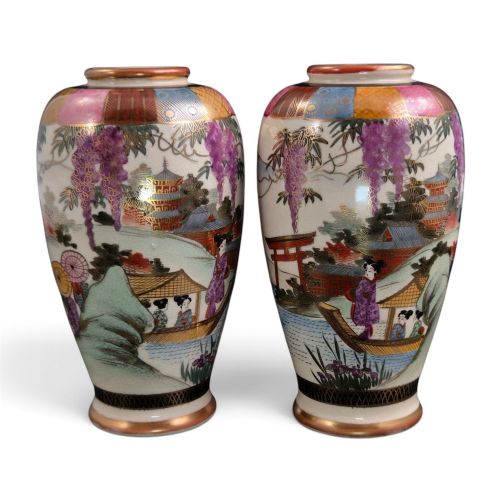
Several Satsuma vases depict bustling historic processions crowded with microscopic figures hand-painted in minute detail.
What Varies in Quality
Quality rests in the precision of the brushwork and the clarity of the painted narrative, where master artists achieved remarkable detail in human figures and foliage. Lesser examples exhibit rushed execution, muddy pigment blending, and coarse body potting.
The sophistication of the glaze chemistry and the crispness of the tin glaze or enamel application dictate the overall refinement of the piece. Superior specimens maintain intact gilding and well-preserved surface decoration without excessive wear to the earthenware body.
Maruni Kobe·Shozan·Cantagalli·Fourmaintraux Courquin·Doulton Lambeth·Reissner Stellmacher and Kessel·Kinkōzan·Wileman Intarsio·Mugello·Robert T Lallement
The Painted Earthenware Vase Glossary
- Majolica
- A type of tin-glazed earthenware originating in Italy, celebrated for its vibrant polychrome pigments and Renaissance revival styles.
- Faience
- European tin-glazed pottery, particularly associated with French and Dutch workshops producing decorative vases and tablewares.
- Satsuma
- Japanese earthenware featuring a crackled ivory glaze decorated with elaborate enamel and gold leaf motifs.
- Delftware
- Tin-glazed earthenware produced in the Netherlands and England, traditionally rendered in blue and white or polychrome palettes.
- Baluster
- A vase shape characterised by a rounded body that tapers toward the neck, resembling an architectural column.
Painted Earthenware Vase: Frequently Asked Questions
How do I clean a painted earthenware vase?
Dust the surface gently with a soft, dry brush to remove particles without disturbing delicate enamel or gilt details.
Avoid using water or chemical cleaners, as porous earthenware and historic glazes absorb moisture and risk permanent staining.
Can these vases hold water?
Most antique earthenware vases function primarily as decorative objects rather than water-holding vessels due to porous ceramic bodies.
Display them dry or utilise a hidden inner glass liner if you wish to use them for fresh floral arrangements.
What is the difference between majolica and faience?
Majolica typically refers to Italian tin-glazed earthenware traditions known for rich polychrome painting and Renaissance revival forms.
Faience is the broader French and European term for tin-glazed pottery sharing similar manufacturing techniques and decorative styles.
How do I date an antique earthenware vase?
Examine the base for workshop marks, handwritten signatures, and impressed stamps associated with known potteries and historical periods.
Stylistic cues such as Art Nouveau floral lines or Meiji figural processions also help narrow the production era.