



Painted Double Doors
Painted double doors bring architectural depth and character to an interior, offering functional division with rich surface history.
Painted Double Doors
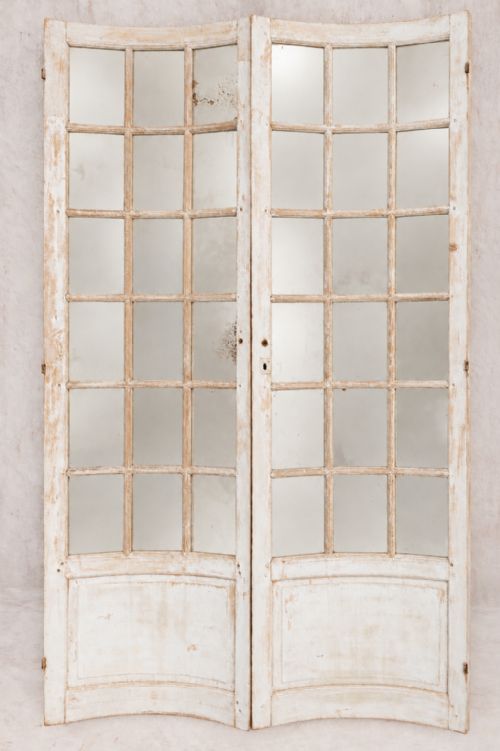
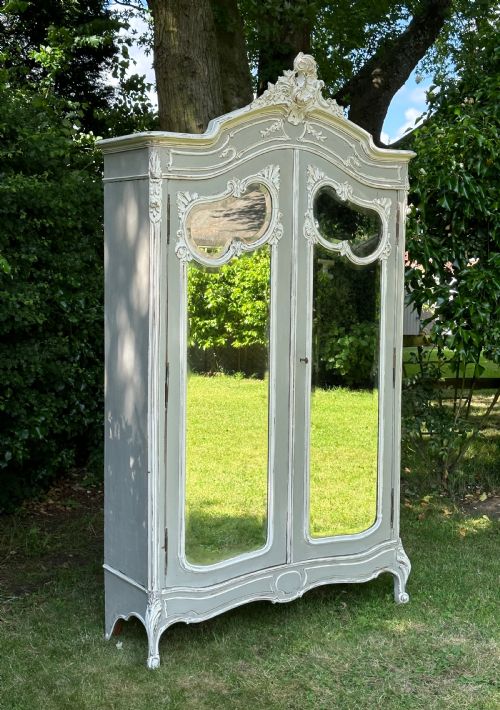
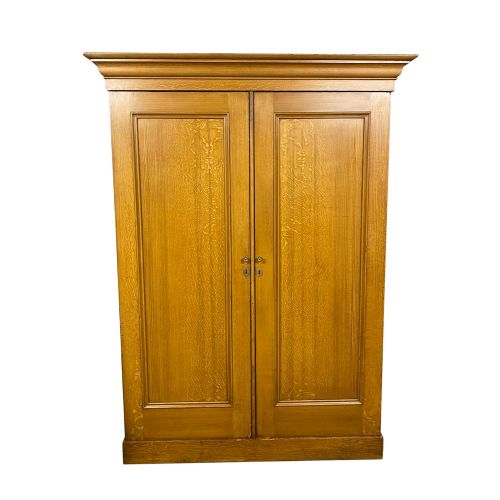
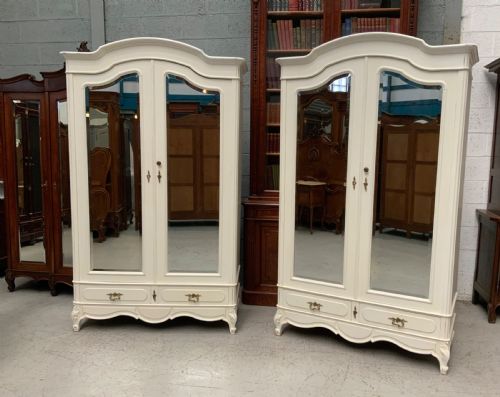
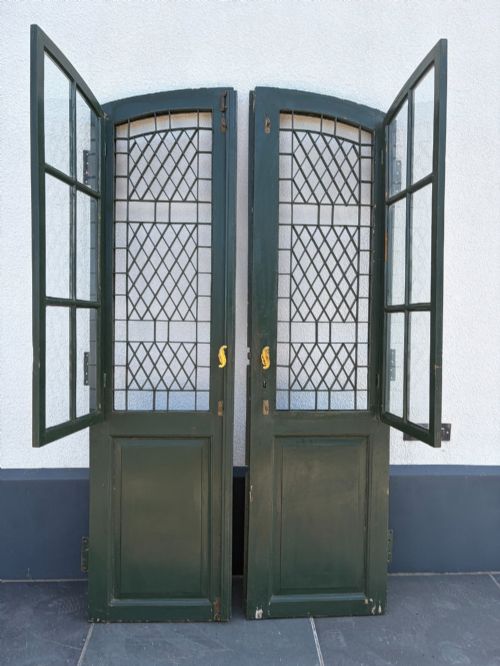
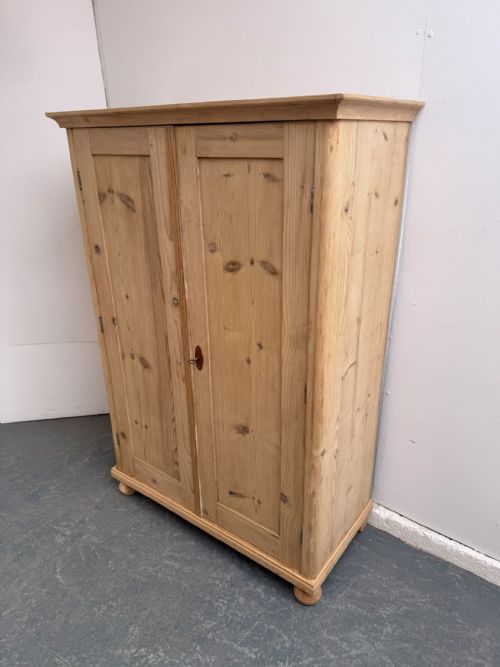
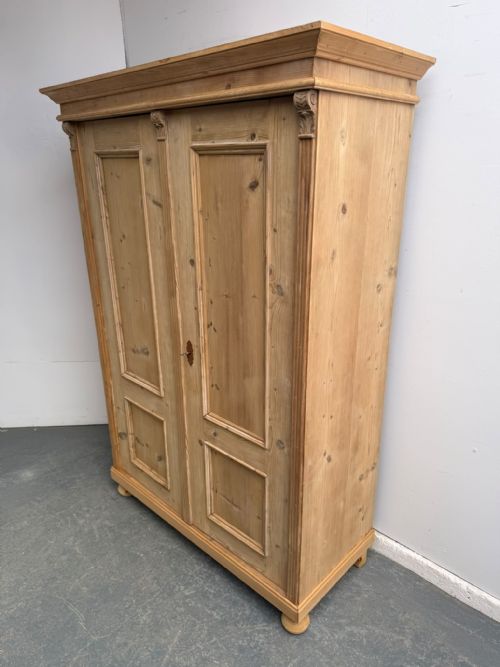
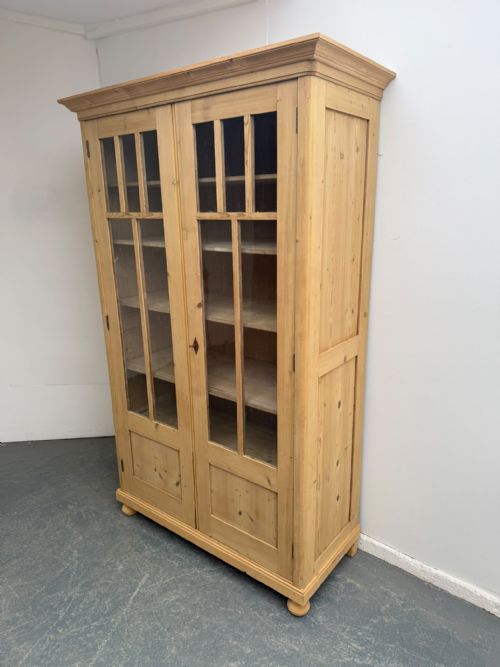
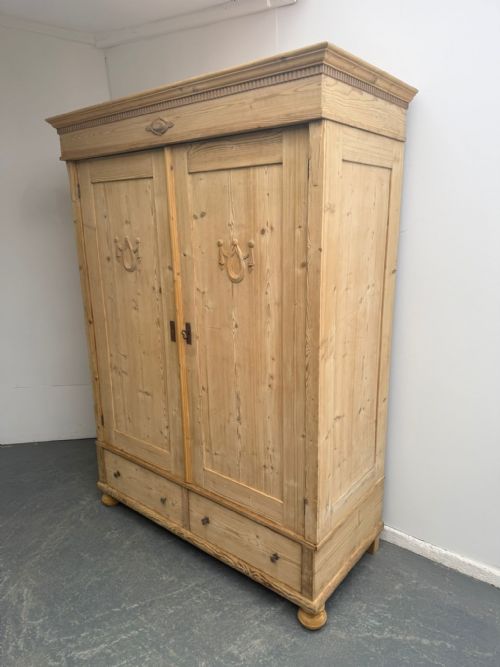
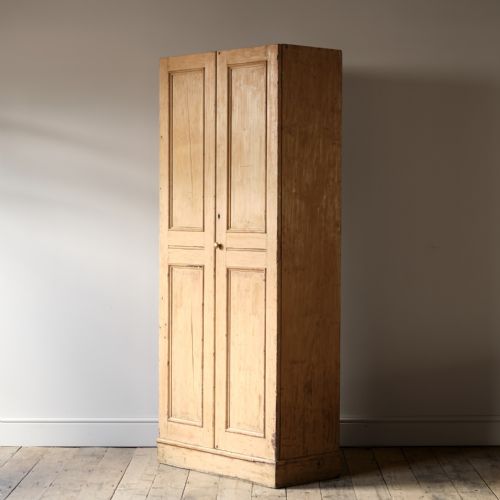
Painted double doors encompass substantial architectural portals and large furniture fronts designed to span wide openings. When you search for painted double doors, you encounter architectural examples like arched chapel entrances alongside large cabinet doors from wardrobes and armoires.
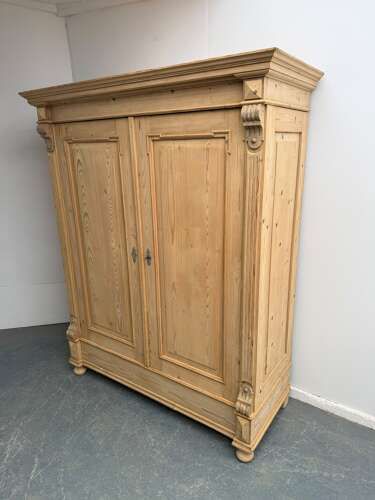
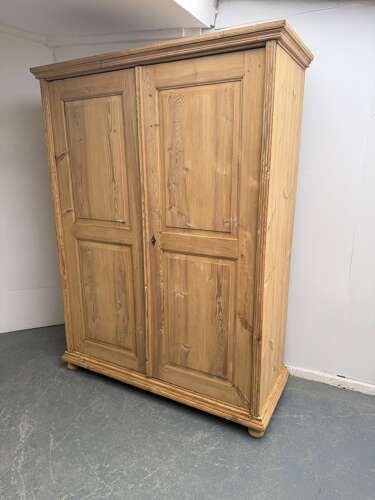
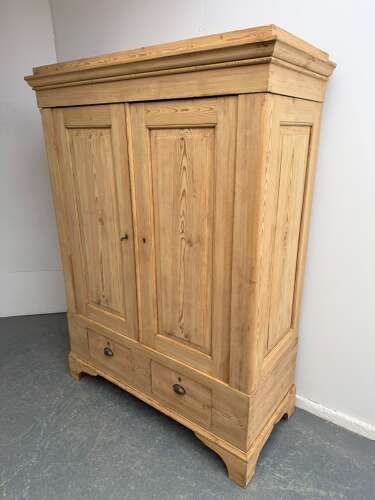
The pieces on this page originate primarily from the nineteenth and eighteenth centuries, with Victorian, Georgian, and French provincial styles predominating. Pine serves as the primary structural timber, often carrying layers of historic paint or scumble finishes.
Makers construct these items for domestic storage and room division, ranging from tall knockdown wardrobes to low cottage cupboards and architectural pairs.
How they were made
Pine and other solid woods form the robust carcasses and frame-and-panel structures of these items, joined using traditional woodworking methods. Iron and brass hardware, such as wrought ironwork and hinges, secure the heavy leaves in place.
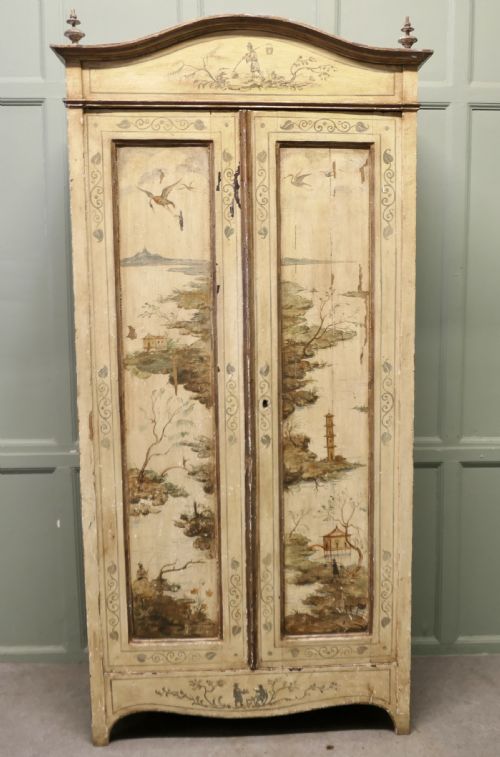
Makers applied paint, lacquer, and scumble glazes to the timber surfaces, sometimes incorporating decorative techniques like Chinoiserie lacquer or hand-painted outdoor scenes.
Painted Double Doors Retail Price Guide 2026
Typical asking prices for painted double doors among the pieces listed under this phrase on Sellingantiques today, from the lower quarter to the upper quarter. They describe what is for sale here now, not the wider market.
Listings feature pine and painted wood constructions spanning the Georgian, Victorian, and early twentieth-century periods.
What varies in quality
The integrity of the original timber construction and the preservation of historic paint surfaces determine the standing of an individual piece. Items retaining untouched scumble paintwork or early lacquer demonstrate superior craftsmanship compared to later, stripped examples.
Proportion and scale also dictate quality, where balanced architectural proportions and substantial hardware elevate the piece within its period style.
Melissa White
The Painted Double Doors Glossary
- Scumble paintwork
- A decorative painting technique involving layers of translucent glaze manipulated to imitate finer timbers like oak. This finish creates textured, mottled effects characteristic of nineteenth-century vernacular furniture.
- Knockdown wardrobe
- A large wardrobe designed with modular or pegged joints so the entire carcass can be dismantled for transport. This construction method allowed bulky furniture to move easily between rooms and properties.
- Chinoiserie
- European artistic style incorporating imitation Chinese motifs and decorative scenes. Artisans applied these designs in lacquer on cabinets and cupboards.
- Armoire
- A large freestanding cupboard with doors, used primarily for hanging garments or storing linens. French examples often feature carved panel details and generous proportions.
Painted Double Doors: Frequently Asked Questions
How do I install architectural double doors?
Architectural pairs require sturdy timber frames and heavy-duty fixings to support the weight of the wood. Professional joiners typically hang these large leaves to ensure smooth operation within older wall openings.
Allowance must be made for seasonal timber movement, particularly with pine structures that respond to changes in household humidity.
What is a knockdown wardrobe?
A knockdown wardrobe is a large storage piece built with pegged or wedged joints that allow the main sections to separate. This clever design enabled heavy bedroom furniture to navigate narrow staircases and tight hallways.
Owners assemble the panels using the original numbering or alignment marks hidden within the frame.
How do I care for historic painted surfaces?
Historic paint finishes require gentle cleaning with a dry or barely damp microfibre cloth to remove dust. Avoid harsh chemical cleaners and modern solvents that can strip away aged glazes and varnishes.
Applying microcrystalline wax helps protect vulnerable painted layers from moisture and daily wear.
How do I date a painted pine cupboard?
Dating relies on examining construction methods, nail types, and the composition of the underlying paint layers. Hand-cut joinery and early wrought iron hinges generally point towards eighteenth or early nineteenth-century origins.
Stylistic cues such as Georgian proportions or Victorian moulding profiles help narrow the manufacturing decade.